Connecting Rod for Audi A3 Aftermarket Replacement: Sourcing Guide
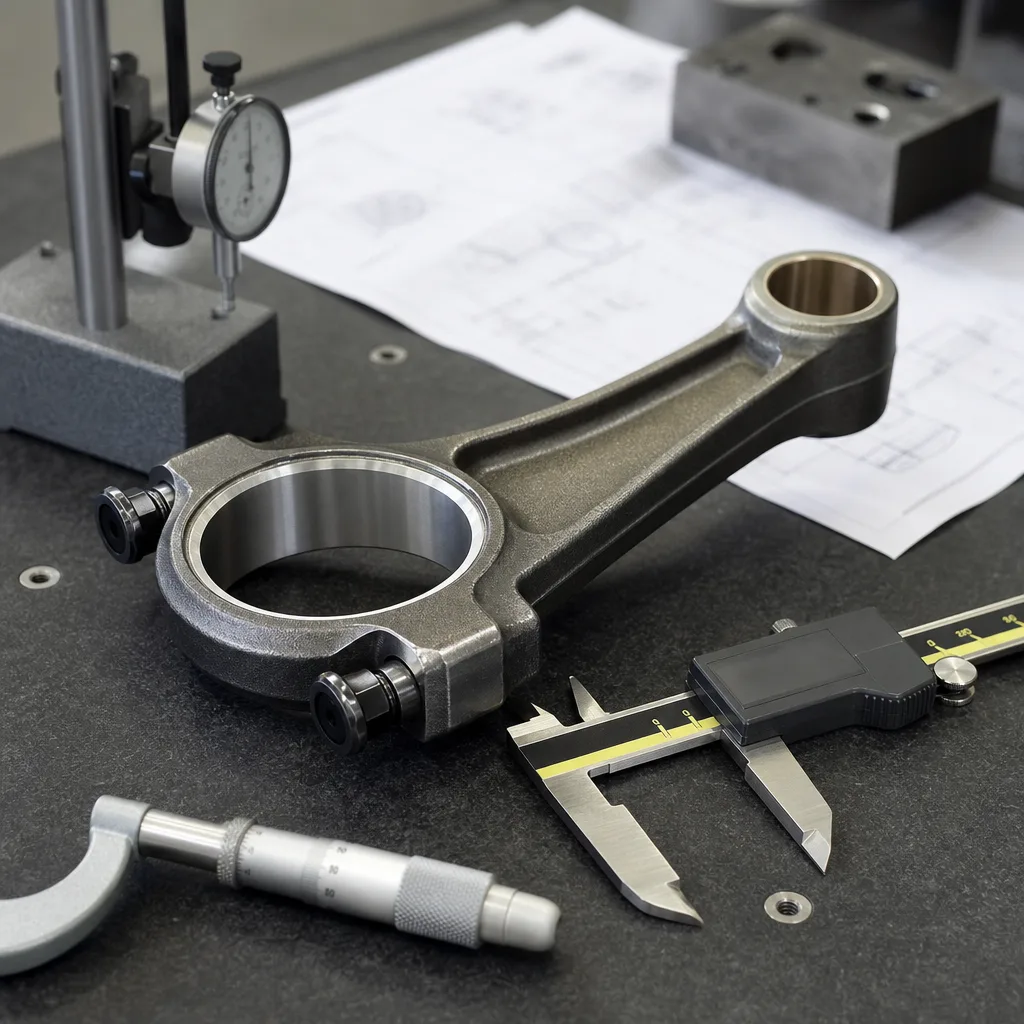
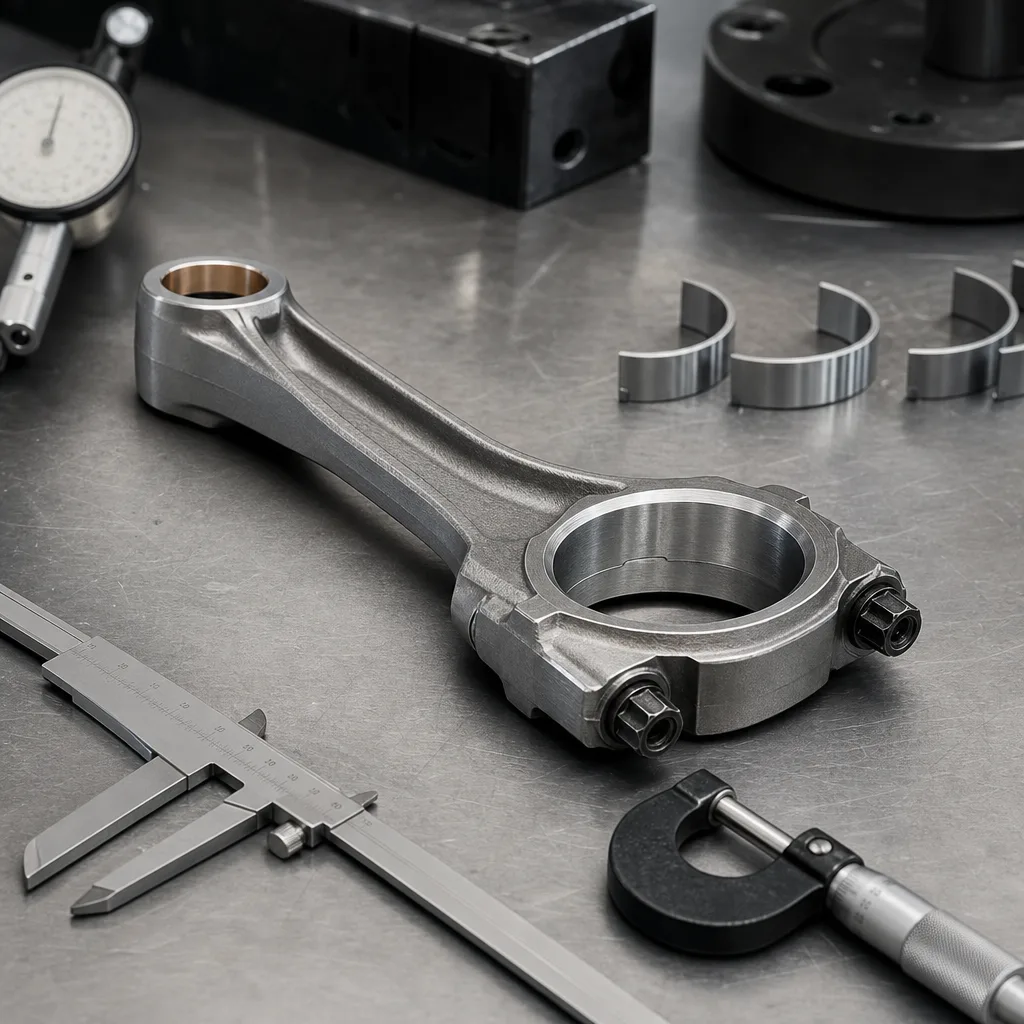
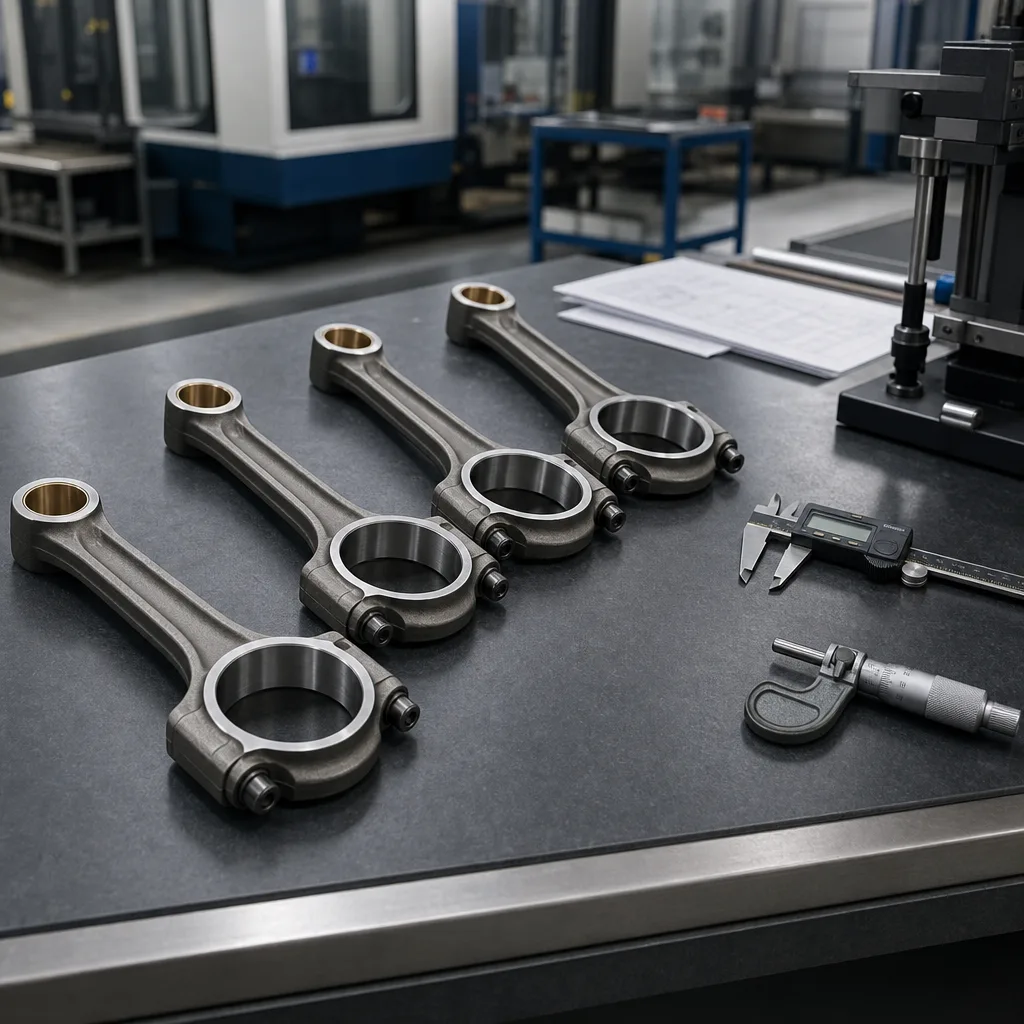
A connecting rod for Audi A3 aftermarket replacement must match the OE design envelope, not just the part shape. Procurement teams should verify centre-to-centre length, big-end bore, small-end bore, cap interface, rod weight class, and material condition before approving a supplier. For engines used across Audi A3 applications, small dimensional changes can affect piston deck height, bearing clearance, and long-term durability. Driventus is an independent aftermarket manufacturer; brand names are referenced for fitment only. We produce engine and powertrain components in Taizhou, Zhejiang, with IATF 16949:2016 and ISO 9001:2015 systems in place. The right sourcing decision depends on dimensional consistency, heat-treatment control, crack testing, and traceable inspection records. This article explains what to check, how replacement parts are validated, and how buyers can compare suppliers for repeatable fitment and lower claim risk.
What an OE-equivalent replacement must match
For replacement sourcing, the target is dimensional equivalence and functional consistency. The rod must fit the engine family without changing geometry, bearing load, or balance.
Key checks for Audi A3 applications:
- Centre-to-centre length: confirm against the OE sample or drawing
- Big-end bore and width: verify shell fit and side clearance
- Small-end bore: check pin fit and bush alignment where applicable
- Big-end split line: confirm cap register and fastener seat geometry
- Mass variation: keep rod-to-rod spread controlled for balancing
- Straightness and twist: inspect after machining and heat treatment
If the OE reference uses a specific part number, buyers should confirm the cross-reference format at RFQ stage, for example OE 06A107065 where applicable to the engine code being sourced. Do not assume that the same visual profile means the same fit.
A reliable aftermarket replacement should also be traceable to batch inspection records and final dimensional reports. That is the minimum expectation for commercial fleets, wholesalers, and rebuilders.
Material, forging, and heat treatment controls
Connecting rods for passenger car engines are usually produced from forged steel, powder metal, or in some cases fractured-cap designs depending on the engine architecture. For aftermarket replacement, the important point is not the sales label but the process control behind the part.
| Control item | What buyers should request | Why it matters |
|---|---|---|
| Material specification | Steel grade and heat number traceability | Confirms repeatable strength and toughness |
| Forging route | Forged blank or equivalent process sheet | Supports grain flow and fatigue resistance |
| Heat treatment | Hardness range, case/depth where relevant | Affects fatigue life and wear behaviour |
| Machining control | Bore size, roundness, parallelism reports | Prevents bearing distress |
| Surface inspection | Magnetic particle or crack detection report | Reduces hidden defect risk |