A connecting rod for Fiat 500 replacement programs must be specified against the exact engine family, production range and mating components before it is suitable for procurement. Fitment depends on more than the vehicle name. Centre-to-centre length, crankpin diameter, big-end housing geometry, piston pin size, bearing width, bolt specification and oiling features all affect whether the rod will assemble correctly and survive normal service.
For distributors, engine rebuilders and repair-chain buyers, the risk is not limited to an incorrect listing. A rod with poor big-end roundness, wrong side width, mismatched weight or inadequate bolt preload can lead to bearing distress, piston noise, oil-pressure loss, vibration or complete engine failure after installation. Driventus manufactures engine and powertrain components in Taizhou, Zhejiang, supplying B2B customers across Europe, the UK, North America, Australia and Brazil. We support aftermarket buyers with OE-equivalent dimensional control, material verification, inspection records and export-ready packaging for replacement demand. Driventus is an independent aftermarket manufacturer; vehicle brand names are referenced for fitment identification only.
Replacement Fitment Criteria for Fiat 500 Engine Families
Fiat 500 applications vary by market, model year and engine type, including naturally aspirated petrol, turbocharged petrol, diesel and later hybrid-associated service demand. Before ordering, buyers should confirm the exact engine code and target service population. A visual match is not sufficient for connecting rods because small differences in piston compression height, crankpin diameter, bearing shell width or oil-hole layout can change combustion clearance and bearing loading.
For a replacement sourcing file, Driventus recommends confirming:
Engine displacement, fuel type, engine code and production year range.
OE part-number cross-reference where available, using customer-supplied references only.
Centre-to-centre length from small-end bore centre to big-end bore centre.
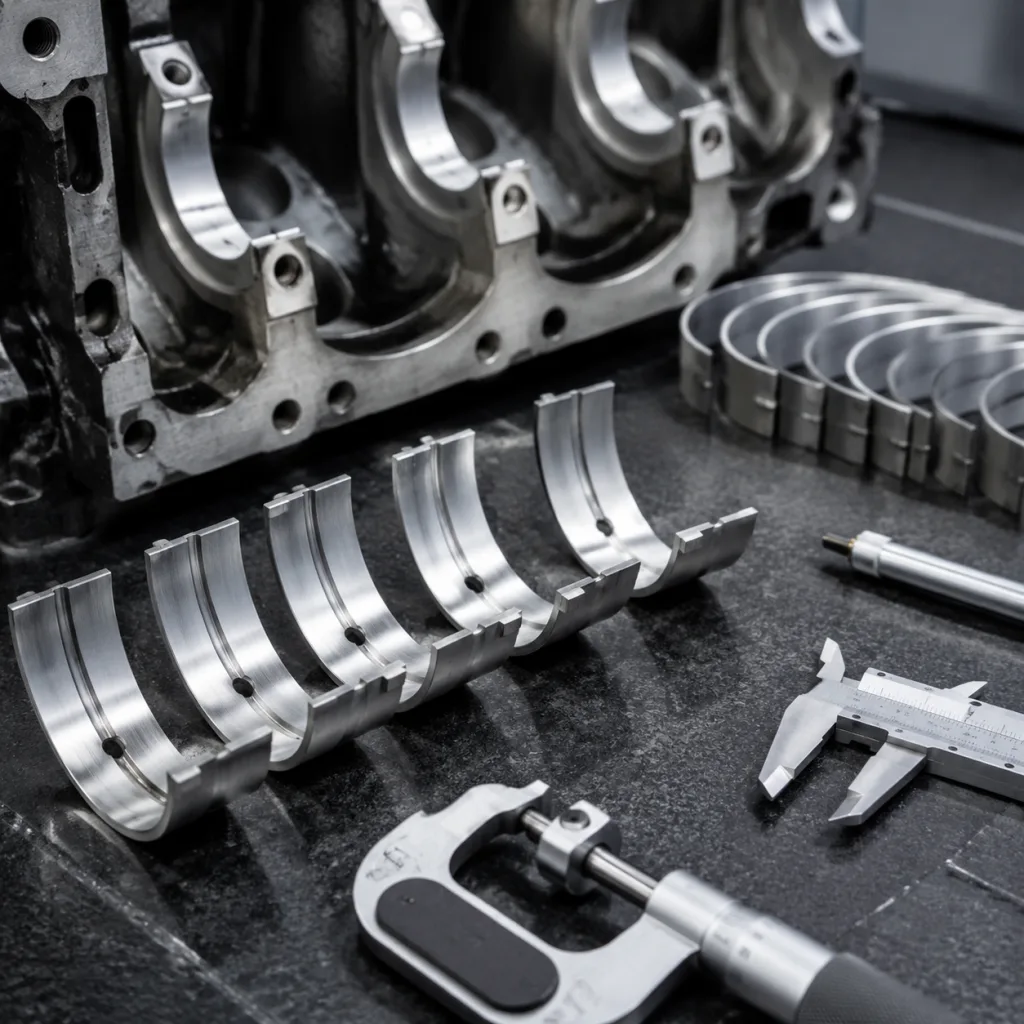
Big-end housing bore, width, cap design and bearing shell specification.
Small-end bore diameter, bushing material and wrist-pin clearance.
Lubrication-hole position and chamfer requirements.
Rod bolt diameter, thread form, torque method and replacement policy.
Weight-matching tolerance for rods supplied as engine rebuild sets.
Procurement teams can review related engine-component lines in our catalog and, where relevant, the engine parts category at engine components.
OE-Equivalent Dimensions and Production Controls
A replacement connecting rod should be managed as a precision rotating assembly component, not as a generic forged steel item. Its dimensions influence piston travel, compression relationship, bearing oil film and crankshaft balance. For Fiat 500 repair demand, the commercial specification should include nominal dimensions, tolerance limits and the inspection method agreed against drawings, approved samples or validated reference parts.
Control point
Procurement relevance
Typical verification method
Centre-to-centre length
Controls piston deck position and compression relationship
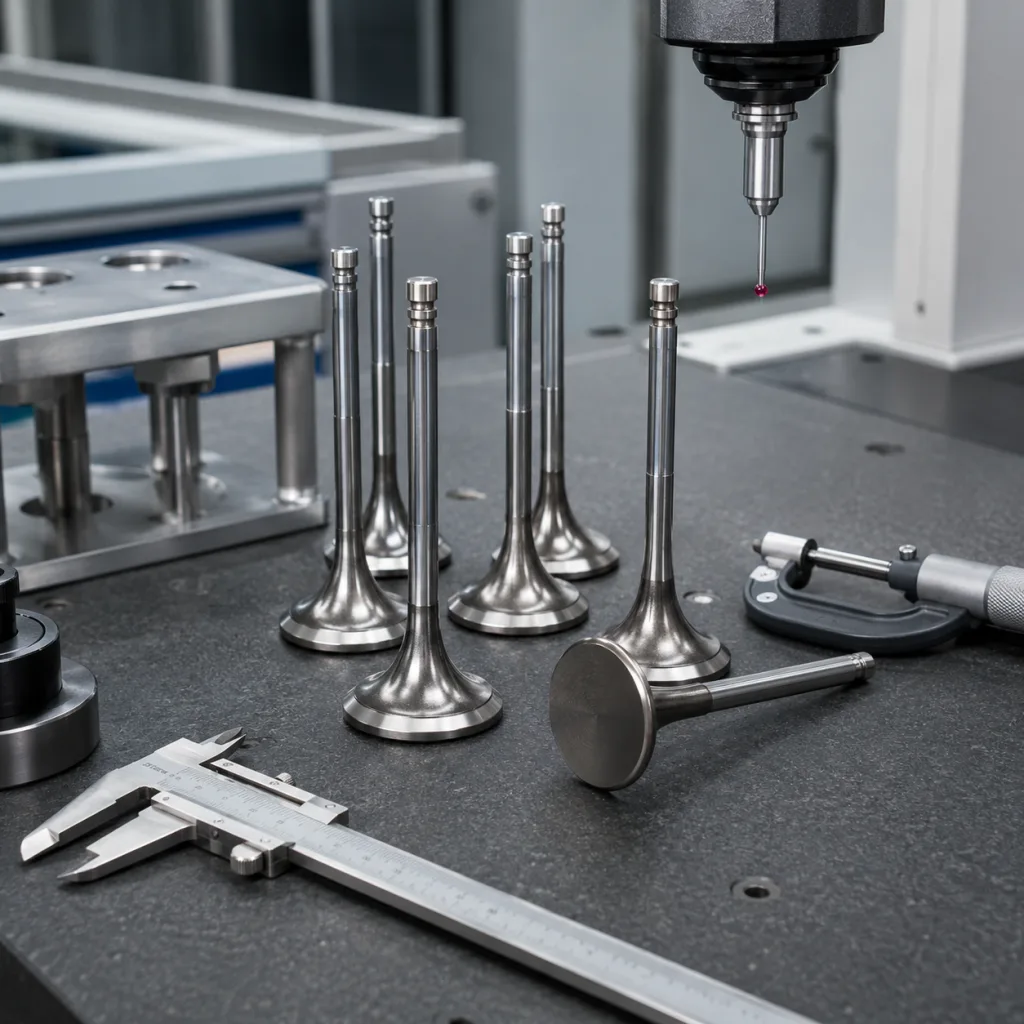
CMM or dedicated rod gauge
Big-end bore size and roundness
Affects bearing crush and oil film stability
Air gauge, bore gauge, roundness check
Small-end bore clearance
Controls piston pin noise and lubrication
Plug gauge, bore gauge, surface inspection
Big-end side width
Affects crankshaft side clearance
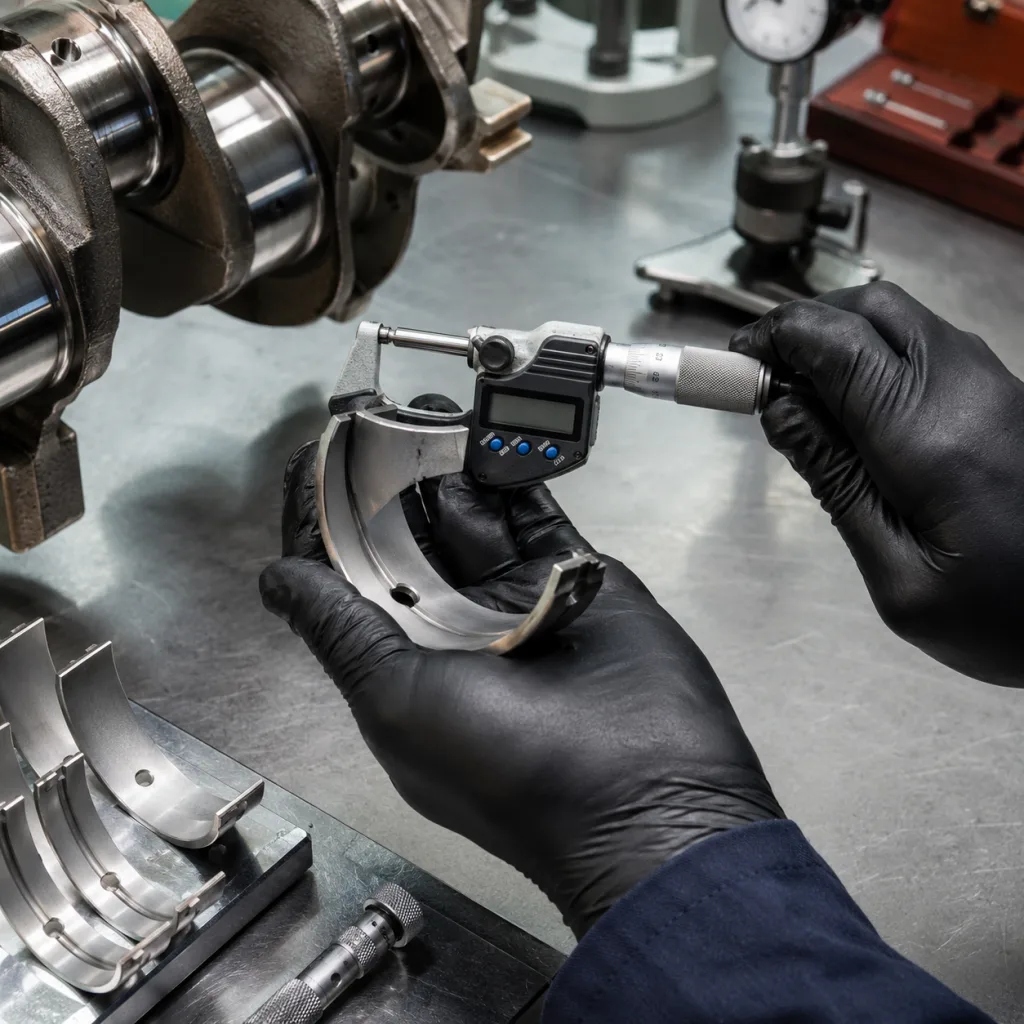
Micrometer and fixture check
Rod weight and set balance
Reduces vibration in rebuilt engines
Precision scale and batch grouping
Bolt seating face
Supports correct clamp load
Visual, dimensional and torque validation
</tr></thead><tbody> </tbody></table>Dimensional control should be linked to batch-level inspection records so buyers can trace production quality beyond first-article approval. For larger sourcing programs, Driventus can work from customer drawings, approved samples or reverse-engineered data supplied with the buyer's permission. When a rod is developed for a specific replacement family, validation should include trial assembly with the crankshaft, bearing shells, piston pins and piston assemblies used in the target repair market.
Material, Forging and Heat-Treatment Requirements
Connecting rods for compact passenger-car engines are commonly produced from forged steel or powder-metal processes, depending on the original design, manufacturing route and service load. For replacement supply, the priority is consistency with the engine's load case and bearing system. Changing material, heat treatment or cap design without validation can alter fatigue performance, bearing retention and bolt clamp behavior.
A robust sourcing specification should cover:
Steel grade or equivalent material requirement.
Forging grain flow or approved process route.
Heat-treatment condition and hardness range.
Small-end bushing material, if used.
Surface finish requirements for machined bores and thrust faces.
Shot peening or stress-relief process where specified.
Magnetic particle or equivalent crack inspection for selected batches.
Traceability from raw material lot to finished part batch.
Driventus operates under IATF 16949:2016 and ISO 9001:2015 quality frameworks. These standards do not replace part-specific validation, but they support disciplined process management, document control, corrective action and traceability. Buyers can review our quality system when qualifying Driventus as a replacement connecting rod supplier.
Validation Testing Before Aftermarket Release
For replacement demand, validation should demonstrate that the connecting rod maintains geometry, bearing support and clamp load under expected service conditions. The test plan should reflect order volume, engine risk and buyer requirements. An importer of service parts may need dimensional batch reports and material certificates, while a repair-chain program may also require fitment trials, technician feedback and controlled market release before broader rollout.
Recommended validation activities include:
Incoming sample measurement against the target part.
Metallurgical review for material, hardness and microstructure.
Big-end bore distortion check after bolt tightening.
Bolt torque-angle or torque-yield assessment, where applicable.
Piston pin fit and lubrication-hole alignment check.
Assembly trial with mating bearing shells and crankpin dimensions.
Set-weight grouping for multi-cylinder engine kits.
Packaging drop and corrosion-resistance checks for export distribution.
Environmental and market compliance should also be reviewed before shipment. For EU and UK supply chains, material declarations may need to consider REACH (EC) No 1907/2006. Vehicle emissions regulations such as ECE R-83 are not connecting-rod approval standards, but engine repair parts must not compromise the original emissions-control function when installed correctly.
What Buyers Should Include in an RFQ
A clear RFQ reduces sampling cycles, avoids catalogue mistakes and prevents an unsuitable rod from entering stock. For a connecting rod for Fiat 500 replacement project, the buyer should provide technical context rather than relying only on the model name. Fiat 500 variants sold in different regions may use different engines, bearing systems and service-part references.
Include these items in the RFQ package:
Target vehicle platform, engine code, displacement and year range.
OE cross-reference, if available, using customer-provided references.
Annual forecast, first-order quantity and required packaging format.
Sample, drawing or measured reference part.
Bearing shell, piston pin and piston assembly references for fit checks.
Labelling, barcode, carton strength and pallet requirements.
Required certificates, inspection reports and material documents.
Market destination, including EU, UK, US, Canada, Australia or Brazil.
For programs that require design adaptation, private-label packaging or controlled dimensional changes, buyers can discuss custom manufacturing. Driventus can support replacement-part development, but does not claim approval or endorsement by any vehicle manufacturer.
Packaging, Traceability and Import Readiness
Connecting rods are dense, machined parts with finished bores, threads and thrust faces that must arrive clean, identifiable and protected. Export packaging should prevent corrosion, thread damage, bore contamination and carton failure during ocean or air freight. For aftermarket distributors, reliable part protection and fast warehouse identification matter more than retail-style presentation.
A practical export pack normally includes anti-corrosion protection, individual wrapping or separators, batch labels, carton-level part identification and outer cartons sized for manual handling limits. For set supply, rods should remain grouped by weight class or engine set from packing through warehouse receipt. Mixed batches without clear labelling increase the risk of imbalance during rebuild.
Traceability should connect the finished rod to production date, inspection lot, material lot and packaging batch. This allows faster containment if a market complaint occurs and gives import managers the records needed for customs, warranty review and supplier scorecards. For regulated or documentation-sensitive markets, certificates and inspection reports should be agreed before production rather than requested after shipment.
Frequently asked questions
Confirm the engine code, displacement, model year, piston pin diameter, crankpin diameter, bearing width, rod length and OE cross-reference if available. A model name alone is not enough because Fiat 500 engines vary by region and production period.
Yes. Driventus can support B2B private-label supply, agreed packaging, carton labelling, batch documentation and inspection reports. Requirements should be included in the RFQ so sampling and production controls match the target market.
No. Driventus is an independent aftermarket manufacturer; brand names are referenced for fitment only. Replacement parts are supplied for OE-equivalent fitment and validated against agreed drawings, samples or buyer specifications.
For drawings, samples, inspection requirements or volume pricing, contact Driventus to [request a quote](/contact.html).