connecting rod · 2026-05-27

Connecting Rod for Dodge Charger Aftermarket Replacement

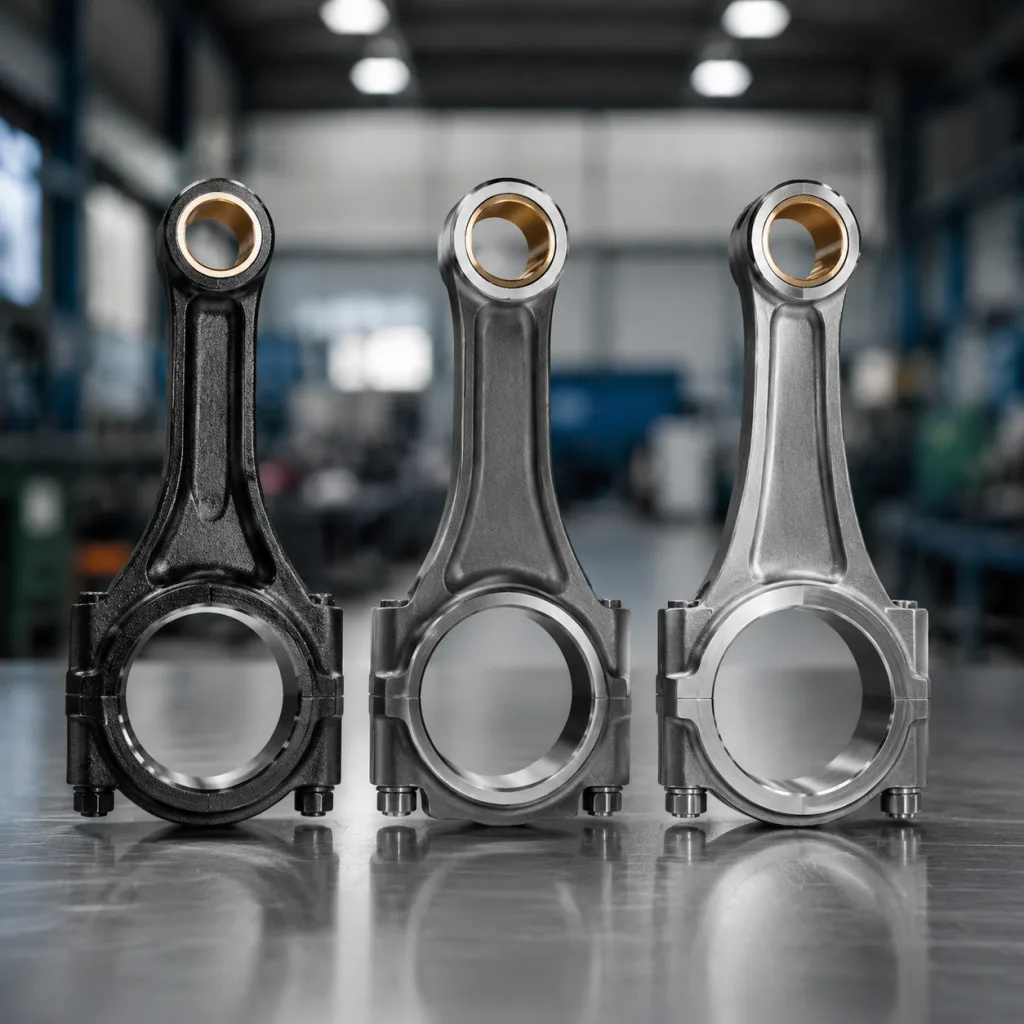
A connecting rod replacement for a Dodge Charger must match the engine family, centre-to-centre length, big-end bore, small-end bore, beam profile, and rod bolt specification. For procurement teams, the key question is not only fitment but repeatable dimensional control across batches. A supplier should be able to provide material traceability, hardness range, and inspection data that support engine rebuild and remanufacturing programmes. Driventus is an independent aftermarket manufacturer; brand names are referenced for fitment only. This article explains the main selection points for an aftermarket replacement, how OE-equivalent dimensions are verified, and what documentation buyers should request before placing volume orders. It also shows where our catalog, quality system, and custom manufacturing support fit into the sourcing process.

What matters in a Dodge Charger replacement rod

For a Dodge Charger application, the correct rod is defined by engine code, model year, and whether the unit is naturally aspirated or turbocharged. A replacement rod should match the original geometry and strength profile for the intended engine family. The main procurement checks are:

  • Centre-to-centre length
  • Big-end bore and roundness
  • Small-end bore and bush fit, if applicable
  • Beam width and offset
  • Rod bolt diameter, thread form, and clamp load
  • Weight match across the set
  • Surface finish at the cap and beam

If the engine uses powdered-metal or fracture-split designs in OE form, the aftermarket unit must still meet the same dimensional envelope even when the manufacturing route differs. For buyers comparing suppliers, ask for the measured rod weight tolerance, big-end bore after torque, and inspection method used for 100% lot release.

OE-equivalent fitment checks before purchase

Replacement parts are accepted on dimensions, not on appearance. Before ordering, confirm the engine code and OE reference used by the rebuilder or distributor. Where a cross-reference is available, it may be listed as an OE number such as OE 06A107065 in documentation for related engine families. Do not substitute by vehicle name alone.

</tr></thead><tbody> </tbody></table>For higher-volume programmes, request dimensional reports by batch and confirm the supplier’s gauge calibration records under ISO 9001:2015 and IATF 16949:2016.

Materials, heat treatment, and fatigue resistance

A connecting rod for aftermarket replacement must handle repeated tensile and compressive loads over long service intervals. Common production routes include forged steel, powdered-metal equivalents, and some cast applications for lower-load engines. For performance and heavy-duty rebuild work, the key factor is not the label but the final mechanical property set.

Typical buyer checks include:

  • Material certificate with heat number traceability
  • Hardness range after heat treatment
  • Microstructure consistency
  • Shot-peen coverage, if specified
  • Rod bolt yield and clamp retention data

Published standards relevant to procurement include IATF 16949:2016, ISO 9001:2015, REACH (EC) No 1907/2006 for substance control, and where applicable customer-specific validation programmes. Driventus can support dimensional and process control for aftermarket and remanufacturing channels without claiming OEM approval.

Validation testing for wholesale and reman programmes

A buyer should expect validation evidence before launch, especially for a replacement rod used in multi-location repair chains or export distribution. Suitable verification usually includes:

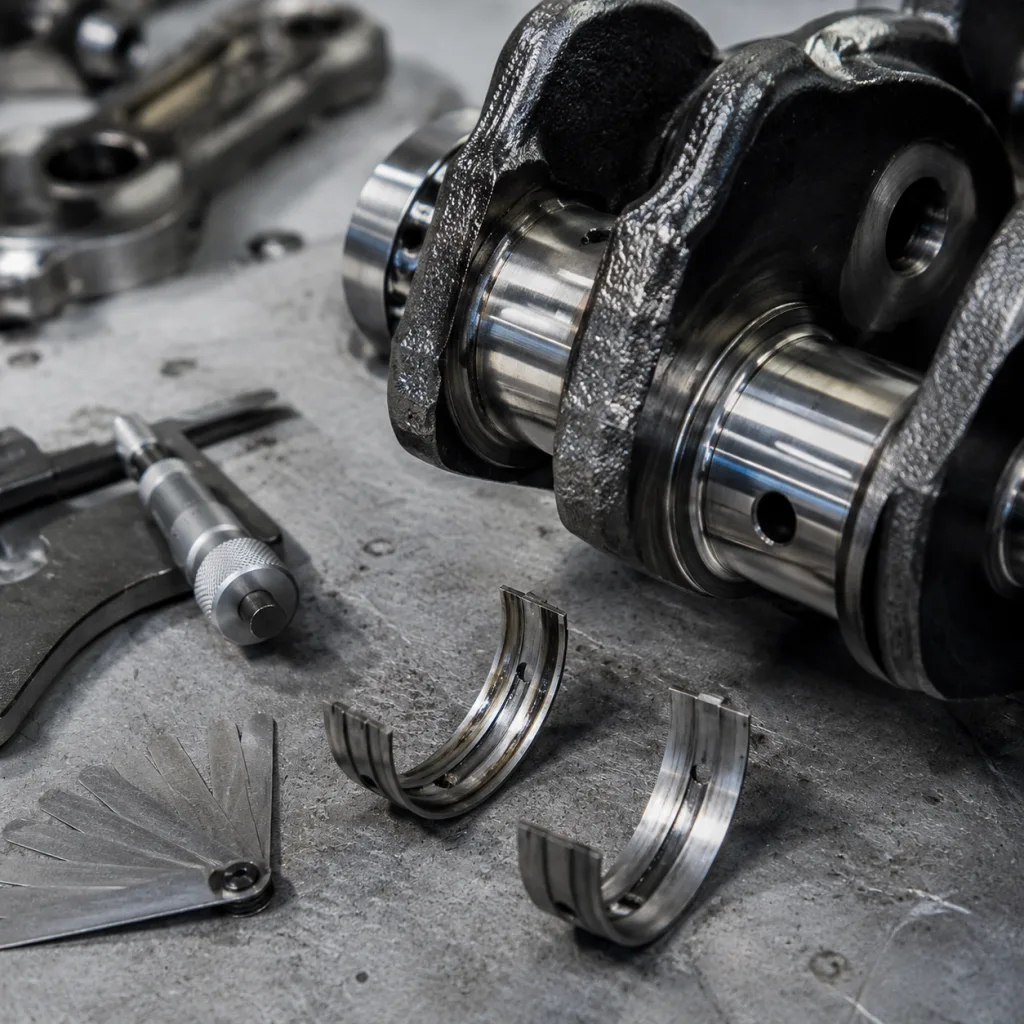
  • Dimensional inspection using CMM or dedicated gauges
  • Metallurgical review of heat-treated samples
  • Hardness testing by lot
  • Rod bolt proof load or stretch validation
  • Dynamic balance checks on matched sets
  • Packaging and rust-prevention review for shipping

For duty-cycle context, engine component validation may reference standards such as SAE J2527 in related durability environments, while emission compliance for the vehicle platform is separate from the spare part itself. A supplier should state which tests are in-house, which are outsourced, and what acceptance limits are used for pass/fail release.

If your programme requires documented inspection plans, see our quality system for certification scope and process controls.

Sourcing options and custom support

Procurement teams usually choose one of three routes: stock replacement, private label packaging, or customer-specific specification control. Stock items work for broad catalogue coverage. Private label suits distributors that need controlled branding and carton configuration. Customer-specific control is used when the rod must align with a rebuild kit or regional engine variant.

You can review our catalog and the broader engine components range for related parts such as pistons, gaskets, and crankshafts. Where a listed item does not fully match your target application, custom manufacturing can support drawings, target tolerances, and packaging requirements.

For sourcing teams, the practical questions are MOQ, lead time, sample approval, and batch traceability. Driventus supplies to aftermarket distributors, OEM and Tier-1 channels, and repair networks, with exports to 60+ countries from Taizhou, Zhejiang.

What to request before placing an order

Use a short supplier checklist to reduce returns and claims:

1. Engine-code confirmation and OE cross-reference where available 2. Dimensional drawing with tolerances 3. Material certificate and hardness report 4. Rod bolt specification and torque procedure 5. Sample set for first article approval 6. Packaging specification for corrosion control 7. Lot traceability and inspection report

For buyers comparing multiple sources, ask whether each rod is weighed individually or only by matched set, whether big-end bore is measured after final torque, and whether the supplier records gauge calibration dates. These details matter more than marketing claims when the part is going into rebuild inventory.

If you need pricing, volume supply, or drawing review, request a quote.

Short FAQ

How do I confirm the correct rod for my application? Match the engine code, OE reference, and measured dimensions. Vehicle name alone is not enough.

Can an aftermarket rod be used for rebuild work? Yes, if it matches OE-equivalent dimensions, material properties, and bolt specification, and has documented inspection data.

Do you provide custom specifications? Yes. We support drawing-based projects, packaging changes, and batch documentation through our OEM service workflow.

Frequently asked questions

Match the engine code, OE reference, and measured dimensions. Vehicle name alone is not enough.

Yes, if it matches OE-equivalent dimensions, material properties, and bolt specification, and has documented inspection data.

Yes. We support drawing-based projects, packaging changes, and batch documentation through our OEM service workflow.

For dimensional reviews, sampling, or batch supply, contact Driventus and request a quote at /contact.html.

Request a Quote
Verification item What to confirm Why it matters
Engine variantDisplacement, aspiration, model yearRod length and journal size can differ
Big-end boreMeasured after cap torquePrevents bearing crush issues
Small-end borePin fit and clearanceControls piston pin wear
Rod bolt specGrade, stretch, torque angleAffects fatigue life
Set weightIndividual and matched set valuesReduces imbalance in assembly
Surface conditionNo burrs, cracks, or machining damagePrevents early failure