Clutch Kit Volkswagen Supplier: Sourcing Guide for B2B Buyers
Choosing a clutch kit Volkswagen supplier is mainly a risk-management decision, not a catalogue exercise. Buyers need fitment consistency, predictable lead times, test evidence, and export-ready documentation. For Volkswagen platforms, small deviations in disc spline, cover height, release bearing geometry, or diaphragm load can trigger repeat returns and warranty claims. The right supplier should prove dimensional control, batch traceability, and validation against OE reference samples or approved drawings. Driventus is an independent aftermarket manufacturer; brand names are referenced for fitment only. We manufacture in Taizhou, Zhejiang and supply B2B buyers in more than 60 countries with IATF 16949:2016 and ISO 9001:2015 systems in place. If you are building an approved source list, the key is simple: confirm application coverage, ask for test data, and check whether the factory can support stable replenishment at your required MOQ and delivery window.
Start with fitment and risk checks
A supplier review for Volkswagen clutch kits should begin with the few details that prevent expensive mistakes: exact application, traceability, and process control. For each part-number family, ask for:
OE reference or cross-reference coverage, such as OE 06A107065 where applicable
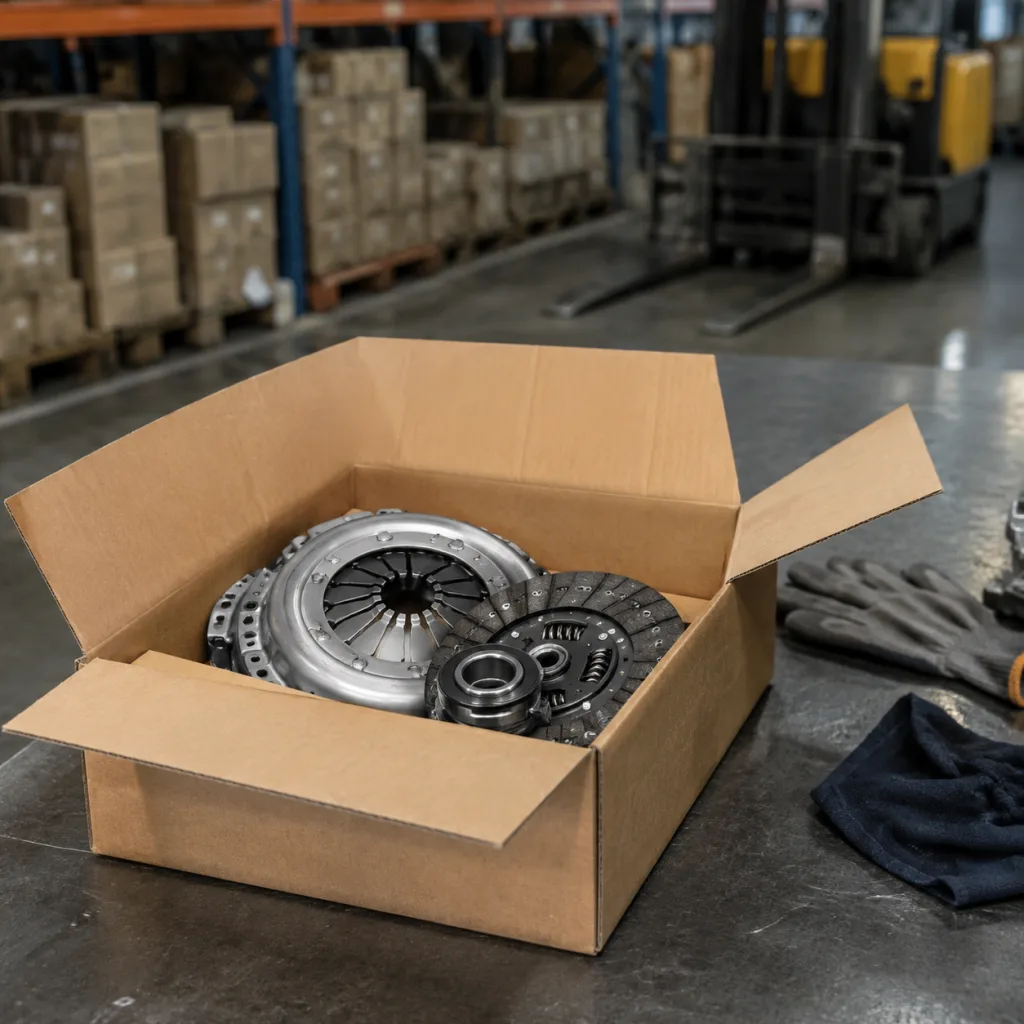
Complete kit contents: pressure plate, driven plate, release bearing, alignment tool if included
Friction material specification and rivet pattern
Spline count, hub offset, disc thickness, and cover height
Torque capacity and pedal effort data from validation testing
Country of origin marking, batch code format, and packing standard
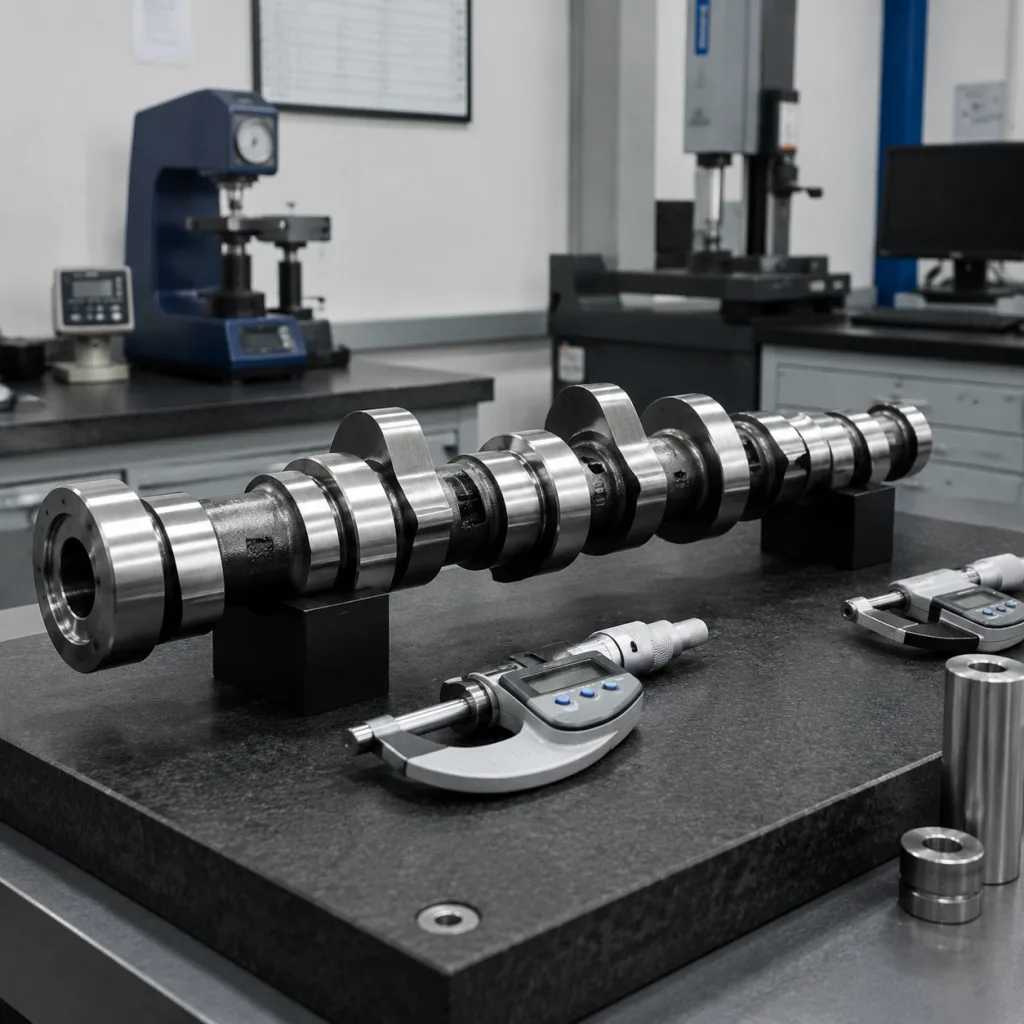
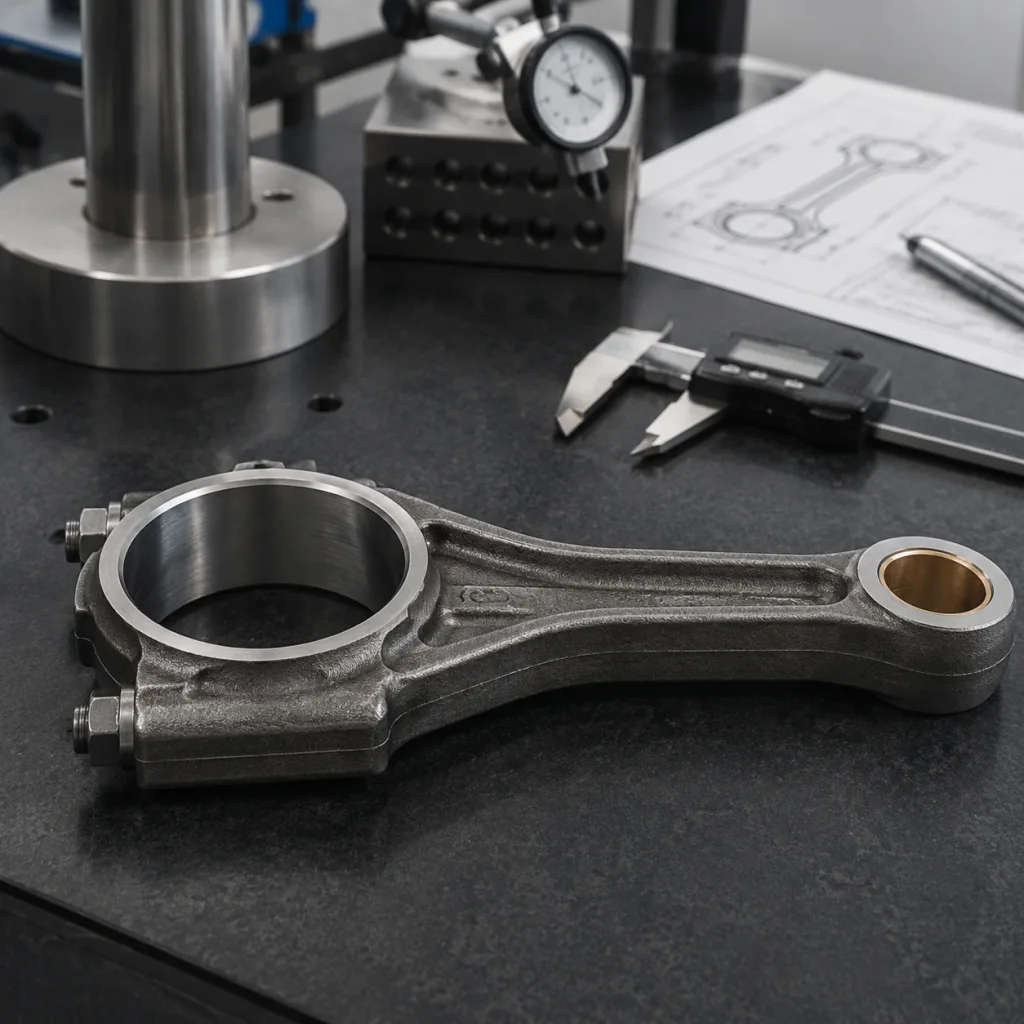
For European and UK importers, also confirm whether any REACH (EC) No 1907/2006 considerations apply to packaging, coatings, or rubber components. A serious supplier should be able to provide technical drawings, inspection reports, and photos of measuring equipment on request. Ask for the control plan itself: which dimensions are checked at incoming, in-process, and final inspection, plus the acceptance criteria for each stage. In practice, buyers should expect disc thickness tolerance within ±0.15 mm, cover height within ±0.20 mm, hub spline concentricity within 0.10 mm TIR, and assembly runout below 0.30 mm unless the application drawing states tighter limits. If the supplier cannot define the measurement method, gauge standard, and sample frequency, the part is not ready for volume supply.
Where clutch kits fail in the field
Clutch assemblies look straightforward, but they are sensitive to small process drift. The usual failure modes are not dramatic; they show up as uneven clamp load, wrong release travel, chatter, slip under torque, or premature bearing noise. Those symptoms are often linked to variation in manufacturing, not one obvious defect.
Critical control points
Disc runout and facing parallelism
Spring finger height and cover plate flatness
Diaphragm load curve consistency
Hub spline finish and concentricity
Release bearing noise and grease retention
A supplier with in-house machining, stamping, heat treatment, and final assembly can control those variables more tightly than a trading-only source. That matters when you buy for multi-location repair chains or aftermarket distributors that need low return rates and consistent install behaviour across lots. For Volkswagen applications, ask for a torque transmission margin of at least 15% above the target engine torque in the selected test condition, plus documented pedal effort at the specified release point. If the supplier only says “comfortable” or “strong” without numbers, the offer is incomplete. A workable process should include incoming checks on friction facings and springs, 100% visual inspection at final pack-out, and sampling at AQL 1.0 or tighter for critical dimensions when the order is for export distribution.
Compare cost, MOQ, and lead time
For B2B buyers, sourcing success depends on how the factory handles demand swings, not just on the headline price. Ask for standard MOQ by SKU family, sample lead time, bulk production lead time, and carton packing quantity. If you manage regional stocking, confirm whether the supplier can hold safety stock or support mixed-SKU export consolidation.
Buying point
What to confirm
Why it matters
MOQ
Per SKU and per kit family
Affects inventory risk
Lead time
Sample and mass production
Supports launch dates
Packing
Carton quantity and pallet pattern
Reduces freight damage
Traceability
Batch code and inspection record
Simplifies claims handling
Incoterms
FOB, CIF, or DAP options
Clarifies landed cost
</tr></thead><tbody> </tbody></table>If you need custom cartons, barcodes, or language-specific labels, this is where custom manufacturing becomes useful. Buyers with broad vehicle coverage can also review our catalog before shortlisting a source. For standard catalogue kits, common MOQ ranges are often 300-500 sets per part number, while mixed orders across multiple Volkswagen references may be accepted at 1,000 sets total if the pack format is shared. Sample lead time is usually 7-14 days for stock patterns and 20-30 days for new tooling validation; mass production lead time typically runs 30-45 days after deposit and artwork approval. If your business needs forecast-based replenishment, ask for a rolling 60-90 day supply plan with weekly shipment release windows and a defined buffer stock level of 2-4 weeks for fast movers. Pricing should be judged on landed cost per set, not unit price alone: compare EXW/FOB price, carton efficiency, and the cost impact of short shipments, split orders, or urgent air freight when stockouts occur.
Check the validation pack, not the slogan
A credible clutch kit Volkswagen supplier should document process capability and product validation. At minimum, request current certificates for IATF 16949:2016 and ISO 9001:2015, plus a sample inspection pack that shows dimensional checks and functional testing.
Useful evidence includes:
First article inspection reports
Incoming material inspection records
Dynamic balance data for rotating parts where applicable
Clamp load or torque transmission test results
Salt spray or corrosion resistance data for plated components
For friction and durability testing, buyers often ask for SAE J2527 when contamination or endurance simulation is relevant, and for application-specific roadworthiness references where the market requires them. Do not accept vague statements about “OEM quality” without measurements, test conditions, and sample dates. Driventus is an independent aftermarket manufacturer; brand names are referenced for fitment only. A useful validation pack should also state the sample quantity, test rig, test speed, torque input, slip temperature, and pass/fail thresholds. For example, buyers can request 10-cycle clamp-load verification, 200-500 km road confirmation on representative vehicles, or dyno testing at 80%-100% of rated load for at least 30 minutes per cycle, depending on the programme. Where warranty exposure is high, ask for MSA or gauge repeatability data on the key dimensions and keep the approved reference sample sealed against the retained production lot.
How Driventus fits buyer programs
We supply clutch kits as part of a wider powertrain portfolio, which helps buyers consolidate vendors and reduce administration. Our Taizhou plant supports machining, assembly, and export packing under controlled procedures. That gives procurement teams one technical contact for fitment review, one quality contact for document packs, and one commercial contact for shipping schedules.
When a programme needs platform-specific changes, we can discuss custom clutch cover markings, carton artwork, kit composition, and export labelling through custom manufacturing. For buyers expanding to adjacent engine and driveline lines, our catalog also helps align clutch sourcing with other fast-moving SKUs. Where an application overlaps with engine-component sourcing, engine components may help consolidate your supplier base. In practice, a buyer can start with an RFQ that lists vehicle range, engine code, transmission type, annual demand, target pack configuration, required certificates, and desired shipment terms. We then confirm drawing match, propose the closest catalogue or custom kit structure, and align the commercial quote to either a trial order, a pilot batch, or a recurring production schedule. For stable programs, it is efficient to define a fixed quarterly call-off quantity, a minimum safety stock, and a defect response path that includes 8D reporting, photo evidence, and replacement shipment timing within the agreed service window.
Frequently asked questions
Yes. We work from OE cross-references where they are provided by the buyer or referenced in the application list. We do not claim vehicle manufacturer approval, and brand names are used for fitment only. For each cross-reference, we can confirm disc diameter, spline count, hub type, cover height, and release bearing style before quotation so the buyer can check the match against the target platform.
Typical documents include IATF 16949:2016 and ISO 9001:2015 certificates, inspection reports, packing details, and batch traceability records. Additional test data can be shared by SKU on request. If needed, we can also provide a packing list template, commercial invoice details, carton marks, and photos of the packed set so the importer can complete customs, warehouse receiving, and distributor labeling checks without rework.
MOQ depends on the part family, packing format, and whether the order is a standard or custom programme. Share your target volume and market, and we will confirm the most efficient production plan. As a practical guide, standard kits are often quoted with 300-500 sets per SKU, while mixed-family trial orders may be structured around a larger combined quantity if the packaging and components can be scheduled together.
If you are qualifying a new source or comparing multiple suppliers, send your target applications and annual volume. Use [request a quote](/contact.html) to start the review. Include the OE reference, target annual usage, required ship-to terms, preferred pack size, and any must-have documents so we can return a technically comparable offer with lead time and MOQ confirmed.