clutch kit · 2026-06-07

Clutch Kit Toyota Supplier for B2B Sourcing

Choosing a clutch kit Toyota supplier is a technical sourcing decision, not just a price comparison. Importers, distributors and category buyers need stable friction performance, correct spline and diaphragm geometry, reliable release bearing matching and documentation that can stand up to customer audits. For Toyota-fitment aftermarket programs, the biggest sourcing risk is often variant control: engine code, transmission type, market region, model year and push-type or pull-type release mechanism can all change the correct kit content. Driventus manufactures engine and powertrain components in Taizhou, Zhejiang, and supplies B2B customers in more than 60 countries. Our clutch kit sourcing process is built around application confirmation, sample validation, incoming material controls and batch-level traceability. Driventus is an independent aftermarket manufacturer; Toyota and other vehicle brand names are referenced for fitment identification only. This guide explains what procurement teams should verify before placing a clutch kit order for Toyota applications.

Supplier Qualification Criteria for Toyota-Fitment Kits

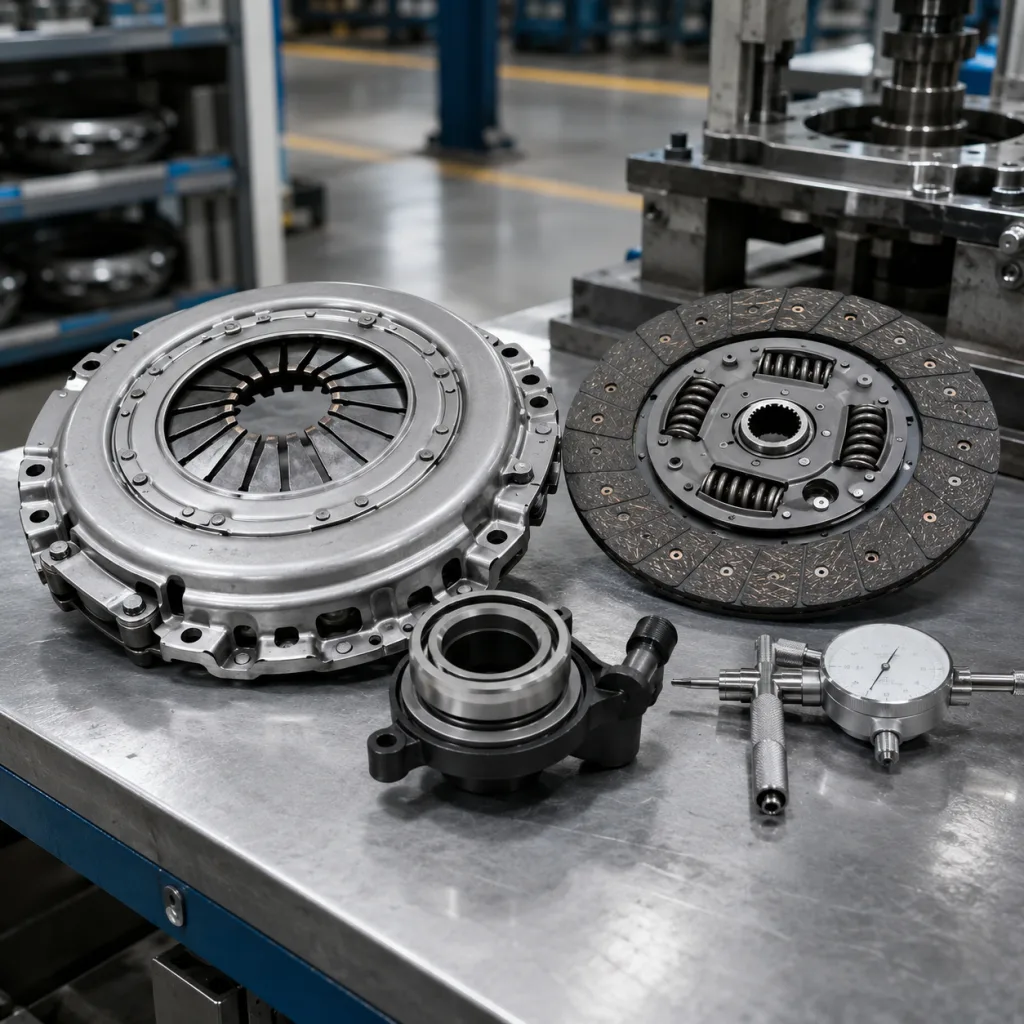
A clutch program should be evaluated as a matched assembly, not as three unrelated parts packed in the same carton. The pressure plate, driven disc and release bearing must operate together under the intended clamp load, travel range and engagement characteristics. If one component is selected from the wrong application range, the whole kit can create installation complaints even when each individual part looks acceptable.

For Toyota-fitment clutch kits, supplier qualification starts with application mapping. Buyers should provide the target vehicle platform, engine displacement, engine code where available, transmission code if known, production years, market region and any existing aftermarket reference numbers. OE part-number cross-references can help identify the application, but they should be treated as fitment references only, not as claims of vehicle manufacturer approval.

A practical supplier file should include:

  • IATF 16949:2016 or ISO 9001:2015 certification status and certificate scope
  • Bill of materials for the pressure plate, driven disc, release bearing and alignment tool where included
  • Friction material type, hub spline count, disc outside diameter and cover bolt pattern
  • Batch traceability method for steel, friction facings, springs and bearing lots
  • Sample inspection report before mass production release
  • Packaging specification for ocean freight, pallet loading and barcode labelling
  • Corrective action process for field returns and inbound inspection failures

Driventus supports buyers through our catalog for standard aftermarket references and through custom manufacturing when a program requires private-label packaging, regional application consolidation or a controlled bill of materials.

Core Specifications to Confirm Before Quotation

A complete request for quotation helps the supplier price the correct assembly and prevents unsuitable samples. The most common clutch kit sourcing errors include incorrect spline count, wrong release bearing height, mismatched pressure plate bolt pattern and confusion between petrol and diesel torque requirements. On older or region-specific Toyota applications, small production changes can also affect release geometry and kit contents.

</tr></thead><tbody> </tbody></table>Where possible, buyers should send a physical sample or approved drawing for the target kit. When neither is available, a structured cross-reference file can be used, but it must be checked against the exact application range and destination market. A clutch kit Toyota supplier should separate fitment confirmation from commercial quotation so the quoted price is based on the correct assembly rather than a similar-looking kit.

Quality System, Testing and Audit Readiness

Clutch kits are high-complaint-risk products because failures are immediately visible to installers and drivers. A kit may pass a visual check but still fail because of low clamp load, poor balance, noisy bearing operation, contamination, weak rivet control or incorrect release geometry. Supplier qualification therefore needs to examine process controls as well as final inspection.

Driventus operates under IATF 16949:2016 and ISO 9001:2015 management principles. Buyers can review our quality system when assessing supplier control points, traceability and documentation readiness. For aftermarket export programs, relevant compliance topics may also include REACH (EC) No 1907/2006 for substances of very high concern, plus customer-specific packaging, warning-label or recycling rules in the destination market.

Typical validation and inspection controls include:

  • Incoming inspection of steel stampings, friction facings, springs and bearings
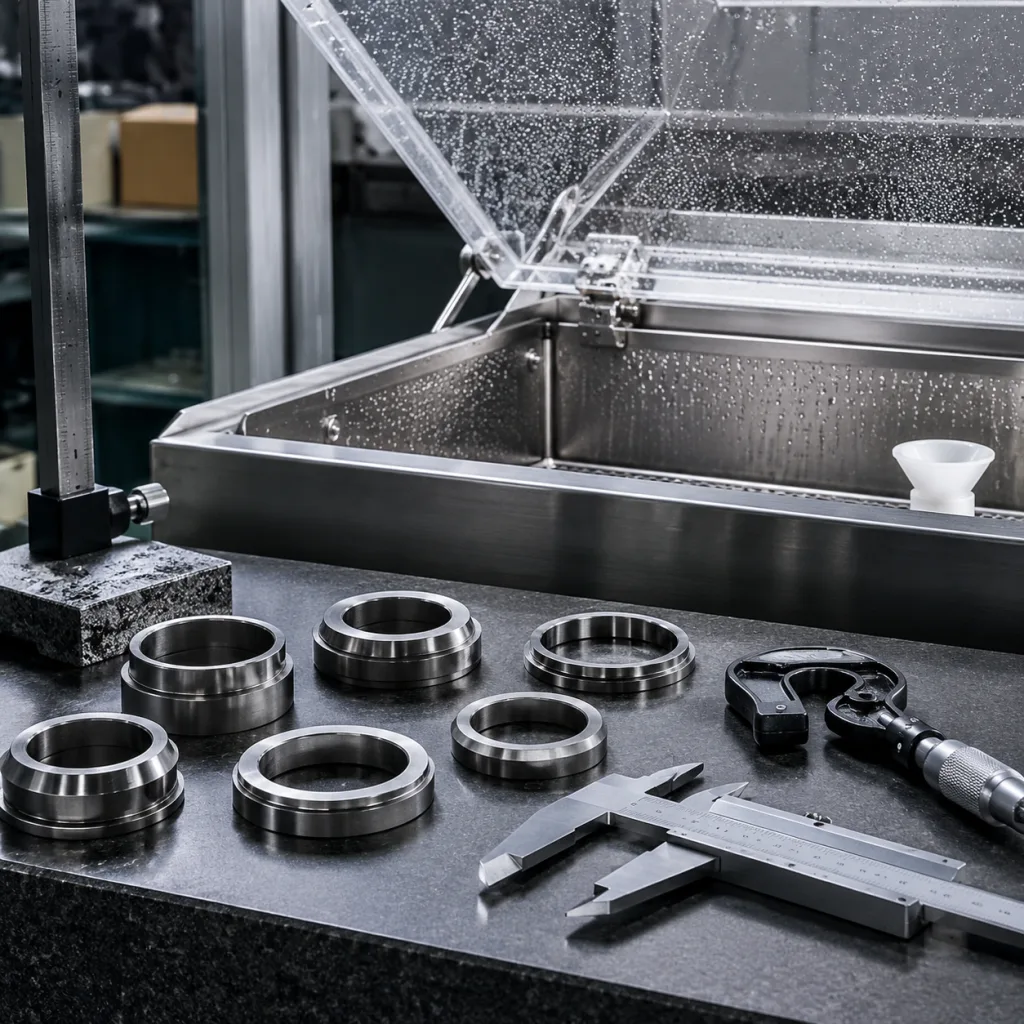
  • Dimensional checks for disc diameter, spline profile, cover height and bolt holes
  • Clamp load and diaphragm spring characteristic checks
  • Driven disc runout and balance verification
  • Release bearing rotation, noise and height inspection
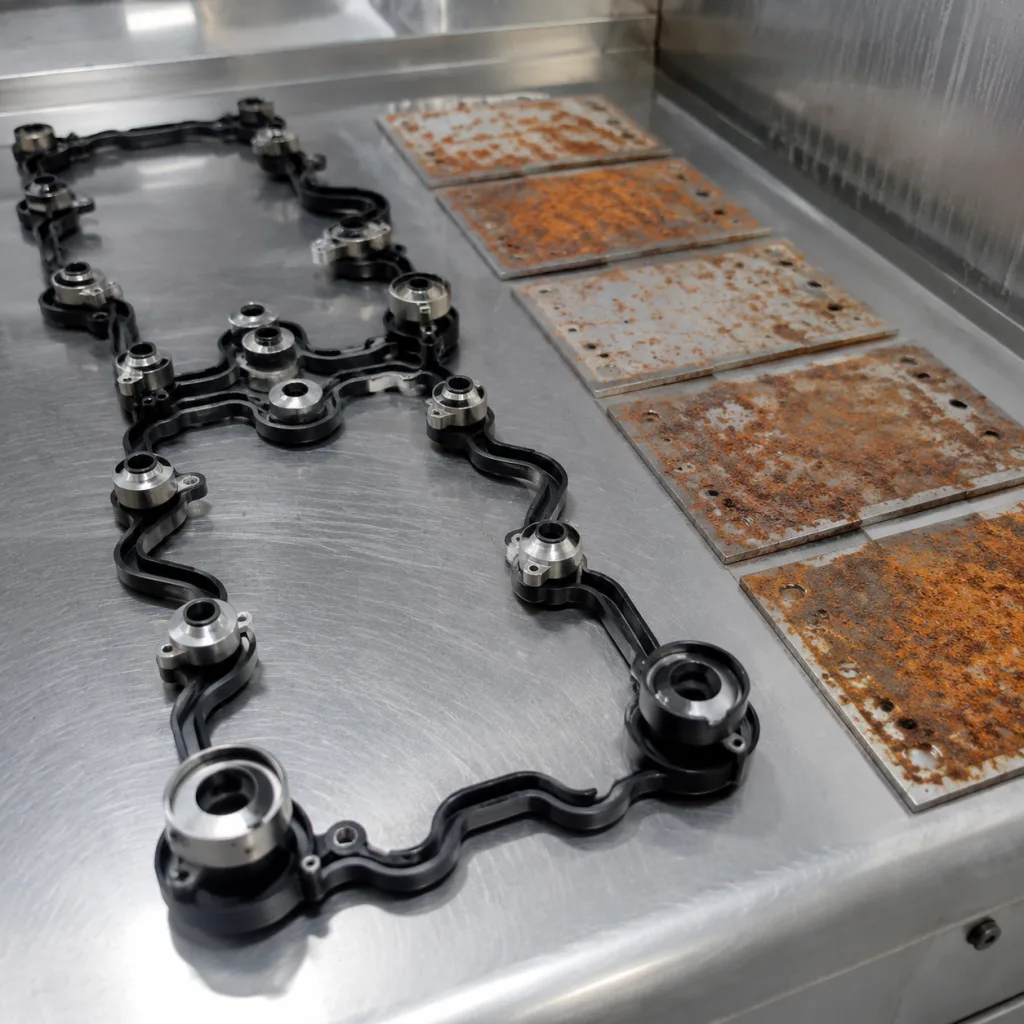
  • Salt spray or coating checks where corrosion resistance is specified
  • Final kit content verification before carton sealing

For larger programs, buyers should request a control plan, process flow chart and sample inspection report. A factory audit can also review storage conditions for friction materials, traceability records, nonconforming product handling, calibration status and packaging line controls. These records matter when an importer must explain a claim to a chain account, fleet customer or regional distributor.

MOQ, Lead Time and Production Planning

MOQ and lead time depend on whether the clutch kit is an existing catalog item, a private-label assembly or a new development project. A distributor ordering mature Toyota-fitment references should expect a different planning cycle from a Tier-1 buyer requesting drawings, PPAP-style documentation, dedicated packaging and tighter approval gates.

For standard clutch kits, procurement teams usually need to confirm carton artwork, label format, pallet requirements and destination documents before production starts. For private-label programs, the longest early-stage tasks are often packaging approval and application list confirmation, not stamping or assembly. Clean data at the beginning can remove weeks of avoidable back-and-forth.

A typical planning framework is:

  • Existing catalog reference: sample availability subject to stock; production lead time commonly 30-60 days after order confirmation and packaging approval
  • Private-label standard kit: additional time for carton, label and instruction sheet confirmation
  • New or revised kit: sample tooling, fitment verification and validation schedule required before mass production
  • Repeat container order: shorter planning cycle when the bill of materials and packaging are locked

MOQ should be discussed by SKU and by shipment plan. Low-volume references may be consolidated into a mixed container, while high-turnover kits can be packed in full-pallet quantities to simplify warehouse handling. Buyers can request a quote with the application list, annual forecast and preferred Incoterms so that the commercial offer reflects real logistics conditions rather than an isolated unit price.

Documentation for Importers and Multi-Location Buyers

Import managers, wholesalers and repair-chain category teams need documentation that reduces downstream disputes. The most useful files are not always the longest ones. They are the files that make receiving inspection, catalog mapping, warehouse handling and installer support consistent across locations.

Recommended documentation package:

  • Product data sheet with kit contents and application range
  • Dimensional inspection report for first samples
  • Packaging drawing or carton proof
  • Batch number format and traceability explanation
  • Certificate copies for IATF 16949:2016 or ISO 9001:2015 where applicable
  • Material compliance statement for REACH (EC) No 1907/2006 where requested
  • Installation note or handling warning when required by the buyer
  • Nonconformance and claim handling procedure

For wholesalers, barcode and carton consistency can be as important as the product itself. A mislabelled kit can create returns even when the components are correct. For repair chains, stable pedal feel and predictable release bearing operation reduce installer complaints. For OEM and Tier-1 support projects, the documentation burden is higher, and buyers should define sample approval gates, change-control rules and claim response expectations before placing production orders.

Driventus is an independent aftermarket manufacturer; brand names are referenced for fitment only. We do not claim approval or endorsement by any vehicle manufacturer.

How to Shortlist a Clutch Kit Toyota Supplier

A structured shortlist should compare suppliers on more than unit cost. The lowest quotation can become expensive if the kit has a high return rate, unclear application coverage, weak packaging or slow claim response. Buyers should look for evidence that the supplier understands both the mechanical assembly and the commercial realities of aftermarket distribution.

Use a simple procurement scorecard:

Specification item Why it matters for procurement Typical evidence to request
Disc outside diameterDetermines torque capacity and flywheel matchDimensional report and sample photos
Hub spline count and shaft diameterConfirms gearbox input shaft fitmentGauge record or spline inspection data
Pressure plate clamp loadAffects pedal feel, slip margin and wearLoad test result by batch or sample
Diaphragm spring travelPrevents incomplete release or excessive pedal effortFunctional travel curve
Release bearing type and heightControls disengagement geometryBearing drawing and fitment check
Friction facing materialAffects NVH, durability and engagementMaterial description and internal validation data
Packaging and kit contentsReduces warehouse disputes and return claimsPacking list, carton artwork and label template

</tr></thead><tbody> </tbody></table>For a new supplier relationship, start with a limited application range and validate samples through receiving inspection and installation feedback. Once the data is stable, extend the range to higher-volume references and repeat orders. This approach gives the buyer measurable evidence before committing to a wider Toyota-fitment clutch program and helps the supplier lock the bill of materials, packaging and inspection records around proven demand.

Frequently asked questions

Provide the vehicle model range, engine size, engine code if available, transmission code, model years, market region, kit contents, annual forecast, packaging requirements and any existing aftermarket reference. Photos, drawings or physical samples improve fitment confirmation.

Yes. Driventus can support private-label cartons, labels and kit configuration for B2B buyers, subject to MOQ, artwork approval and application confirmation. Custom manufacturing projects require sample validation before mass production.

No. Driventus is an independent aftermarket manufacturer; brand names are referenced for fitment only. OE and vehicle references are used to help buyers identify compatible aftermarket applications.

For clutch kit sourcing, send your application list, forecast, packaging requirements and target delivery market. Our team can review the program and respond with technical and commercial details at /contact.html

Request a Quote
Evaluation area Strong supplier response Procurement risk if weak
Application confirmationUses engine, gearbox and market data before quotingWrong kit supplied for regional variants
Quality certificationProvides valid IATF 16949:2016 or ISO 9001:2015 documentationAudit delays and customer rejection risk
Sample validationSupplies inspection data with samplesFitment and performance issues found late
MOQ flexibilitySupports mixed-SKU planning for distributorsExcess inventory in slow-moving references
Packaging controlConfirms artwork, labels and pallet layout before productionReceiving errors and carton damage
Corrective actionProvides traceable claim processRepeated issues without root-cause closure