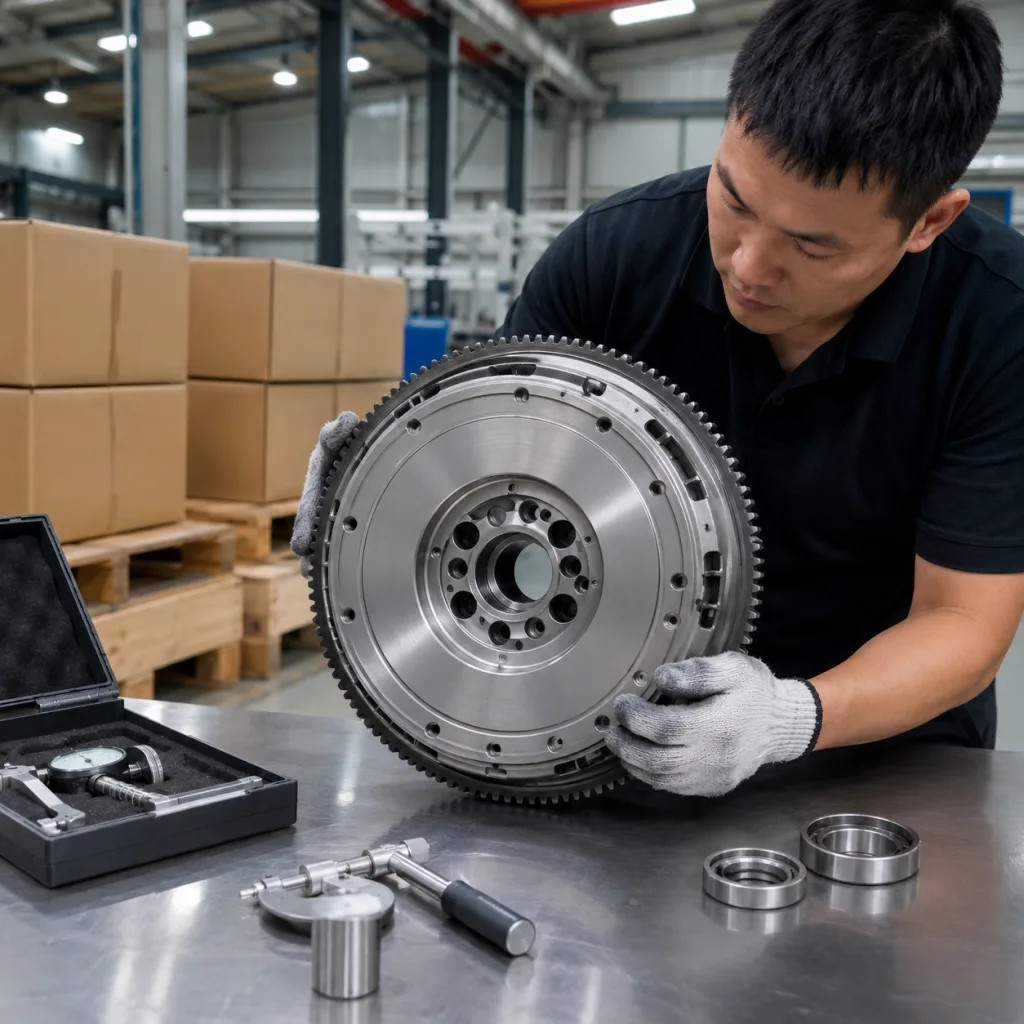
Sourcing a clutch kit for Skoda applications is more than a price comparison. Importers and category buyers need evidence that the supplier can hold friction performance, diaphragm spring load, spline accuracy, release bearing fit, and packaging consistency across repeat orders. For Skoda-fit aftermarket programmes, the commercial questions are equally specific: can the factory support mixed references, stable MOQ, private-label packaging, inspection records, and shipment documentation for EU, UK, North American, Australian, and Brazilian markets? Driventus manufactures engine and powertrain components in Taizhou, Zhejiang, and supplies B2B customers that require documented production control rather than spot-market trading. This guide explains how procurement teams can evaluate Driventus as a clutch kit Skoda OEM supplier for independent aftermarket sourcing, including audit points, lead-time assumptions, certification review, and the information needed to quote accurately. Driventus is an independent aftermarket manufacturer; brand names are referenced for fitment only.
What Buyers Should Define Before RFQ
A clear RFQ reduces sampling delays and avoids quoting a clutch kit that fits the vehicle but not the customer programme. For Skoda applications, the buyer should provide the vehicle platform, engine code where available, transmission type, driven plate diameter, spline count, release mechanism, and whether the kit requires a concentric slave cylinder or conventional release bearing.
The minimum RFQ pack should include:
Target vehicle fitment range and market region
OE cross-reference pattern if available, for example OE 06A107065 only when the reference is relevant to the project data
Disc outside diameter, hub profile, spline count, and spline major diameter
Cover assembly type and diaphragm spring load target
Release bearing or CSC requirement
Annual forecast, first order quantity, and expected call-off pattern
Packaging requirement: neutral, distributor brand, or private label
Required inspection documents, test reports, and certificate copies
Buyers can review our catalog to understand the broader Driventus powertrain range before narrowing the RFQ to clutch kits. If the required reference is not in an active catalogue listing, custom manufacturing can be assessed using samples, drawings, or validated benchmark parts.
Supplier Qualification Criteria for Skoda-Fit Clutch Kits
A supplier evaluation should separate commercial responsiveness from manufacturing control. Fast quotation is useful, but clutch kit sourcing depends on repeatability across friction material batches, stamping, heat treatment, machining, balancing, and final assembly.
Evaluation area
What procurement should request
Why it matters
Certification
IATF 16949:2016 and ISO 9001:2015 certificate scope
Confirms automotive quality management coverage
Process control
Control plan, process flow, PFMEA summary if applicable
Clamp load, release travel, torque capacity, burst resistance where applicable
Verifies clutch engagement and durability targets
Traceability
Batch number, material lot, production date, operator or line record
Supports containment and corrective action
Packaging validation
Drop test method, corrosion protection, label format
Protects mixed shipments and warehouse handling
Compliance support
REACH (EC) No 1907/2006 material declaration where relevant
Supports import documentation for EU buyers
</tr></thead><tbody> </tbody></table>Driventus operates under a documented quality system aligned with automotive supply expectations. For buyers that require a remote or on-site factory audit, the audit agenda should include incoming material inspection, friction material storage, rivet setting, cover assembly load testing, final inspection, packaging control, and nonconforming product handling.
MOQ, Lead Time, and Programme Structure
For a clutch kit Skoda OEM supplier programme, MOQ depends on reference mix, kit complexity, packaging, and whether tooling or validation work is required. A mature aftermarket reference with existing components normally has a lower MOQ than a new development requiring new cover tooling, disc hub tooling, or release bearing validation.
Typical commercial structure for distributor sourcing:
Existing reference, neutral packaging: lower MOQ by part number, subject to current component availability
Existing reference, private-label packaging: MOQ affected by carton, label, instruction sheet, and pallet marking requirements
New reference using buyer sample: MOQ includes sampling, validation, and first production planning
Multi-reference launch order: MOQ may be managed by total order value and component commonality
Forecast-based supply: rolling forecast improves material planning and reduces emergency freight cost
Lead time should be discussed in two parts. Sampling lead time covers teardown, measurement, engineering review, prototype assembly, and testing. Mass production lead time covers material procurement, production scheduling, inspection, packaging, and export booking. For repeat orders, stable forecasts and approved artwork are usually the most effective ways to reduce cycle time.
For container or LCL consolidation, buyers should also define carton strength, pallet height, mixed-SKU labelling, and destination compliance documents at the RFQ stage. This is especially important for import managers supplying multi-location repair chains, where picking accuracy is as important as unit cost.
Technical Checks Before Approving Samples
Sample approval should not rely only on visual comparison. A clutch kit may look correct but fail because the release bearing height, hub offset, or cover clamp load is outside the acceptable range. Buyers should use a sample approval checklist that combines dimensions, function, and installation fit.
Sample inspection list
Driven plate outside diameter and thickness under specified load
Hub spline count, spline fit, and axial movement
Torsion damper spring layout and free movement
Cover assembly mounting hole position and dowel alignment
Diaphragm finger height and variation across the spring tips
Clamp load curve and release load curve
Pressure plate surface finish and flatness
Release bearing dimensions, rotation feel, and retaining interface
Kit completeness: disc, cover, bearing or CSC, bolts where specified, instruction sheet if required
Where applicable, procurement teams should ask the supplier to keep a golden sample after approval. This gives both sides a fixed reference for future production lots, packaging checks, and claim analysis. Golden samples are particularly useful when a distributor is sourcing multiple Skoda-fit clutch kits across petrol and diesel applications.
Quality Documentation and Market Requirements
A professional aftermarket clutch kit programme needs documents that are useful for customs, internal approval, and warranty control. The required file set will vary by customer, but buyers should define it before purchase order release.
Common documentation includes certificate copies for IATF 16949:2016 and ISO 9001:2015, dimensional inspection reports, functional test summaries, material declarations where required under REACH (EC) No 1907/2006, packing lists, carton labels, and batch traceability records. If the buyer has a supplier manual, Driventus can review inspection frequency, AQL expectations, corrective action format, and packaging rules before order confirmation.
Clutch kits are not approved or endorsed by vehicle manufacturers unless a formal OE supply relationship exists. For independent aftermarket supply, fitment references are used to identify application compatibility. Driventus is an independent aftermarket manufacturer; brand names are referenced for fitment only.
For Brazil, North America, the UK, Australia, and the EU, importers should also check local labelling language, country-of-origin marking, and warehouse barcode requirements. These details are not difficult to manage, but they must be frozen before packaging production starts.
How Driventus Supports OEM-Style Aftermarket Supply
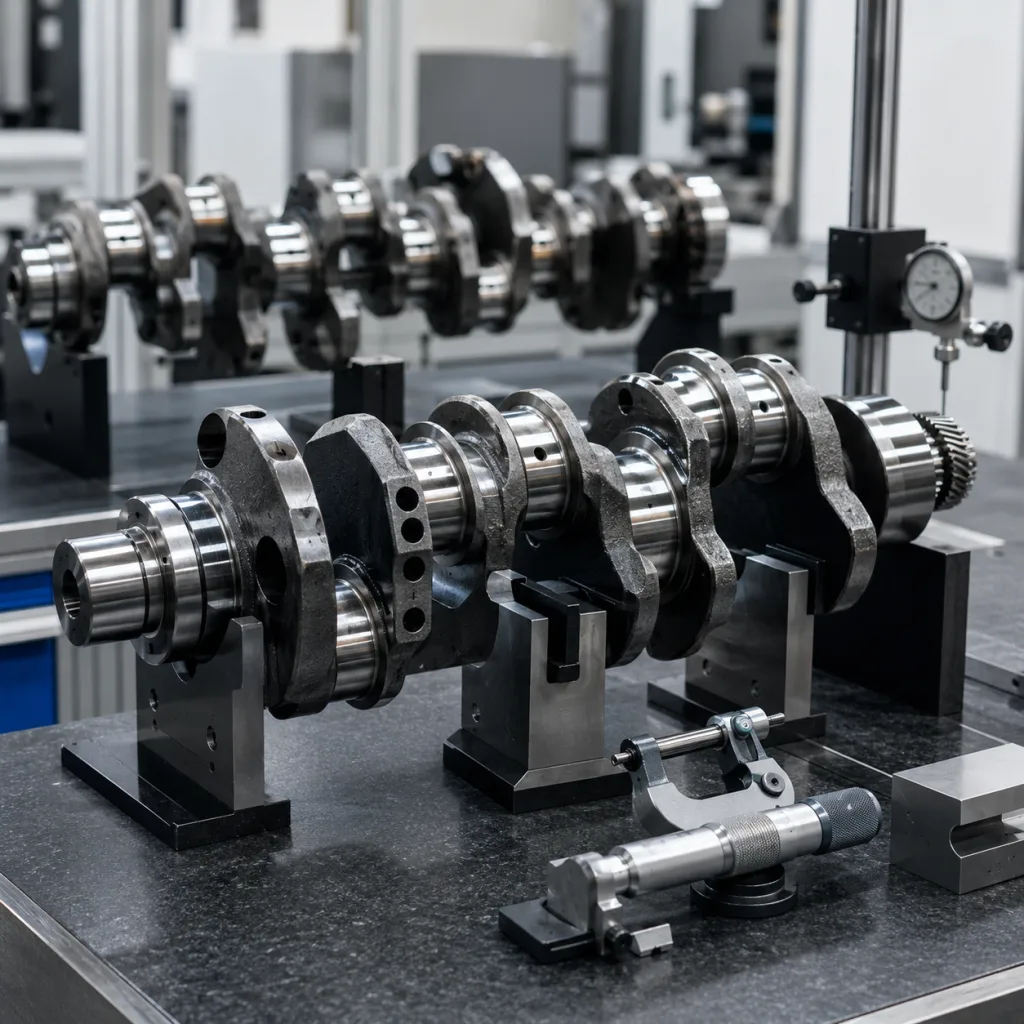
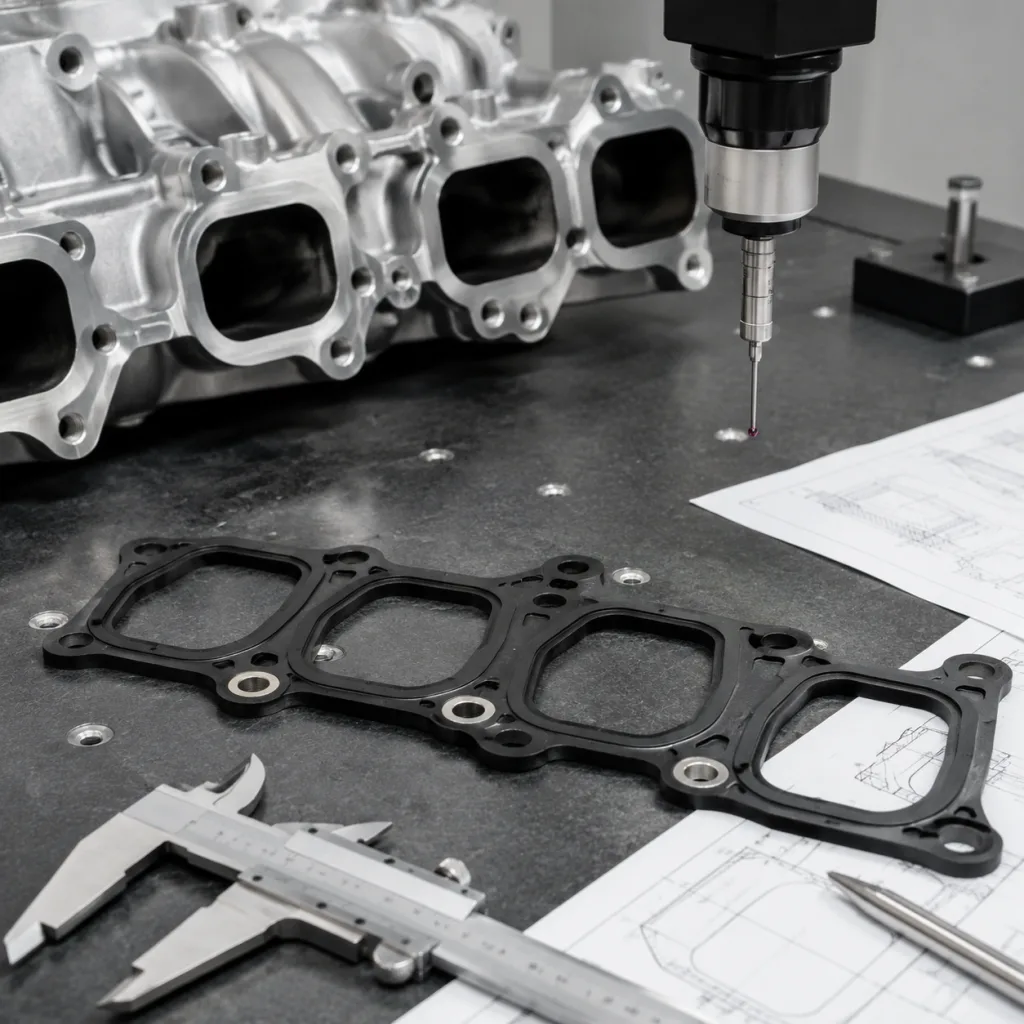
Driventus is vertically integrated across major engine and powertrain components, including pistons, crankshafts, gaskets, water pumps, turbochargers, and related assemblies. For clutch kit sourcing, this manufacturing background supports supplier discussions that are technical, not only transactional.
A typical sourcing path is:
1. Buyer sends fitment list, sample, drawing, or cross-reference data. 2. Driventus reviews feasibility, component availability, MOQ, and target lead time. 3. Engineering confirms critical dimensions and testing requirements. 4. Samples are produced or selected from approved production references. 5. Buyer completes installation, bench, or internal validation. 6. Packaging, labelling, inspection documents, and shipment terms are confirmed. 7. Mass production begins with batch traceability and final inspection records.
This structure is suitable for wholesalers adding Skoda coverage, Tier-1 or OEM-service buyers needing controlled outsourced production, and repair-chain suppliers that require stable replenishment. To start evaluation, send the fitment list, forecast, packaging requirement, and target market documents through request a quote.
Frequently asked questions
Yes. Private-label supply can be reviewed for approved references or new developments. MOQ depends on the part number mix, packaging artwork, carton specification, and forecast. Buyers should provide label rules, barcode format, country-of-origin marking, and any warehouse requirements during RFQ.
Procurement teams should request certificate copies for IATF 16949:2016 and ISO 9001:2015, plus process control and inspection records relevant to the quoted product. REACH (EC) No 1907/2006 declarations may also be required for EU import documentation.
No. Driventus does not claim approval or endorsement by any vehicle manufacturer for independent aftermarket clutch kits. Brand names and application references are used only to identify fitment. Driventus is an independent aftermarket manufacturer; brand names are referenced for fitment only.
For a controlled clutch kit sourcing review, send your fitment list, target annual volume, packaging requirements, and destination market to Driventus. Start the RFQ process at /contact.html