Clutch Kit Peugeot Replacement: B2B Fitment Guide
Demand for Peugeot clutch replacement remains steady across ageing European vehicle parc, urban stop-start use, diesel torque loads, and scheduled fleet maintenance. For distributors, importers, and repair-chain buyers, the sourcing decision is about more than unit cost. A clutch kit Peugeot replacement programme has to match OE-style geometry, release load, friction behaviour, spline specification, and installation hardware so workshops can complete repairs without rework or avoidable claims. This guide outlines the procurement checks that matter when building or reviewing a Peugeot clutch kit range: dimensional conformity, application validation, material control, packaging, documentation, and after-sales traceability. It is written for B2B buyers comparing independent aftermarket supply with OE service-channel parts. Driventus is an independent aftermarket manufacturer; Peugeot and other brand names are referenced for fitment identification only. Buyers can review related engine and powertrain items in [our catalog](/products.html) and use this guide to define a consistent incoming inspection standard across multiple Peugeot applications.
Fitment Scope and OE-Equivalent Matching
Peugeot applications include compact passenger cars, crossovers, light commercial vehicles, and diesel platforms where clutch diameter, hub spline, release bearing type, and pressure plate clamp load can vary by engine code, gearbox code, production year, and flywheel design. A replacement kit should therefore be specified through application data, sample comparison, and OE or aftermarket part-number cross-reference where available. Interchange numbers are useful for catalogue alignment, but they should not replace dimensional verification or controlled sample approval.
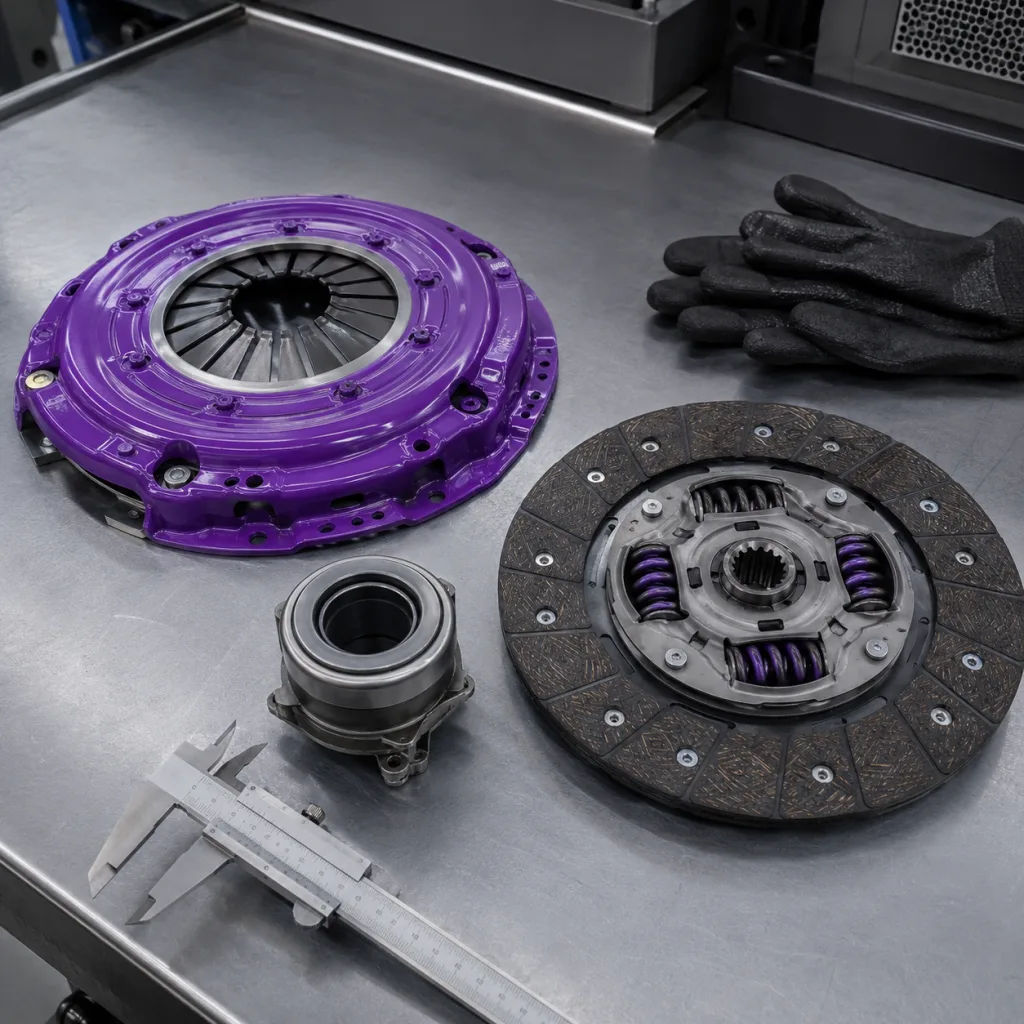
For procurement, the kit definition normally includes:
- Clutch cover assembly with diaphragm spring
- Driven disc with friction facings, damper springs, and splined hub
- Release bearing or concentric slave cylinder, depending on vehicle design
- Alignment tool where required by the programme
- Bolts or installation accessories if specified by the buyer
OE-equivalence means the part is designed to fit and function as a service replacement for the stated application. It does not mean vehicle manufacturer approval, endorsement, or OE supply status. Driventus is an independent aftermarket manufacturer; brand names are referenced for fitment identification only.
Critical Dimensions to Verify Before Purchase
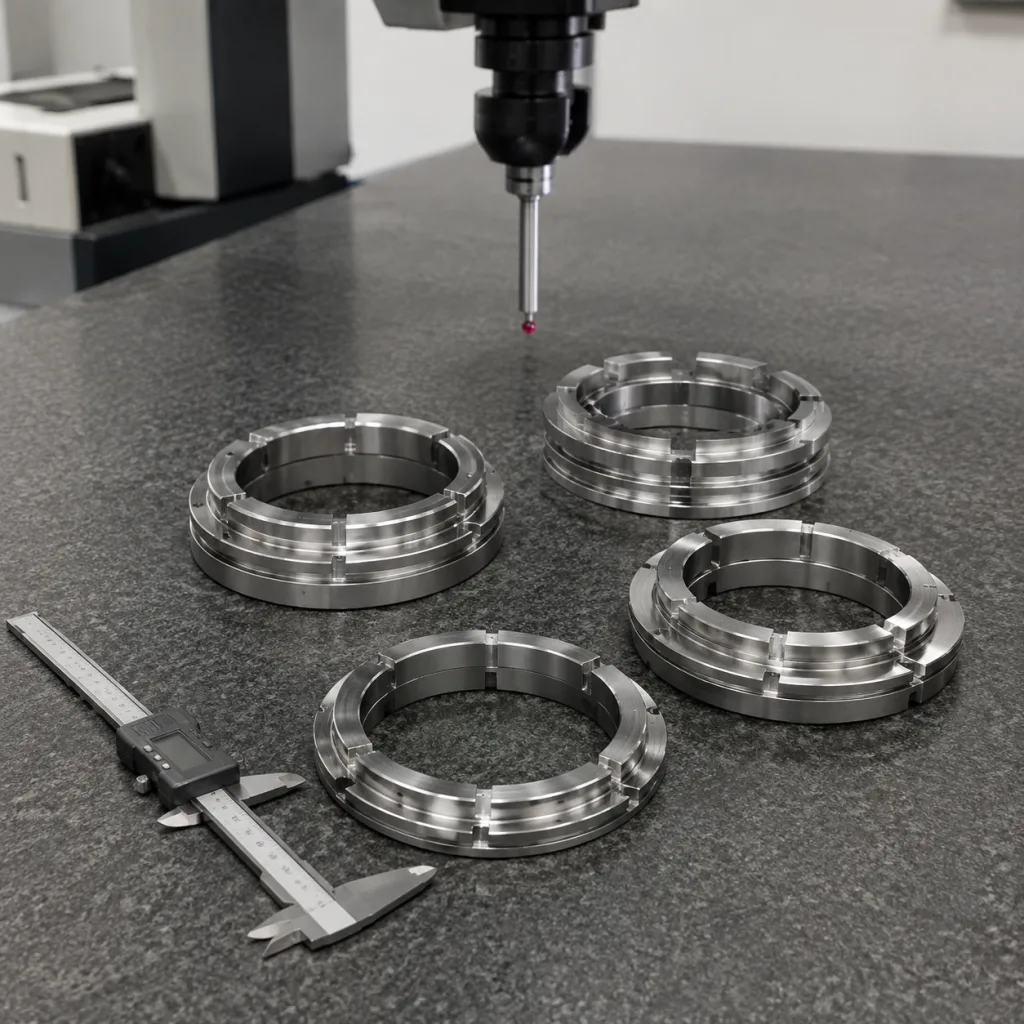
A clutch kit can pass a catalogue lookup and still fail in the workshop if critical tolerances are not controlled. Importers should request a technical drawing, sample report, or production inspection plan for each active reference before committing to volume orders. The checks below are straightforward, but they are also the points most likely to create installation delays, noise complaints, clutch drag, or premature warranty claims.
| Check point | Buyer requirement | Why it matters |
|---|---|---|
| Disc outside diameter | Match OE sample or approved drawing | Prevents cover interference or reduced friction area |
| Hub spline count and major diameter | Match gearbox input shaft | Avoids installation failure and hub damage |
| Cover bolt pattern and locating dowels | Match flywheel interface | Ensures concentric assembly and correct seating |
| Release bearing height | Within agreed tolerance | Controls pedal travel and disengagement point |
| Clamp load | Application-specific range | Prevents slip while avoiding excessive pedal force |
| Friction facing thickness | Drawing-controlled | Affects service life, heat capacity, and engagement feel |
| Runout and parallelism | Controlled during final inspection | Reduces judder, drag, vibration, and noise |