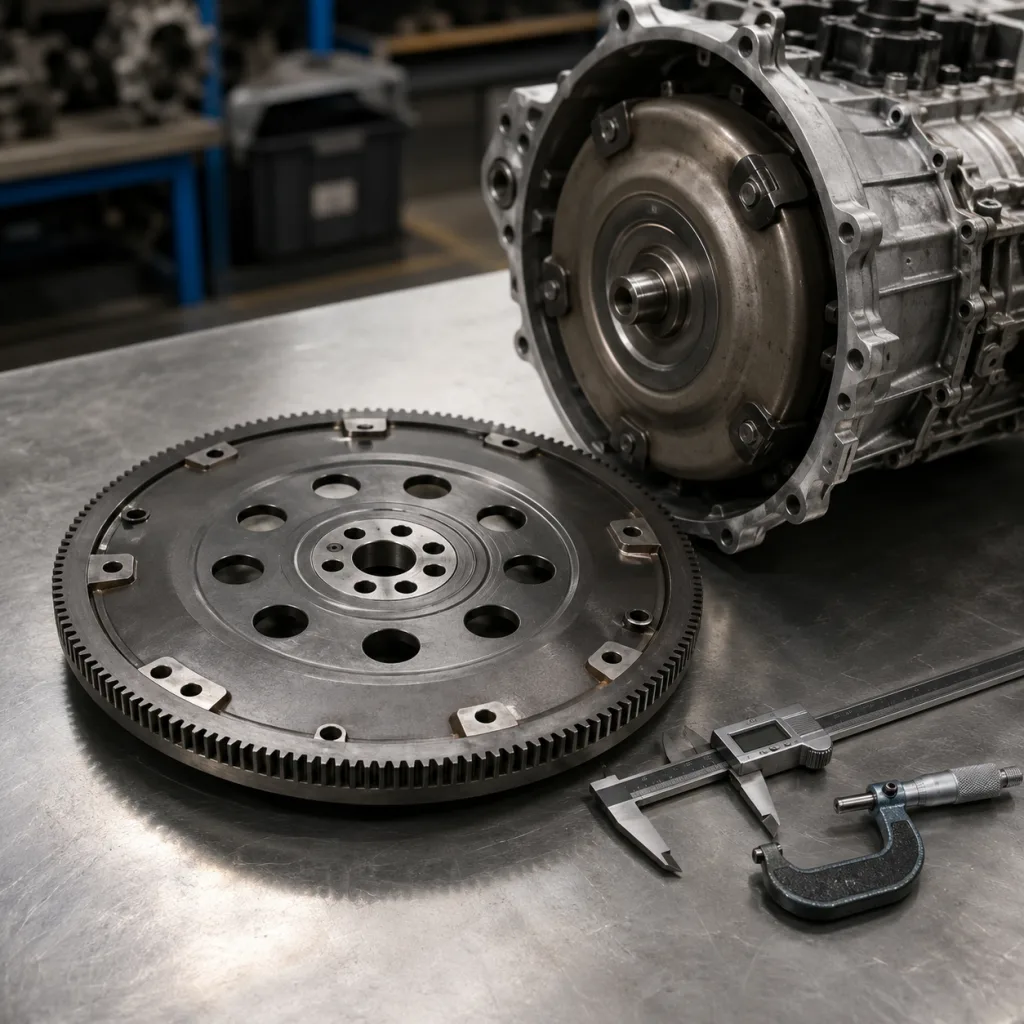
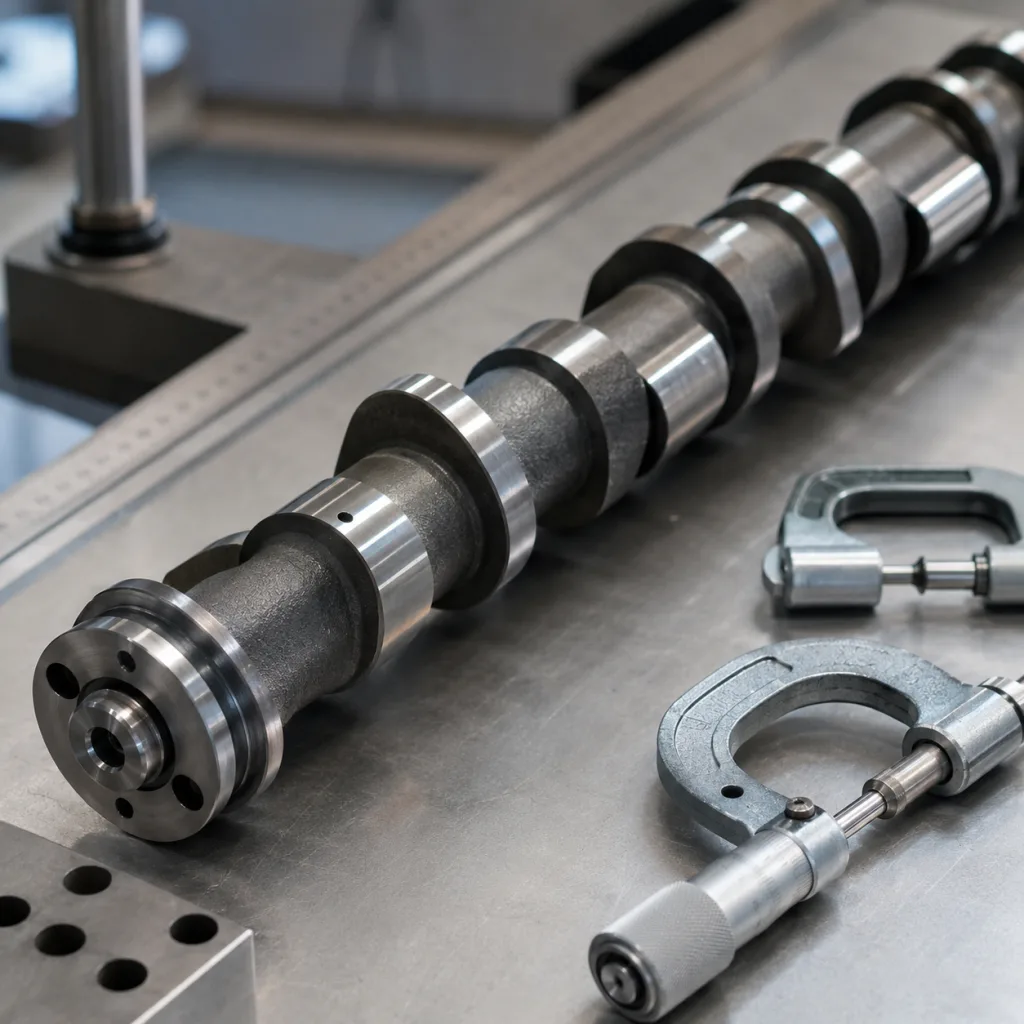
A camshaft phaser seat is a small precision component, but it has a direct effect on oil sealing, vane positioning, and variable valve timing response. For importers, Tier-1 buyers, and aftermarket distributors, the main sourcing risk is usually not the metal blank itself. It is inconsistent concentricity, weak surface control, incomplete heat-treatment records, and late changes to packaging or traceability. Driventus supplies camshaft phaser seat components from Taizhou, Zhejiang for B2B engine programs and aftermarket ranges. We manufacture under IATF 16949:2016 and ISO 9001:2015 procedures, with controls covering incoming material, CNC machining, deburring, cleaning, inspection, and export packing. Driventus is an independent aftermarket manufacturer; brand names are referenced for fitment only. This article explains what procurement teams should check when qualifying a camshaft phaser seat supplier, including MOQ, lead time, audit evidence, and engineering support.
Sourcing Scope for Camshaft Phaser Seat Components
Camshaft phaser seat supply is usually requested as part of a broader variable valve timing component package. Buyers may source the seat as a machined part, as part of a phaser subassembly, or together with related timing system parts for consolidated shipment.
Typical B2B supply scope includes:
Machined camshaft phaser seats for aftermarket replacement programs
Seat rings, locating faces, and oil-control contact surfaces made to drawing
Custom geometry based on buyer-supplied samples, CAD data, or 2D drawings
Production lots with batch inspection records and export documentation
Packaging suitable for distributor warehouses and sea or air freight
Driventus supports engine and powertrain ranges through our catalog, including related engine components. For buyers developing private-label or controlled-drawing programs, custom manufacturing can include drawing review, sample measurement, prototype machining, and production validation.
For OE cross-reference programs, procurement teams should provide the exact application list, sample part, and generic cross-reference format where applicable, such as OE 06A… or OE 11251…. Driventus does not claim vehicle manufacturer approval or endorsement.
Key Procurement Criteria
A seat used inside a camshaft phaser must hold geometry under oil pressure, temperature cycling, and repeated timing adjustment. The purchase decision should therefore cover more than the quoted unit price.
Sourcing criterion
What to check
Why it matters
Material specification
Steel grade, hardness range, heat-treatment route, and certificate availability
Controls wear, deformation, and fatigue resistance
Critical dimensions
Bore, face runout, flatness, chamfer, and groove geometry
Affects oil sealing and phaser response
Surface condition
Roughness target, burr control, cleanliness, and corrosion protection
Reduces leakage paths and assembly contamination
Process capability
CMM reports, gauge R&R where required, SPC for critical features
Shows whether tolerance can be held in volume
Traceability
Batch number, material lot, inspection report, and packing list link
Supports warranty review and importer compliance
Export readiness
HS code review, carton labels, palletization, and documentation
Reduces receiving delays and customs friction
</tr></thead><tbody> </tbody></table>For most sourcing projects, the first technical screen should be a drawing and sample comparison. Procurement teams should ask the supplier to identify critical-to-function dimensions before sample production. This helps separate a machining shop that can copy visible geometry from a manufacturer that understands the phaser seat's working surfaces.
MOQ, Lead Time and Programme Planning
MOQ depends on drawing complexity, raw material availability, fixture requirements, and whether the buyer needs private packaging. For standard aftermarket references, MOQ can often be planned around annual forecast and shipment consolidation. For a new camshaft phaser seat supplier project, buyers should allow time for measurement, prototype production, and validation before placing a large blanket order.
Typical planning assumptions:
Sample review from supplied part or drawing: 5-10 working days after receiving complete data
Prototype machining: commonly 20-35 days, depending on tooling and fixture requirements
Production lead time: commonly 35-60 days after sample approval and deposit
MOQ: program-specific, influenced by material batch size, setup time, and packaging format
PPAP-style documentation: available where the buyer requires structured submission
Multi-location repair chains and import distributors often need stable repeat supply more than a one-time low price. For that reason, Driventus reviews forecast volume, reorder rhythm, and stocking plans before confirming commercial terms. A realistic forecast helps align CNC capacity, inspection workload, and shipping schedules.
Where the seat is part of a larger timing or engine component range, consolidated sourcing can reduce freight cost per unit and simplify supplier management.
Quality System and Audit Evidence
Supplier qualification should be based on records that can be reviewed during a factory audit, not only on a certificate scan. Driventus operates under IATF 16949:2016 and ISO 9001:2015 quality management procedures. Buyers can review our quality system as part of supplier onboarding.
Relevant quality evidence may include:
Incoming material inspection records and mill certificates
Heat-treatment or hardness verification where specified
First article inspection report for critical dimensions
In-process inspection plan for CNC turning, milling, and grinding operations
Final inspection report with calibrated measuring equipment records
Nonconforming product control and corrective action process
Batch traceability from material lot to finished packing
Factory Audit Focus
For a camshaft phaser seat project, an audit should examine how critical features are controlled at the machine, not only in the final inspection room. Useful questions include: Are special gauges available at the production line? Are burrs controlled after each machining stage? Is washing validated for chip removal? Are inspection frequencies adjusted when tools are changed?
Compliance expectations also depend on the destination market. For EU and UK importers, material declarations may need to support REACH (EC) No 1907/2006 communication duties. If the component is supplied within a wider emissions-related engine system, buyers may also request documentation aligned with application-level obligations such as ECE R-83, without implying that the individual seat is separately approved under that regulation.
Technical Controls for Fit and Function
The seat must match the mating phaser housing, rotor, or oil-control interface. Small changes in flatness, bore alignment, or edge condition can cause noise, delayed actuation, or oil leakage. During sourcing, engineering teams should define which surfaces are cosmetic and which are functional.
Common inspection points include:
Datum structure matching the buyer drawing or measured OE reference
Concentricity between bore and outer locating diameter
Face runout on the oil-sealing surface
Flatness of the seating face after heat treatment
Chamfer consistency at oil-feed or assembly edges
Surface roughness on sealing and contact areas
Burr-free transition at grooves, ports, and slots
Cleanliness after machining, washing, and rust prevention
Validation can include dimensional layout, hardness testing, surface roughness measurement, salt spray testing where required, thermal cycling, and assembly checks with mating components. If the seat is supplied as part of a complete phaser, additional functional testing may be required, including oil-pressure response, locking pin engagement, and timing angle repeatability.
For aftermarket programs, OE-equivalent fitment should be verified against buyer-approved samples and application data. Brand names, engine codes, and vehicle models should be treated as fitment references only.
Commercial Documentation for Import Buyers
A reliable camshaft phaser seat supplier should make import work predictable. The commercial file should be complete enough for purchasing, quality, warehouse, and customs teams to use without repeated clarification.
Recommended documentation package:
Quotation with unit price, MOQ, tooling cost if applicable, and validity period
Drawing revision or sample reference used for quotation
Lead time for samples, pilot order, and mass production
Packing specification with carton quantity, pallet size, and gross weight
Inspection report format and certificate requirements
Incoterms, payment terms, and shipment method
Country of origin and export documentation support
Change notification process for material, process, or sub-supplier changes
For long-running distributor programs, Driventus can support private-label packing, neutral packing, or buyer-defined carton labels. Packaging should protect machined faces from impact and corrosion during sea freight. Oil paper, VCI bagging, separators, or formed trays may be used depending on geometry and destination climate.
Procurement teams preparing a bid package should include annual demand, target launch date, sample quantity, drawing revision, material requirements, and any restricted substance declaration needs. This allows a faster technical and commercial response when you request a quote.
Frequently asked questions
Send a 2D drawing, 3D file, or physical sample, plus annual volume, target MOQ, destination country, packaging requirements, and any inspection documents required. If the item is linked to an OE reference, use a generic format such as OE 06A… or OE 11251… unless you already have approved buyer data.
Yes. Sample supply can be arranged after drawing or sample review. Typical prototype timing depends on material, tooling, and fixture requirements. Dimensional reports, hardness checks, and surface finish records can be provided when agreed in the quotation stage.
No. Driventus is an independent aftermarket manufacturer; brand names are referenced for fitment only. Parts are developed to buyer drawings, approved samples, or agreed specifications, with quality controls under IATF 16949:2016 and ISO 9001:2015 procedures.
Share your drawing, sample details, and annual forecast with the Driventus sourcing team for a practical MOQ and lead-time review. Start the discussion at /contact.html