clutch kit · 2026-06-16

Clutch Kit Mini Wholesale: Supplier Sourcing Guide

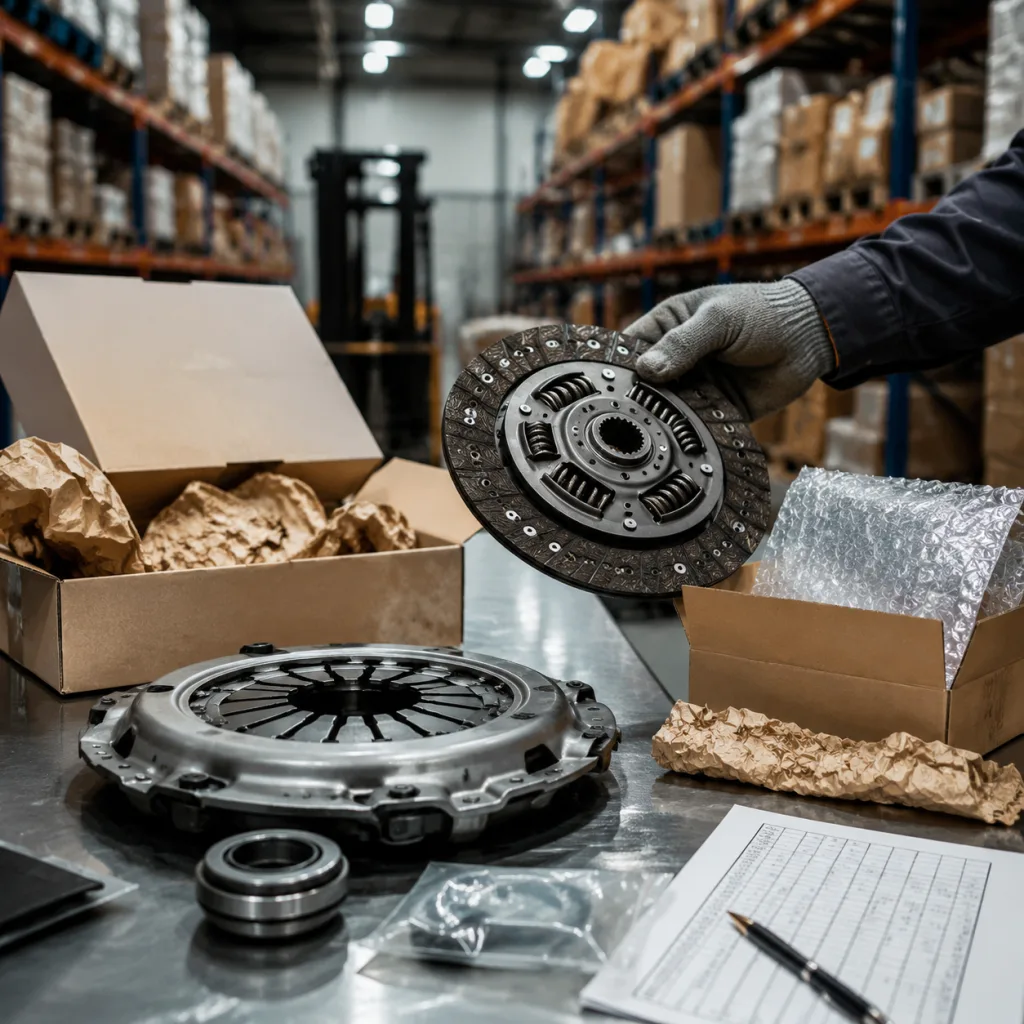
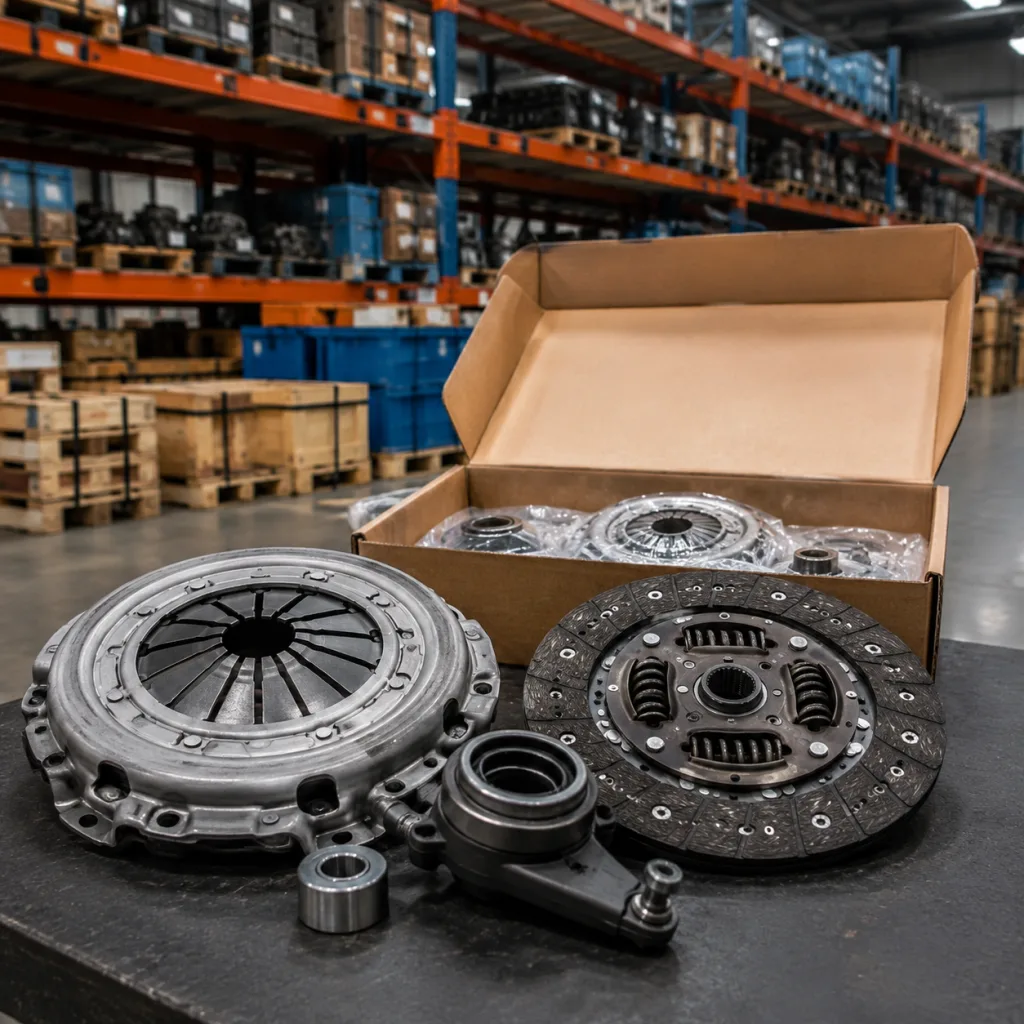
Buying clutch kits for Mini applications at wholesale level is a sourcing and validation exercise, not a simple price check. The same Mini platform can require different flywheel, cover, and release-bearing configurations by engine code and model year, so fitment control matters as much as cost. Driventus is an independent aftermarket manufacturer; brand names are mentioned for fitment reference only. We supply B2B customers across distributor, OEM, and repair-chain channels, with production controlled under IATF 16949:2016 and ISO 9001:2015. If you are building a clutch kit mini wholesale programme, the goal is to lock down application data, confirm dimensions, and set inspection criteria before the first bulk order.

Mini fitment: what to lock down before you buy

Do not start with the carton label. Start with the application record. For Mini clutch sourcing, the minimum check is engine code, transmission type, disc diameter, spline count, pressure plate type, and release system. OE cross-reference helps, but it should be treated as an entry point, not a final approval.

  • Match the OE part number only after checking vehicle year, engine family, and gearbox variant
  • Confirm friction plate diameter, hub profile, and spline specification
  • Verify cover assembly height, bolt pattern, and installed stack height
  • Check whether the release bearing is included and whether the system uses a CSC or external bearing
  • Ask for dimensional drawings, actual measurement data, and sample photos before order release

Mini fitment changes often follow engine code, transmission family, or model-year breaks. A buyer should require confirmation against at least three identifiers: OE number, vehicle build window, and key dimensions. If the supplier cannot state the tolerance window, the part is not really approved.

When one programme serves mixed fleets, put substitution rules in writing. That keeps downstream teams from guessing when a close-match part is acceptable and cuts return risk before it starts.

Where wholesale deals usually fail

Most wholesale issues are not manufacturing disasters. They are definition problems. A low quote can still become an expensive programme if the supplier and buyer disagree on packaging, lead time, test level, or the exact release hardware included in the set.

</tr></thead><tbody> </tbody></table>A practical way to prevent failure is to define what “acceptable” means before you ask for the quote. That means measured dimensions, kit contents, packing format, claim process, and the exact evidence required for approval. If the supplier cannot show the numbers, the programme is still speculative.

For import managers, documented traceability is often more valuable than a small unit-price saving. It makes inbound inspection faster and gives compliance teams a cleaner audit trail.

Commercial terms that change landed cost

Wholesale buyers usually evaluate more than unit price. The right commercial model depends on order size, warehouse turnover, and whether the clutch kit is for distribution, private label, or direct supply to a repair network.

Failure mode What it looks like Why it matters
Wrong application mappingOE number matches, but the gearbox or engine code does notHigh return rate and customer complaints
Incomplete kit contentBearing, alignment tool, or fasteners differ from expectationExtra sourcing work and delayed installs
Hidden commercial costLow unit price, but high deposit or special carton costLanded cost rises after award
Weak traceabilityNo lot code or batch record on cartonsHarder recalls and slower claims handling
Unclear tolerance bandSample looks right, but no measured approval sheet existsApproval disputes during receiving

</tr></thead><tbody> </tbody></table>Ask for three pricing breakpoints so you can compare landed cost properly: MOQ, one pallet, and annual-calloff volume. A clean quote should separate unit price, packing cost, freight basis, and quote validity. If the unit price looks low but the supplier requires a high deposit, long prepayment, or special cartons, the real landed cost may be higher than the headline number.

If you manage imports, traceability usually pays back quickly. It speeds receiving, helps with claims, and reduces the friction of audit requests.

Commercial terms that change landed cost

Spec checks that prevent returns

A clutch kit becomes a commercial problem when fitment is uncertain or wear performance is inconsistent. The safest wholesale programmes define measurable acceptance criteria before shipment.

Typical inspection points

  • Friction material thickness and rivet depth
  • Diaphragm spring load consistency
  • Cover assembly runout and balance control
  • Hub torsion spring condition
  • Release bearing smoothness and noise check

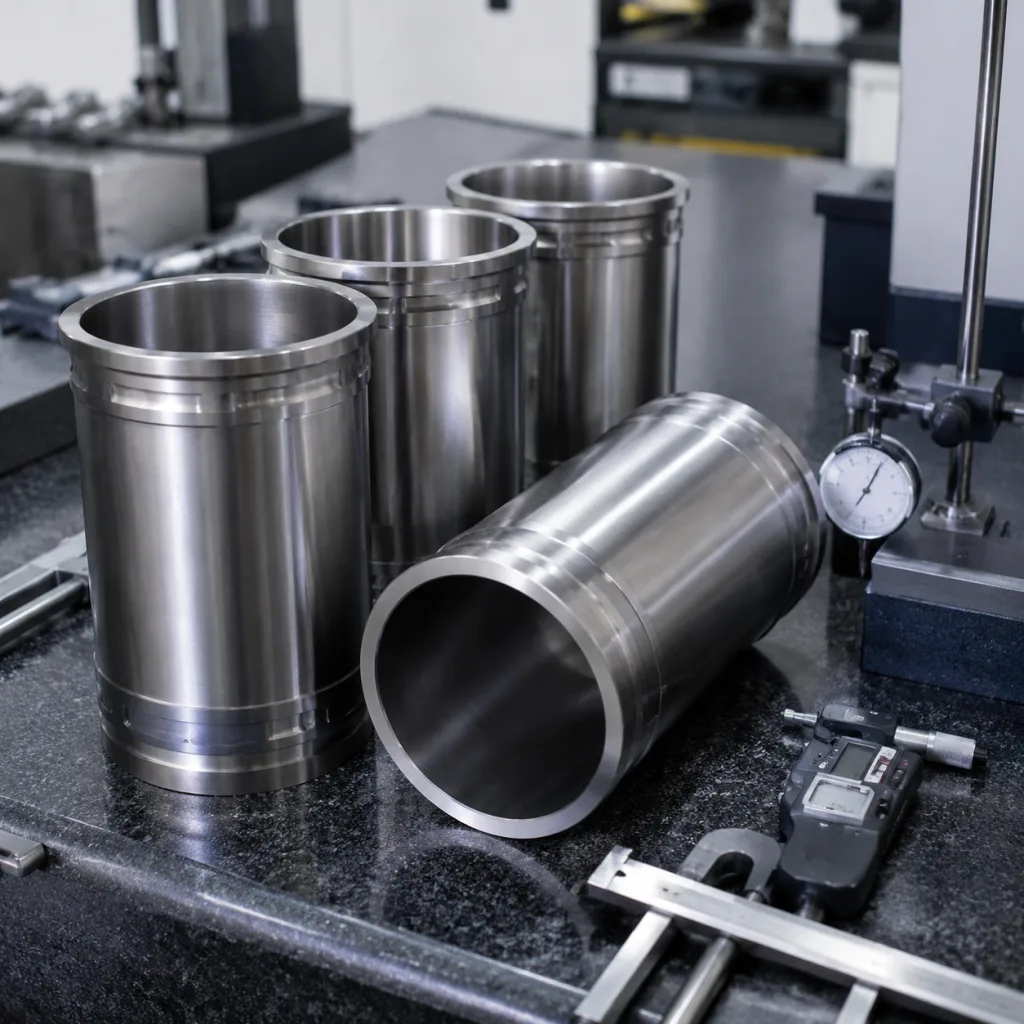
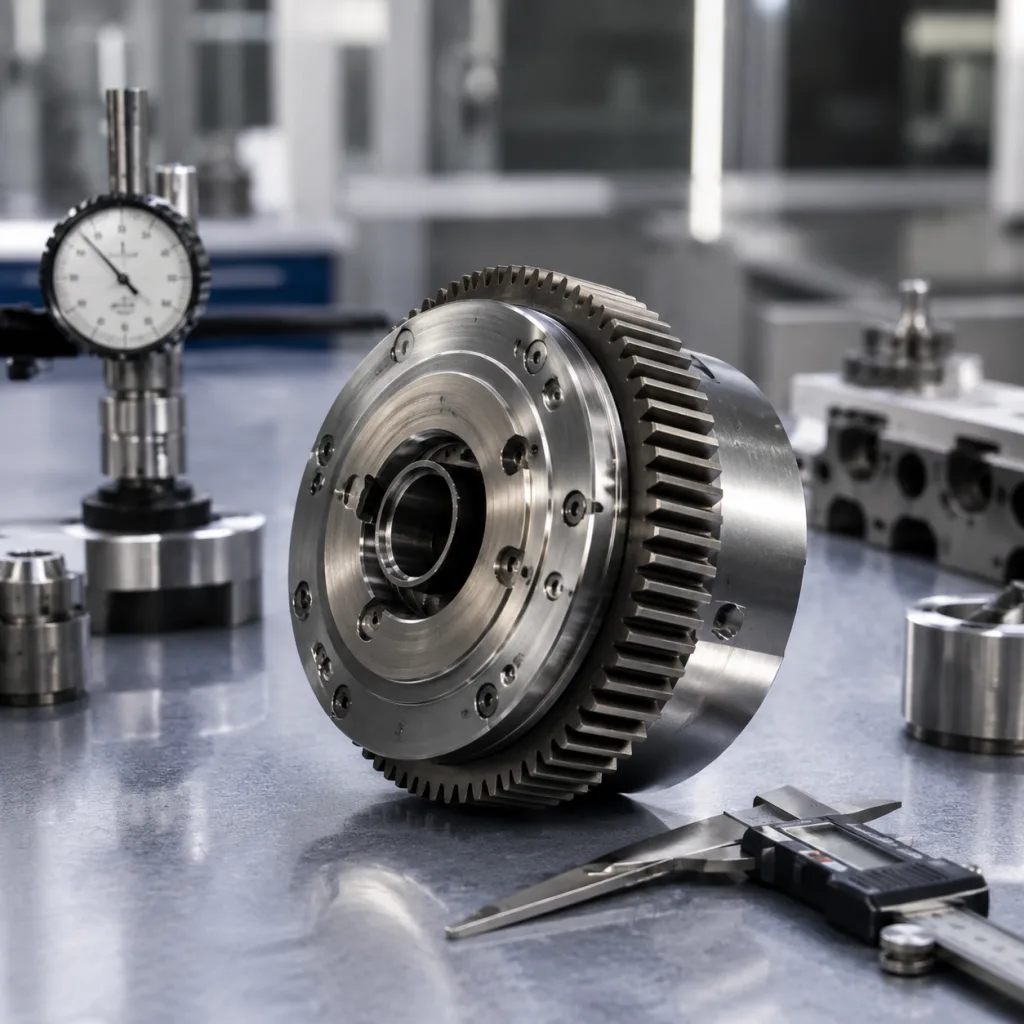
The easiest way to tighten control is to turn the purchase spec into a measurable document. Request the supplier’s measured plate thickness, face runout, and cover height against the OE target or drawing target, then require the report to show the actual result and the tolerance band used. Buyers often ask for runout and concentricity data at both component and assembled-kit level, plus a functional engagement check on the release bearing. If you do not have an internal drawing, ask for a first-article sheet with dimensions, tolerances, and gauge method before the bulk PO is released.

Where relevant, ask for test alignment with published methods such as SAE J2527 for durability-related validation of materials and REACH (EC) No 1907/2006 for chemical compliance in the supply chain. For European distribution, confirm that the material declaration supports your internal compliance file. For buyer-side acceptance, salt-spray, thermal cycling, and pedal-load data are useful when the application sees stop-start duty. Driventus also works to IATF 16949:2016 and ISO 9001:2015 process controls, which helps buyers standardize incoming inspection.

How we structure Mini supply programs

Our manufacturing model is built for repeat-batch supply. We control machining, assembly, and inspection in one supply chain, which helps maintain dimensional consistency and shorten corrective-action cycles.

If your business needs branded cartons, alternate labels, or market-specific pack configurations, we can build the supply plan around your forecast rather than forcing a fixed SKU structure. For buyers managing more than one region, we can also align carton language, barcode format, and pallet build to the destination market so warehouse receiving stays consistent across channels.

When you request a quote, send the OE reference, target annual volume, target monthly calloff, and any packaging constraints. That gives us enough information to respond with a realistic MOQ, a lead-time window, and a price structure that matches how your buyers actually replenish stock.

How we structure Mini supply programs

Audit questions before a bulk order

A factory audit should answer four questions: can the plant make the part, can it hold tolerance, can it trace the batch, and can it ship on time. For clutch kits, ask to review machining controls, incoming material checks, final inspection records, and packing-line traceability.

Request these documents before PO release:

  • Company certification copies
  • Process flow and inspection plan
  • Sample report with measurement values
  • Packaging specification
  • Lead-time confirmation for first order and repeat orders

A useful audit check is to compare the last three production lots for the target SKU. Look at measured dimensions, reject rate, and rework record. A supplier that can show stable results across lots is usually a better partner than one that relies on a single perfect sample. If you are buying for a launch programme, request a pilot lot, agree the first-article approval window, and hold back a small pre-shipment sample from each batch for future dispute resolution.

If you need a production schedule for a distributor launch or a regional stock build, ask for a rolling forecast model. It reduces the risk of stock-outs during the first replenishment cycle.

Frequently asked questions

Yes. We support B2B wholesale programmes for distributors, OEM-linked buyers, and repair chains with MOQ, packing, and lead-time planning based on forecast. Typical commercial setups start with 50-100 sets per SKU for stocked lines, but the final MOQ depends on packaging and specification requirements.

We check OE cross-reference, engine code, gearbox type, and key dimensions such as diameter, spline count, cover geometry, and release system before confirming supply. Where needed, we also compare sample measurements and first-article data against the target application.

We can provide certification copies, inspection records, sample reports, packing specifications, and lead-time confirmations to support buyer qualification and vendor review.

If you need pricing, sampling, or a supply review for your Mini programme, send the OE reference and target volume through our contact page and we will respond with options: /contact.html

Request a Quote
Item What to confirm Buyer impact
MOQCartons, sets, or pallet quantity; common starting points are 50-100 sets per SKU for stocked programmes and 300-500 sets for custom packagingAffects cash flow and stock depth
Lead timeStandard and expedited production windows; typical mass-production timing is 30-45 days after deposit and artwork approval, with 7-15 days for sample sets if tooling is readyImpacts replenishment planning
PackingNeutral pack, branded pack, barcode format, carton drop-test requirement, and pallet configurationSupports channel control
WarrantyTerm, claim conditions, and field-failure evidence requiredReduces after-sales dispute risk
TraceabilityLot code, production date, batch quantity, and retention sample policySimplifies recalls and audits
SamplesPilot sets, dimension reports, and pre-shipment retentionSupports approval and validation