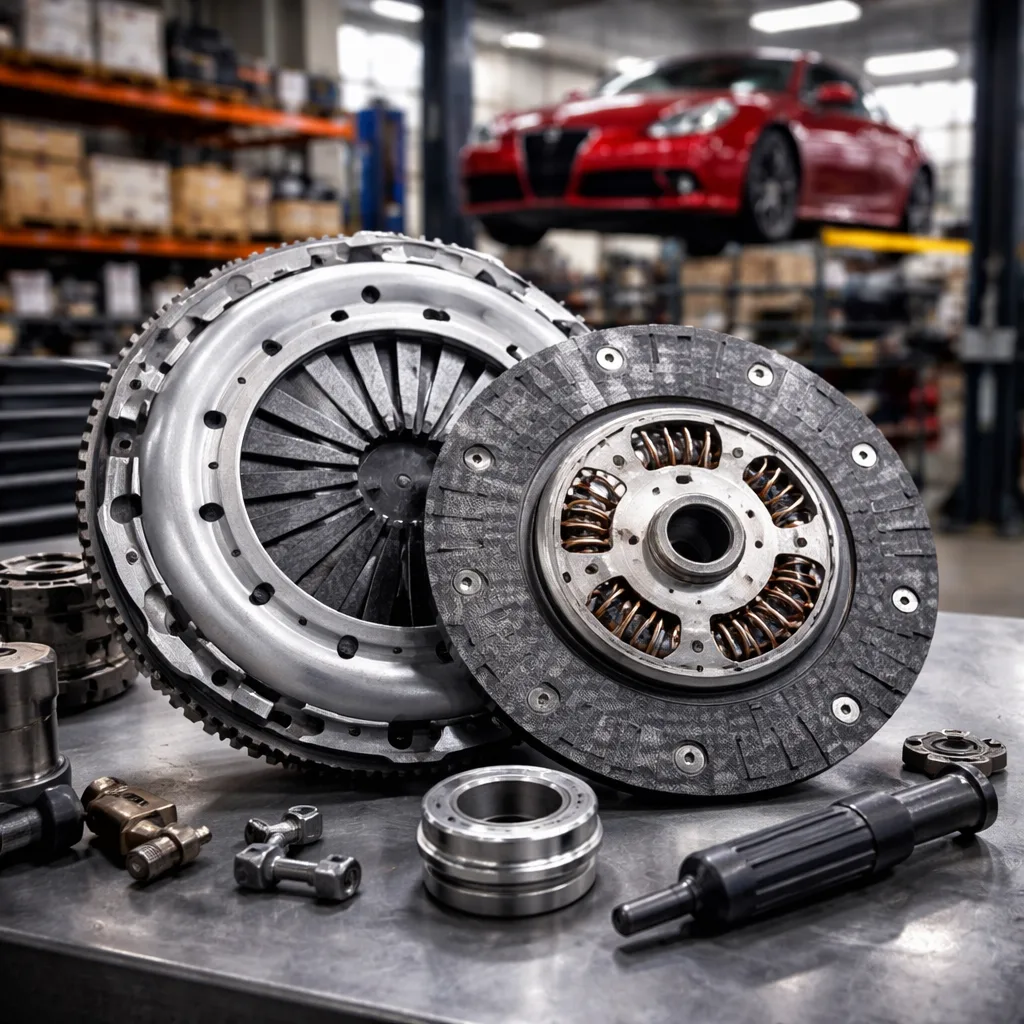
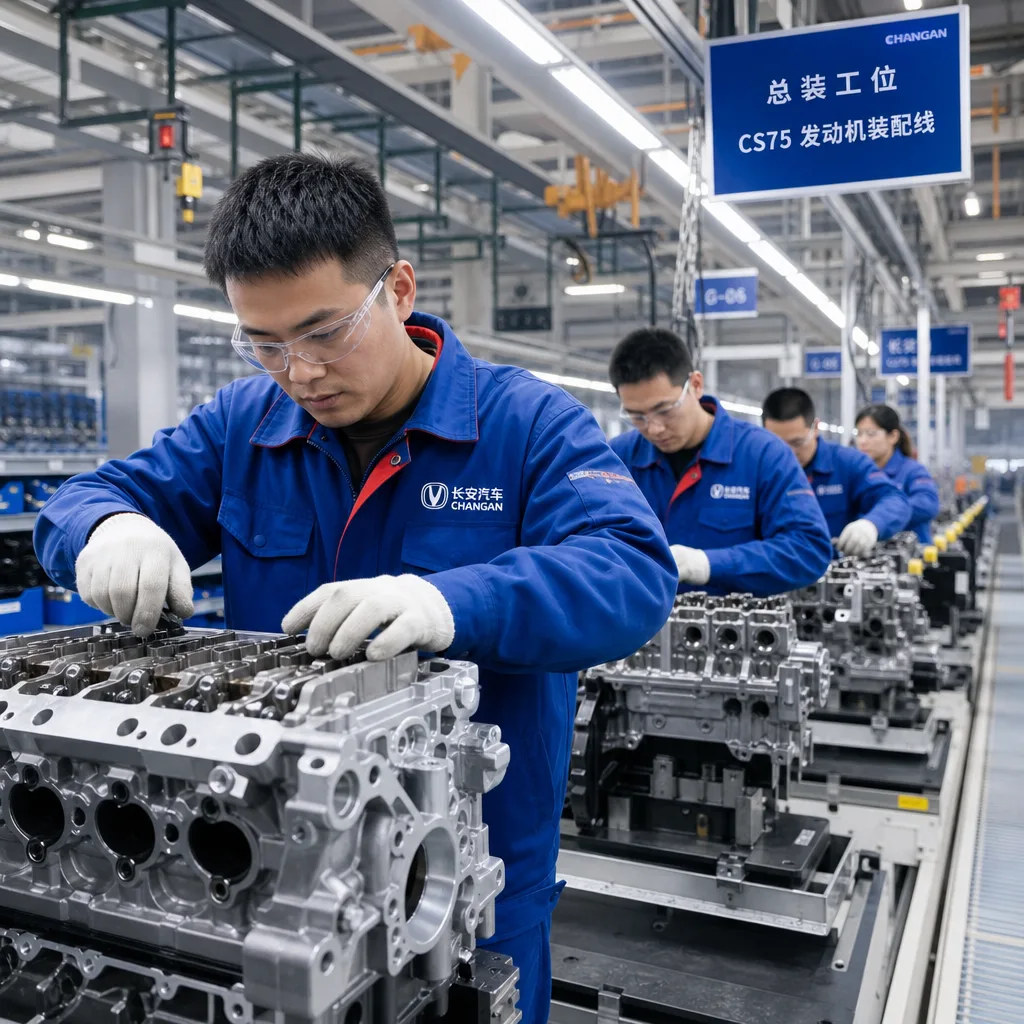
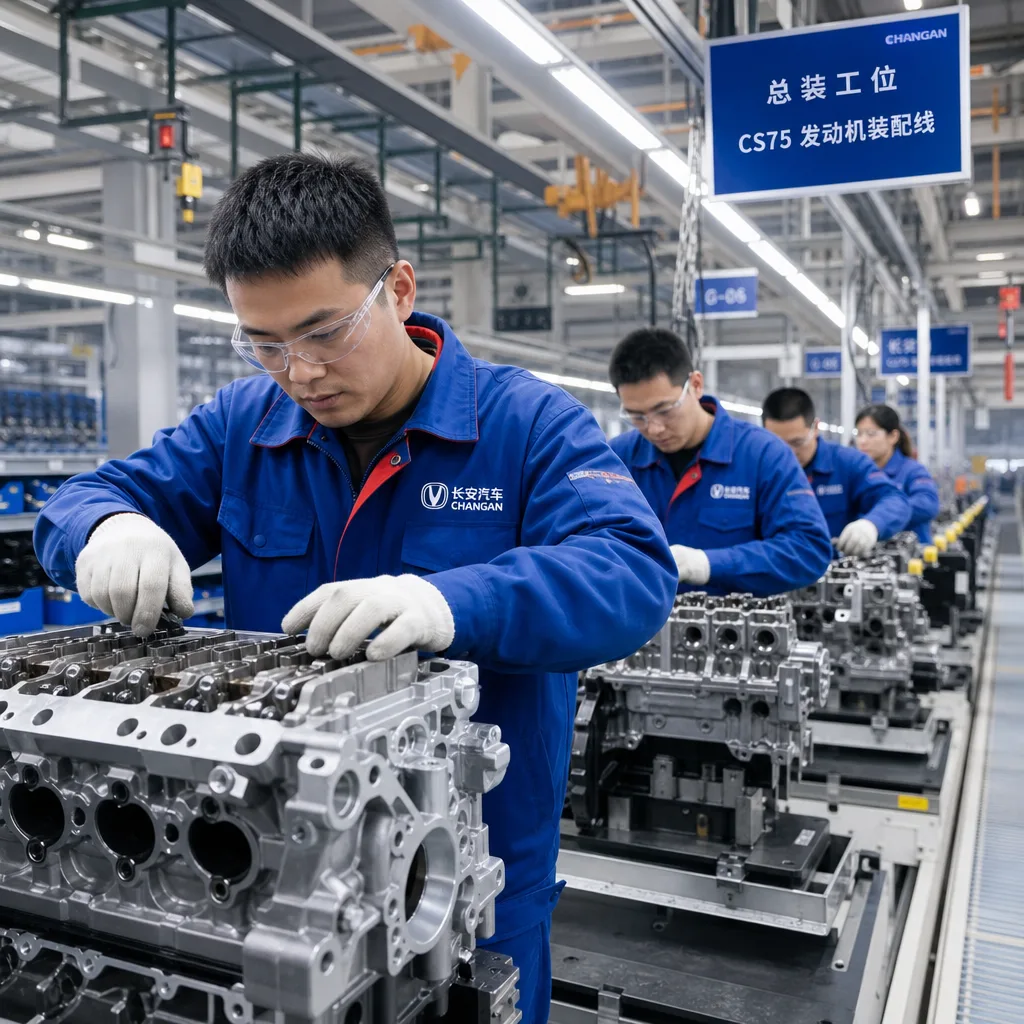
When buyers search for a `clutch kit Infiniti OEM supplier`, the real question is not simply who can ship a box that fits. It is who can hold the same dimensions, materials, and traceability across repeat orders without creating avoidable warranty risk. Driventus is an independent aftermarket manufacturer; brand names are referenced for fitment only. We manufacture powertrain components in Taizhou, Zhejiang, and supply B2B customers in more than 60 countries, including aftermarket distributors, OEM and Tier-1 buyers, and repair networks. Our production and quality controls align with `IATF 16949:2016` and `ISO 9001:2015`, with material and compliance considerations for `REACH (EC) No 1907/2006` where applicable. This guide focuses on the checks that separate a workable sourcing partner from a short-lived quote: fitment proof, process control, commercial terms, and the failure modes that usually appear after the first shipment.
The first decision: fitment or repeatability?
In clutch sourcing, many buyers start with fitment and stop there. That is usually where problems begin. A part can match the vehicle application on paper and still fail to repeat if the disc offset drifts, the lining thickness moves, or the cover assembly varies from batch to batch.
Before you approve a `clutch kit Infiniti OEM supplier`, decide which risk matters more for this programme:
Fitment risk if the kit is being validated on a new reference or a rare application
Repeatability risk if the kit will be reordered regularly for distribution or workshop supply
Documentation risk if your QA team needs a complete file before release
Commercial risk if the programme depends on stable MOQ, lead time, and price breaks
The right supplier should answer both the engineering question and the replenishment question. Ask for OE cross-reference support where applicable, but also ask how the factory controls the critical dimensions that affect pedal feel, engagement, and service life. For Infiniti programmes, separate application mapping from manufacturer endorsement. A responsible supplier will do the same.
Where clutch kits usually fail
Most sourcing failures do not start with dramatic defects. They start with small deviations that are easy to miss in a sample set and expensive to ignore at scale.
</tr></thead><tbody> </tbody></table>This is why a supplier’s production system matters as much as the part number. If stamping, machining, riveting, balancing, bearing sourcing, and final inspection sit in separate uncontrolled chains, variation accumulates. A supplier with integrated process control is easier to audit and easier to scale.
Spec deep-dive: what the drawing should show
A serious RFQ should be built around the engineering definition, not just a catalog line. If the supplier cannot discuss the part at dimension level, the quote is not ready for approval.
Key specs to lock down:
Disc outer diameter and thickness tolerance
Spline count, spline fit, and hub geometry
Cover load, diaphragm spring behavior, and clamp consistency
Release bearing type and press-fit depth
Runout, concentricity, and balance limits
Fastener inclusion and torque requirement, if supplied
Typical targets might include disc diameter within ±0.20 mm, lining thickness within ±0.10 mm, and assembled runout below a buyer-agreed threshold such as ≤0.30 mm. Those numbers are only useful when tied to the actual OE sample or approved drawing. Do not copy a generic tolerance from another programme and assume it will work here.
A supplier should also explain how each critical characteristic is measured. One team may inspect incoming material, another may check assembly, and a third may review final packing. That only works if the same acceptance criteria govern all three stages.
Documents that make approval faster
If your QA team has to chase missing paperwork, the sourcing cycle slows down fast. Good suppliers make approval easier by sending the core documents up front.
Ask for these files before first order release:
`IATF 16949:2016` certificate and scope
`ISO 9001:2015` certificate and scope
Material declaration and restricted-substance statement where required by `REACH (EC) No 1907/2006`
First-article or sample dimensional report with actual measured values
Control plan or process-flow summary for the key manufacturing steps
Packaging specification, including export packing and shelf-life guidance
Invoice and packing list format for customs review
If the programme is audit-heavy, also ask how the supplier records riveting force, press-in depth, concentricity, and final balance. Those are the kinds of details that separate a clean approval from a round of follow-up questions. For buyers comparing several vendors, the quality file often becomes the real shortlist.
Commercial terms that matter in practice
A technically correct part can still be a bad sourcing decision if the commercial structure is wrong. Buyers should push for clarity on sample cost, MOQ, lead time, and price breaks before they treat the supplier as a viable option.
Commercial points to confirm in the RFQ:
Sample quantity and sample lead time, usually 3-7 working days for stocked items or 10-15 days for new builds
MOQ by reference and by carton size
Standard production lead time, often 25-35 days after deposit and sample approval for routine orders
Private-label or neutral-label packaging, including barcode and carton artwork control
Payment terms for first orders and repeat business
Pallet pattern and container loading efficiency for landed-cost planning
Price should be evaluated by volume tier, not as a single number. A programme that moves 3,000-5,000 kits a year should be priced at several breakpoints so the team can see where the true landed cost sits. If the buyer serves multiple markets, also check whether carton labels, language marks, and import documents can be adjusted by destination. That avoids later rework and reduces customs friction.
How Driventus runs an Infiniti clutch programme
For buyers comparing sources, the process matters as much as the product. Driventus supports clutch-related powertrain programmes with application review, dimensional inspection, and export-ready packing built for repeat orders.
A typical programme moves through these steps: 1. The buyer sends the OE reference, application data, target annual volume, carton requirement, and destination market. 2. We confirm fitment scope and review the technical data against the customer’s reference or sample. 3. We issue sample pricing or validation support where needed. 4. We document the critical dimensions and approve the control points before mass production. 5. We align commercial terms, then release production and packing.
We support application-based fitment review, dimensional inspection against agreed drawings or reference samples, export packing for long transit routes, and private-label or neutral-label requests under agreed specifications. Driventus is an independent aftermarket manufacturer; brand names are referenced for fitment only. If your team needs a single source for clutch kits and adjacent engine components, the process is set up for RFQ-based review and technical clarification through `request a quote`.
Common questions buyers ask late
These are the questions that usually appear after the first round of comparison, when the team is trying to separate a workable supplier from a good-looking quote.
Q: Do you support OE cross-references for Infiniti applications? A: Yes, when the customer provides the reference or application data. We use it for fitment confirmation and internal mapping, not as a claim of manufacturer approval.
Q: What quality documents can be shared before first order? A: We can provide certificate scope details, material declarations where applicable, sample inspection data, and dimensional results so your QA team can complete a file review.
Q: Can you handle custom packaging or private label? A: Yes. We can review neutral packing, carton labels, barcode requirements, and programme-specific packaging under an agreed specification.
Q: What should I send in the first RFQ? A: OE reference, target annual volume, MOQ expectation, preferred price breaks, packaging requirements, and destination market.
Frequently asked questions
Yes, when the customer provides the reference or application data. We use it for fitment confirmation and internal mapping, not as a claim of manufacturer approval.
We can provide certificate scope details, material declarations where applicable, sample inspection data, and dimensional results so your QA team can complete a file review.
Yes. We can review neutral packing, carton labels, barcode requirements, and programme-specific packaging under an agreed specification.
If you are qualifying a new source for clutch kits, send your OE reference, target annual volume, MOQ expectation, preferred price breaks, and packaging requirements through /contact.html and we will review the programme.