Clutch Kit Dodge Manufacturer China: Sourcing Guide
A Dodge clutch kit sourcing project fails when the buyer treats it as a simple diameter-and-spline match. It is not. The same visible kit can differ by release bearing height, cover lift, hub offset, flywheel type, accessory pack, barcode, carton strength, and claim traceability. For aftermarket distributors, importers, repair-chain buyers, and sourcing engineers, the real question is whether a clutch kit Dodge manufacturer China supply route can repeat the approved kit across many batches and many SKUs. This guide focuses on the decisions that protect margin: what to put in the RFQ, how to separate factory capability from trading activity, which tests matter before shipment, how MOQ and lead time change by sourcing scenario, and how to compare suppliers without being misled by a low EXW price. Driventus manufactures engine and powertrain components in Taizhou, Zhejiang, and supplies B2B customers in 60+ countries. Driventus is an independent aftermarket manufacturer; brand names are referenced for fitment identification only.
Start With the Fitment Decision, Not the Price
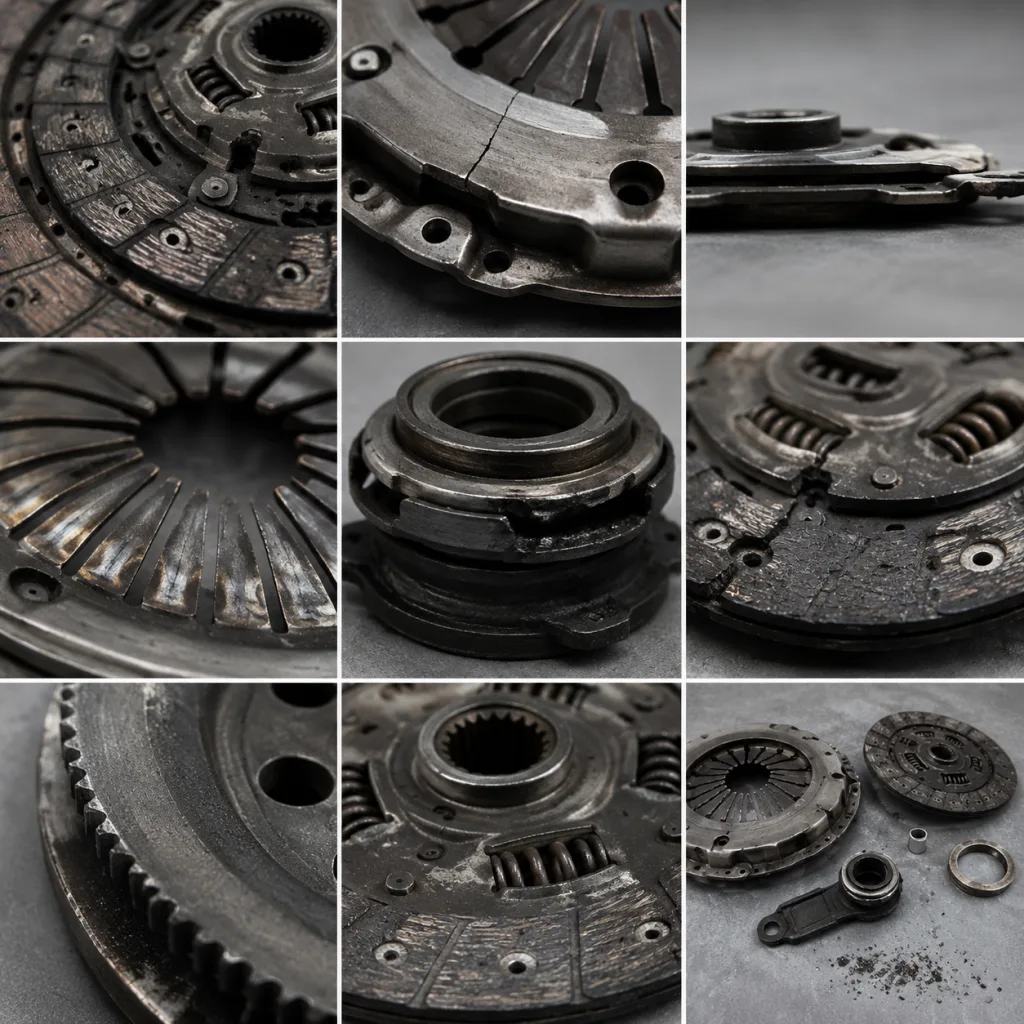
The first decision is whether the supplier is quoting the same kit you need. Dodge-related aftermarket demand may cover passenger cars, light trucks, vans, and selected commercial platforms, so a model name alone is weak RFQ data. Two kits can look close on a screen and still fail at installation because the bearing is wrong, the cover height is off, or the disc hub interferes with the flywheel.
Send a structured RFQ before asking for a final price. At minimum, include:
- Vehicle application range, engine displacement, transmission type, drive layout, production years, and market region
- OE or aftermarket cross-reference format where available and relevant to your database
- Clutch cover outside diameter, bolt-circle diameter, bolt quantity, dowel position, diaphragm finger height, and clamp-load target in N or kgf
- Disc outside diameter, facing thickness, hub offset, cushion plate type, spline count, and spline major/minor diameter in mm
- Release bearing type, guide-tube diameter, inner/outer diameter, overall height, and operating travel
- Flywheel type where known, including solid flywheel, dual-mass flywheel, step height, and resurfacing limit
- Kit contents, installation hardware, alignment tool requirements, grease sachet, instruction sheet, and any exclusions
- Packaging requirements, barcode format such as EAN-13 or UPC-A, language labels, carton strength, and pallet height limit
- Annual demand, first order quantity, reorder frequency, target price range, Incoterms preference, and destination port
For distributors with multi-brand stock, ask the supplier to map your fitment file against its application database before sampling. The output should be a cross-check table showing your SKU, supplier SKU, disc diameter, spline specification, bearing reference, kit contents, and confidence status. That table is not paperwork for its own sake. It catches duplicate SKUs, incorrect bearings, mismatched release systems, wrong bolt patterns, and mixed kit contents before they reach your warehouse.
Factory Capability Check: Follow One Packed Kit Backward
A supplier audit becomes useful when it follows one finished kit back through the process. Pick a packed carton. Trace the label to the final inspection record, component batch, friction lining lot, spring lot, bearing lot, and operator or station record. If the supplier cannot do that cleanly, claim analysis will be slow after the first field issue.
When qualifying a clutch kit Dodge manufacturer China source, look beyond sales claims. Some suppliers mainly trade assembled kits. Others manufacture or directly control key parts such as cover assemblies, driven discs, hubs, dampers, and release bearings. That difference affects traceability, cost breakdowns, engineering response, and corrective action.
Driventus is vertically integrated for engine and powertrain component production and uses documented incoming inspection, in-process checks, and final verification. For clutch-related sourcing projects, buyers should request objective factory evidence:
| Audit item | What to request | Why it matters | |
|---|---|---|---|
| Quality certification | IATF 16949:2016 and ISO 9001:2015 certificates with valid scope and issuing body | Confirms formal automotive quality-management systems | |
| Process flow | Control plan, PFMEA summary, inspection points, torque settings, riveting checks, and packing checks | Shows how defects are prevented, detected, and contained | |
| Material control | Steel grade records, friction-material specification, spring data, heat-treatment records, and bearing traceability | Supports batch-to-batch consistency | |
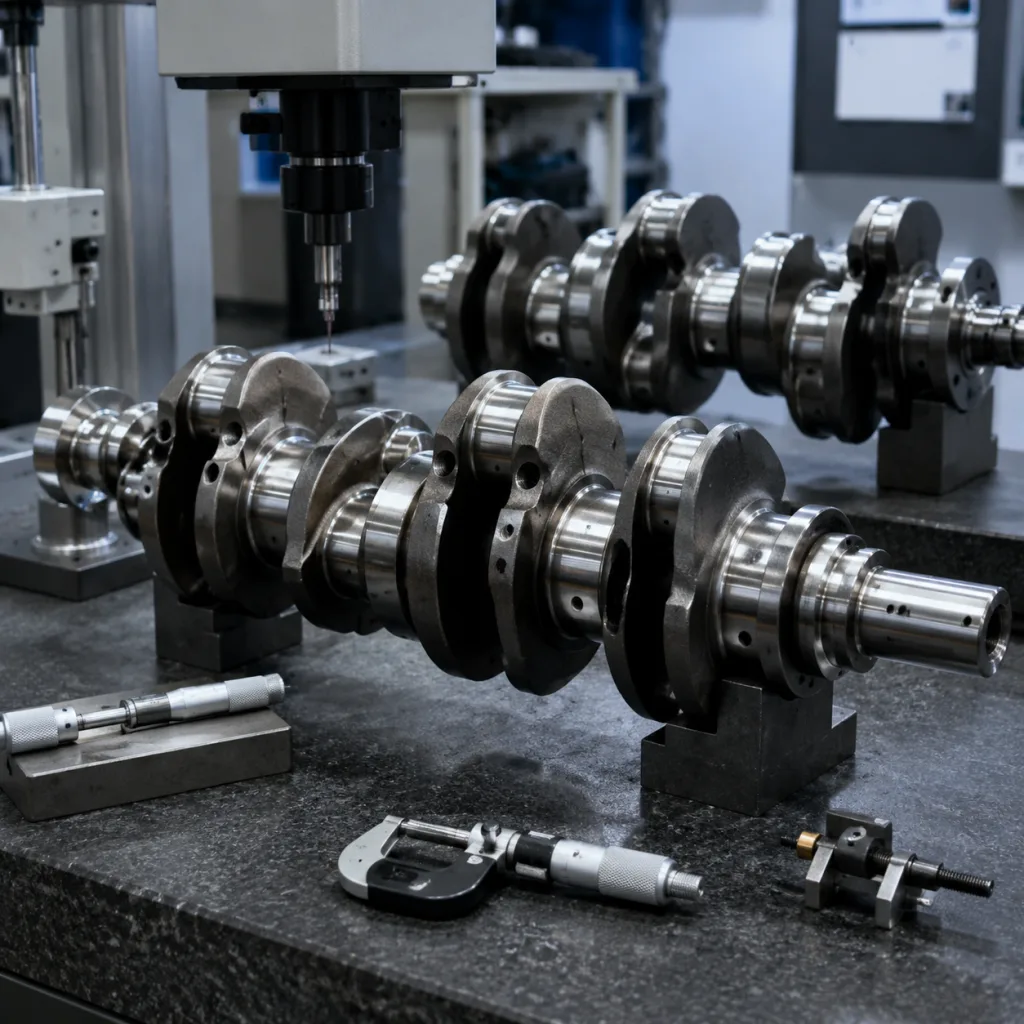
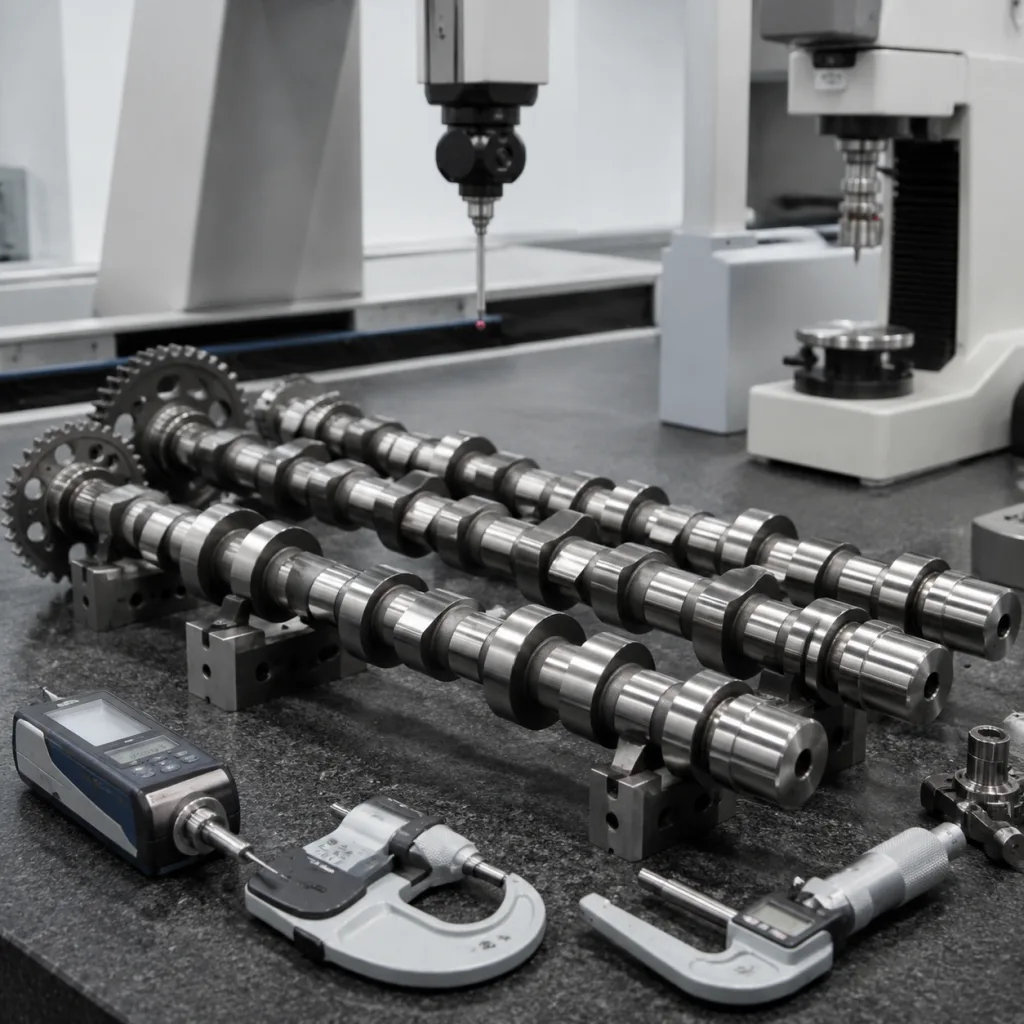
| Dimensional checks | CMM, fixture, height gauge, dial indicator, or go/no-go gauge reports for cover, disc, hub, and bearing interfaces | Reduces fitment, noise, drag, and installation failures | |
| Dynamic performance | Balance, torque-capacity, burst, overspeed, or clamp-load test evidence where applicable | Confirms operating margin for rotating parts | |
| Gauge management | Calibration list, gauge ID, calibration due date, and master-sample storage method | Prevents slow dimensional drift across repeat orders | |
| Packaging control | Drop-test method, humidity protection, label verification, carton compression data, and pallet pattern | Limits freight damage, mispicks, and claim cost |
| Sourcing condition | Typical MOQ driver | Typical lead time after deposit and approvals | Buyer action |
|---|---|---|---|
| Existing application, neutral box | Finished goods or scheduled batch; often 50–100 kits per SKU if parts are in range | 15–25 days if stock or near-term production exists | Confirm fitment, packing, carton dimensions, and inspection-report format |
| Existing application, private label | Carton and label print quantity; often 100–300 kits per SKU or a mixed-SKU carton MOQ | 25–40 days after artwork, barcode, and dieline approval | Approve dielines, barcode data, label position, and carton markings early |
| Modified kit content | Bearing, hardware, alignment tool, grease, or instruction change | 35–55 days including component matching and sample validation | Freeze the bill of materials and approve the sample before order release |
| New application development | Tooling, fixtures, gauges, validation cost, and pilot batch size | 60–90+ days depending on drawing availability and test scope | Agree drawings, target specifications, sample quantity, and PPAP-like documents if required |