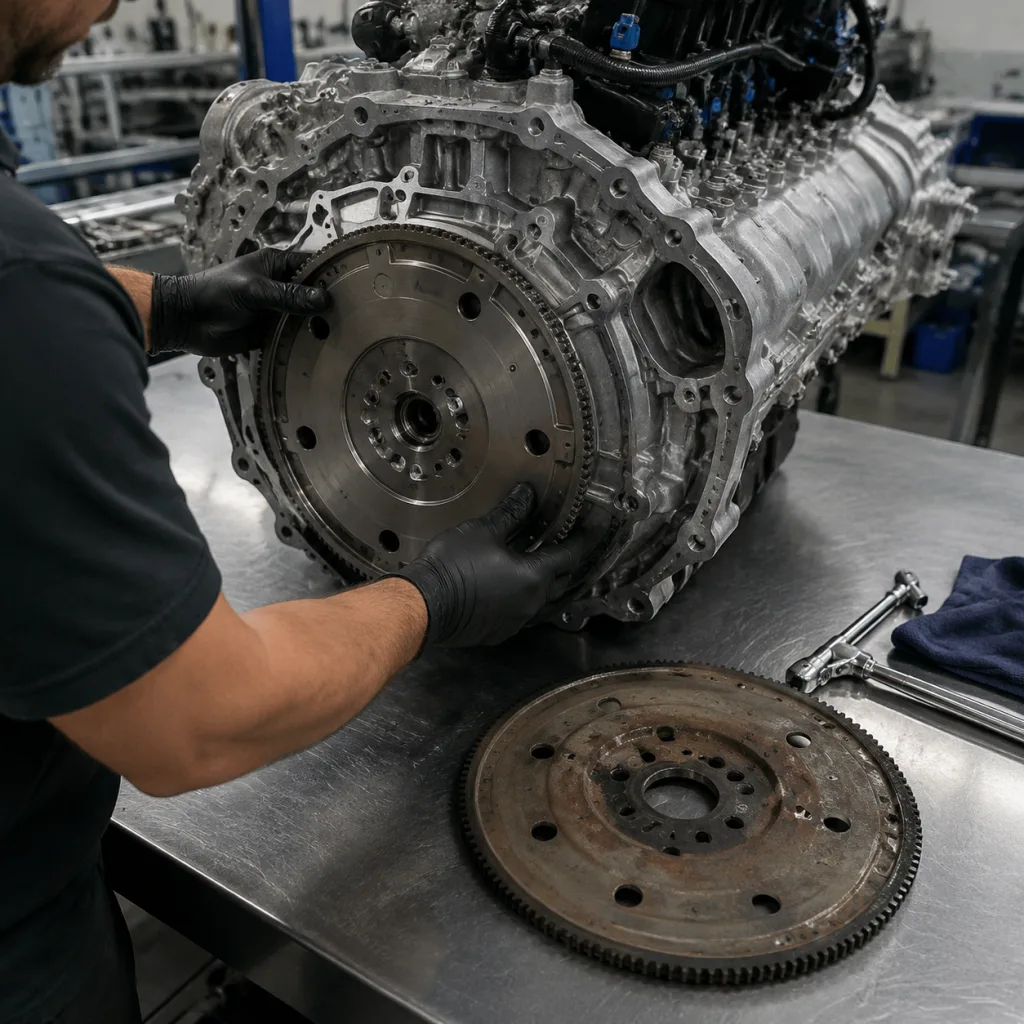
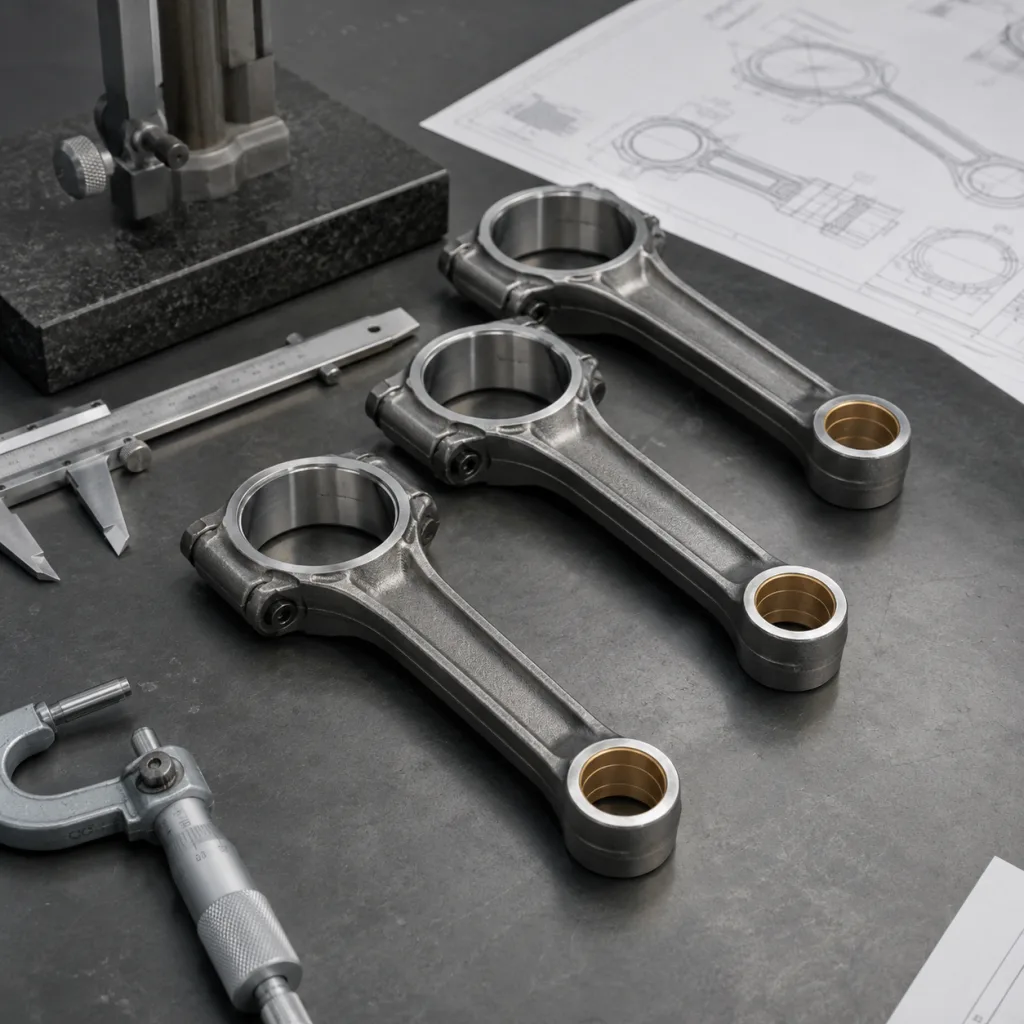
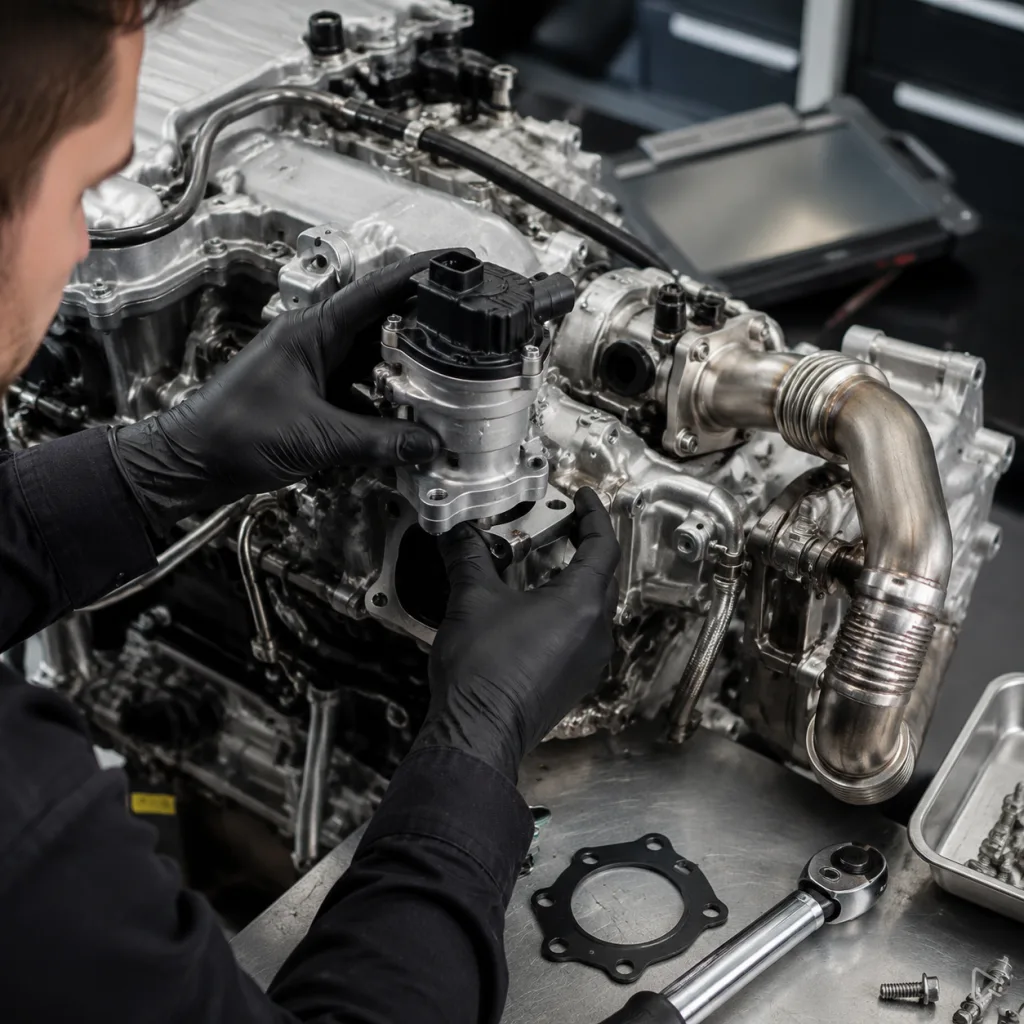
Acura-fit clutch kits are sourced by distributors, repair-chain buyers, and Tier-1 procurement teams that need reliable fitment coverage, consistent packaging, and predictable supply. A qualified clutch kit Acura supplier should be assessed on process control, friction material stability, release bearing performance, documentation discipline, and the ability to respond when forecasts or SKU priorities change. In B2B sourcing, the lowest unit price rarely reflects the full cost. Warranty exposure, catalogue accuracy, mixed-model container planning, private-label artwork, and customs documentation all influence landed cost and customer satisfaction. Driventus manufactures engine and powertrain components in Taizhou, Zhejiang, and exports to more than 60 countries. Our clutch kit programs are managed under IATF 16949:2016 and ISO 9001:2015 procedures, with inspection records available for qualified buyers. Driventus is an independent aftermarket manufacturer; vehicle brand names are referenced for fitment identification only.
What Buyers Should Confirm Before Sourcing
A sourcing decision for Acura-fit clutch kits should begin with application mapping rather than price negotiation. Buyers need to confirm engine, transmission, model year, spline count, disc diameter, cover assembly height, release bearing type, and pilot bearing inclusion where applicable. These details reduce returns caused by catalogue overlap, regional application differences, or incomplete kit definitions.
A capable supplier should be able to provide:
Application list by model, engine code, transmission type, and production year
OE part-number cross-reference format where required, using buyer-supplied OE references only
Kit contents, including clutch cover, driven plate, release bearing, pilot bearing, or alignment tool where specified
Carton dimensions, gross weight, pallet count, and container loading estimate
Private-label artwork control, barcode allocation, and country-of-origin marking
Batch traceability by lot, production date, and inspection record
Buyers comparing suppliers can review our catalog to understand the breadth of Driventus powertrain coverage, then request a formal fitment matrix for the Acura applications required in their market. This step helps separate confirmed references from items that need sample validation or dimensional review before ordering.
Factory Capability, MOQ, and Lead-Time
For a clutch kit Acura supplier, practical supply capability matters as much as technical drawings. Distributors often need mixed SKUs with stable cartons and predictable replenishment. OEM and Tier-1 buyers usually require drawing review, PPAP-style documentation, and controlled process changes. Repair-chain procurement teams focus on fill rate, warranty handling, and consistent installation results across multiple service locations.
Typical sourcing parameters are shown below. Actual values depend on SKU mix, packaging format, bearing specification, artwork status, and forecast stability.
Sourcing item
Standard program
Private-label program
Custom program
MOQ per SKU
100–300 sets
300–500 sets
Project based
Lead-time after deposit
35–50 days
45–60 days
60–90 days
Packaging
Neutral export carton
Buyer artwork
Buyer specification
Documentation
Invoice, packing list, COO where needed
Plus artwork approval record
Plus drawing and validation file
Typical buyer
Wholesaler or importer
Distributor brand owner
OEM or Tier-1 project
</tr></thead><tbody> </tbody></table>Forecast visibility improves lead-time control. For recurring orders, Driventus can plan friction plate, pressure plate, bearing, and carton inventory separately to reduce bottlenecks. For new programs, we recommend confirming top-moving references first, then adding long-tail Acura-fit SKUs after catalogue data is validated. This phased approach protects cash flow while giving the buyer time to verify fitment data, carton durability, and sell-through performance.
Quality System and Production Control
Clutch kits are safety- and drivability-related assemblies, so buyers should expect more than final visual inspection. Pressure plate clamp load, driven plate runout, spline fit, torsional damper performance, release bearing noise, and balance control all affect installation quality, pedal feel, service life, and warranty rate.
Driventus operates under IATF 16949:2016 and ISO 9001:2015. These standards support process control, corrective action, document control, supplier management, and traceability. Buyers can review our quality system before scheduling an audit or requesting qualification documents.
Typical inspection controls include:
Incoming inspection of steel, friction material, springs, rivets, and bearing components
Dimensional inspection of hub spline, disc outside diameter, and cover mounting geometry
Clamp load and lift characteristic checks for cover assemblies
Driven plate axial runout checks before packing
Bearing rotation, noise, and grease condition checks
Lot identification on cartons and internal production records
Environmental and material compliance may also be required for EU and UK procurement. Where applicable, buyers may request supplier declarations related to REACH (EC) No 1907/2006. Packaging requirements, including recyclable cartons, pallet fumigation documentation, moisture protection, and destination-specific labels, should be confirmed before mass production to avoid repacking or customs delays.
Fitment Data, Cross-References, and Private Label
Acura applications can vary by market, engine, transmission, and production period. A procurement team should not rely on vehicle name alone. Cross-reference work is best managed through a controlled spreadsheet that separates buyer part number, supplier part number, vehicle application, key dimensions, kit contents, and validation status.
For aftermarket distributors, private-label readiness is often a deciding factor. The supplier should provide carton dielines, label fields, barcode position, country-of-origin marking, and carton strength data before artwork release. Importers selling in the EU, UK, US, Canada, Australia, Brazil, or other regulated markets may also need language-specific label fields, recycling marks, importer details, and batch numbers visible on the outer carton.
For buyers requiring non-standard content, Driventus supports custom manufacturing for defined projects. This can include a specified release bearing source, adjusted kit composition, revised carton structure, or application-specific validation plan. Custom programs should start with drawings, samples, target annual volume, warranty expectations, and any required audit checklist so that technical, commercial, and packaging requirements are aligned before tooling or artwork approval.
Driventus does not claim approval or endorsement by any vehicle manufacturer. Driventus is an independent aftermarket manufacturer; vehicle brand names are referenced for fitment identification only.
Audit Questions for a Clutch Kit Acura Supplier
A structured supplier audit reduces commercial and technical risk. The questions below are suitable for import managers, sourcing engineers, and quality teams before placing a trial order or approving a private-label program.
Can the supplier provide IATF 16949:2016 and ISO 9001:2015 certificates with valid scope and expiry date?
Are pressure plate clamp load and release travel measured by batch?
How is driven plate runout controlled before packing?
What is the traceability path from carton label to production lot and incoming material batch?
Are friction materials and bearing components sourced from approved suppliers?
What is the documented response time for non-conforming goods and warranty claims?
Can the supplier support mixed-SKU pallets and destination-specific carton marks?
Does the supplier provide pre-shipment photos, packing lists, and container loading data?
Are engineering changes controlled with buyer notification before implementation?
Buyers should also request sample inspection reports before confirming a large purchase order. A trial shipment should include high-volume Acura-fit references and at least one low-volume application to test catalogue accuracy, packaging consistency, and after-sales communication. If the supplier will handle private-label cartons, the trial order should also verify barcode readability, carton compression strength, pallet labeling, and the accuracy of country-of-origin marks.
Commercial Terms and Export Documentation
Commercial clarity prevents delays after production. Before issuing a purchase order, buyers should confirm Incoterms, payment terms, inspection timing, packing method, pallet requirements, and required shipping documents. FOB Ningbo or Shanghai is common for consolidated orders from Zhejiang, while CIF, CFR, or other terms can be discussed according to destination, freight strategy, and buyer preference.
For distributor programs, the most important operational controls are SKU accuracy, carton durability, and repeatable replenishment. For OEM or Tier-1 programs, the focus shifts to drawing control, process capability, change management, and audit records. For multi-location repair chains, availability, warranty handling, and consistent kit contents are usually the main concerns.
A complete RFQ should include:
Target Acura applications and annual volume by SKU
Required kit contents and bearing specification
Packaging type: neutral, buyer brand, or project-specific
Destination country and compliance documentation needs
Target order schedule and forecast window
Sample quantity and validation requirements
Preferred Incoterms and port of discharge
When these inputs are available at the start, quotation accuracy improves and unnecessary sample revisions are reduced. Buyers can request a quote with their application list, packaging requirements, and target delivery schedule. Driventus can then review confirmed references, identify items requiring dimensional checks, and recommend a sourcing plan that balances MOQ, lead-time, and market coverage.
Frequently asked questions
Send model, year, engine, transmission, disc diameter, spline count, kit contents, annual volume, destination country, and packaging preference. If available, include buyer part numbers and any controlled OE cross-reference format used in your catalogue.
Yes. Private-label supply can include buyer artwork, barcode fields, carton marks, pallet labels, and batch traceability. MOQ and lead-time depend on SKU count, carton design, bearing specification, and forecast stability.
No. Driventus does not claim approval or endorsement by any vehicle manufacturer. Driventus is an independent aftermarket manufacturer; vehicle brand names are referenced for fitment identification only.
If you are qualifying a clutch kit Acura supplier, send your application list, target MOQ, and packaging requirements. Driventus can review fitment coverage and sourcing options through /contact.html