lower engine gasket set · 2026-06-07

Check Engine Light P0420: Lower Engine Gasket Set Guide

P0420 means the powertrain control module has detected catalyst system efficiency below the calibrated threshold, usually by comparing upstream and downstream oxygen sensor activity. The code does not automatically condemn the catalytic converter, and it does not eliminate the possibility of a lower engine gasket set issue. Oil entering the combustion process, coolant leaking into a cylinder, poor crankcase sealing, or a vacuum-related sealing fault can change exhaust composition and mislead catalyst monitoring. In the workshop, that may appear as a repeat P0420, rough idle, smoke, coolant loss, oil consumption, fuel-trim correction, or visible residue around the oil pan, timing cover, crank seals, and block interfaces. For buyers, distributors, and repair operations, the right sequence is diagnosis before procurement. A lower engine gasket set is justified when compression testing, leak-down testing, cooling-system pressure testing, exhaust inspection, and visual checks point to a sealing failure. That disciplined approach reduces comeback risk and helps avoid replacing a catalyst or oxygen sensor when the root cause is in the engine’s lower sealing system.

Why P0420 Needs More Than a Code Readout

P0420 is a monitored result, not a complete diagnosis. In most OBD-II systems, the engine control module compares the switching behavior of the front oxygen sensor with the rear oxygen sensor after the catalyst. If the rear sensor pattern becomes too similar to the front sensor, the system interprets catalyst oxygen-storage capacity as reduced. That pattern can come from an aged converter, but it can also be triggered by conditions upstream of the catalyst.

Lower-end sealing faults are not the most common cause of P0420, yet they matter when symptoms support them. A leaking gasket, worn crank seal, poor cover seal, or related lower-engine interface can contribute by changing combustion quality or contaminating the exhaust stream.

A lower-end sealing fault may affect the catalyst monitor in several ways:

  • Oil entering the combustion chamber increases hydrocarbon and ash load, which can coat or overheat the catalyst.
  • Coolant ingress can promote misfire, steam in the exhaust, and abnormal oxygen sensor readings.
  • Unmetered air from sealing or vacuum-related leaks can shift fuel trims and alter exhaust oxygen content.
  • Low compression or persistent misfire can send excess fuel and oxygen into the catalyst, reducing efficiency and service life.
  • External oil leakage onto hot components can create odor, smoke, and customer complaints that are easily confused with exhaust or catalyst failure.

If the vehicle also shows blue smoke, unexplained coolant loss, oil-fouled spark plugs, crankcase pressure problems, or a wet lower block, the lower engine gasket set should be investigated. If those clues are absent, inspect for exhaust leaks ahead of the rear oxygen sensor, damaged sensor wiring, fuel-trim abnormalities, misfire history, and catalyst temperature response before ordering parts.

Symptom To Cause Check

Use a structured check before deciding on replacement. The aim is to separate an engine sealing fault from a catalyst, oxygen sensor, exhaust leak, or calibration-related issue. This is especially important for B2B sourcing because a gasket set may be the correct repair for one engine family and unnecessary stock for another if the failure mode is not confirmed.

</tr></thead><tbody> </tbody></table>If testing localises the fault to the lower end, a replacement lower engine gasket set is usually more effective than chasing sensor data alone. If the evidence points to the exhaust or catalyst monitor, ordering gaskets may add cost without resolving the check engine light p0420 lower engine gasket set concern.

What To Inspect Before Ordering Parts

A lower engine gasket set should be ordered after the engine is confirmed to have a sealing issue, not simply because P0420 is stored. The inspection sequence is practical for repair shops and useful for procurement teams reviewing warranty claims, repeat purchases, or field-failure patterns.

Inspection checklist

1. Record all diagnostic trouble codes, freeze-frame data, mileage, fuel trims, and misfire counters before clearing anything. 2. Check oil level, coolant level, oil condition, and coolant contamination. 3. Look for fresh seepage at the oil pan, timing cover, front crank seal, rear main seal area, and lower block interfaces. 4. Inspect the PCV system because crankcase pressure can turn a marginal gasket into a repeat leak. 5. Inspect spark plugs and borescope cylinders where possible for oil deposits, coolant steam-cleaning, or carbon imbalance. 6. Verify compression across all cylinders and compare readings with the service specification. 7. Run a leak-down test if compression is uneven, borderline, or inconsistent with symptoms. 8. Pressure test the cooling system and hold pressure long enough to reveal slow internal leaks. 9. Confirm there are no exhaust leaks ahead of the rear oxygen sensor, including flange joints, flex sections, and manifold-to-pipe interfaces. 10. Verify oxygen sensor response, heater operation, wiring condition, and connector integrity before condemning the catalyst.

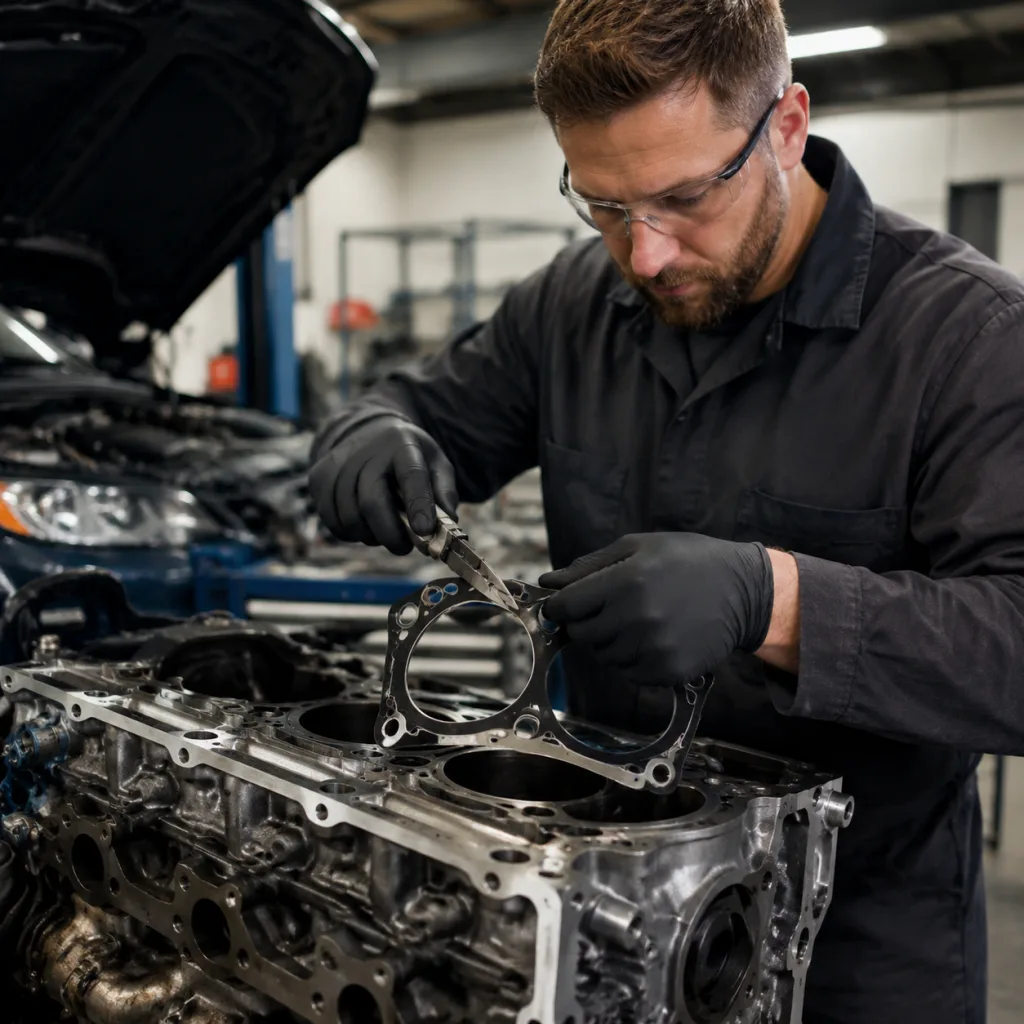
If the lower end passes these checks, P0420 is more likely to be caused by catalyst ageing, oxygen sensor drift, exhaust leakage, fuel-control issues, or prior misfire damage than by a gasket failure. If the lower engine shows leakage or internal contamination, replace the affected sealing components and correct any supporting causes such as blocked PCV flow, distorted covers, damaged mating surfaces, or improper sealant use.

What A Lower Engine Gasket Set Should Cover

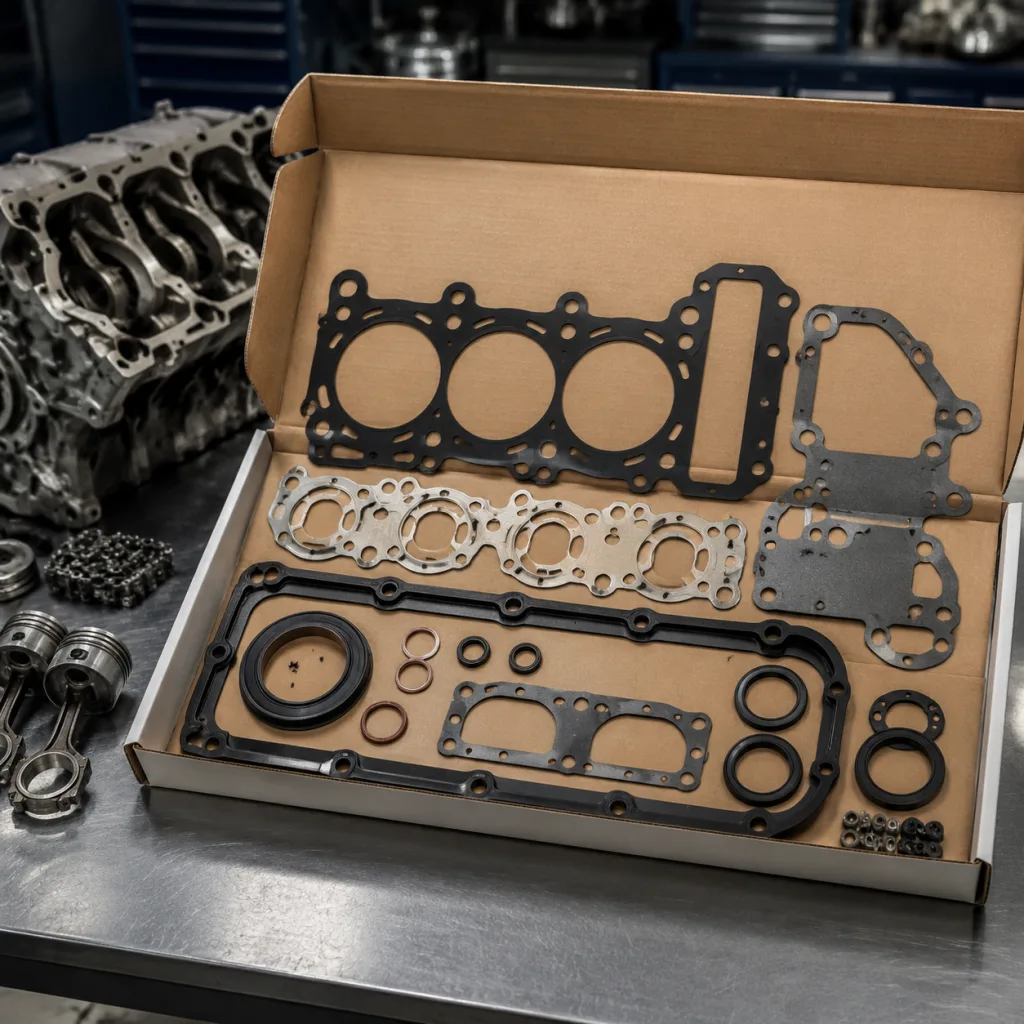
Content varies by engine family, production date, and market specification, so buyers should verify the bill of materials rather than assume a universal kit. A practical lower engine gasket set commonly includes sealing items for the oil pan, timing cover, front crank area, rear crank area, oil pump interface, pickup tube, and related lower-end joints. Some applications may also require O-rings, formed rubber seals, molded corner pieces, anaerobic sealant, or separate one-time-use fasteners.

Typical specification points to confirm:

  • Correct gasket material for oil, coolant, fuel dilution, blow-by exposure, and engine heat
  • Seal lip geometry matched to crankshaft diameter, rotation direction, and running-surface condition
  • Molded corners, carrier shape, and bead profiles that follow the OE sealing path
  • Resistance to engine oil, coolant, additive chemistry, oxidation, and thermal cycling
  • Dimensional stability after compression, heat soak, and storage
  • Surface finish compatibility with aluminum, cast iron, and stamped-steel mating parts
  • Packaging that preserves flatness, protects seal lips, and prevents dust or deformation in transit
  • Clear part identification by engine code, model range, production year, and kit contents

For rubber and elastomer components, suppliers should document material control, hardness range, compression-set performance, traceability, and process consistency. For B2B programmes, quality-system evidence such as IATF 16949:2016 and ISO 9001:2015 helps support audit requirements. Material declarations should also support REACH (EC) No 1907/2006 where applicable, especially for export customers or private-label supply.

Sourcing And Validation For Procurement Teams

Buyers should evaluate the part and the supplier together. A lower engine gasket set can appear dimensionally correct and still fail early if the elastomer compound, compression set, bead height, sealant compatibility, or packaging control is poor. For a check engine light p0420 lower engine gasket set requirement, the commercial question is not only whether the kit fits; it is whether the kit supports a durable repair after the underlying engine condition has been confirmed.

Symptom Likely direction Next check
P0420 returns after resetPersistent catalyst-monitor issueRead short- and long-term fuel trims, inspect exhaust leaks, and compare front and rear oxygen sensor activity
Oil consumption or blue smokeOil control or sealing failureInspect crank seals, oil pan, timing cover, PCV system, plugs, and piston/ring condition
Coolant loss with no visible dripPossible internal leakPressure test the cooling system, inspect plugs, and check for coolant contamination in oil or exhaust
Rough idle and misfireCompression, mixture, or sealing problemRun compression testing, leak-down testing, and misfire data review
Oil around timing cover or panExternal gasket or seal failureClean the area, run the engine, use dye if needed, and re-check for fresh seepage
Negative fuel-trim correction with rich operationExcess fuel or incomplete combustionCheck injectors, ignition, compression, and sensor feedback before replacing the catalyst
Rear oxygen sensor mirrors the front sensorReduced catalyst oxygen storage or false signalConfirm sensor operation, exhaust tightness, and catalyst temperature rise under load

</tr></thead><tbody> </tbody></table>Review our catalog, the quality system, and custom manufacturing when you need a specific engine programme, export label, or private-pack requirement. Driventus is an independent aftermarket manufacturer; brand names are referenced for fitment only. If the application sits inside a broader engine family, also compare the item with engine components to keep the bill of materials aligned.

Frequently asked questions

No. P0420 means the catalyst system is operating below the calibrated efficiency threshold. Exhaust leaks, misfire, oil burning, coolant contamination, fuel-control issues, and oxygen sensor faults can produce the same code.

Only when a confirmed sealing fault is causing oil consumption, coolant ingress, compression loss, or related combustion problems. If the root cause is the catalyst, oxygen sensor, exhaust leak, or fuel control, a gasket set will not clear the fault permanently.

Verify engine code, kit contents, sealing material, dimensional match, batch traceability, packaging condition, and application data. For regulated supply chains, also check support for IATF 16949:2016, ISO 9001:2015, and REACH documentation.

If you need a lower engine gasket set matched to a specific engine family, start with [request a quote](/contact.html).

Request a Quote
Procurement check Why it matters
Drawing match to engine codePrevents fitment errors across variants, production years, and regional specifications
Complete bill of materialsAvoids workshop delays caused by missing O-rings, crank seals, or molded corner pieces
Material declarationSupports compliance review, export clearance, and customer documentation
Leak and heat-cycle validationReduces early leakage, hardening, and loss of sealing load in service
Compression-set and hardness controlHelps maintain clamp load and seal recovery over time
Traceability by batchImproves recall control, claim review, and corrective-action handling
Packaging controlProtects sealing surfaces, molded beads, and seal lips during storage and transit
Application data qualityReduces returns caused by engine-code overlap or unclear fitment notes