Camshaft Skoda OEM Supplier: Sourcing Guide for Buyers
Procurement teams looking for a camshaft Skoda OEM supplier need more than a catalogue match. The real test is whether a supplier can control lobe geometry, journal accuracy, surface integrity, traceability, and documentation well enough to support incoming inspection, supplier onboarding, export compliance, and repeat orders. For Skoda applications, buyers typically compare OE references, engine codes, intake/exhaust position, lobe lift, base circle, phase angle, journal diameter, runout, material grade, heat treatment route, packing method, and batch coding before approving a source. The goal is not simply to pass one sample check, but to confirm that the part can hold the required geometry across production lots. Driventus manufactures engine and powertrain parts in Taizhou, Zhejiang, with IATF 16949:2016 and ISO 9001:2015 systems in place, and exports to more than 60 countries. Driventus is an independent aftermarket manufacturer; Skoda and other vehicle brand names are referenced for fitment identification only. This guide explains what to verify when sourcing camshafts for Skoda applications, how to compare supplier capability, and which documents help reduce risk during PPAP-style review, receiving inspection, export clearance, and replenishment planning.
What buyers should verify before approval
A camshaft purchase should be approved on measurement evidence, not catalogue claims. For Skoda fitment programmes, start with the exact engine family, engine code, model-year range, valve train layout, and catalogue position of the requested reference. One vehicle brand can include naturally aspirated, turbocharged, MPI, TSI/TFSI, and diesel variants, each with different camshaft timing, trigger wheels, sprocket interfaces, and journal layouts. Fitment therefore needs to be checked against the buyer’s own application data before production release.
For Skoda-related aftermarket sourcing, verify these points before issuing a first order:
OE cross-reference used for fitment only, such as OE 06A107065 where applicable
Engine code, intake or exhaust position, and left/right or front/rear orientation where relevant
Cam lobe lift, base circle, ramp profile, and timing phasing against the matched reference sample
Journal diameter, journal spacing, roundness, straightness, runout, and surface roughness
Core material, casting or forging route where applicable, heat treatment method, and effective hardening depth
Oil hole position, chamfer size, and burr-free lubrication passages
Rust-prevention method, VCI protection or oiling, end caps, dividers, and carton drop resistance
Traceability from material heat number or casting batch to machining lot, inspection lot, and export carton
It is also worth agreeing on incoming inspection criteria, retained sample rules, and failure-response timing before the shipment leaves the factory. If your team works to AQL-based receiving inspection, ask the supplier to align carton labelling, batch traceability, and sample submission with your internal quality plan. Gaps in these basics often create avoidable launch delays, especially when the first shipment must pass technical inspection, warehouse receiving, and customs documentation review.
Supplier capability that matters for engine parts
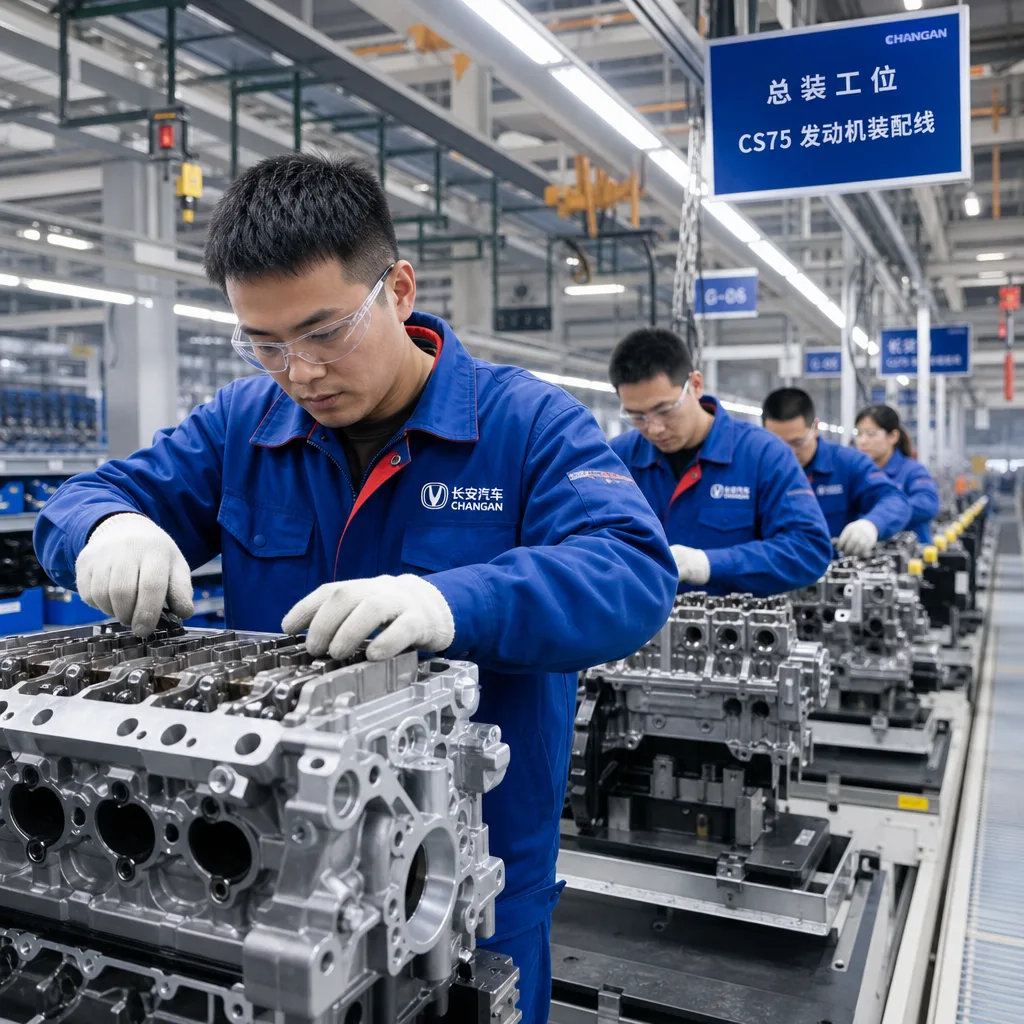
For a camshaft programme, factory capability carries more weight than a polished sales sheet. A credible supplier should be able to explain how turning, milling, grinding, heat treatment, surface finishing, washing, anti-rust protection, batch identification, and final packing are controlled. These details matter because small deviations in lobe profile, journal finish, or trigger position can lead to valve-timing errors, oil-film breakdown, noise, accelerated wear, or fitment disputes after installation.
Driventus builds engine components in-house and uses controlled processes for machining, heat treatment, surface finishing, and final inspection. Its quality system is based on IATF 16949:2016 and ISO 9001:2015, which is important for procurement teams that need batch-to-batch repeatability, not just a clean first article. When comparing more than one camshaft Skoda OEM supplier, request the same evidence from each factory and score it against one technical and commercial approval checklist.
Capability checklist
Item
What buyers should ask
Why it matters
Dimensional control
CMM, micrometre, air gauge, height gauge, and runout reports
Confirms bearing fit, rotation stability, and repeatable valve timing
Profile control
Lobe lift, base circle, ramp profile, phase angle, and master-sample comparison
Protects engine performance and reduces catalogue-fitment disputes
Surface integrity
Hardness, roughness, grinding burn check where applicable, and finish records
Reduces break-in wear and journal/lobe scuffing risk
Material control
Material grade, heat lot, casting batch or bar-stock batch, and heat treatment summary
Supports durability review and root-cause analysis
Traceability
Heat lot, machining lot, inspection lot, batch code, and packing records
Supports complaint handling, containment, and targeted recall decisions
Prevents customs delays and warehouse receiving issues
Change control
Drawing revision, process revision, tooling status, and sample approval record
Protects production continuity after approval
</tr></thead><tbody> </tbody></table>The review should not stop at inspection reports. Capacity, tooling ownership, gauge availability, and finishing capacity also affect supply stability. A factory may produce an acceptable sample and still struggle with repeat orders if fixtures, profile gauges, heat treatment loading, or grinding capacity are not stable. Ask whether the quoted reference comes from existing tooling, modified tooling, or a new development route, since this affects sample timing, unit cost, PPAP-style evidence, and revalidation requirements.
Dimensional control and validation testing
A camshaft is a geometry-driven engine part. Small variation in lobe height, base circle, or phase angle can affect valve timing, idle quality, emissions performance, oil-film behaviour, and durability. The strongest validation package brings together dimensional evidence, material evidence, surface-condition evidence, and practical fitment checks, giving engineering, purchasing, and quality teams a shared basis for review.
For a first article or sample approval, buyers should usually request:
Lobe height, base circle, opening/closing ramp profile, and nose radius measurements across all lobes
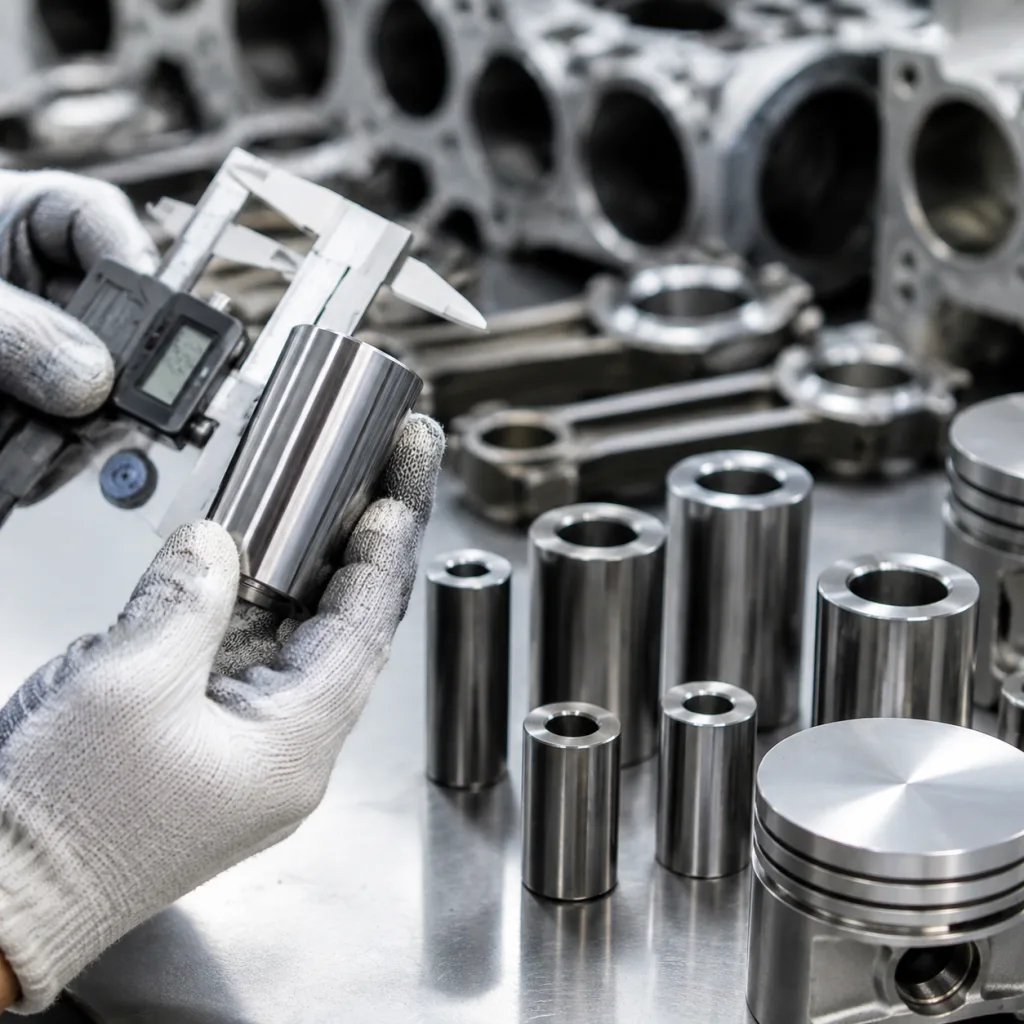
Journal diameter, journal roundness, cylindricity or taper, concentricity, and total indicated runout data
Cam-to-cam, lobe-to-keyway, or lobe-to-trigger phasing report where applicable
Overall length, thrust face width, end float control surface, gear/sprocket interface, and sensor trigger position
Oil hole location, chamfer condition, cleaning status, and burr inspection for lubrication passages
Surface roughness data for journals and functional lobe surfaces, typically reported as Ra values with measurement positions
Surface hardness and effective case depth or chilled-depth test results after heat treatment where the design requires hardened surfaces
Metallographic or microstructure summary where the material and hardening process justify it
Visual inspection for scoring, dents, corrosion, burrs, handling marks, and transport damage
Trial assembly, rotation check, or fitment confirmation where the programme requires it
Where the application requires it, validation may reference ECE R-83 for emissions-related vehicle considerations, although the camshaft itself is not certified under that regulation. For durability discussions, suppliers may also reference SAE or internal endurance methods, but only where the test method is directly relevant to the camshaft or adjacent valve-train validation. Treat these standards as context, not as a substitute for part-specific dimensional reports.
If your programme uses OE 06A107065 or another OE reference, ask for the nominal dimensions, control characteristics, and tolerance stack used for the production sample. This helps reduce false equivalence during first article approval. It also allows the buyer to separate true interchangeability from surface-level similarity, which is critical when the same general Volkswagen Group engine family includes multiple Skoda camshaft versions.
Lead times, MOQ, and supply terms
Purchasing teams often look at unit price first, but supply risk is usually shaped by lead time, MOQ, forecast discipline, packaging scope, and inspection release timing. For a camshaft programme, the right commercial structure depends on annual volume, variant count, launch timing, tooling status, inspection requirements, and whether the order is packed as neutral stock, private label, or customer-specific export packaging.
Driventus supports B2B supply for aftermarket distributors, OEM/Tier-1 programmes, and multi-location repair chains. Typical commercial questions include:
1. What is the MOQ per reference, per engine family, and per packing configuration? 2. What is the standard production lead time after sample approval and deposit or purchase-order release? 3. What is the sample lead time if new tooling, revised machining, profile grinding, or private-label artwork is required? 4. Can mixed references ship in one consolidated export order, and what carton/pallet rules apply? 5. Are spare cartons, labels, VCI bags, anti-rust oil, end protectors, and pallets included or charged separately? 6. Is the supply plan based on forecast release, scheduled replenishment, call-off order, or spot order? 7. What Incoterms, payment terms, inspection windows, and document cut-off dates apply to the shipment? 8. How are urgent orders, backorders, engineering changes, and quality holds communicated?
For buyers managing stock across the EU, UK, North America, Australia, or Brazil, predictable replenishment can be more valuable than the lowest opening quote. Stable delivery reduces catalogue gaps, prevents emergency air freight, and helps distributors plan slow-moving references without overstocking. Camshafts are not always high-frequency items, but the commercial impact of a stockout can be significant when a repair chain, engine rebuilder, or wholesale customer needs a specific Skoda engine reference.
How Driventus supports private-label and OEM programmes
Driventus offers custom manufacturing support for buyers who need private-label packaging, batch control, or a reference matched to an existing inventory base. This can help when the aim is to replace a discontinued source, consolidate vendor count, improve batch traceability, or create a region-specific assortment for Skoda-related engine applications.
Private-label support can include customer carton design, neutral or branded cartons, carton marks, barcode requirements, pallet labels, batch identification, and packing specifications for sea, air, courier sample, or consolidated warehouse shipments. For OEM-style programmes, the review may also cover drawing comparison, master-sample confirmation, sample submission, control-plan discussion, and approval of any process, material, surface-treatment, or packaging change before mass production.
You can review our catalog and the broader engine components range to check related part families that may be bundled in a single sourcing programme. Buyers often source camshafts together with tappets, rocker arms, timing components, valve-train parts, or other engine components to simplify supplier management, improve container utilisation, and align replenishment schedules. For special packaging, labelling, or design adaptation, see custom manufacturing.
Driventus is an independent aftermarket manufacturer; brand names are referenced for fitment only. We do not claim approval, affiliation, or endorsement by any vehicle manufacturer. Buyers should always validate the final reference against their own catalogue, engine-code coverage, installation requirements, market regulations, and application data before release.
If your team requires supplier onboarding documents, technical drawings, a commercial quotation, or sample submission, the best next step is to request a quote with the target OE reference, engine code, annual volume, destination market, packaging requirements, and incoming inspection criteria.
Inspection pack and commercial documents
Procurement teams move faster when the supplier sends a complete inspection pack with the quotation or first sample. For camshaft sourcing, the document set should serve three groups at once: engineering needs technical evidence, quality needs traceability and inspection criteria, and logistics needs export-ready commercial documents. If the file is incomplete, approval slows down as each department has to chase missing information separately.
For a camshaft Skoda OEM supplier review, the most useful documents are:
Product drawing, technical specification, or agreed control plan with key characteristics identified
OE cross-reference list used for fitment only, matched engine-code notes, and application exclusions where applicable
Material declaration, material grade, and heat lot or casting-batch traceability record
Dimensional inspection report covering lobe profile, base circle, journal diameter, runout, overall length, and interface features
Heat treatment summary, hardness record, effective case-depth or chilled-depth record where applicable, and surface finish report
Cleanliness, deburring, oil-hole, and anti-corrosion inspection records where required by the buyer
If your import team needs supplier onboarding support, ask for a document set that matches your internal approval process before the sample is shipped. This is especially important when you are comparing a new camshaft Skoda OEM supplier with an incumbent source. A complete file shortens technical review, reduces clarification rounds, and gives the buyer a clearer basis for approving the first order, setting incoming inspection rules, and managing future claims.
Frequently asked questions
Yes. Driventus supplies camshafts for B2B programmes using OE cross-references for fitment identification only. Buyers should verify drawings, dimensions, engine-code coverage, lobe profile, and sample approval before placing production orders.
Driventus operates to IATF 16949:2016 and ISO 9001:2015. For relevant products, documentation can also support REACH (EC) No 1907/2006 compliance requests.
Yes. Driventus supports custom manufacturing, including private-label cartons, neutral packing, batch identification, carton marks, barcode requirements, pallet labels, and programme-specific supply terms for distributors and OEM customers.
If you are qualifying a new camshaft source for Skoda applications, send your target OE reference, engine code, annual volume, destination market, packaging requirements, and inspection requirements. Our team can review fitment data and commercial terms at /contact.html