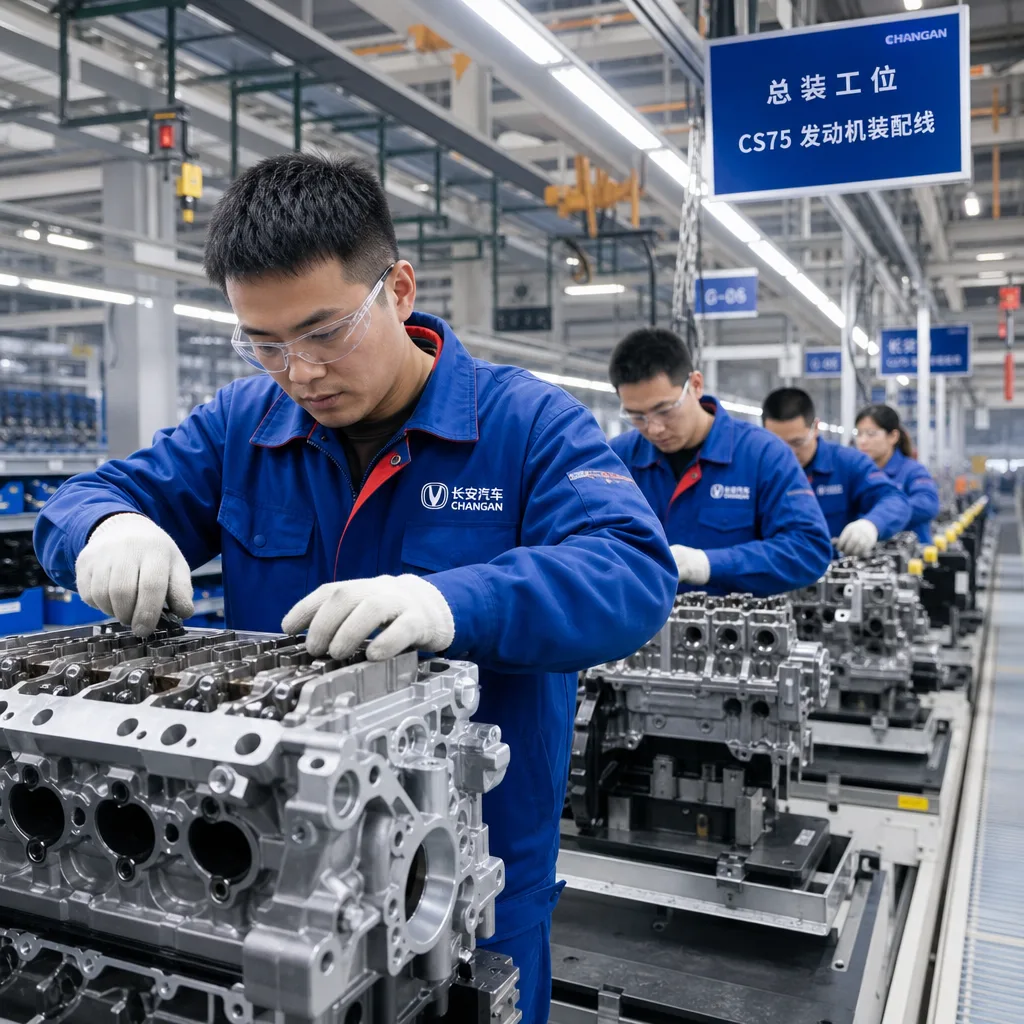
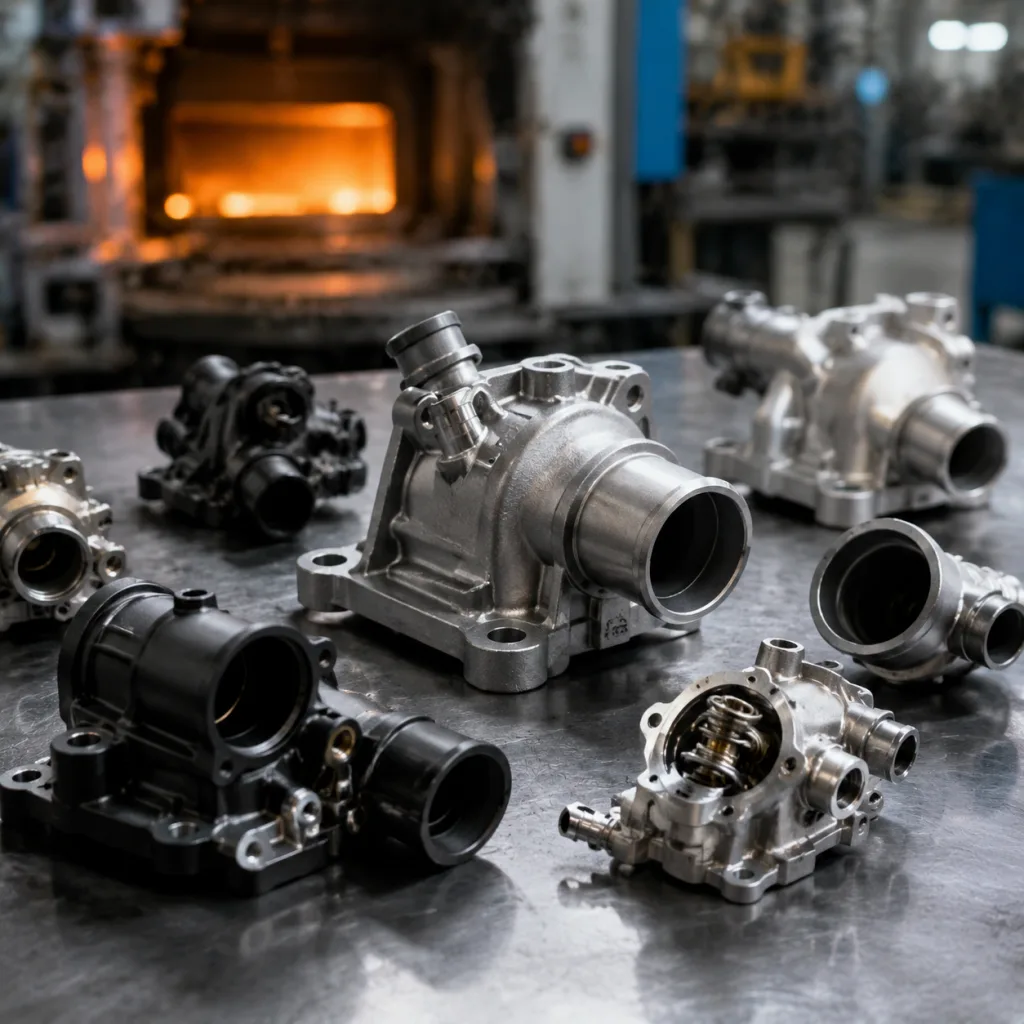
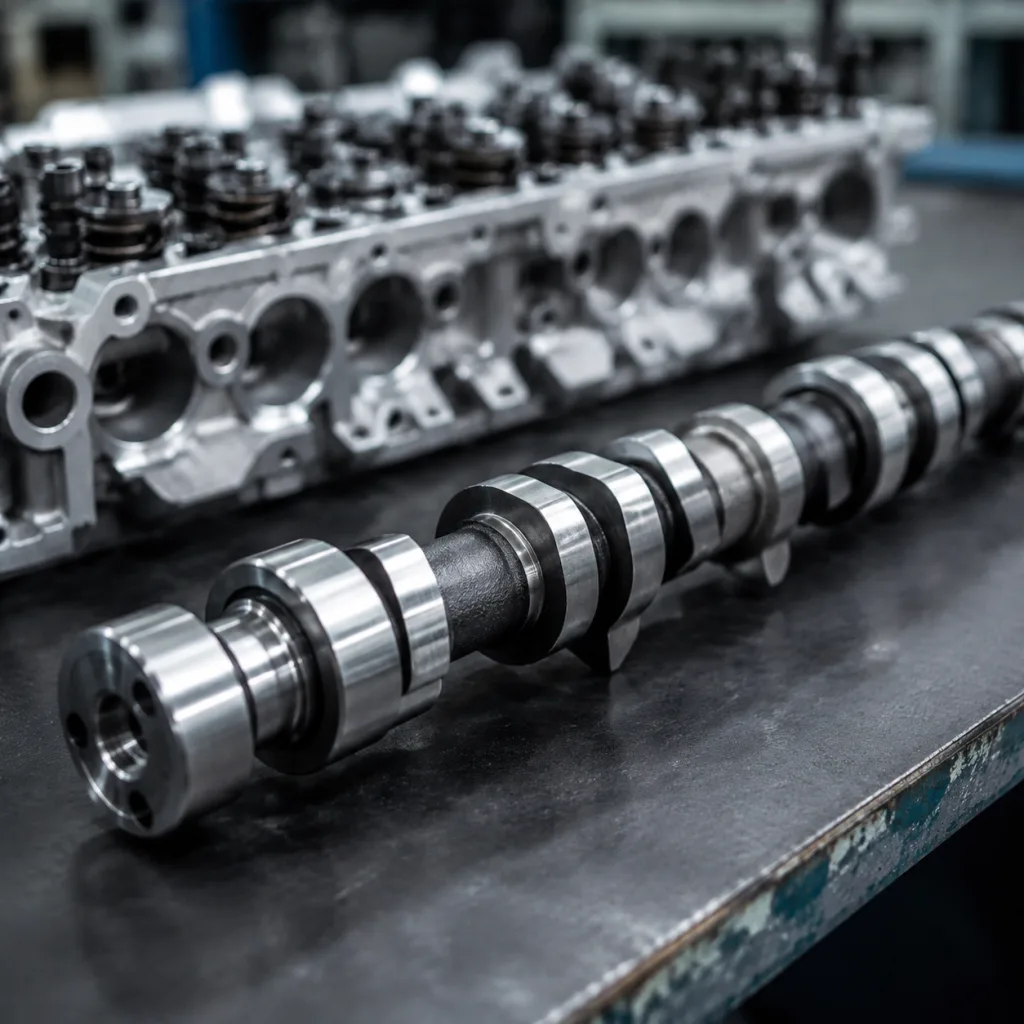
When you evaluate a cylinder liner ram OEM supplier, price should come after proof of process control. The real questions are narrower: can the factory hold bore geometry, ring-land wear limits, and surface finish across repeat batches, and can it do so at the volumes your program needs without drift? Driventus manufactures engine and powertrain components in Taizhou, Zhejiang, and supplies B2B customers across the aftermarket, OEM, and repair-chain segments. We operate under IATF 16949:2016 and ISO 9001:2015 systems and export to more than 60 countries. Driventus is an independent aftermarket manufacturer; brand names are referenced for fitment only. If you are shortlisting a cylinder liner ram OEM supplier, the decision should be based on material grade, machining route, inspection data, packaging, and lead time—not unit cost alone.
How to decide whether a supplier is worth auditing
Start with the checks that expose risk fastest. A supplier either has the controls in place, or it does not.
Material route: confirm whether the liner is dry or wet, and request the base chemistry by grade, such as FC250/FC300-class grey iron or a ductile-iron equivalent where the application needs higher hoop strength.
Dimensional control: ask for nominal bore diameter, outer diameter, flange height, and working length, plus tolerances for roundness, taper, cylindricity, and concentricity. For production programs, the RFQ should state the acceptance band in microns, not just “OEM standard.”
Surface finish: request plateau honing details, including target cross-hatch angle, Ra/Rz, and whether the finish is measured after final cleaning. Many buyers specify a running surface around Ra 0.2–0.8 μm and Rz 1.5–4.0 μm depending on ring package and oil control strategy.
Traceability: batch numbers, heat numbers, and inspection records should be available on request, with a sample label that matches the shipping carton and packing list.
Commercial terms: clarify MOQ, sample lead time, mass-production lead time, and pack quantity before sample approval. A serious supplier should state whether tooling, first-article inspection, or special gauging creates a one-time charge.
If the supplier hesitates on these basics, the sourcing process usually gets slower after the first audit. For a broader view of available parts, review our catalog and the engine range in engine components.
What certification actually changes in production
A cylinder liner is a wear-critical part, so certification matters because it forces discipline into the process, not because it is a logo on a document. Driventus operates under IATF 16949:2016 and ISO 9001:2015, which supports production planning, nonconformance control, corrective action, and record retention.
A procurement file should normally include:
Document
Why it matters
Material certificate
Confirms alloy, melt lot, and heat traceability
Dimensional inspection report
Verifies bore, OD, wall thickness, flange height, and runout
Surface roughness report
Supports ring break-in consistency and oil retention
Packaging specification
Reduces transit damage, rust, and mixing risk
PPAP-style submission where required
Helps OEM and Tier-1 approval workflows
Control plan and process flow
Shows how the supplier prevents drift at machining and honing stages
</tr></thead><tbody> </tbody></table>Where emissions-related fitment is involved, buyers may also need reference checks against REACH (EC) No 1907/2006 or vehicle application rules such as ECE R-83, depending on destination market and product scope. Driventus is an independent aftermarket manufacturer; brand names are referenced for fitment only. Our quality system page outlines the controls used for production release and batch tracking.
Spec deep-dive: the numbers that matter
Procurement engineers should compare offers on measurable parameters, not catalogue language. The wrong shortcut here is to assume two liners are equivalent because they share a part description.
Base material: alloyed grey iron or ductile iron, defined by the application, with a stated hardness window such as 180–240 HBW for many cast-iron applications unless the drawing specifies otherwise.
Wall thickness: matched to thermal load and parent-block design, with the minimum wall thickness called out in the drawing because localized thinning can affect press fit and heat transfer.
Straightness: controlled along the full working length, typically verified with a gauge or CMM report showing deviation within the agreed limit across 100% of the working zone or the sampled lot.
Bore geometry: roundness, taper, and cylindricity within agreed limits; for many RFQs this means microns-level control on a finished bore, plus a clear definition of measurement temperature and instrument resolution.
Finish quality: hone pattern, cross-hatch angle, and retained lubricant behaviour. Buyers should ask whether the final hone uses a target angle around 40°–60° and whether plateau depth is verified by roughness sampling.
Corrosion protection: VCI wrap, oil film, or custom export packing, with salt-spray or storage expectations defined if the parts may sit in transit or warehouse inventory for 60–90 days.
When the part family is part-numbered, buyers can cross-check OE references such as OE 06A107065 where fitment data already exists in the RFQ. The supplier should confirm whether the item is a direct replacement, a machining variant, or a custom size for oversize repair work. For non-catalogue applications, custom manufacturing is the correct route.
Lead time, MOQ, and export: the commercial test
For B2B buyers, supplier performance is often decided by repeatability in production and logistics. A workable cylinder liner partner should be able to state MOQ by part number, container loading strategy, and standard lead time before technical approval is complete.
Typical questions to resolve during sourcing:
1. What is the sample MOQ, and is it deductible from first order? 2. What is the normal production lead time after drawing approval? 3. Can the factory hold safety stock for recurring programs? 4. Are cartons, pallets, and labels aligned with destination-market requirements? 5. Can the supplier support bilingual documents, commercial invoices, and packing lists?
A practical commercial model usually looks like this: samples are quoted separately, first-off samples are supplied after drawing review, and the sample charge is credited against the first production order if the buyer moves forward. For production, MOQ should be tied to machine setup efficiency and packaging economics rather than an arbitrary round number; buyers commonly see low-volume pilot runs in the tens of pieces and repeating orders in the hundreds or thousands depending on size and machining complexity. Lead time should also be split into two parts: drawing and sample confirmation, then mass production. A serious supplier should quote both, for example 7–15 days for samples after the technical package is approved and 25–45 days for standard production after order confirmation, with longer windows only when tooling, heat-treatment capacity, or custom packaging is required.
Driventus ships to more than 60 countries and supports export documentation for distributors, wholesalers, and multi-location repair networks. That matters when buyers need stable replenishment rather than one-time spot purchase pricing. Ask for a quoted price ladder by order quantity, because unit cost should normally improve as volume increases; the RFQ should show whether pricing changes at breakpoints such as 100, 500, and 1,000 pieces, and whether carton or pallet charges are included or billed separately.
What a factory visit should prove
A factory audit for cylinder liners should focus on process control, not presentation. During a site visit or remote audit, look at the following:
Melting and casting control, including charge mix, furnace records, and the way the plant tracks heat identification from raw charge to finished liner.
Machining cell stability, tool change discipline, and in-process gauging, with evidence that first-piece inspection is signed off before a batch is released.
Honing equipment calibration and measurement system capability, including gauge R&R or equivalent proof that the shop can repeatedly measure bore size and finish.
Final inspection sampling, rejection handling, and quarantine flow, so defective parts cannot re-enter good stock.
Storage conditions for machined parts, especially corrosion prevention, FIFO rotation, and segregation of WIP from packed inventory.
If the plant can show stable process data, calibrated gauges, and controlled nonconforming material handling, the commercial risk usually drops. If you are comparing multiple suppliers, ask each one to document the same checklist so the decision is based on evidence. A strong audit also confirms who signs off deviation requests, how long records are retained, and whether corrective action reports close within an agreed SLA, such as 5–10 working days for containment and 30 days for root-cause closure. You can use the request a quote path to start a technical review with drawing, quantity, and target market details.
Frequently asked questions
Ask for material grade, dimensional tolerances, surface finish targets, MOQ, lead time, and inspection records. Those five items usually reveal whether the supplier can support production buying, not just sample supply. If possible, request the actual tolerance table, roughness report, and a sample inspection sheet from the same part number so you can compare apples to apples.
Yes, when the OE reference is provided in the enquiry. We verify fitment data against the drawing or sample and do not claim vehicle manufacturer endorsement. For sourcing decisions, it is best to include the OE reference, your target market, the engine code if available, and whether the liner is intended as a direct-fit replacement or an oversize repair option.
Yes. Driventus supports custom manufacturing for non-catalogue dimensions, packaging, and export labelling after technical review and drawing confirmation. For private-label programs, we can align carton markings, barcode format, and pack counts with your distribution requirements once the spec sheet and annual volume forecast are approved.
If you are qualifying a cylinder liner ram OEM supplier, send your drawing, OE cross-reference, or annual volume target and we will review the fitment and commercial options. Start here: /contact.html