Camshaft for Buick Regal Aftermarket Replacement: Buyer Guide
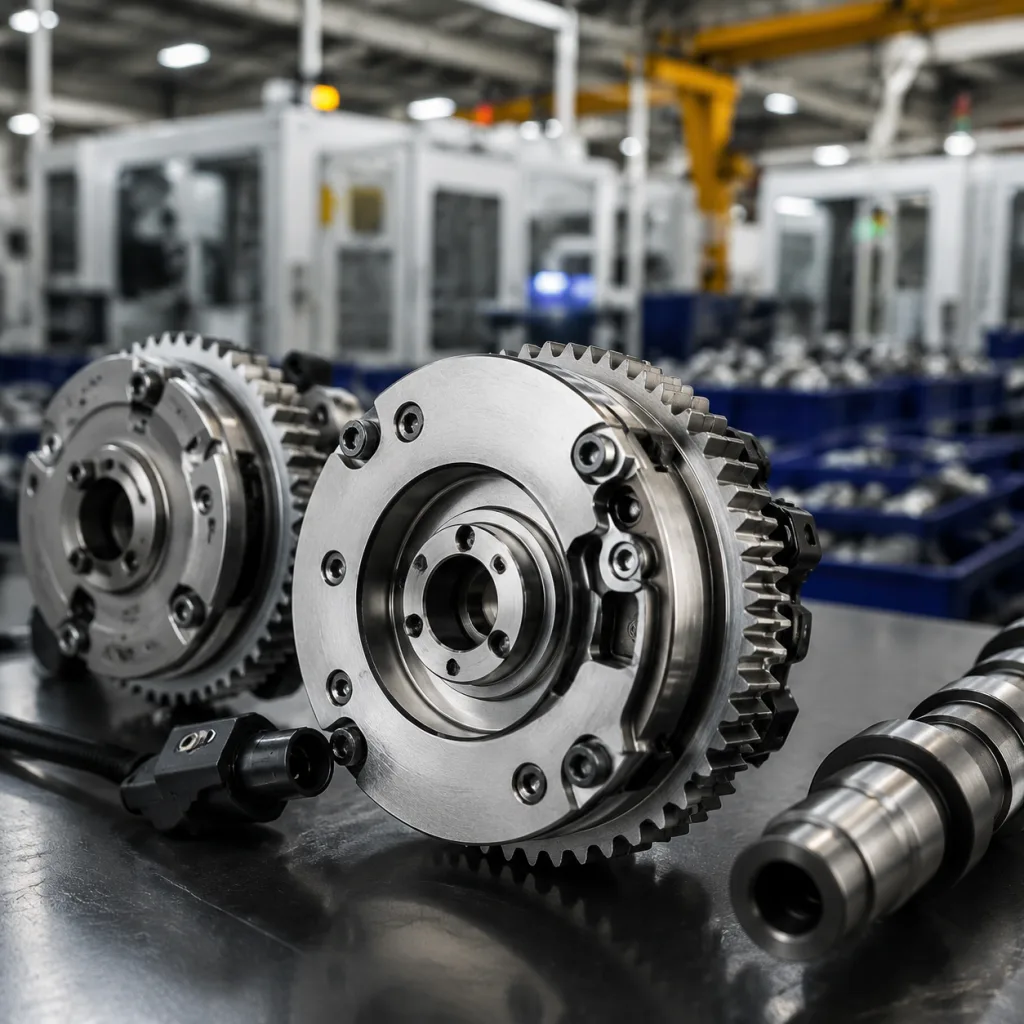
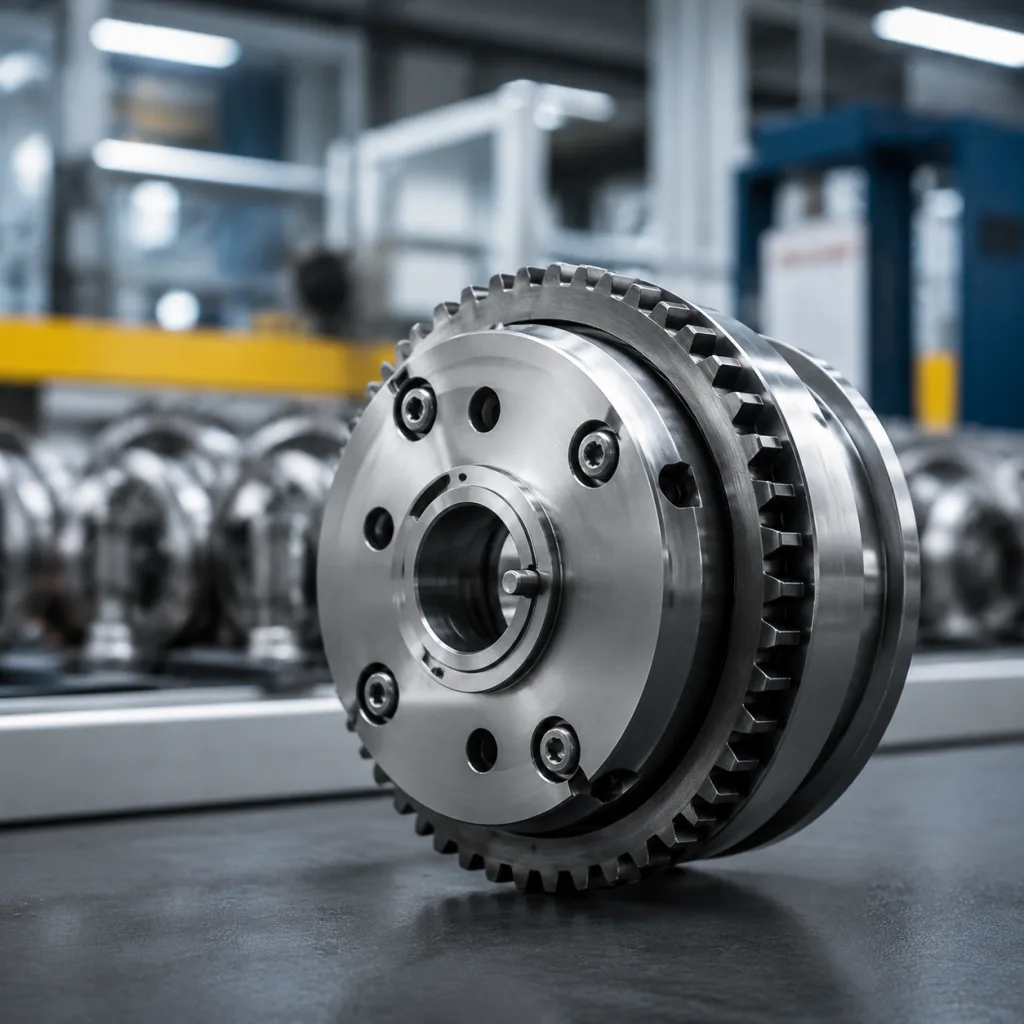
Sourcing a camshaft for Buick Regal aftermarket replacement is mainly a fitment and validation task. The brand badge is less important than the confirmed engine application, lobe profile, journal geometry, thrust features, surface finish, and documents that support incoming inspection. Driventus supplies camshafts for replacement programmes under IATF 16949:2016 and ISO 9001:2015 quality control, with material and process controls aligned with export-market expectations. For buyers serving the EU, UK, US, Canada, Australia, and Brazil, the priorities are repeatable interchangeability, controlled runout, clean grinding finish, and traceable batch records. Driventus is an independent aftermarket manufacturer; brand names are referenced for fitment only. When a platform lists OE references such as OE 06A107065, the key question is whether the replacement part matches the engine family, valve timing requirements, trigger geometry, and installation envelope. The sections below outline the fitment checks, technical specifications, validation evidence, and sourcing points to settle before issuing a purchase order.
What buyers should verify before ordering
Before ordering a camshaft for Buick Regal aftermarket replacement, buyers should confirm the vehicle generation, engine code, displacement, fuel system, emissions package, and production year range. The Buick Regal nameplate can cover different engine families and valvetrain layouts, so the model name alone is not enough. Check whether the application uses a single overhead cam or dual overhead cam layout, whether the part is for the intake or exhaust side, and whether variable valve timing, sensor trigger geometry, or installation-side details affect interchangeability.
Procurement teams should compare the supplier cross-reference with the OE number, customer catalogue number, and any superseded references used in the target market. If the repair network already has a known-good sample, keep that sample linked to a measured drawing, dimensional inspection report, and approval record. For repeat orders, retain the approved sample, measured drawing, and inspection record as one reference set. This helps prevent disputes when the same platform is sourced from more than one supplier.
A useful pre-order checklist includes overall length, journal count and diameter, lobe count, lobe lift, base circle, thrust face location, dowel or keyway position, sprocket interface, oil-feed hole location, and trigger wheel or reluctor details where applicable. Buyers should also define the required packaging condition, anti-rust protection, labelling format, and carton identification before volume release. These controls help ensure the replacement camshaft is mechanically correct and easy for distributors, repair chains, and warehouse teams to handle without relabelling or reinspection.
Dimensional match and surface quality
Dimensional match is the foundation of a reliable replacement camshaft programme. A part can look right in a catalogue and still fail incoming inspection if the journal diameter, runout, lobe centerline, thrust width, oil passage location, or timing feature position sits outside the agreed tolerance. For a Buick Regal replacement application, buyers should request a dimensional inspection layout covering the critical-to-function features, rather than relying only on a general certificate of conformity.
Surface quality matters just as much, because the camshaft works under high contact stress with followers, tappets, rocker arms, or related valvetrain components. Journals need a consistent finish to support oil film formation and reduce premature wear. Lobes need controlled geometry and finish so lift and duration remain stable after installation. Burrs, sharp edges, grinding marks, poor polishing, or inconsistent chamfers can lead to noise, accelerated wear, and warranty returns even when the main dimensions look acceptable.
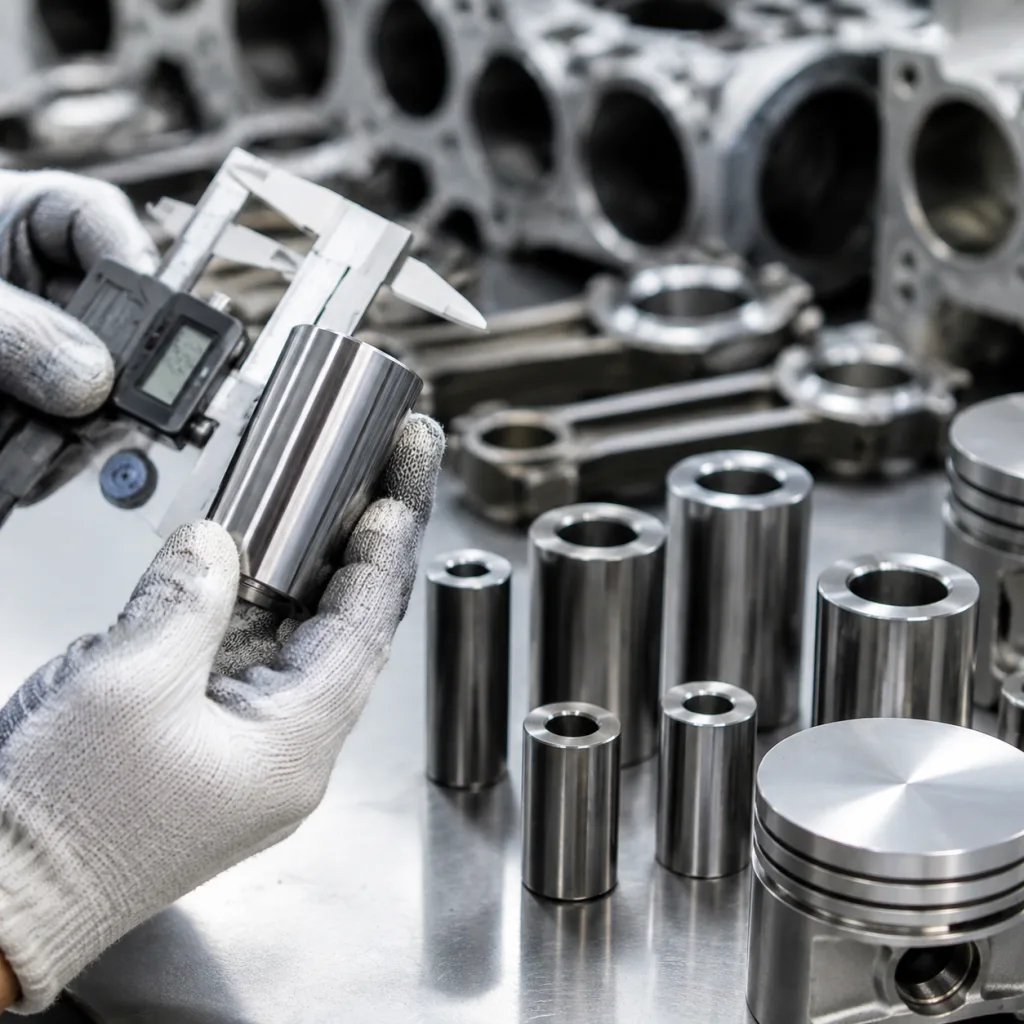
For incoming quality control, buyers should define how journal diameter, lobe height, base circle, axial runout, radial runout, surface roughness, and visual defects will be measured. Confirm whether the supplier uses coordinate measuring equipment, gauges, roughness testers, hardness testing, and profile inspection during production control. If the application is sensitive to valvetrain noise or emissions performance, review the test summary before approving volume production. This is especially important for fleet and repair-chain supply, where a small timing or profile deviation can affect many installations.
Materials, heat treatment, and validation testing
A camshaft for Buick Regal aftermarket replacement must use material suited to repeated valve actuation, oil exposure, thermal cycling, and high surface contact loads. Depending on the design, replacement camshafts may use chilled cast iron, ductile iron, forged steel, or another approved material specified for the application. The sourcing question is not just what the material is called, but whether the chemical composition, microstructure, hardness range, and process controls match the functional requirements of the engine family.
Heat treatment and surface hardening should be documented, because cam lobe durability depends on the relationship between surface hardness, case depth, core strength, and final grinding accuracy. Buyers should request hardness data for lobes and journals, along with the supplier’s process-control method for hardening, tempering, straightening, grinding, and cleaning. Where applicable, ask whether the camshaft has been validated for wear resistance, fatigue performance, dimensional stability, and corrosion protection during storage and shipment.
Useful validation evidence may include material inspection records, metallographic checks, hardness test reports, dimensional capability data, runout results, surface roughness reports, and functional comparison against an approved sample. For export programmes, documentation may also need to support customer audits, distributor qualification, and warranty investigation. Driventus operates as an independent aftermarket manufacturer; brand names are referenced for fitment only. That distinction matters when matching a replacement camshaft to a named vehicle platform: acceptance should rest on fit, function, material control, and inspection evidence rather than vehicle-brand wording alone.
Sourcing terms that reduce programme risk
Clear sourcing terms reduce risk before the first production batch is built. Buyers should define the target part number, application scope, inspection standard, packaging requirement, marking format, minimum order quantity, sample approval process, lead time, and annual volume forecast. For a camshaft replacement programme, it is also worth agreeing how engineering questions will be handled when an OE reference has multiple versions, regional variants, or catalogue conflicts.
The purchase specification should identify critical dimensions, required batch documents, and the containment process for nonconforming material. Typical document requirements include dimensional inspection reports, material declarations, batch traceability, quality certificates, packing lists, and export compliance documents where required. For EU and UK buyers, REACH-related declarations may be relevant. For North American, Australian, and Brazilian importers, carton strength, corrosion protection, barcode labels, and warehouse-ready part identification can be just as important as the part itself.
Programme risk also drops when sample review steps are agreed before volume release. A practical workflow is sample submission, buyer inspection, installation or bench review if required, written approval, pilot order, and then scheduled production. For quality governance, use the supplier’s quality system documents to confirm traceability, inspection stages, and corrective-action handling. This keeps the commercial discussion tied to agreed technical criteria and reduces later disputes over fitment or documentation.
How Driventus supports replacement programmes
Driventus supports camshaft replacement programmes with application review, part-number confirmation, sample matching, production quality control, and export-oriented documentation. For buyers sourcing a camshaft for Buick Regal aftermarket replacement, the process starts with the application details: vehicle model year range, engine code, OE or aftermarket reference number, target market, requested annual quantity, and any known installation notes from the repair channel.
The technical team can review dimensional requirements, compare them with available references, and confirm whether the requested camshaft should be treated as an intake, exhaust, single-cam, or variable-timing-related application. When a buyer has an approved sample, Driventus can use it in the comparison process together with drawings or inspection data. For production orders, batch traceability, inspection records, packaging controls, and quality-system documentation help buyers manage importer, distributor, and repair-chain expectations.
Driventus is set up for B2B aftermarket supply rather than one-off retail sales, so projects move more smoothly when buyers share forecast volume, destination market, packaging needs, and approval requirements at the start. For a replacement quote, technical confirmation, or sample submission review, use the contact channel below and attach the part number, engine code, and requested annual volume. That information allows the team to confirm fitment direction, documentation scope, lead time, and pricing with fewer revision cycles.
Frequently asked questions
Match engine code, displacement, valvetrain layout, journal dimensions, trigger features, and lobe profile. If available, compare against the OE cross-reference and an approved sample or drawing.
Yes, if dimensions, material, heat treatment, surface finish, and functional timing match the approved specification. Incoming inspection and validation records should support the claim.
Ask for dimensional inspection data, material declaration, batch traceability, quality certification, and packing details. For export supply, REACH and process-control documents may also be relevant.
For technical confirmation, sample review, or volume pricing, send your application details and target annual volume through /contact.html.
Request a Quote