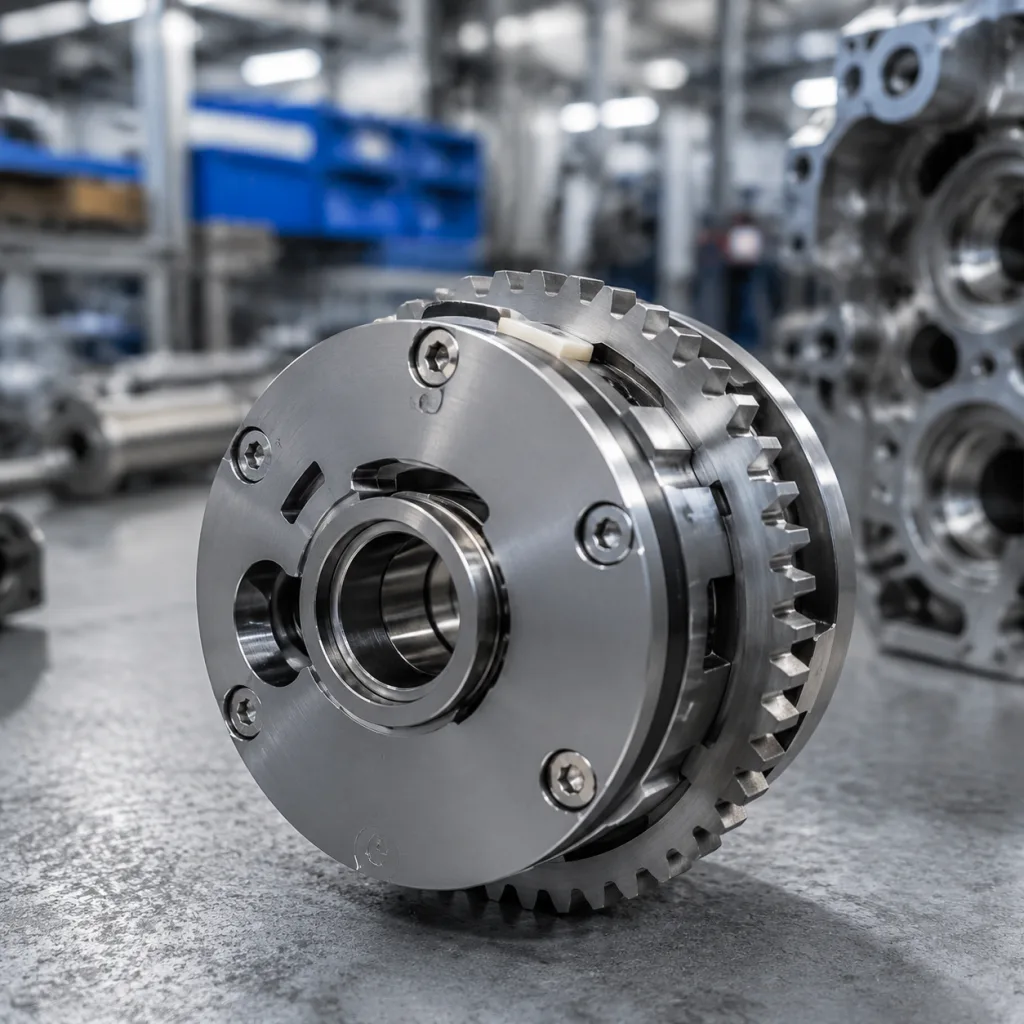
Wholesale buyers sourcing a camshaft phaser for Volvo applications need more than a part-number match. They need a supplier that can maintain dimensional consistency, control oil passages and locking features, and support stable production for repeat orders. For engine components, small differences in phaser response can influence cold-start noise, timing stability, and emissions performance, so procurement teams should review metallurgy, machining capability, test coverage, and traceability before placing volume orders. Driventus is an independent aftermarket manufacturer; brand names are referenced for fitment only. This article explains what to check when comparing suppliers, which documents to request, and how to evaluate lead time, MOQ, and validation data before purchase. It also shows where our catalog, quality system, and OEM programmes fit into a wholesale sourcing workflow for distributors, repair networks, and importers.
How to separate fitment from false matches
For a camshaft phaser Volvo wholesale order, the first risk is assuming that visual similarity means interchangeability. Buyers should confirm the exact engine code, OE cross-reference, and whether the unit is intake, exhaust, or a dual-independent type. A correct housing shape is not enough.
Start with these checks:
OE reference and engine family alignment
Tooth count, sprocket interface, and bolt pattern
Oil gallery location and control-valve compatibility
Cold-start locking position and return behaviour
Packaging, labelling, and lot traceability
Useful spec targets to verify:
Rotor-to-housing radial clearance: typically 0.03-0.08 mm unless drawing states otherwise
Axial end play: usually 0.02-0.06 mm on controlled assemblies
Lock pin engagement: 100% functional retention at rest, no intermittent release
Oil-feed passage cleanliness: no burrs, chips, or casting flash in the galleries
Runout on critical mounting faces: held to the drawing, commonly within 0.03 mm TIR for controlled programs
If your team is consolidating suppliers, start with our catalog and compare the part family against your target applications. For engine buyers who source multiple rotating and valvetrain items, engine components can help narrow adjacent part families from one vendor.
Which specs actually move the needle
Phasers are not generic machined parts. They depend on controlled internal clearances, clean hydraulic response, and repeatable assembly. A supplier should provide a dimensional drawing or controlled specification sheet, plus evidence that key characteristics are measured during production.
Item
Typical buyer check
Why it matters
Housing material
Alloy steel or cast/forged body with material cert
Strength and wear resistance
Vane clearance
Controlled to drawing tolerance, often 0.03-0.08 mm
Timing response and noise
Lock pin function
Positive engagement at rest; verified by cycle test
Start-up stability
Surface finish
Controlled on oil-wetted surfaces, often Ra 0.8-1.6 µm
Hydraulic consistency
Dynamic test
Functional sweep, lock, and hold test under oil pressure
Verifies movement under load
Cleanliness
Particulate control before sealing and packing
Prevents valve sticking
Balance and concentricity
Checked on rotating features against drawing limits
Reduces vibration and wear
</tr></thead><tbody> </tbody></table>For RFQs, ask whether the supplier can quote the drawing revision, acceptable alternative material grade, and the inspection frequency for each CTQ. A practical buyer benchmark is one in-process check per shift plus final inspection on appearance, dimensions, and function for each lot, with higher-frequency sampling on new launches or revised tooling.
Where a programme requires non-standard packaging, lot coding, or revised surface treatment, custom manufacturing is the right route. This is useful for distributors building private-label assortments or buyers replacing a superseded OE configuration.
What quality proof should be in the file
A credible supplier should be able to show how the part is controlled from raw material to final inspection. For European and export-facing programmes, ask for documented system evidence rather than verbal assurances.
Documents to request:
IATF 16949:2016 certificate scope
ISO 9001:2015 certificate scope
Material certificate or mill traceability record
Inspection report with critical dimensions
Functional test record for sample lots
REACH (EC) No 1907/2006 substance compliance statement
Validation details buyers can ask to see:
PPAP-style submission pack for new programs or revised tooling
Control plan showing CTQs, sampling frequency, and reaction plan
First-article inspection with nominal, tolerance, and actual readings
Gauge calibration record for the measuring tools used on CTQs
Endurance data, ideally 100-300 cycles for development samples and 500+ cycles for mature programs when requested
If the part will be used in a regulated programme, ask whether validation data includes thermal cycling, oil-contamination sensitivity, and endurance checks. Driventus publishes its quality system so procurement teams can review the controls before qualification. Driventus is an independent aftermarket manufacturer; brand names are referenced for fitment only.
Where lead time and MOQ usually go wrong
Wholesale sourcing is not only about part quality. It is also about supply continuity, batch planning, and how quickly the supplier can respond to demand swings. Buyers should separate stock items from build-to-order items early in the RFQ stage.
Typical questions for supplier review:
What is the MOQ per OE reference or application set?
Is stock held in China, export hubs, or customer-owned inventory?
What is the standard lead time for repeat orders?
Can the factory support mixed-SKU carton packing?
Are production lots separated by heat number or batch code?
Commercial ranges buyers can use in RFQs:
MOQ for stocked references: often 20-50 units per SKU for trial orders
MOQ for made-to-order references: commonly 100-300 units per SKU, depending on tooling and packaging
Sample lead time: usually 7-15 days when stock exists
Production lead time: typically 30-45 days for repeat orders, or 45-60 days when raw material must be scheduled
Freight planning: add 5-10 days for export consolidation and document processing before ocean departure
For pricing, ask for tiered quotations at 100, 300, and 500-unit breaks so you can compare landed cost against service level. A useful RFQ format includes target annual volume, forecast by quarter, required box pack quantity, and whether split shipments are acceptable. For buyers managing seasonal demand, a vertically integrated factory reduces handoffs. That can shorten quotation time and make delivery schedules more predictable. If you need a source for stable monthly call-offs, use request a quote to share target volumes, test requirements, and destination market.
What failure modes the supplier should test for
Phasers should be verified under the same conditions that expose failure in the field. A supplier that only performs visual checks is not enough for professional procurement.
Useful validation items include:
Oil pressure response test
Lock and unlock cycle testing
Leak-down or hold-position evaluation
Noise observation during actuation
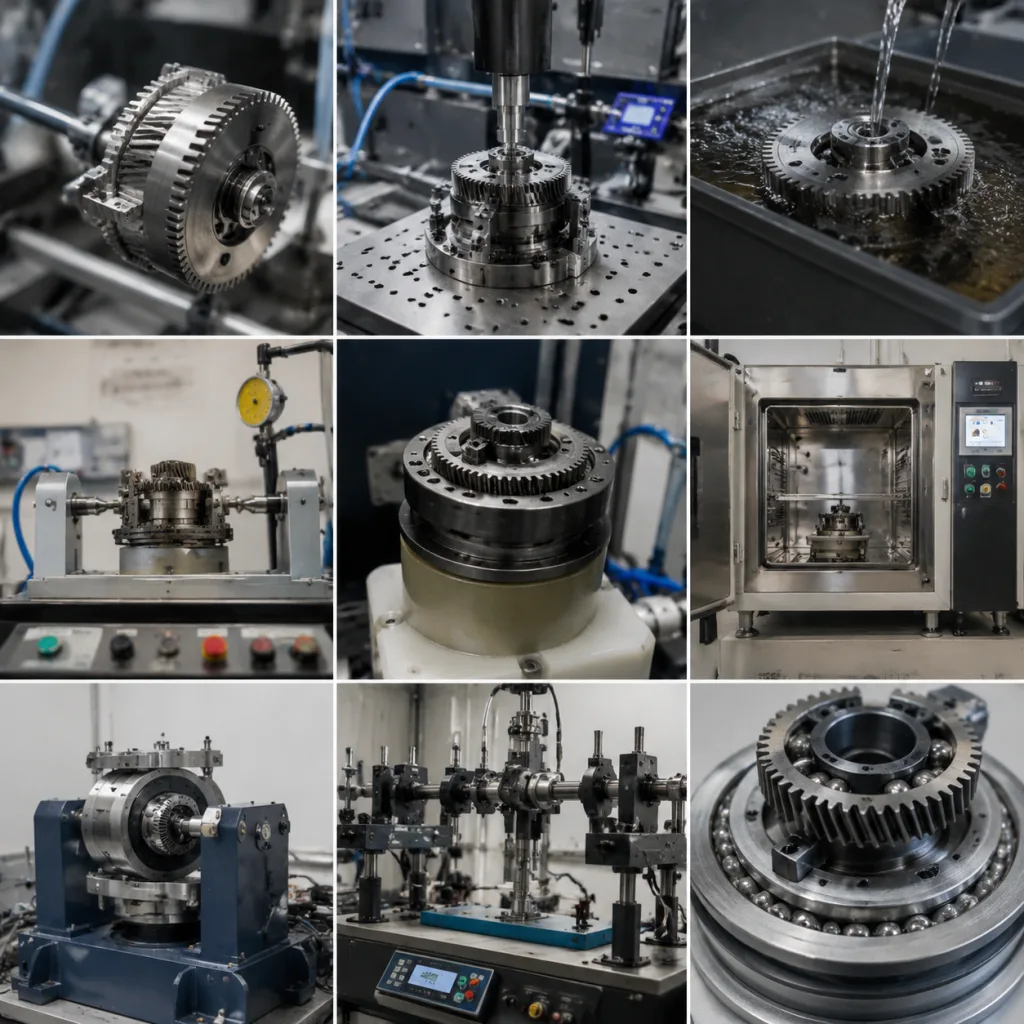
Dimensional inspection after thermal conditioning
Suggested buyer acceptance logic:
No visible oil leakage after hold test at the agreed pressure and temperature window
Lock pin must engage and release consistently across repeated cycles
Functional response should stay within the supplier’s declared actuation window, with no binding or hesitation
Dimensional drift after thermal soak should remain within drawing limits
Packaging should prevent corrosion, impact damage, and contamination during transit
Where road-salt exposure or high-UV logistics matter, buyers may also ask for packaging protection and corrosion-prevention details. Published test references such as SAE J2527 are more relevant to environmental durability programmes, while fitment and emissions-linked vehicle programmes may reference ECE R-83 when the broader engine package is being assessed. The point for procurement is simple: ask for documented test methods, not just pass/fail statements. If the supplier cannot explain the control plan, the risk moves to your receiving inspection.
How Driventus fits a wholesale workflow
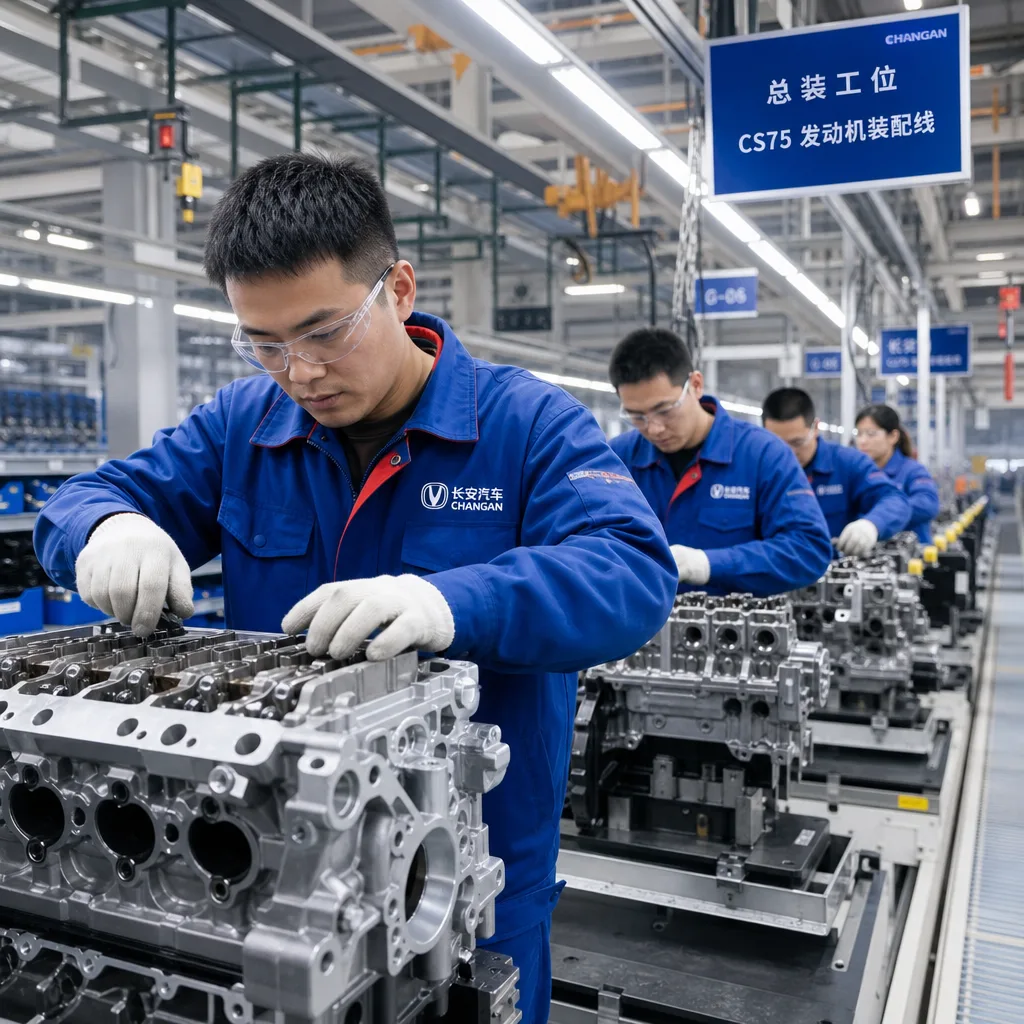
Driventus supplies engine and powertrain components from Taizhou, Zhejiang, with export experience in more than 60 countries. For camshaft phaser programmes, that matters because the same factory control structure can support related items such as gaskets, water pumps, pistons, crankshafts, and turbochargers.
We support wholesale buyers with:
Controlled production under IATF 16949:2016 and ISO 9001:2015
Drawing-based OE cross-reference handling
Export packing for distributor and warehouse channels
Private-label and packaging customisation
Technical document sharing for qualification reviews
A practical buyer workflow: 1. Send OE number, engine code, and expected annual volume. 2. Confirm application split by intake/exhaust or variant. 3. Review drawing, photos, and available test data. 4. Approve sample order with agreed inspection points. 5. Lock MOQ, price tier, packing spec, and lead time for repeat replenishment. 6. Move to monthly or quarterly call-offs once performance is confirmed.
If your team needs a supplier review pack, send the target reference, annual volume, market, and required test evidence through request a quote. For broader portfolio planning, our custom manufacturing page outlines how we support private-label and programme-specific work.
Frequently asked questions
Yes. Driventus sells B2B to distributors, wholesalers, OEM and Tier-1 suppliers, and repair networks. We do not sell consumer retail.
Yes, but only for fitment reference. Driventus is an independent aftermarket manufacturer; brand names are referenced for fitment only.
Send the OE reference, engine code, target annual volume, destination market, packaging needs, and any test or certificate requirements. Include your target MOQ, expected annual call-off schedule, and whether you need stock or build-to-order pricing so we can confirm availability and lead time faster.
Share your OE reference and volume target, and we will review fitment, documentation, and supply options for your market. Start here: /contact.html