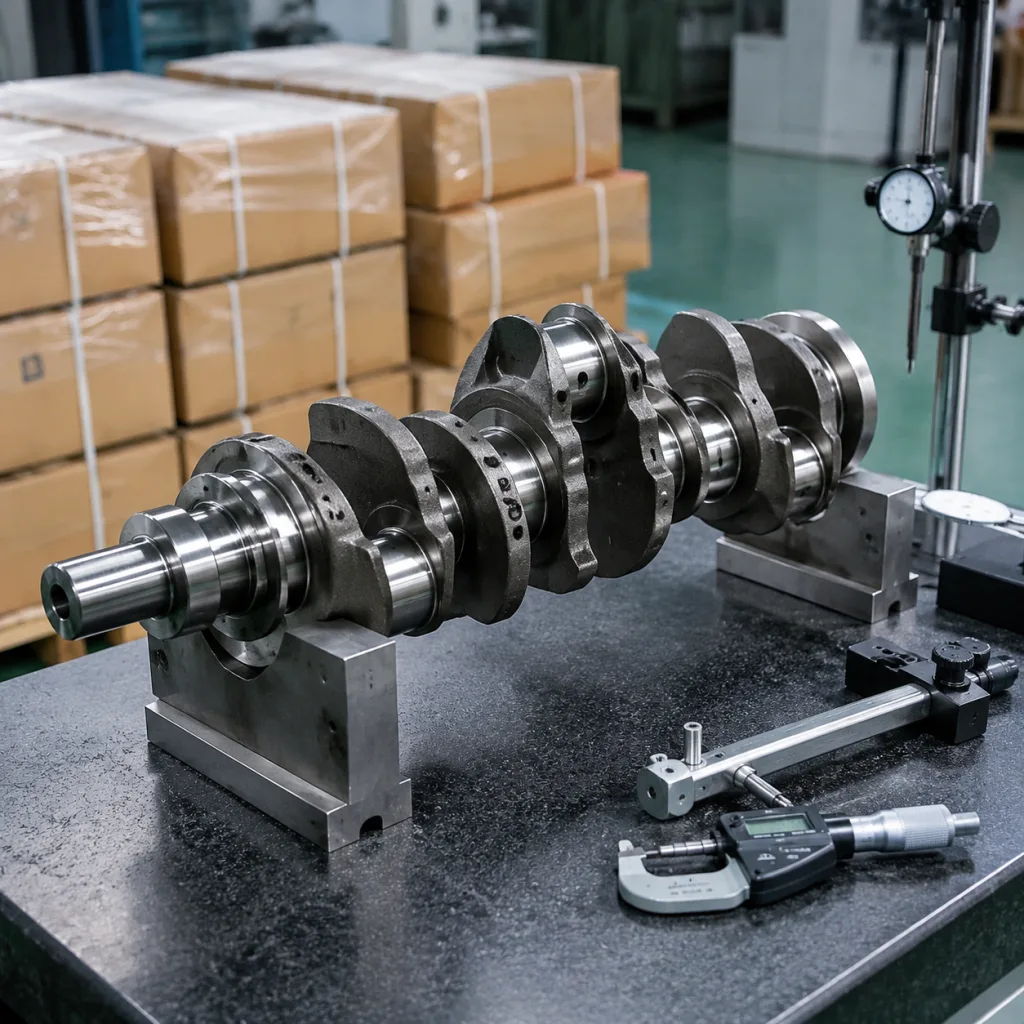
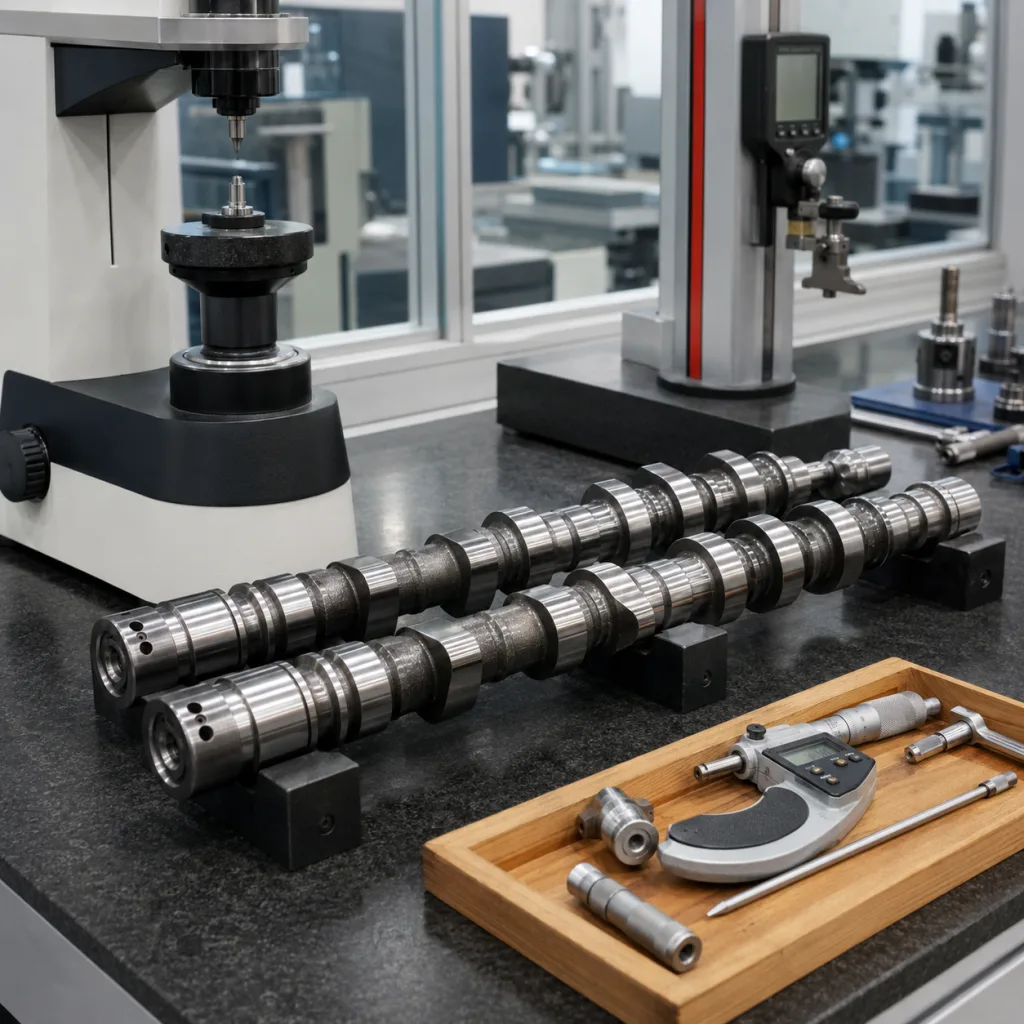
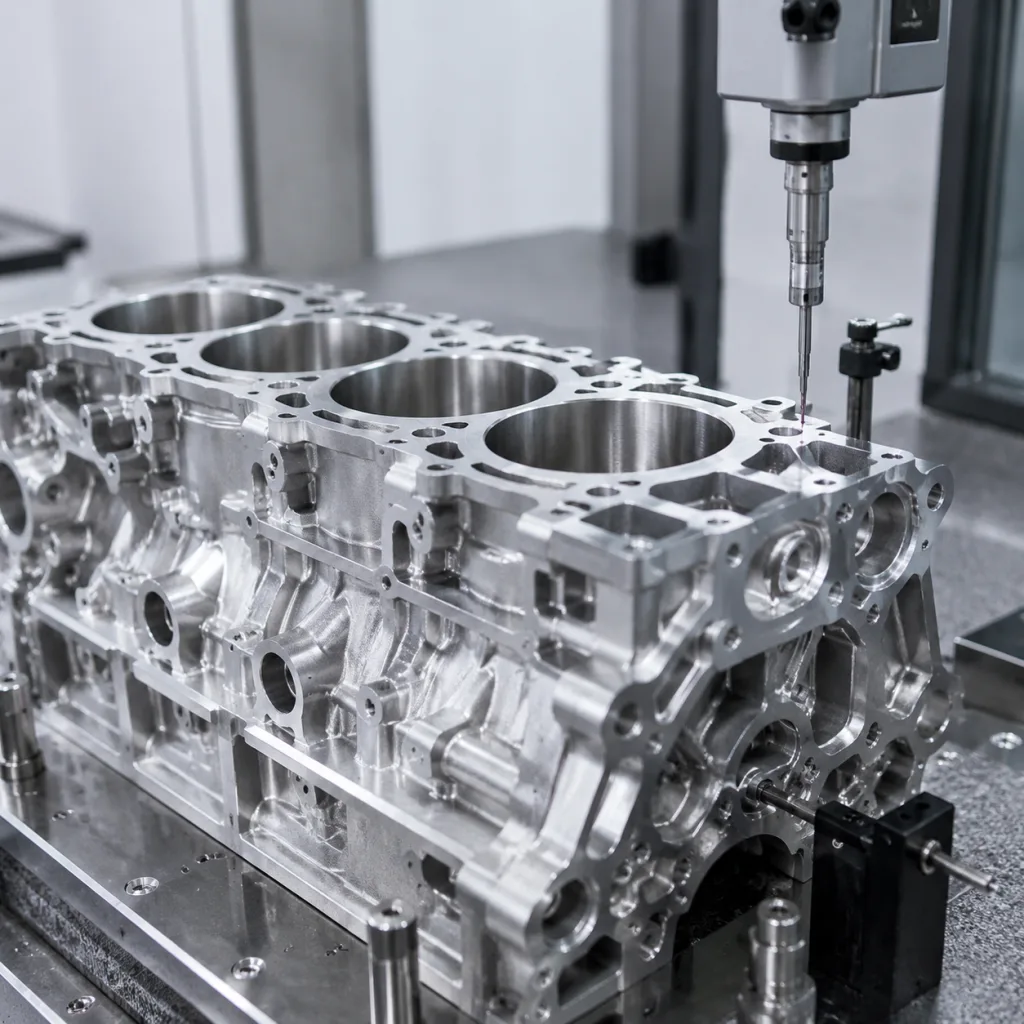
A camshaft phaser seat is a small interface component with an outsized effect on variable valve timing performance. For procurement teams, the main sourcing risk is not simple availability; it is whether the replacement seat preserves the oil-control geometry, sealing surface, flatness, hardness, and assembly fit that the engine relies on over its service life. A camshaft phaser seat OE equivalent programme should therefore be qualified through drawings, controlled reverse engineering, material verification, process evidence, and validation records rather than visual similarity alone. Driventus manufactures engine and powertrain components in Taizhou, Zhejiang, for aftermarket distributors, OEM and Tier-1 suppliers, and repair chains exporting to more than 60 countries. This guide outlines the technical checks buyers can use when approving replacement phaser seat supply, including dimensional matching, production controls, test evidence, and documentation for EU, UK, North American, Australian, and Brazilian import programmes.
What OE-equivalence means for a phaser seat
OE-equivalence means the replacement part is designed to match the original application’s fit, function, interfaces, and durability expectations without implying vehicle manufacturer approval. For a camshaft phaser seat, the relevant interfaces usually include the camshaft nose, phaser body, oil control passages, sealing land, locating features, fastener clearance, and thrust or bearing contact surfaces.
A sound qualification process should confirm:
Dimensional interchangeability: bore, outer diameter, oil port location, counterbore depth, seating height, and runout relative to datum features.
Surface performance: sealing face roughness, flatness, edge condition, and absence of burrs at oil passages.
Material compatibility: steel grade, heat treatment state, coating or surface finish, and resistance to hot engine oil.
Assembly behaviour: torque retention, seating repeatability, and clearance from phaser vane or rotor movement.
Service durability: stable geometry after thermal cycling, oil pressure cycling, and vibration exposure.
Driventus is an independent aftermarket manufacturer; brand names are referenced for fitment only. Buyers should avoid supplier wording that suggests approval, endorsement, or supply status from a vehicle manufacturer unless formal evidence is available through the relevant sourcing channel.
Critical dimensions and material controls
Most non-conforming phaser seats fail because small deviations disturb oil control geometry or seating flatness. A 0.05 mm shift at a port edge, land height, or sealing face can influence oil fill rate, lock-pin release timing, and advance/retard stability. Procurement specifications should define inspection points, datum references, and acceptance tolerances before purchase order release.
Control item
Typical verification method
Procurement note
Bore and OD concentricity
CMM or air gauge
Confirm the datum scheme matches the mating camshaft and phaser body
Seating face flatness
Optical flat, CMM, or surface plate
Define maximum deviation by drawing requirement, not visual inspection
Oil port position
CMM with feature report
Check angular and radial location against reference samples
Surface roughness
Contact profilometer
State Ra requirement for sealing and sliding faces
Hardness
Rockwell or Vickers test
Verify heat treatment batch by batch
Burr control
10× visual inspection or borescope
Oil holes need defined edge-break limits
Coating or finish
Thickness and adhesion check
Confirm resistance to engine oil and cleaning fluids
</tr></thead><tbody> </tbody></table>Where an OE drawing is not available, a controlled reverse engineering plan should use multiple new reference samples, 3D scanning, CMM measurement, metallurgical analysis, and functional assembly trials. Driventus can align phaser seat development with related parts in our catalog and the wider engine components range when buyers want to consolidate timing system supply.
Validation tests procurement teams should request
Validation should match the programme’s volume, application risk, and warranty exposure. Aftermarket distribution projects may need sample dimensional reports, material certificates, and limited endurance evidence. OEM and Tier-1 projects normally require a broader PPAP-style file, including control plan, process flow, PFMEA, measurement system analysis, and capability studies.
A practical camshaft phaser seat validation package may include:
First article inspection report covering all critical-to-function dimensions.
Material certificate and heat treatment record for each production batch.
Hardness mapping at contact and seating surfaces.
Surface roughness report for sealing faces and oil control lands.
Thermal cycling in hot engine oil or an equivalent test fluid.
Oil pressure pulse testing to verify sealing and port integrity.
Vibration or torsional exposure where the part sees dynamic loading.
Assembly trial using the matching phaser, camshaft, fastener, and timing hardware.
Packaging drop and corrosion checks for export logistics.
Published standards should be applied where they fit the management system, materials, or compliance file. Driventus operates under IATF 16949:2016 and ISO 9001:2015 frameworks. For European import programmes, material and substance declarations should consider REACH (EC) No 1907/2006. Emissions regulations such as ECE R-83 may affect the complete vehicle or engine system context, but they do not validate a phaser seat component by themselves.
Production process controls for repeatability
One approved sample does not protect a buyer from variation across repeated shipments. Phaser seat sourcing needs controls for incoming steel, machining datums, heat treatment distortion, deburring, washing, final inspection, and packaging. The supplier should be able to explain how each critical feature is held during serial production and how out-of-tolerance conditions are contained.
Typical controls include CNC turning or milling with fixture validation, in-process gauge checks, tool wear limits, post-machining washing, controlled heat treatment, and final 100% checks on critical features where the risk justifies it. For higher-volume programmes, statistical process control can be applied to bore diameter, seating height, port position, and flatness.
Buyers should ask for evidence from the actual production line, not a generic capability statement. Useful audit questions include:
Which features are designated critical-to-function?
What is the inspection frequency for oil port geometry and sealing faces?
Are gauges calibrated under a documented ISO 9001:2015 system?
What is the reaction plan when Cpk or Ppk falls below the agreed threshold?
How are mixed parts, revision changes, and rework controlled?
Can lot traceability connect finished cartons to material and heat treatment records?
Driventus supports distributor programmes and technical sourcing projects through its documented quality system, including inspection records, batch traceability, and corrective action handling.
Documentation for replacement sourcing programmes
Procurement teams should define documentation at RFQ stage, before production schedules and shipment dates create pressure. This prevents delays when the first shipment is ready but the compliance file is incomplete. The required package depends on market, customer type, and warranty risk, but a structured list helps both sides quote the same scope.
For a camshaft phaser seat OE equivalent programme, request the following documents where applicable:
Drawing or controlled specification with revision status.
OE part-number cross-reference format if provided by the buyer, for example OE 06A… or OE 11251… where applicable to the application family.
First article inspection report.
Material certificate and heat treatment record.
Surface finish and hardness reports.
Control plan, process flow, and PFMEA for production programmes.
Packaging specification, carton labelling format, and palletisation plan.
REACH (EC) No 1907/2006 material declaration for EU supply chains.
Certificate of conformity per shipment if required.
Non-disclosure and exclusivity terms where custom tooling is used.
For buyers requiring modified geometry, alternative material, private label packaging, or integration with a complete timing system kit, Driventus can review feasibility through custom manufacturing. The same review can cover MOQ, tooling ownership, inspection plan, and lead-time assumptions.
RFQ checklist for importers and distributors
A clear RFQ reduces quotation variance and keeps suppliers from assuming different quality levels. The buyer should provide application details, expected annual volume, target market, preferred packaging, and sample requirements. If the project replaces an existing part, include new reference samples, failed samples if available, and warranty data related to noise, oil leakage, phaser sticking, delayed actuation, or timing faults.
Use this checklist before supplier nomination:
Confirm part family, engine application, and fitment data source.
State whether the programme is aftermarket replacement, Tier-1 supply, or repair chain service stock.
Provide annual volume, order batch size, and destination country.
Define sample quantity, validation tests, and approval criteria.
Specify dimensional report format and critical features.
Confirm marking, packaging, barcode, and carton labelling requirements.
Require batch traceability and certificate of conformity if needed.
Agree lead time for tooling, pilot run, mass production, and sea or air shipment.
Define warranty return handling and root cause analysis expectations.
For phaser seat imports into the EU, UK, US, Canada, Australia, and Brazil, a stable supplier should combine technical validation with export documentation and consistent carton-level identification. Price matters, but dimensional stability, process evidence, and traceability usually decide the long-term cost.
Frequently asked questions
It must match the original application’s functional interfaces, including seating height, bore, oil port geometry, flatness, hardness, surface finish, and assembly fit. Visual similarity is not enough; procurement teams should request dimensional reports, material records, and functional validation evidence.
Yes. Driventus can support private label packaging, carton labelling, batch traceability, and application-specific documentation for distributors and repair chain programmes. Feasibility depends on volume, specification status, tooling requirements, and validation scope.
No. OE-equivalent describes intended fit, function, and performance matching for replacement use. It does not mean approval, endorsement, or supply status from any vehicle manufacturer. Driventus is an independent aftermarket manufacturer; brand names are referenced for fitment only.
If you are qualifying a camshaft phaser seat OE equivalent programme, share the application, annual volume, sample requirement, and documentation needs. You can [request a quote](/contact.html).