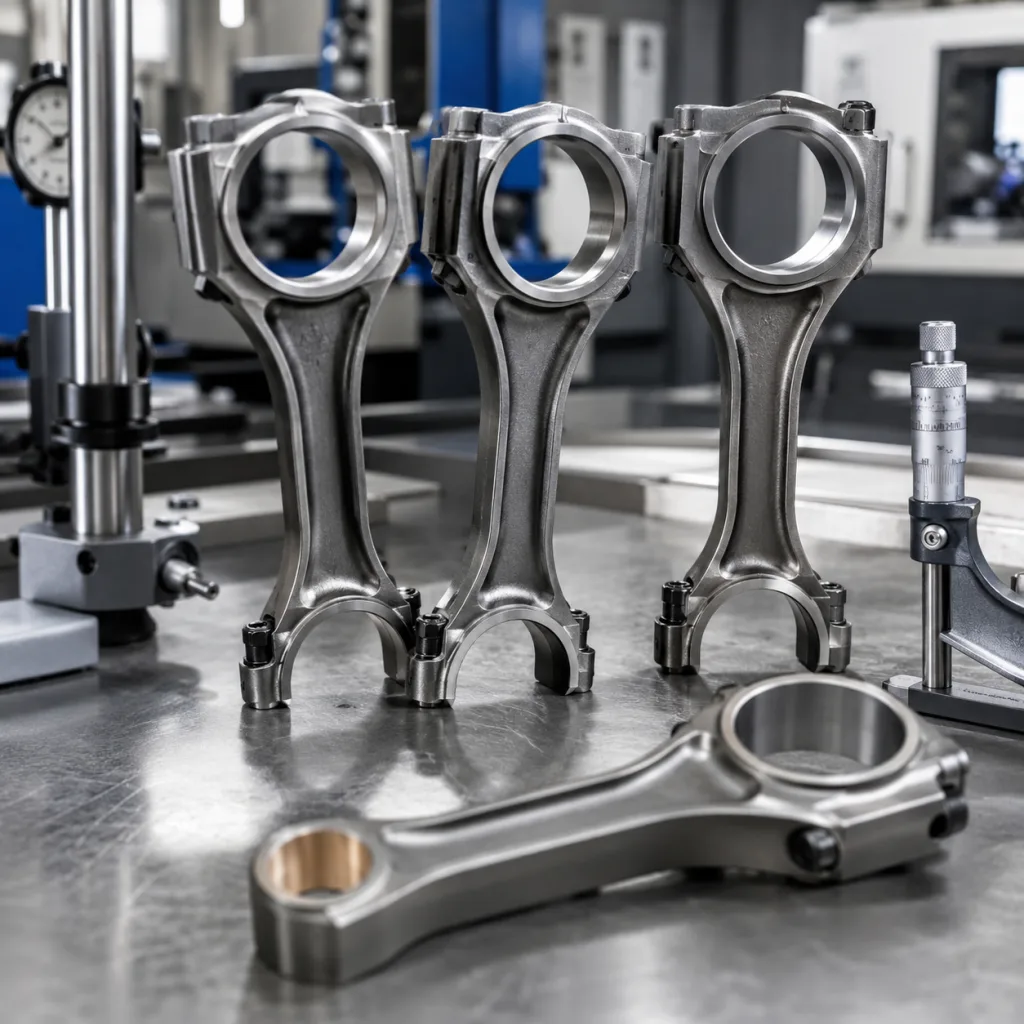
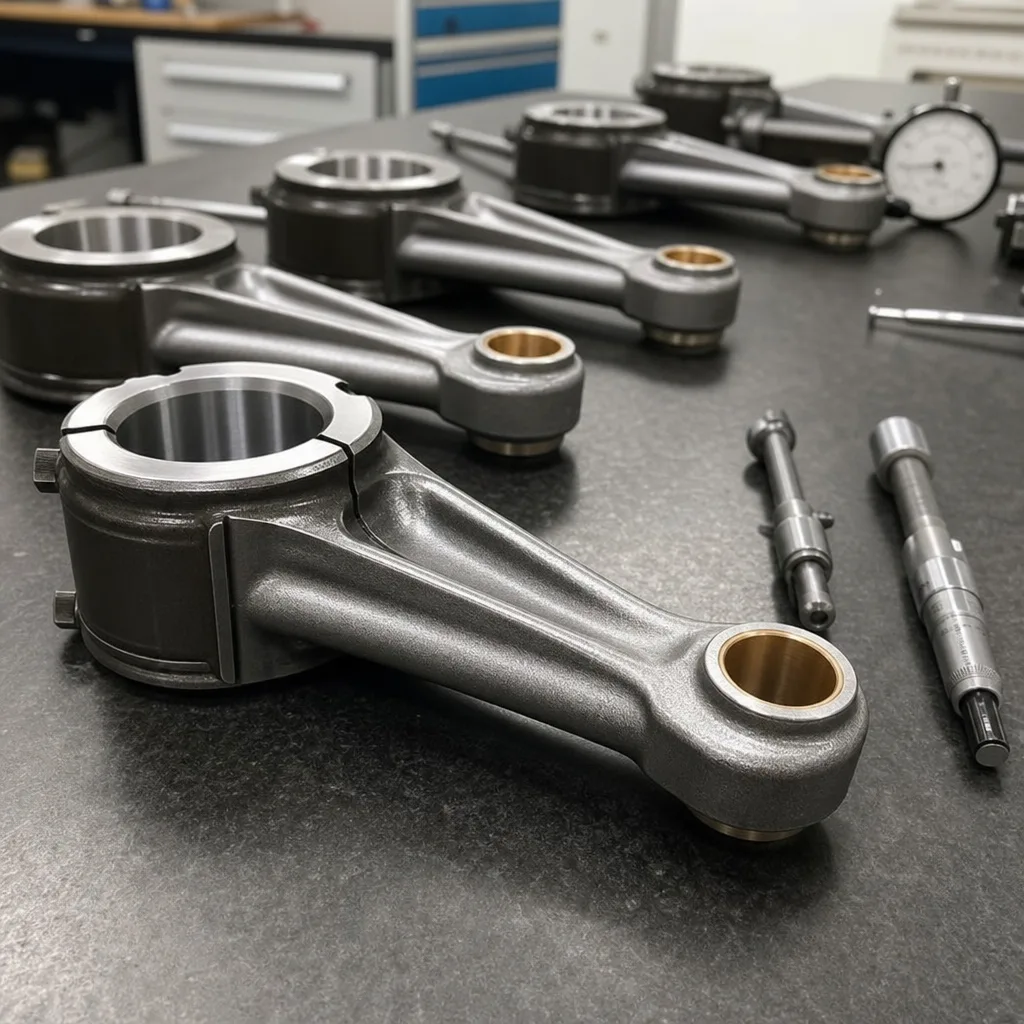
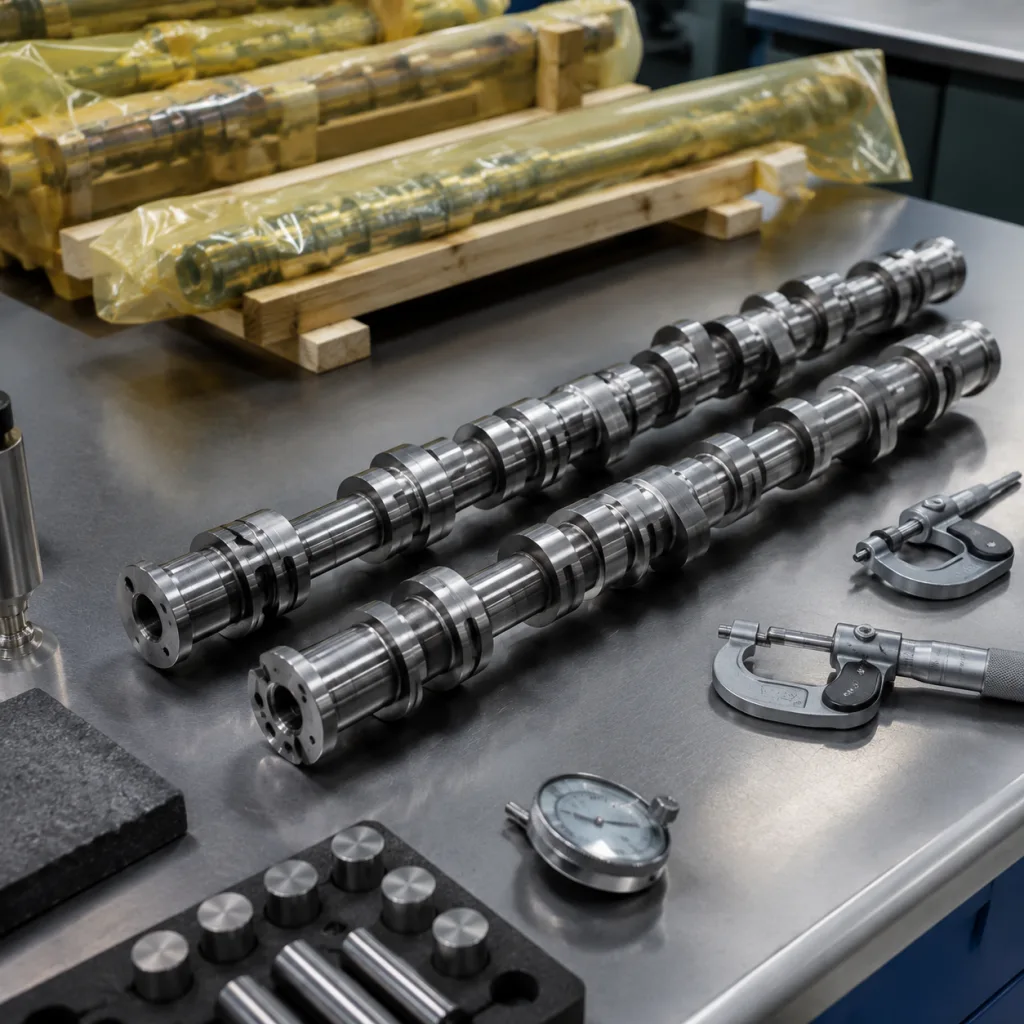
A camshaft for Mini Countryman replacement programmes must match the original valve timing geometry, journal dimensions, lobe profile and sensor interface before it can be considered suitable for aftermarket distribution or fleet repair use. For procurement teams, the central issue is not only whether a camshaft fits a given engine family, but whether each production batch is controlled tightly enough to reduce returns, warranty disputes and installation delays. Mini Countryman applications vary by model year, fuel type and engine code, so buyers should validate fitment data against the vehicle identification number, engine code and buyer-supplied OE cross-reference before placing volume orders. This article explains what to verify when sourcing replacement camshafts, including material, machining, inspection, packaging and documentation requirements for B2B supply. Driventus is an independent aftermarket manufacturer; brand names are referenced for fitment only.
Replacement Scope and Fitment Control
Mini Countryman camshaft demand is usually driven by worn lobes, timing system damage, oil starvation, actuator-related failures or engine rebuild programmes. For distributors and repair chains, the replacement part must be supplied with clear application boundaries, not broad model descriptions.
A purchasing file should confirm:
Engine code and displacement covered by the camshaft
Intake or exhaust camshaft position
Variable valve timing interface, where applicable
Camshaft position sensor trigger pattern
Thrust face position and end-float control method
Timing sprocket, phaser or gear connection type
Whether followers, lifters, seals or bolts are included
A camshaft for Mini Countryman replacement should not be approved by description alone. The commercial listing may identify the vehicle model, but engineering approval should be based on dimensional comparison, timing profile verification and installer feedback from the target market.
Driventus supplies camshafts and related engine components through our catalog, including broader engine component coverage at /products/engine-components.html. Buyer-supplied OE numbers and sample parts can be used for cross-reference confirmation, but Driventus does not claim approval or endorsement by any vehicle manufacturer.
Critical Dimensions for OE-Equivalent Matching
A replacement camshaft must reproduce the functional geometry of the original part. Small deviations in lobe lift, base circle diameter or journal concentricity can change valve timing, increase noise or accelerate wear at the follower interface.
Typical inspection items include:
Verification item
Procurement relevance
Typical control method
Camshaft overall length
Prevents installation interference
Coordinate measurement or fixture gauge
Journal diameter and roundness
Controls oil film and bearing clearance
Micrometer, air gauge, roundness tester
Lobe lift and profile
Maintains valve event accuracy
Cam profile measurement system
Base circle diameter
Affects valve lash and follower contact
Profile scan and master sample comparison
Runout
Reduces bearing load and timing variation
Dial indicator or CMM inspection
Keyway, slot or phaser interface
Ensures timing alignment
Fixture gauge and angular inspection
Sensor trigger feature
Supports ECU signal accuracy
Visual, dimensional and functional checks
</tr></thead><tbody> </tbody></table>For B2B replacement supply, buyers should request a drawing-based inspection report or a first-article inspection package. Where original drawings are not available, a reverse-engineered specification can be prepared from multiple verified samples rather than a single used component. Used camshafts may have wear on lobes and journals, so they should not be treated as the sole dimensional reference.
Material, Heat Treatment and Surface Finish
Camshafts for modern passenger vehicles are typically produced from cast iron, chilled cast iron, forged steel or assembled steel designs, depending on the engine architecture and load case. The correct material route should be confirmed before quoting because it affects tooling, machining, heat treatment and unit cost.
For replacement sourcing, the buyer should review the following specifications:
Material grade or equivalent metallurgical specification
Hardness range at lobe and journal surfaces
Case depth or chilled layer depth, where applicable
Surface roughness at journals and lobes
Straightness after heat treatment
Magnetic particle inspection requirement
Anti-corrosion oil or coating for export shipment
Surface finish is especially important. A rough lobe surface can damage followers during break-in, while inadequate hardness can cause early lobe wear. Conversely, excessive brittleness may increase the risk of edge damage during handling or installation.
Driventus validates camshaft production through controlled machining, heat-treatment monitoring and batch inspection under an IATF 16949:2016 and ISO 9001:2015 based quality system. For export orders, material records and inspection reports can be prepared according to the buyer’s purchasing specification.
Validation Tests for Replacement Programmes
A camshaft for Mini Countryman replacement programmes should include both dimensional validation and functional risk checks. Procurement teams should distinguish between a sample that fits one engine and a production part that remains consistent across multiple batches.
Common validation activities include:
First-article dimensional report against drawing or approved sample
Material chemistry verification by spectrometer or supplier certificate
Hardness test on lobes and journals
Surface roughness measurement at functional contact areas
Runout and straightness inspection after final machining
Magnetic particle inspection for cracks, where specified
Salt spray or corrosion resistance check for packed export samples, when required by the buyer
Trial installation feedback from a qualified repair environment
For emissions-related engine components, replacement parts should not alter engine operating parameters from the intended OE-equivalent function. Vehicle emissions regulations such as ECE R-83 and US EPA rules are relevant at vehicle and system level, so importers should ensure that replacement engine components are used only within the correct application scope. For chemical compliance in Europe, packaging, oils and coatings may also need review against REACH (EC) No 1907/2006.
Driventus can support custom manufacturing for buyers who require private-label camshafts, dedicated inspection criteria or application-specific packaging.
Sourcing Documentation and Packaging Requirements
Replacement camshafts are precision parts with machined journals and lobes, so procurement should treat packaging as part of the technical specification. Damage during sea freight or warehouse handling can create the same commercial problem as a machining defect.
A suitable B2B purchase specification should cover:
Part description, engine application and intake or exhaust position
Buyer cross-reference list and sample approval status
Inspection report format and acceptance criteria
Batch traceability method, such as lot code and production date
Individual corrosion protection and end-cap protection
Inner carton strength and export carton labelling
Palletisation, moisture control and drop-test expectations
Spare parts catalogue data, including weight and package dimensions
For wholesale distribution, neutral packaging or buyer-branded packaging may be used where legally permitted. The product label should avoid any wording that implies vehicle manufacturer approval unless the buyer has separate written authorisation from the trademark owner.
Driventus is an independent aftermarket manufacturer; brand names are referenced for fitment only. This disclosure should also be considered for product pages, catalogue sheets and sales quotations where specific vehicle applications are listed.
Commercial Checks Before Placing Volume Orders
Before committing to a container or scheduled call-off order, buyers should complete a structured commercial and engineering review. This reduces the risk of ordering the wrong camshaft variant for a regional engine specification.
Recommended pre-order checklist:
Confirm engine code coverage for each target market
Separate intake and exhaust camshaft SKUs clearly
Approve at least one physical sample before bulk production
Review the first-article inspection report and hardness data
Confirm minimum order quantity, lead time and replenishment plan
Define warranty evidence requirements for returned parts
Confirm Incoterms, carton marking and documentation language
Check that the supplier can repeat the same specification over future batches
For distributors serving the EU, UK, US, Canada, Australia or Brazil, documentation consistency is as important as unit price. A low-cost part with incomplete fitment data can increase catalogue disputes and return rates. A well-controlled replacement programme should combine clear application data, stable production tooling and measurable inspection criteria.
If your team is comparing camshaft suppliers or building a new replacement line, you can request a quote with the engine code, target market, estimated annual volume and any available sample or cross-reference data.
Frequently asked questions
Use the engine code, model year, intake or exhaust position and buyer-supplied OE cross-reference. A physical sample or approved drawing is recommended before volume ordering because regional engine variants can differ.
First-article dimensions, lobe profile data, journal diameter, runout, hardness, surface roughness and material records are the most useful. Batch traceability should link these records to production lots.
Yes. Driventus supports B2B camshaft supply with neutral or buyer-specified packaging, subject to legal trademark requirements, MOQ, sample approval and confirmed technical specifications.
Send your engine code, target market and expected annual demand for a technical sourcing review. Start a discussion at /contact.html