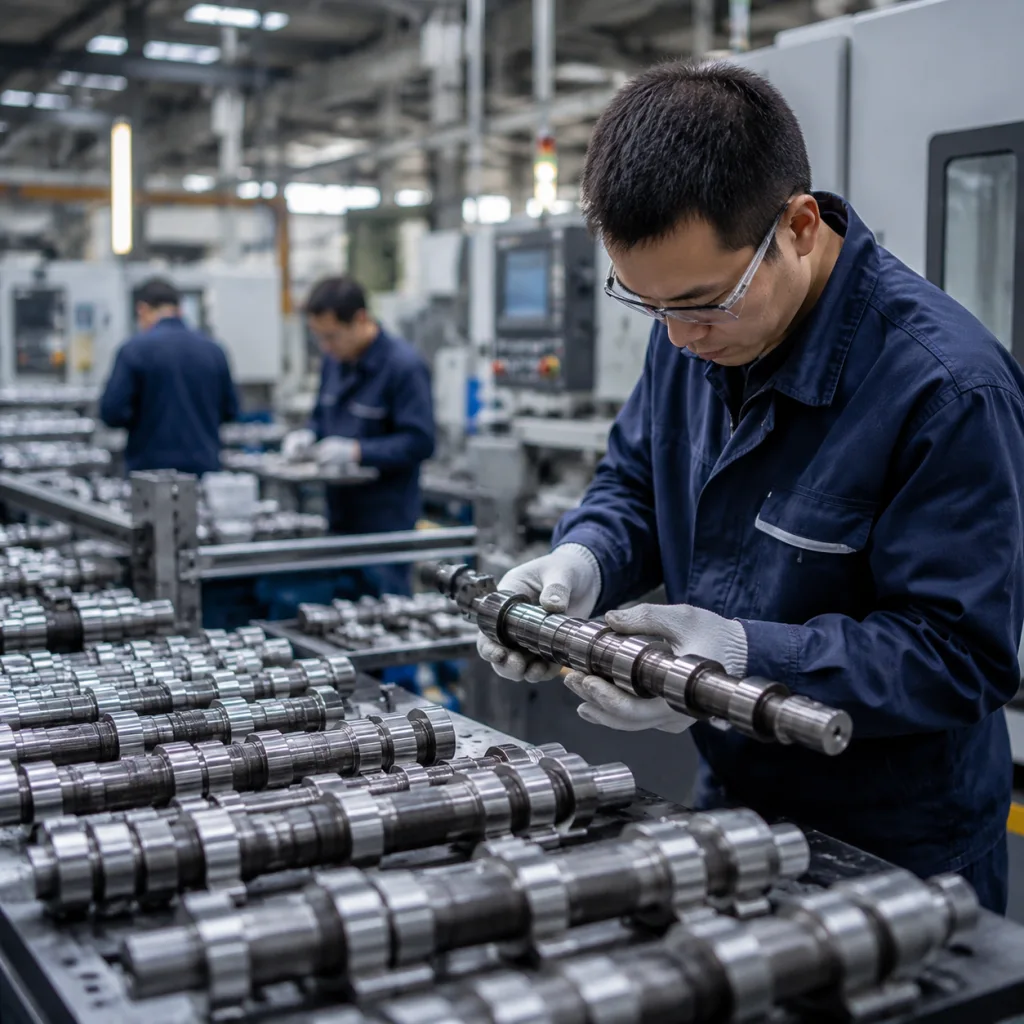
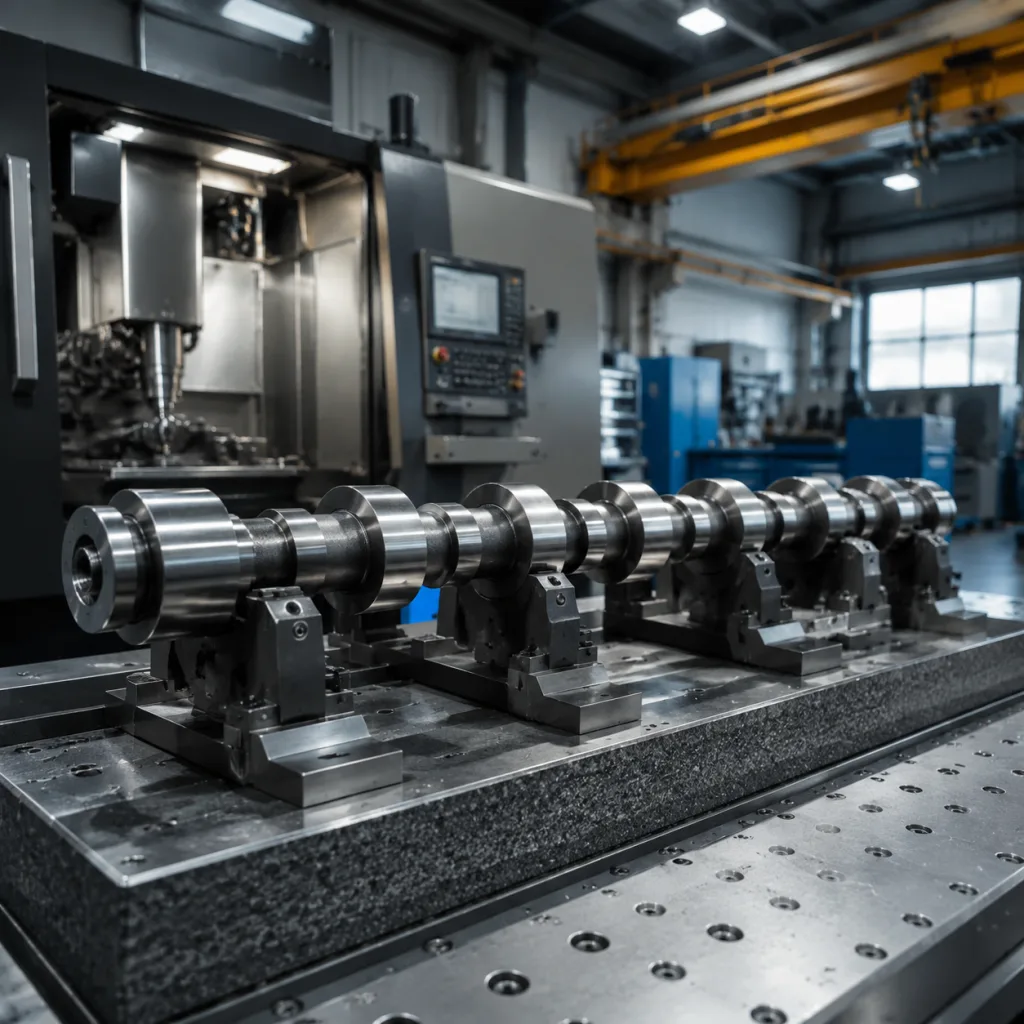
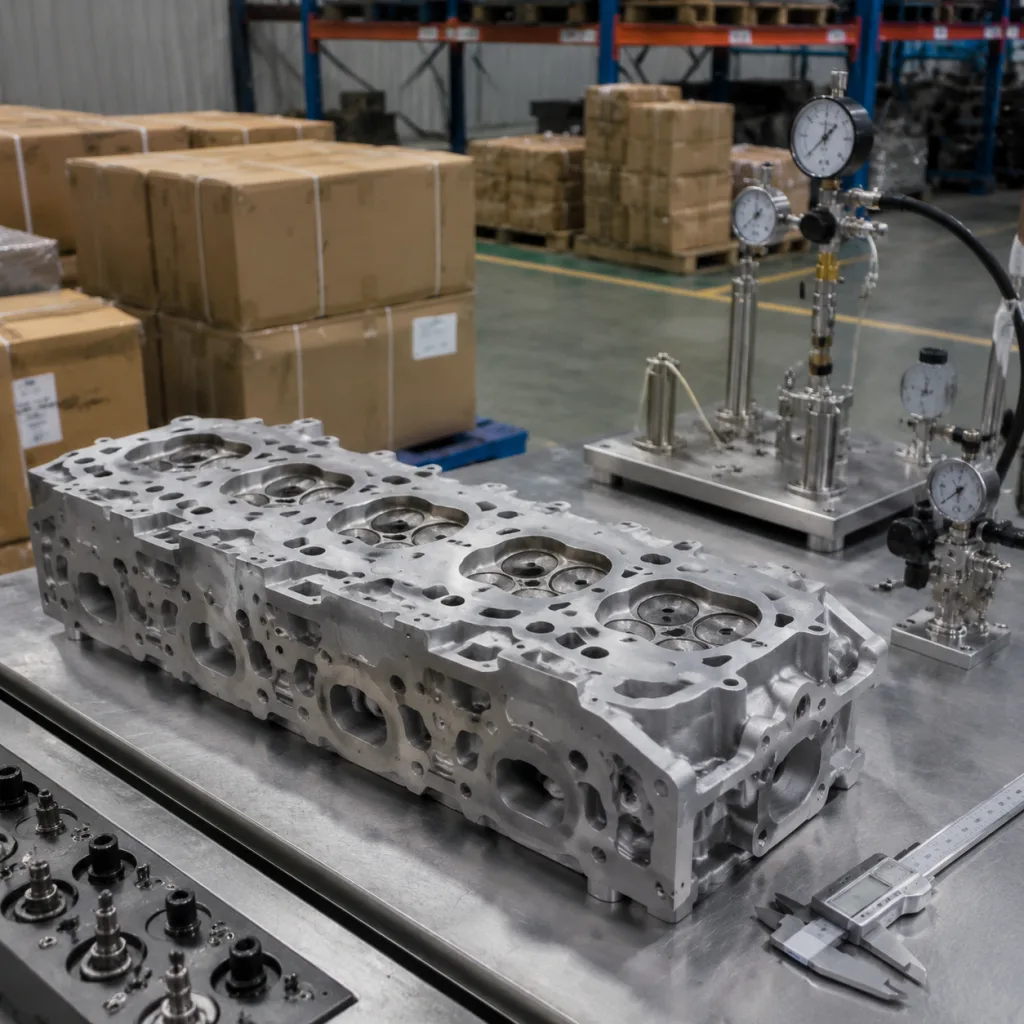
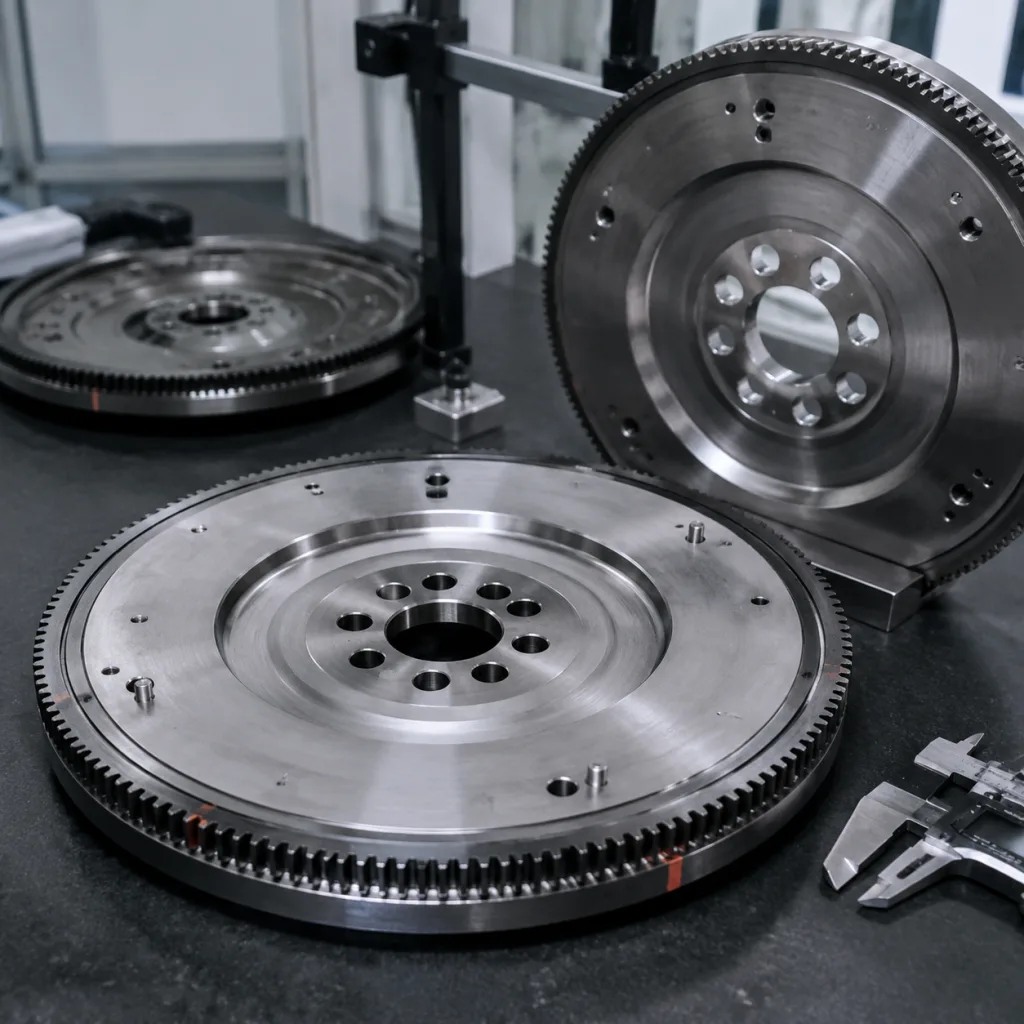
Buying a camshaft for Land Rover applications is a sourcing decision, not a catalogue exercise. Procurement teams need dimensional consistency, repeatable hardness and surface finish, controlled machining, and a supplier that can support audit questions on traceability and process control. For aftermarket distribution, the main risks are mixed fitment, poor lobe geometry, and inconsistent packaging across batches. For repair chains and importers, the critical points are lead time, MOQ, documentation, and whether the factory can support stable reorders. Driventus is an independent aftermarket manufacturer; brand names are referenced for fitment only. We supply camshaft programmes from Taizhou, Zhejiang with IATF 16949:2016 and ISO 9001:2015 systems in place, and we work to published requirements where they apply, including REACH (EC) No 1907/2006 for material compliance.
How to qualify a camshaft Land Rover supplier
Start with fitment control, then move to process control. A camshaft Land Rover supplier should be able to show how it prevents a part for one engine code from being sold against another.
What to verify first:
Fitment coverage by engine code, not vehicle badge alone
Base-circle, lift, lobe separation, and journal diameter control
Heat treatment route and hardness range
Surface finish on journals and lobes
Runout and straightness limits
Packaging and corrosion protection for export freight
OE cross-reference handling matters, but it should never replace application confirmation. A supplier should be able to work with OE-style references such as 06A107065 when the enquiry includes them, while still checking the actual engine build before release. That is the difference between a usable listing and a return claim waiting to happen.
Spec checks that expose weak sources
The fastest way to compare suppliers is to look at the inspection data, not the sales pitch. For a production camshaft, ask the factory to document the controls below.
Item
Typical control point
Buyer note
Material
Alloy cast iron or forged steel
Confirm grade by drawing and route
Hardness
Controlled by heat-treatment spec
Request test method and frequency
Runout
Measured on journals
Ask for batch record, not sample-only
Journal finish
Ground and polished
Needed for stable oil film
Lobe profile
Measured against master data
Profile drift affects valve timing
Packaging
VCI, oiling, partitioned box
Protects ground surfaces in transit
</tr></thead><tbody> </tbody></table>For higher-duty applications, request durability-cycle evidence and wear data rather than relying on nominal specifications. If the programme is destined for the EU or UK, keep material declarations and chemical compliance records aligned with REACH (EC) No 1907/2006. For adjacent product lines, see our catalog and engine components.
Capacity, MOQ, and lead time tradeoffs
Price comparisons often hide the real sourcing risk. A low quote can still become expensive if the supplier cannot repeat the order, misses a ship date, or changes packing between batches.
Ask for these terms up front:
MOQ by part number or by casting/machining family
Standard lead time for stocked and made-to-order parts
Tooling ownership and maintenance terms
Batch traceability by heat number or lot code
Export packing specification for pallet and carton loading
For established programmes, stable replenishment matters more than a one-time bargain. If demand is spread across several Land Rover applications, a vertically integrated manufacturer is usually easier to manage than a trading-only source because machining, finishing, and packing stay under one control plan. Driventus operates as an integrated manufacturer, which helps reduce handoff risk and makes corrections faster when dimensions or finish drift.
Audit questions buyers should expect to ask
A serious supplier should be ready for questions from sourcing, quality, and receiving inspection without scrambling for paperwork. The audit pack should cover the basics cleanly.
IATF 16949:2016 and ISO 9001:2015 certificates
Incoming material control and traceability
In-process measurement plan
Final inspection records
Nonconformance and corrective-action handling
Calibration status for gauges and metrology tools
Also ask whether profile inspection, hardness testing, and runout checks are performed on every batch or only on first-piece samples. That answer tells you a lot about the supplier’s risk tolerance. If you need a quality-system overview, see our quality system. If the job requires private label or drawing-based parts, custom manufacturing can align packaging, finish, or application coverage without changing the core control plan.
What Driventus does differently
Driventus supplies camshafts and related engine components from a controlled manufacturing base in Taizhou, Zhejiang. The value for procurement teams is simple: one point of contact for specification, batch control, and export paperwork.
What buyers can expect:
B2B supply for distributors, OEM/Tier-1 programmes, and repair chains
Application confirmation before order release
Drawing-based or sample-based development support
Stable reorders with lot traceability
Export packing suitable for sea and air freight
Driventus is an independent aftermarket manufacturer; brand names are referenced for fitment only. If you are qualifying a new source, send the part number list, annual volume, target lead time, and required documents. From there, we can review fitment risk, confirm the manufacturing route, and prepare a quotation package through request a quote.
Quick procurement checklist
Use this list when you narrow the field:
Confirm OE and engine-code mapping before pricing
Ask for dimensional inspection format and sample reports
Check whether heat treatment and grinding are done in-house
Verify MOQ, pack quantity, and replenishment lead time
Review certification and export experience
Request a sample only after technical fitment is defined
The best camshaft source is not the cheapest line item. It is the one that prevents mismatch risk, supports repeat supply, and keeps inspection data ready when your customer asks for it.
Frequently asked questions
Yes, if the OE reference and engine application are confirmed first. We use cross-reference data to support fitment, then validate the manufacturing route and inspection plan before release.
Typical documents include IATF 16949:2016 and ISO 9001:2015 certificates, material traceability records, inspection reports, and packaging specifications. Additional compliance documents can be prepared for export markets.
Yes. We support custom manufacturing for packaging, finish, and drawing-based development where the application requires it. The technical control plan is agreed before production starts.
If you are qualifying a camshaft Land Rover supplier, send the engine code, OE reference, target volume, and destination market. We will review fitment, lead time, and documentation with you here: /contact.html