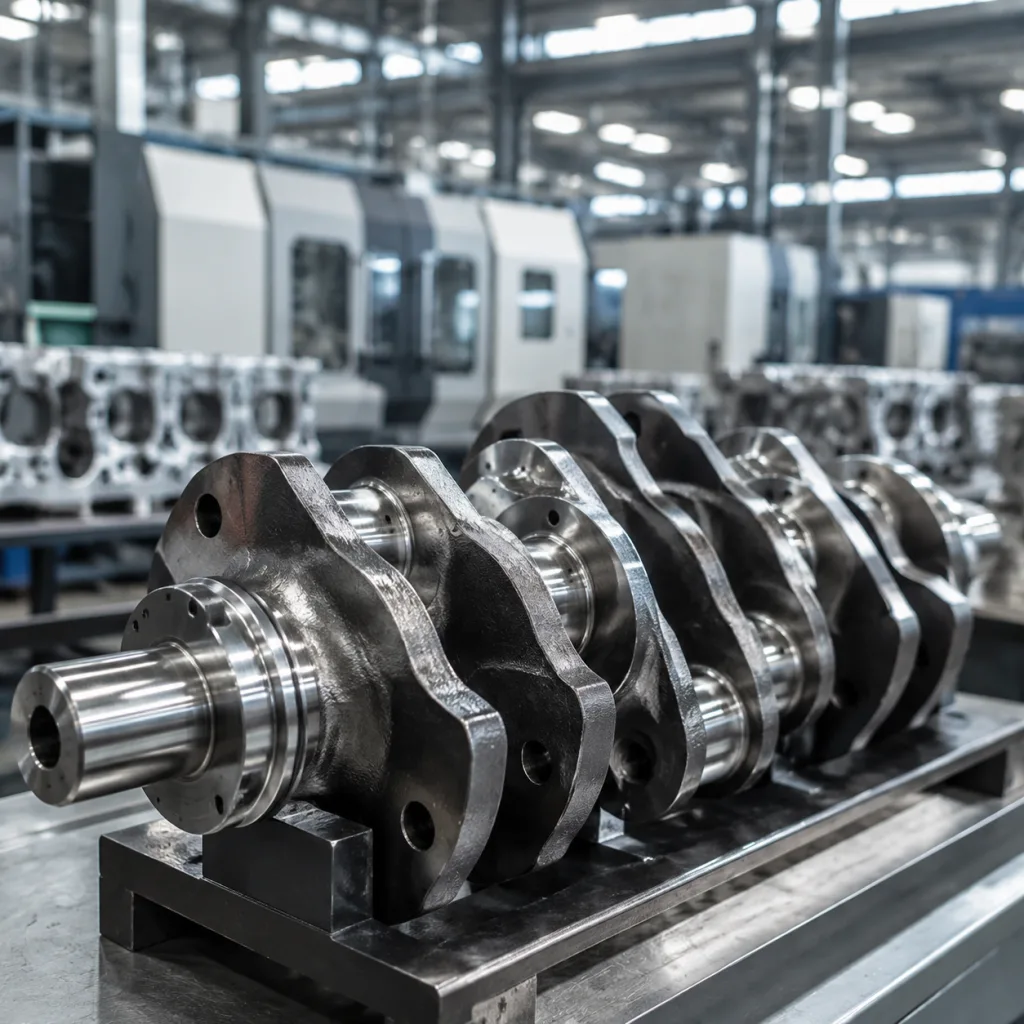
camshaft · 2026-06-20

Camshaft Jaguar Replacement: OE-Equivalent Sourcing

A camshaft Jaguar replacement has to match more than the number of lobes. Procurement teams need dimensional compatibility, correct timing phasing, journal finish, and validation data that supports repeatable fitment across the target engine family. For Jaguar applications, the safest sourcing approach is to work from the OE part number, then verify material specification, heat treatment, runout, and surface finish against the original sample or drawing. Driventus supports B2B buyers with OE-equivalent engine components for aftermarket distribution, repair networks, and manufacturing supply chains. Driventus is an independent aftermarket manufacturer; brand names are referenced for fitment only. This article outlines what to check before ordering, which validation records to request, and how to reduce the risk of returns when replacing a camshaft in Jaguar engines.

What matters in a Jaguar camshaft replacement

A successful replacement is defined by fitment and function, not by appearance. The camshaft must control valve lift, duration, and phasing within the limits expected by the engine management system and valvetrain hardware.

For sourcing teams, the main checks are:

  • OE part-number match or verified cross-reference, such as `OE 06A107065` when the engine family uses that convention
  • Overall length, journal diameter, bearing spacing, and thrust face geometry
  • Cam lobe lift, base-circle diameter, and lobe separation angle
  • End play, straightness, and measured runout
  • Surface hardness and finish on journals and lobes

If the replacement deviates on any of these points, the engine can show noise, misfire, reduced oil pressure at the journals, or timing correlation faults. For Jaguar engines, suppliers should provide dimensional records tied to the production batch, not a generic fitment claim.

OE-equivalence checks before you buy

OE-equivalence should be confirmed with measurable evidence. For procurement, that means asking for the drawing, material certificate, and inspection report before approval.

</tr></thead><tbody> </tbody></table>If the source part is for a known Jaguar engine family, ask the supplier to compare against the original sample and record deviations. For replacement procurement, a controlled dimensional match is more useful than a broad compatibility statement.

OE-equivalence checks before you buy

Validation testing to request from the supplier

A credible supplier should support the part with validation data. This is especially important when the camshaft will be sold through distributors or installed by multi-location repair chains.

Request the following documents where available:

  • Incoming material certificate and heat-treatment record
  • First article inspection report
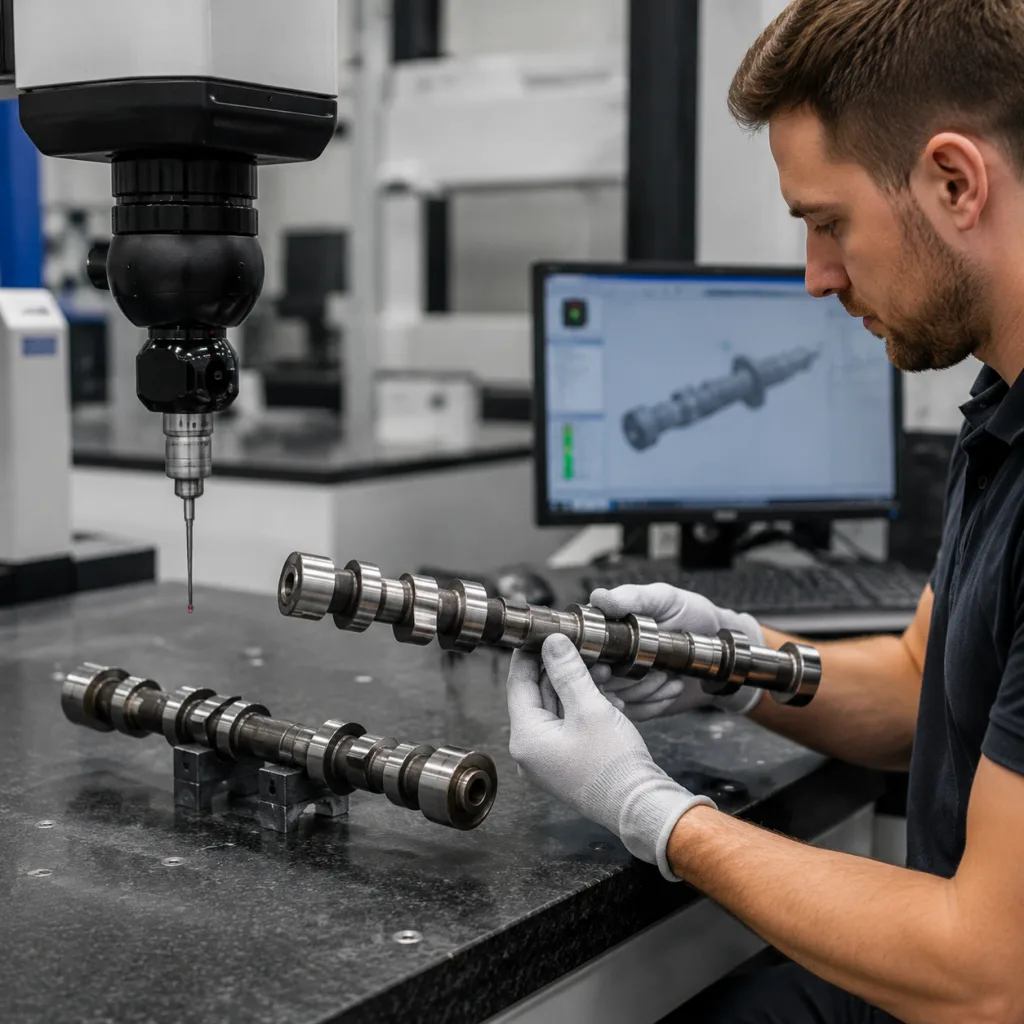
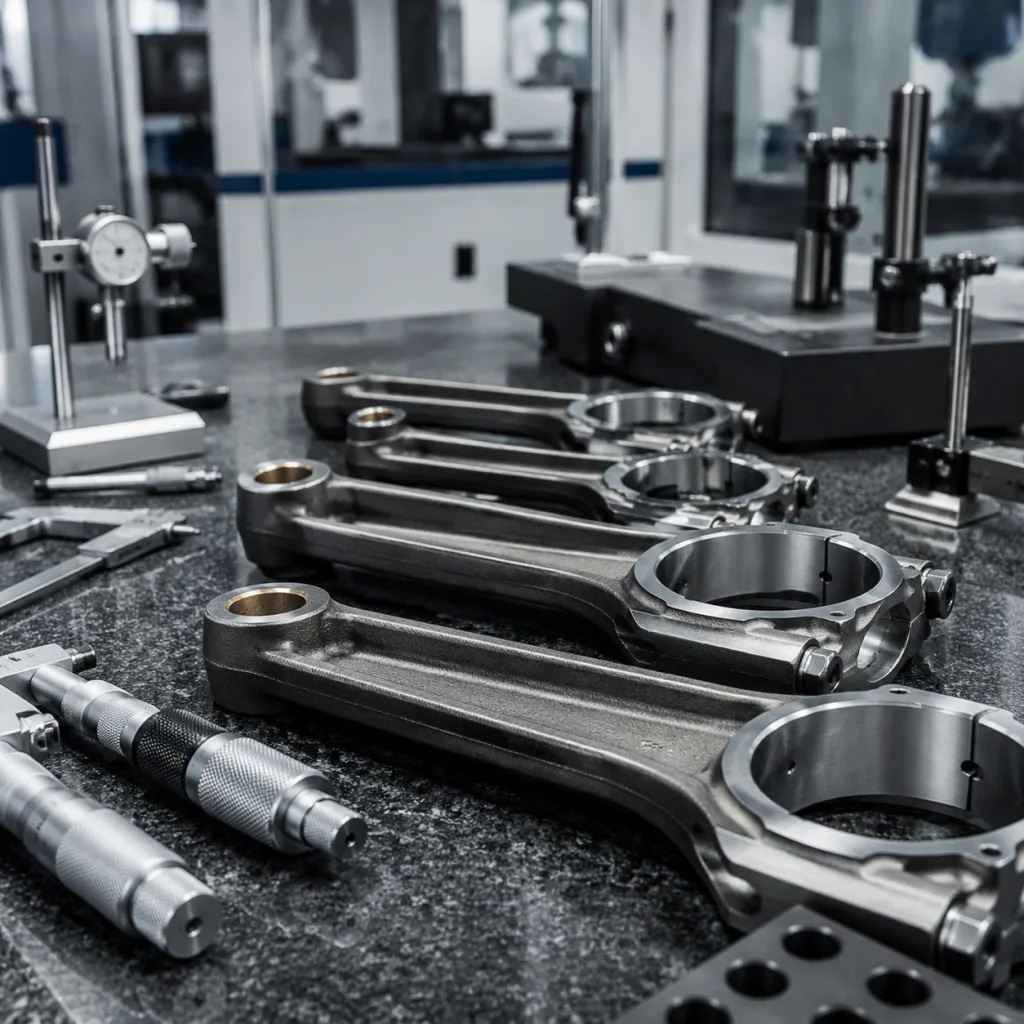
  • Coordinate or micrometer measurement of critical dimensions
  • Hardness test results for journals and lobes
  • Surface roughness report for wear surfaces
  • Dynamic balance and runout measurement
  • Packaging verification for corrosion protection in export transit

Published quality systems also matter. Driventus operates under quality system controls aligned to IATF 16949:2016 and ISO 9001:2015, which helps buyers standardise acceptance criteria across batches. For export markets, it is also reasonable to ask about REACH (EC) No 1907/2006 exposure where applicable to coatings, oils, or packaging materials.

Where camshaft replacement fails in the field

Most field failures are caused by one of three issues: wrong timing profile, poor surface quality, or insufficient lubrication during break-in. The part may install correctly and still fail early if the profile does not match the engine calibration.

Common symptoms include:

  • Rough idle or intermittent misfire after installation
  • Cam/crank correlation fault codes
  • Valve train noise at cold start
  • Premature lobe or follower wear
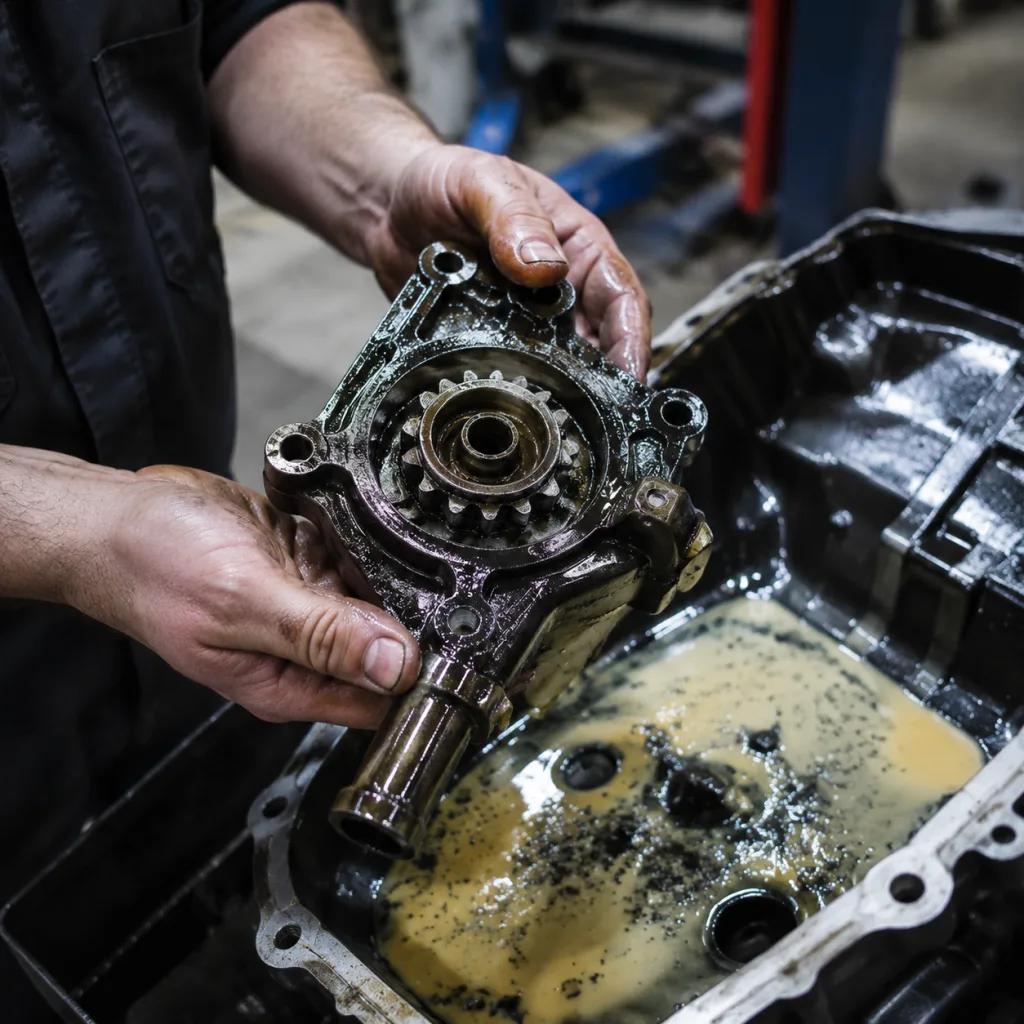
  • Oil contamination from accelerated metallic wear

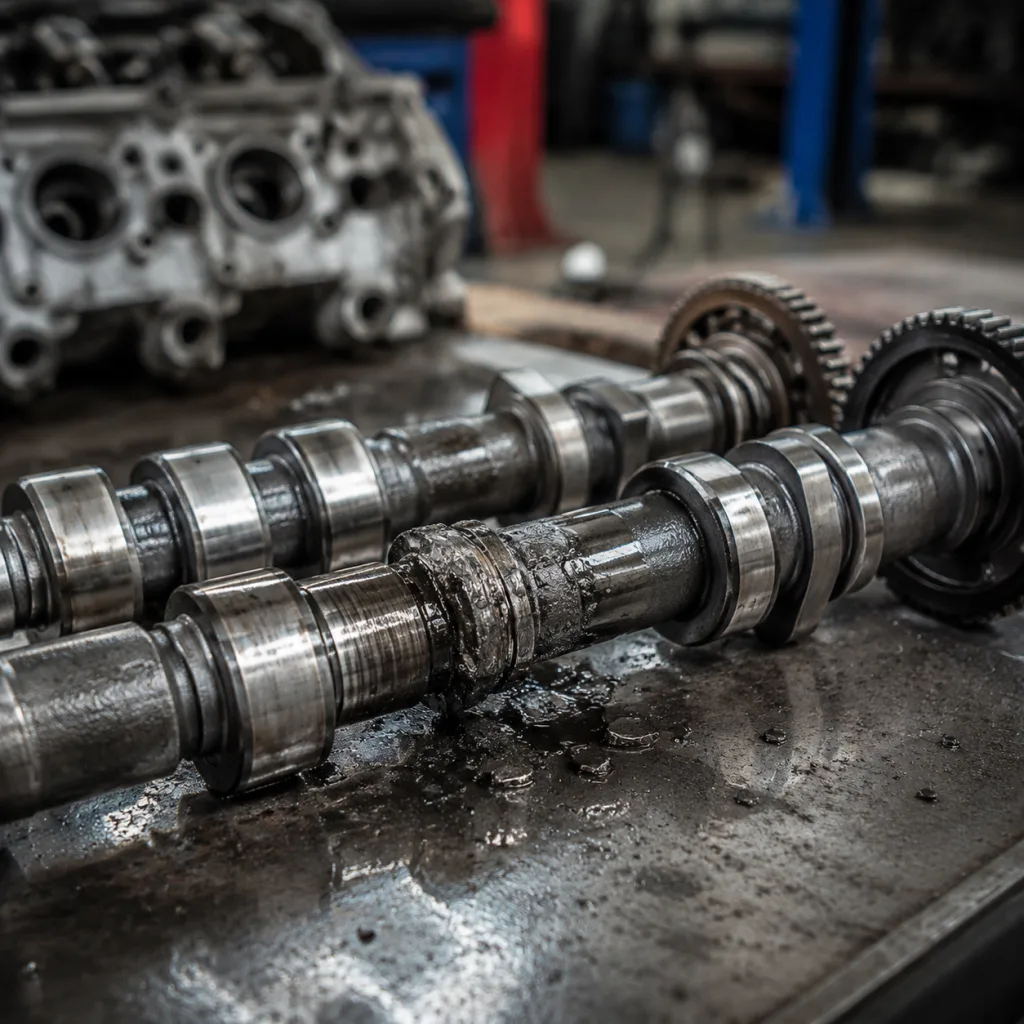
Inspection should begin with the old part, not the new one. Check the worn camshaft for scoring, pitting, blueing, and abnormal wear patterns. If wear is concentrated on one lobe or journal, look for lubrication problems, blocked oil passages, or follower damage. A direct replacement should only be released once the root cause is understood.

Where camshaft replacement fails in the field

How Driventus supports B2B sourcing

Driventus supplies engine and powertrain parts for buyers who need repeatable specifications and stable export handling. For camshaft programs, we can support OE cross-reference review, sample matching, and batch documentation for approval workflows.

Buyers can start with our catalog, then move to custom manufacturing when a project needs drawing-based production or a controlled revision. If you are building out a wider engine line, engine components can be consolidated under one procurement program.

Driventus is an independent aftermarket manufacturer; brand names are referenced for fitment only. That disclosure matters for compliance teams, customs documentation, and distributor product labelling.

Frequently asked questions

Match the OE reference, then confirm journal size, overall length, lobe profile, and runout against the original part or drawing. Dimensional evidence is more reliable than catalogue wording.

Ask for material certificates, first article inspection data, hardness results, runout measurement, and packaging confirmation. For regulated exports, request any applicable REACH-related declarations.

Yes. We support drawing-based and sample-based programs for B2B buyers, including dimensional review, validation records, and export packaging. Use the contact link below to discuss requirements.

If you need a replacement camshaft program for Jaguar applications, send the OE reference and sample details. We can review fitment, validation needs, and supply options at /contact.html

Request a Quote
Check item What to confirm Why it matters
MaterialAlloy grade and heat treatment routeControls wear resistance and core strength
Journal sizeMicron-level dimensional matchPrevents oil clearance issues
Lobe profileLift and duration within specPreserves valve timing and engine output
RunoutMeasured on calibrated equipmentReduces vibration and timing errors
Surface finishJournal roughness and hardnessSupports oil film stability and wear life