Coolant in Oil Oil Pump: Diagnosis and Replacement
Coolant in engine oil is a serious contamination problem, and the oil pump is often one of the first components checked because it sits in the main lubrication circuit. In most cases, the pump is not the root cause; it is examined because the same failure path that lets coolant enter the crankcase can also compromise oil pressure and pump condition. The practical job is to identify whether the source is a head gasket, oil cooler, cylinder liner seal, cracked casting, or a damaged pump body or cover. For procurement teams and repair buyers, the decision is not only technical. The replacement part must match the OE envelope, maintain pressure and flow, and pass cleanliness and dimensional checks. Driventus is an independent aftermarket manufacturer; brand names are referenced for fitment only. We support B2B buyers with IATF 16949:2016 and ISO 9001:2015 controlled production, traceable inspection, and export supply for engine and powertrain components.
What coolant in oil usually means
Coolant contamination in engine oil points to an internal leak path between the cooling circuit and the lubricating circuit. Common symptoms include milky oil on the dipstick, a rising oil level, bearing noise, unstable oil pressure, and overheating.
The oil pump is usually not the original source. It is often inspected because:
It operates in contaminated oil and can suffer accelerated wear.
A damaged pump cover, housing, or shaft seal can worsen pressure loss.
Low oil pressure may appear alongside the coolant leak, which makes the pump a likely suspect.
For fleets and workshops, the correct sequence is symptom, source, then component replacement. Replacing the pump without confirming the leak path can leave the contamination unresolved.
Typical failure sources to inspect first
Before authorising an oil pump replacement, inspect the parts most likely to allow coolant into the oil gallery or crankcase.
Likely source
What to check
Why it matters
Cylinder head gasket
Compression leak, coolant passage staining, block test results
A common route between coolant and oil circuits
Oil cooler / heat exchanger
Pressure test for cross-leak, contaminated cooler matrix
Many engines route coolant through the oil cooler
Cracked cylinder head or block
Dye penetrant, pressure decay, visible fracture
Casting cracks can mimic gasket failure
Liner seals
Coolant in sump after overnight soak
Wet-liner engines can leak past seals
Oil pump housing or cover
Scoring, warp, seal surface damage
Can cause pressure loss, but not usually coolant crossover on its own
</tr></thead><tbody> </tbody></table>If the engine uses an integrated oil cooler near the pump, the two parts should be evaluated together. That is often where false conclusions happen in field diagnosis.
Inspection steps before ordering a pump
Use a controlled inspection process before selecting a replacement.
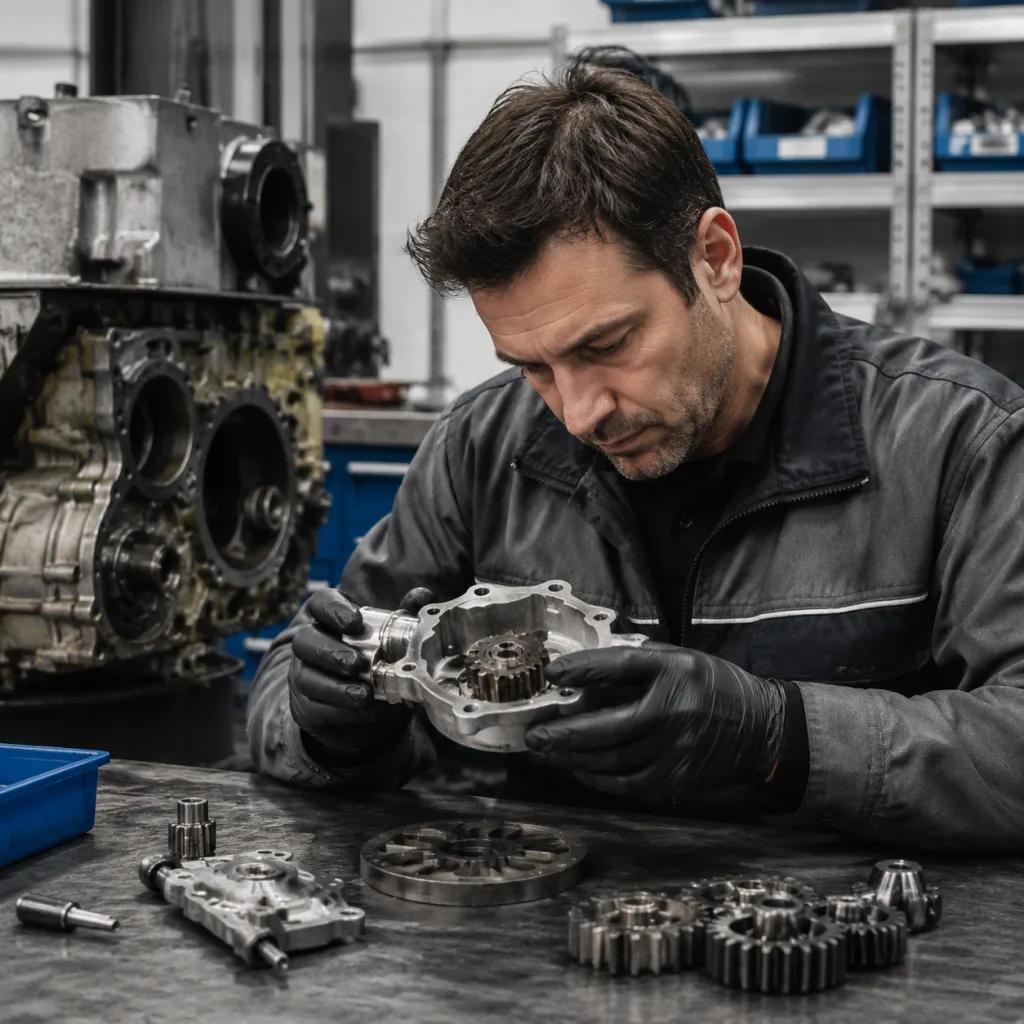
1. Drain and sample the oil. Confirm coolant contamination, not only condensation. 2. Pressure-test the cooling system cold and hot. 3. Check the oil cooler or filter housing for internal crossover. 4. Perform a compression or leak-down test if a head gasket fault is suspected. 5. Remove the sump if required and inspect bearing material, sludge, and pump pickup condition. 6. Measure pump gear clearance, cover flatness, and end play if the pump shows wear.
For purchase teams, record the OE reference, engine code, and housing revision before release. A close visual match is not enough when port layout, pickup depth, or drive interface changes across variants.
When the oil pump should be replaced
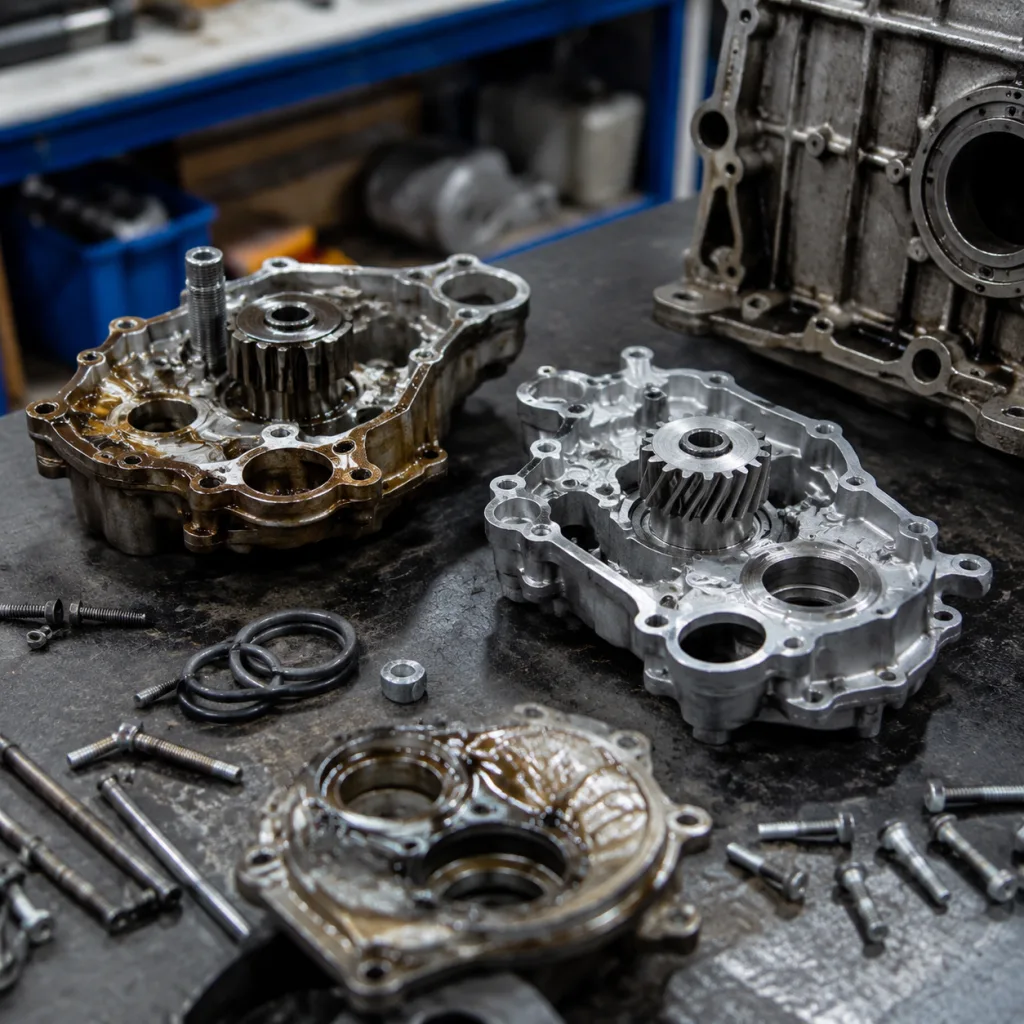
Replace the oil pump when inspection shows wear, scoring, cavitation damage, cracked housing, excessive end clearance, or contamination-related abrasion. If the engine has run with coolant in the oil, the pump should be examined carefully even if it still turns freely.
Practical replacement triggers include:
Pressure below specification after repairing the coolant leak.
Metal debris in the pickup screen or pump cavity.
Blueing, scoring, or pitting on gears or rotors.
Warped cover surface or damaged relief valve.
Seal damage after overheating or bearing failure.
A pump that has ingested contaminated oil may survive initial operation but fail later. For commercial repair programmes, that creates a repeat job and higher warranty exposure.
Sourcing requirements for B2B buyers
For aftermarket distribution, workshop groups, and OEM supply, the replacement pump should be verified on measurable criteria, not only part description.
OE reference and engine family match
Mounting face and bolt pattern confirmation
Gear, rotor, or gerotor geometry match
Pickup tube position and oil gallery alignment
Relief valve setting and spring specification
Material grade and surface finish control
Cleanliness and final inspection records
Driventus supports buyers with controlled manufacturing, dimensional checking, and traceable lot control under IATF 16949:2016 and ISO 9001:2015. Where required, we also support fitment-focused custom manufacturing through our custom manufacturing service. Review our catalog for related engine components and our quality system for inspection controls. Driventus is an independent aftermarket manufacturer; brand names are referenced for fitment only.
Standards and validation points
For cross-border sourcing, published standards help define the validation scope even when the part itself is not certified to a single global specification.
IATF 16949:2016 for automotive quality management in serial production
ISO 9001:2015 for documented quality management systems
REACH (EC) No 1907/2006 for material and substance compliance in the EU
ECE R-83 where emissions-related engine repair context affects assembly integrity
SAE J2527 when corrosion or environmental durability testing is part of programme validation
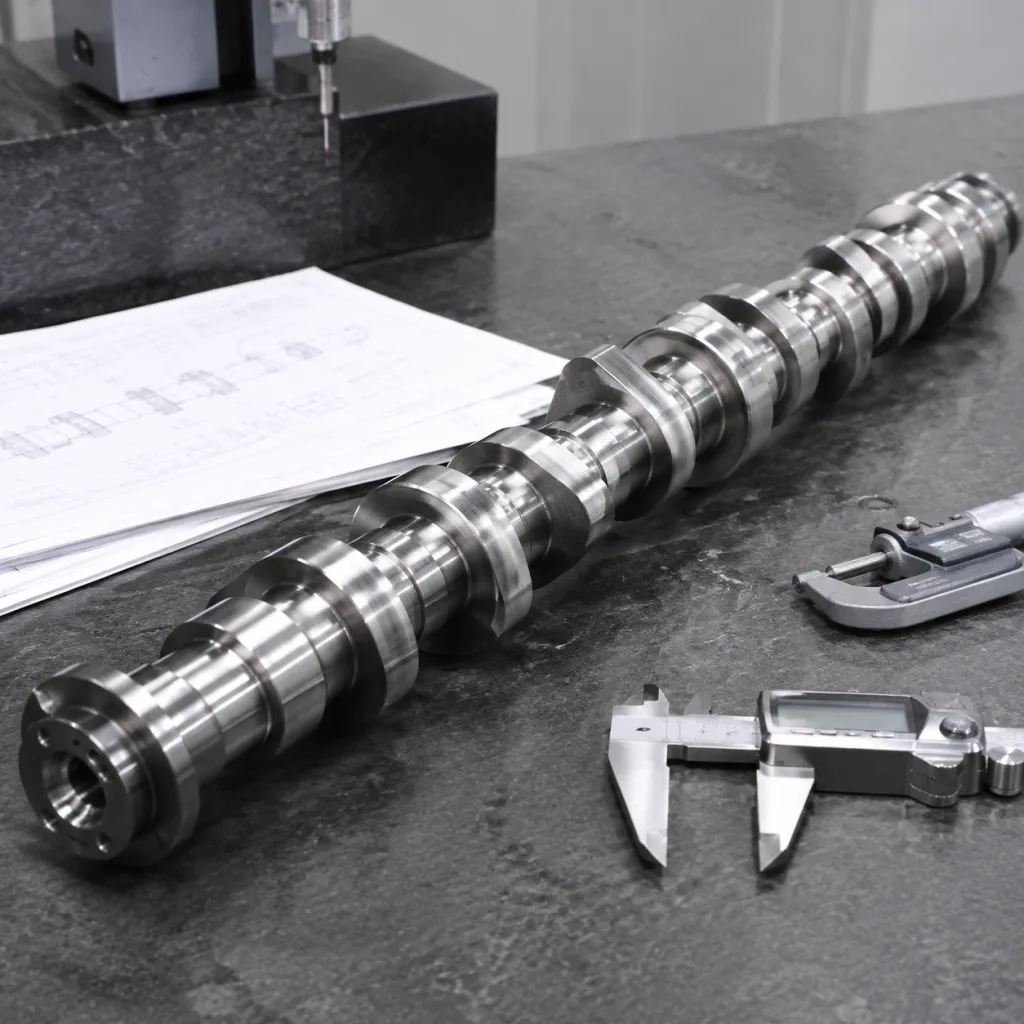
For oil pumps, buyers typically request dimensional inspection, leakage checks, pressure/flow verification, and material traceability rather than a generic fit claim. If an engine family has known revision splits, OE cross-reference control is essential before release.
Frequently asked questions
Usually no. The pump is more often damaged by contaminated oil than it is the source of coolant entry. Check the head gasket, oil cooler, block, and liner seals first.
Replace it if inspection shows scoring, wear, warped surfaces, low pressure, or debris damage. If the engine ran for long with contaminated oil, replacement is often the safer option.
Confirm OE reference, mounting geometry, drive type, relief valve setting, and engine revision. Always validate against the actual sample or engine code before purchase.
If you are sourcing a replacement pump or validating an engine repair programme, contact Driventus for fitment support and supply options at /contact.html