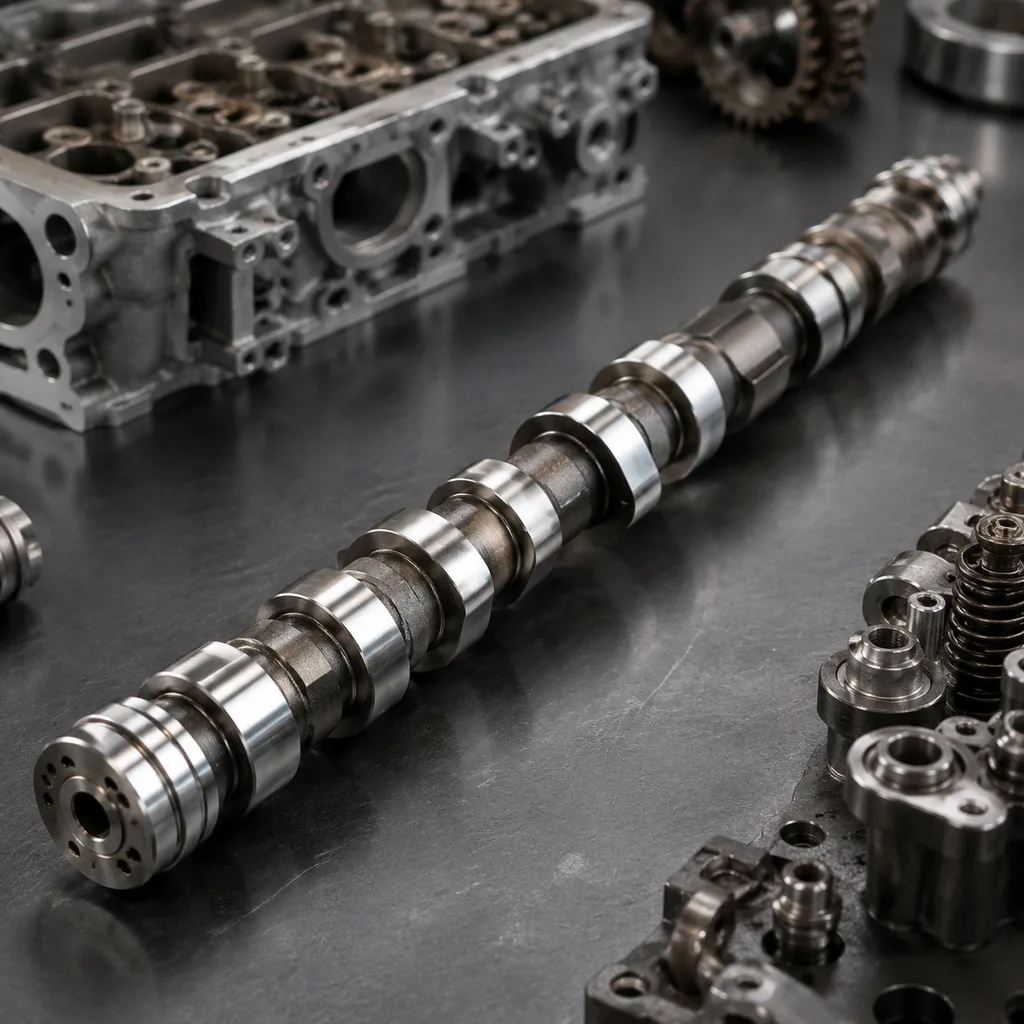
A camshaft for Iveco Daily OE equivalent replacement is not selected only by vehicle model or engine code. For procurement teams, the critical question is whether the part matches the original geometry, material behaviour, surface finish and timing function closely enough for reliable service in mixed fleets. This is especially important for light commercial vehicles that may run high annual mileage, long idle time and frequent stop-start duty cycles. Driventus supplies camshafts as independent aftermarket components for distributors, repair chains and engine rebuilders that require controlled batches, traceable production and consistent fitment data. This article explains the practical checks buyers should use when evaluating an OE-equivalent camshaft for Iveco Daily applications, including dimensional matching, metallurgy, validation testing and documentation. Driventus is an independent aftermarket manufacturer; brand names are referenced for fitment only.
What OE-Equivalent Means for an Iveco Daily Camshaft
For replacement sourcing, OE-equivalent means the aftermarket camshaft is engineered to match the original part’s fit, timing function and durability targets without claiming vehicle manufacturer approval. The buyer should not rely on catalogue wording alone. A credible supplier must show how the component was measured, produced and validated.
For Iveco Daily engine applications, the camshaft typically must maintain correct valve lift, lobe phasing, journal diameter, thrust control and surface hardness. Small deviations can change combustion efficiency, emissions behaviour, valve train noise or wear rate. For a diesel commercial engine, this can affect downtime and warranty exposure for distributors and repair networks.
Key OE-equivalence criteria include:
Fitment match by engine family, year range and OE cross-reference format, such as OE 06A… or OE 11251… only where applicable in buyer data.
Journal diameter and runout control suitable for direct installation without machining.
Lobe profile matched by lift curve, not only peak lift.
Correct drive interface, sensor reference features and thrust face position.
Heat treatment and surface finish aligned with valve train contact stress.
Packaging and corrosion protection suitable for sea freight and warehouse storage.
Procurement teams can review relevant engine parts in our catalog, including camshafts and related engine components.
Dimensional and Material Checks Before Approval
A camshaft replacement programme should begin with measurement of the original reference part and the proposed aftermarket sample. The goal is not only interchangeability at assembly, but repeatable function across production batches.
Check point
Typical procurement requirement
Why it matters
Main journal diameter
Controlled to drawing tolerance
Prevents oil pressure loss and bearing seizure
Cam lobe lift
Matched to reference lift curve
Maintains valve opening and engine breathing
Lobe phasing
Verified against datum
Protects timing accuracy and emissions stability
Shaft straightness/runout
Measured on V-blocks or centres
Reduces valve train noise and uneven wear
Surface hardness
Confirmed after heat treatment
Supports wear resistance under boundary lubrication
Surface roughness
Recorded on journals and lobes
Influences oil film formation and follower life
Drive and sensor features
100% visual and gauge check
Prevents no-start faults and timing errors
</tr></thead><tbody> </tbody></table>Material selection depends on engine design and production method. Cast chilled iron and forged or machined steel are common in different camshaft families. The supplier should provide material grade, heat-treatment route and inspection results for each production lot. When buyers are comparing quotes, a lower price without hardness, microstructure and runout records is not equivalent value.
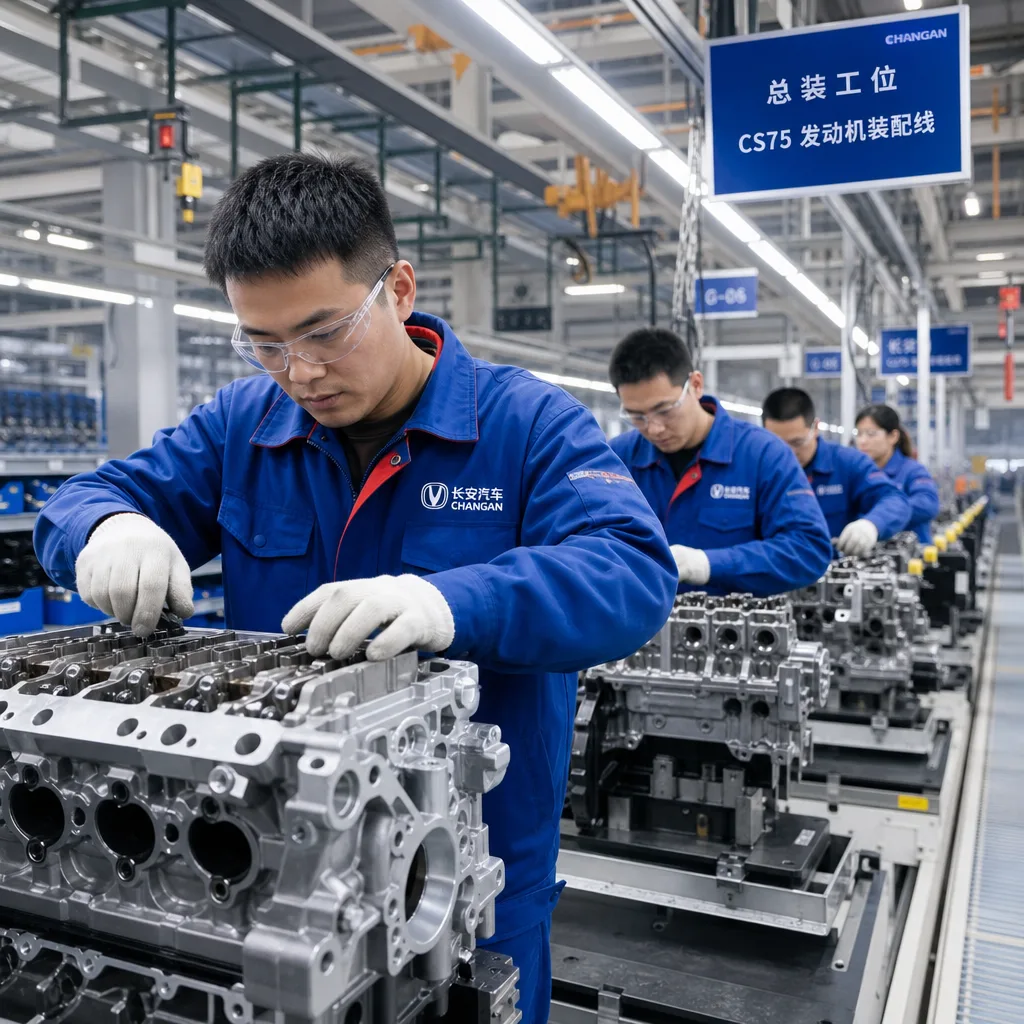
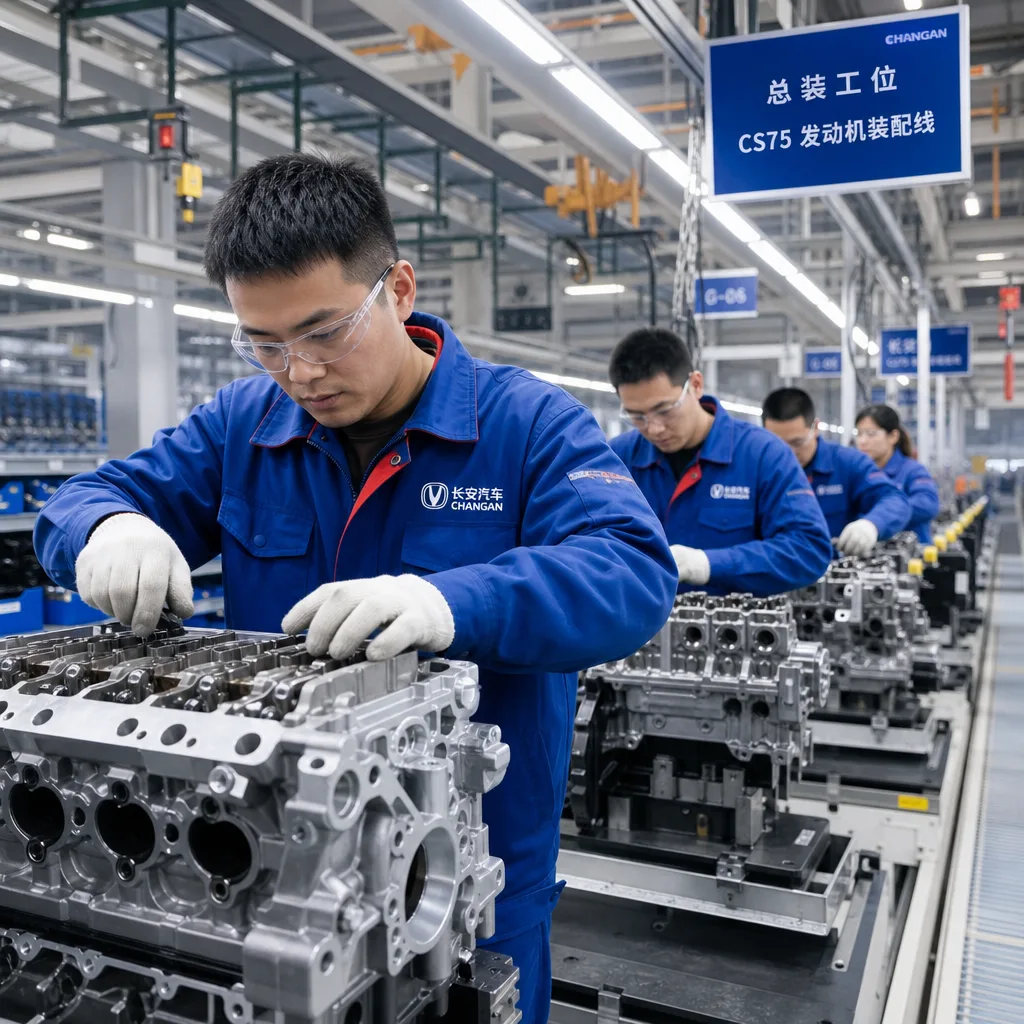
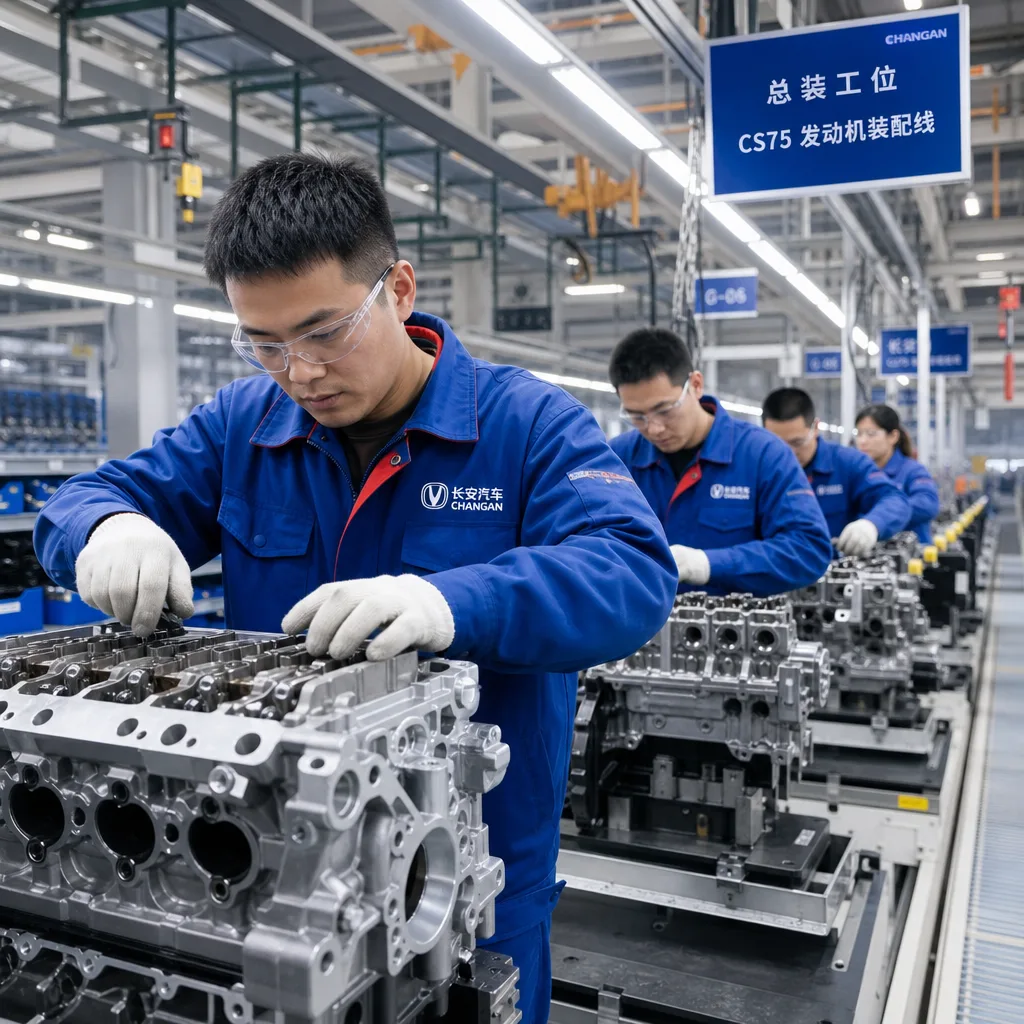
At Driventus, camshaft production is managed through controlled machining, grinding, heat treatment verification and final inspection. Our manufacturing controls are supported by IATF 16949:2016 and ISO 9001:2015 quality management principles. These standards do not replace part validation, but they help ensure that inspection plans, nonconformity controls and traceability are applied consistently.
Validation Tests for Replacement Confidence
A camshaft for Iveco Daily OE equivalent supply programme should include both sample validation and batch release testing. The validation plan should reflect the risk level of the application, order volume and warranty exposure in the target market.
Useful validation and inspection activities include:
Coordinate measurement: Confirms journals, lobes, thrust faces, keyways and reference datums against drawing or reverse-engineered data.
Cam profile measurement: Captures lift curve and phasing rather than only maximum lift.
Hardness testing: Confirms lobe and journal hardness after induction hardening, chilling or nitriding, depending on design.
Microstructure inspection: Checks material consistency, carbide distribution or case depth where applicable.
Magnetic particle or crack inspection: Screens for surface cracks after heat treatment and grinding.
Dynamic or fixture-based rotation checks: Identifies excessive runout and binding risk.
Salt spray or packaging review: Assesses corrosion protection for export storage conditions; ASTM B117 is often used where specified by the buyer.
For complete engine durability, the camshaft interacts with followers, tappets, valves, springs, lubrication quality and timing components. A failed follower can damage a good camshaft, and a poorly hardened lobe can damage a good follower. For this reason, distributors supplying repair chains should keep linked parts in the same quality approval scope where possible.
Emission and vehicle-level regulations such as ECE R-83 may be relevant to the vehicle’s type approval environment, but component suppliers should not claim that an individual camshaft alone certifies emissions compliance. The correct approach is dimensional and functional equivalence, supported by controlled testing and clear fitment responsibility.
Documentation Buyers Should Request
Importers and category buyers can reduce sourcing risk by standardising the approval package. A supplier that can provide documents before mass shipment is easier to audit and easier to manage when multiple engine versions are involved.
Minimum documentation should include:
Part drawing or controlled specification with revision status.
Fitment list by engine code, year range and market notes.
OE-equivalent cross-reference table, where buyer-supplied references are available.
Initial sample inspection report with critical dimensions.
Material certificate or material declaration.
Heat treatment and hardness report.
Surface roughness and runout inspection results.
Batch traceability code format.
Packaging specification, including anti-rust method and carton/pallet details.
Compliance declarations where applicable, including REACH (EC) No 1907/2006 for EU market supply.
A supplier’s quality system should also define control plans, gauge calibration, process audits, corrective action methods and retention of inspection records. For private label or market-specific ranges, buyers may need custom manufacturing with agreed drawings, marking, packaging and inspection frequency.
Driventus is an independent aftermarket manufacturer; brand names are referenced for fitment only. We do not claim approval, endorsement or authorisation by any vehicle manufacturer.
Commercial Fit for Distributors and Repair Chains
For replacement programmes, commercial fit is linked to technical consistency. A distributor may carry one camshaft reference that serves several engine variants, but only if the fitment mapping is accurate. Repair chains need parts that install without rework and perform predictably after the vehicle returns to service.
When evaluating suppliers, procurement teams should compare more than unit price:
Sourcing factor
Low-risk expectation
Procurement impact
Application data
Engine-code and model-year mapping
Reduces returns from wrong fitment
Batch traceability
Lot code on label and records
Supports warranty investigation
Inspection depth
Critical dimensions checked per plan
Reduces mixed-quality shipments
Packaging
Rust protection for export transit
Prevents warehouse losses
Lead time
Confirmed production and dispatch window
Supports inventory planning
Communication
Technical response from engineering team
Speeds sample approval
</tr></thead><tbody> </tbody></table>For multi-location repair chains, it is useful to keep installation notes with the part record. These may include lubrication requirements, follower inspection, timing tool use and oil-change recommendations after major valve train service. For distributors, the same notes can reduce technical disputes with installer customers.
Driventus supplies B2B camshaft programmes for aftermarket distribution, engine rebuilding and private label channels. Buyers can send sample references, drawings, existing cross-reference lists or failed-part photos when they request a quote.
Practical Approval Workflow
A structured approval workflow prevents confusion between a catalogue match and a validated replacement. The following process is suitable for most importers and repair-chain sourcing teams:
1. Confirm engine application, displacement, production years and market version. 2. Provide any existing OE-equivalent references, drawings, samples or competitor part numbers. 3. Review supplier fitment mapping and exclude uncertain applications. 4. Approve material, heat treatment, surface finish and inspection requirements. 5. Test pre-production samples through dimensional inspection and trial installation. 6. Review packaging, labelling, barcode and country-specific compliance needs. 7. Place pilot order with defined batch inspection records. 8. Monitor field feedback, returns and installer comments for the first shipment cycle.
This workflow is especially useful where one range covers several Iveco Daily engine generations. Similar-looking camshafts may differ in sensor features, timing interfaces or lobe phasing. A controlled process helps avoid mixed inventory and reduces the cost of catalogue corrections after launch.
For a camshaft for Iveco Daily OE equivalent programme, the strongest approval evidence combines dimensional data, metallurgy records, sample installation feedback and stable batch control. Price remains important, but it should be evaluated after confirming that the part can meet the required functional and documentation standard.
Frequently asked questions
Yes. Driventus supports B2B private label supply for camshafts, subject to fitment confirmation, packaging requirements and agreed inspection criteria. We can review buyer samples, drawings or cross-reference lists before quotation.
Please provide engine code, vehicle year range, market, photos, sample dimensions and any existing cross-reference data. If available, include the failed part and mating components for wear review.
No. OE-equivalent means designed to match fit and function for replacement use. Driventus is an independent aftermarket manufacturer; brand names are referenced for fitment only.
If you are building a replacement camshaft range for Iveco Daily applications, Driventus can review your fitment data and sample requirements. Send your enquiry through /contact.html