Camshaft for Infiniti QX60 Replacement: Sourcing Guide
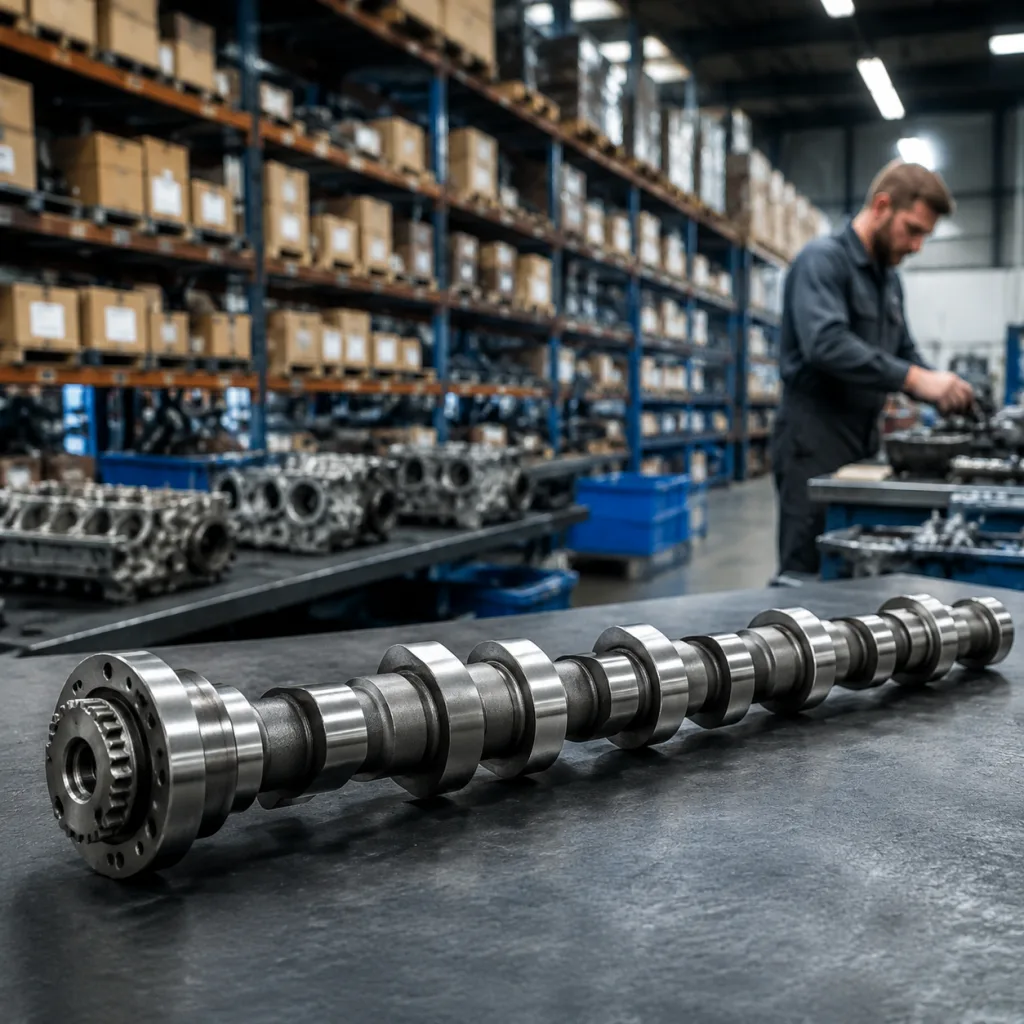
A camshaft for Infiniti QX60 replacement needs a technical procurement spec, not just a model-name match. Buyers should confirm the engine code, valve-train layout, cam position, lobe geometry, journal diameters, phaser compatibility, and any matched components such as lifters, sprockets, or timing gears before placing an order. For program control, build the purchase spec around the OE sample or drawing, then lock the dimensional tolerances, surface finish, and inspection method so repeat orders stay consistent. Driventus is an independent aftermarket manufacturer; brand names are referenced for fitment only. Our camshaft production is controlled under IATF 16949:2016 and ISO 9001:2015, with traceable inspection records and export documentation for B2B supply. For wholesale, fleet repair, or distribution, the best starting point is a verified OE cross-reference followed by dimensional approval, packaging approval, and a clear commercial plan for MOQ, pricing tiers, and lead time before volume release.
What to verify before ordering
For a replacement camshaft, the purchase specification should be built from the vehicle application and engine family, not from the model name alone. The Infiniti QX60 has appeared with different powertrain combinations by market and model year, so confirm the engine code, cylinder head type, cam position, and whether the requirement is intake, exhaust, or a matched pair.
Minimum checks for procurement:
OE part reference, if available, used only as a cross-reference starting point
Vehicle model year, market, and engine code
Camshaft type: intake, exhaust, or both
Overall length, bearing-journal count, and journal spacing
Journal diameter, base-circle diameter, and lobe lift
Lobe centerline, duration, and lobe separation angle
Timing-drive interface: sprocket, phaser, or chain-drive end
Material grade, heat-treatment state, and surface-coating requirement
Packaging, barcode, and traceability requirements for receiving
For program control, ask the supplier to quote against a controlled spec sheet with nominal dimensions and acceptance limits. A practical purchase file should show the part name, engine code, revision level, approved sample number, and the inspection standard used for incoming quality.
If the application includes variable valve timing, do not interchange a solid camshaft with a phaser-compatible design. That mismatch can create timing faults, low vacuum, poor idle quality, and repeat comebacks even when the part installs physically.
Replacement fitment criteria for Infiniti QX60
A correct replacement must match the original part in the dimensions that affect valve timing and bearing support. For camshafts, small deviations can move valve events enough to create noise, drivability complaints, or fault codes, so buyers should define both nominal values and allowable tolerances before mass purchase.
Check point
Typical procurement target
Suggested tolerance control
Why it matters
Journal diameter
Match OE sample or drawing
±0.005 mm to ±0.010 mm depending on bearing spec
Prevents oil-pressure loss and accelerated wear
Journal roundness
Near-perfect cylindrical form
≤0.003 mm preferred
Protects oil film stability
Lobe lift
Match OE lift value
±0.03 mm to ±0.05 mm
Preserves airflow and combustion timing
Lobe-to-lobe indexing
Match OE angular spacing
±0.5° to ±1.0°
Keeps valve events synchronized
Overall length
Fit head and thrust control
±0.10 mm
Prevents end-load and assembly issues
Runout
Measured on dedicated fixture
≤0.03 mm preferred, or per drawing
Reduces vibration and valve-train noise
Surface finish
Ground journals and lobes
Ra typically 0.2–0.8 μm on critical surfaces
Supports break-in and wear resistance
Hardness
After heat treatment
Per material spec, often HRC 50+ on wear surfaces
Controls lobe durability
End face / drive feature
Gear, sprocket, or phaser interface
Must match OE geometry
Ensures correct timing installation
</tr></thead><tbody> </tbody></table>Driventus supplies replacement camshafts with dimensional control based on customer sample, drawing, or OE cross-reference. For programs with tighter fitment control, we can align the part to an approved master sample before mass production and hold the same revision for repeat orders.
Inspection and validation methods
A procurement file should include both dimensional and functional checks. IATF 16949:2016 and ISO 9001:2015 support a controlled process, but buyers still need part-specific evidence for each program and each revision.
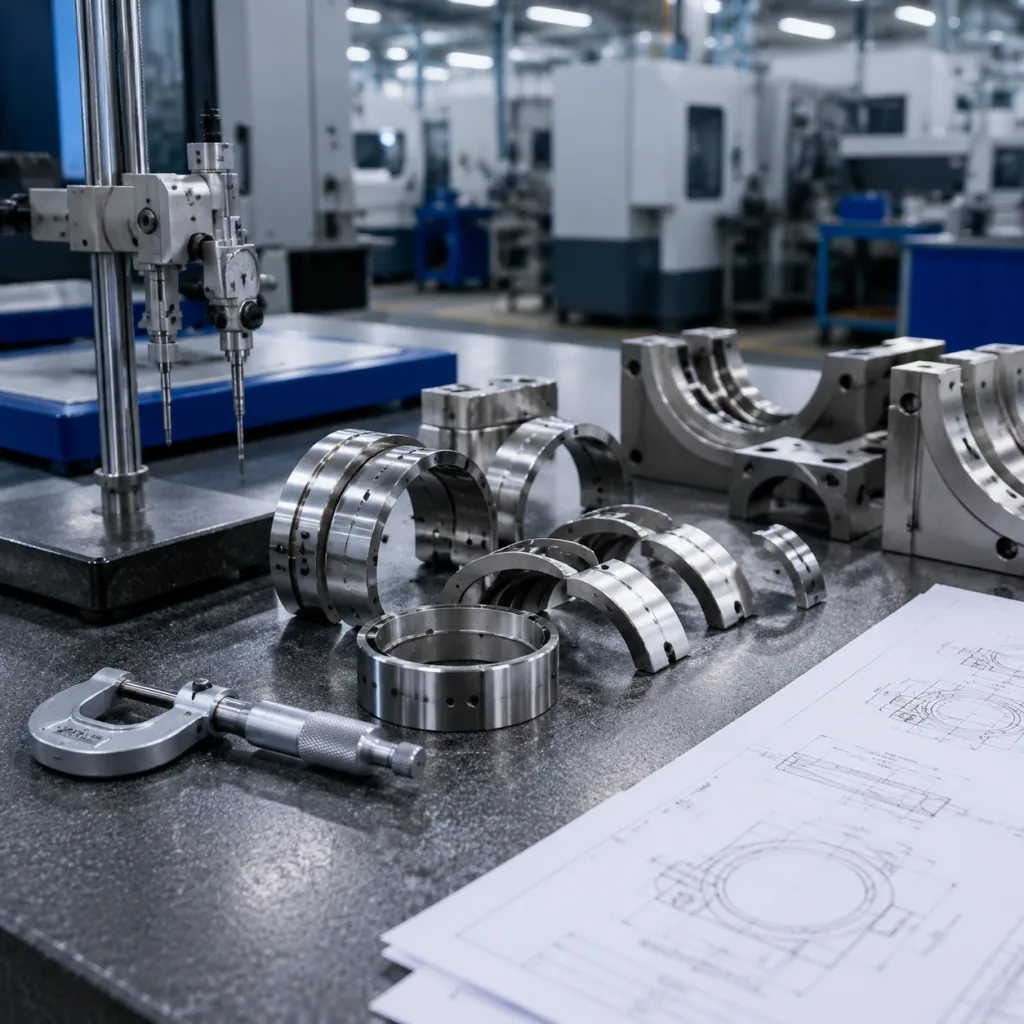
Common validation steps: 1. Receive first-article inspection on a master unit or initial batch. 2. Measure key dimensions with CMM, micrometers, bore gauges, and profile-comparison tools. 3. Verify hardness, case depth, and metallurgical condition where applicable. 4. Check runout, concentricity, and end-play on a dedicated fixture. 5. Confirm oil-passage geometry, chamfer quality, and surface finish. 6. Review packaging, corrosion protection, barcode format, and traceability labels. 7. Record the approved sample number, inspection date, and lot code for repeat orders.
For procurement, ask for a first-article report that lists nominal size, actual measured value, tolerance band, and pass/fail result. For example, if the journal diameter target is 27.000 mm with a ±0.010 mm tolerance, the report should show each measured journal and the instrument used.
For durability-focused programs, buyers often ask for bench or vehicle validation tied to the intended application. If needed, Driventus can support customer-specific testing plans through our quality system and align documentation to the buyer’s inspection protocol.
Materials, process control, and standards
Most replacement camshafts are produced from alloy steel or chilled/cast-iron variants depending on engine design, duty cycle, and cost target. The key is not the raw material alone, but the full process chain: forging or casting, rough machining, heat treatment, finish grinding, and final inspection.
A buyer-facing specification should define the required process controls, such as:
Material grade or chemistry range
Hardness target after heat treatment
Case depth or through-hardening requirement
Journal and lobe grinding finish
Deburring and edge-break requirement
Corrosion protection and storage life
Final cleanliness and oiling requirement
Published standards and regulations often relevant to sourcing include:
IATF 16949:2016 for automotive quality management
ISO 9001:2015 for general quality system control
REACH (EC) No 1907/2006 for chemical compliance in the EU
ECE R-83 where emission-related fitment concerns apply to the vehicle system context
SAE J2527 when comparing corrosion-resistance test methods for coated parts
If your program requires special coatings, anti-rust packaging, or revised geometry, our custom manufacturing process can be used to develop the replacement part against a sample or technical drawing. For controlled launch, buyers typically approve the sample, approve the production fixture, then freeze the revision before the first replenishment order.
Supply model for distributors and repair networks
Replacement camshafts are typically purchased into inventory by aftermarket distributors, regional wholesalers, and multi-location repair chains. The commercial question is not only unit price, but also coverage, consistency, and reorder stability.
A practical sourcing model should define commercial thresholds before the quote is accepted:
MOQ: often 20 to 50 units for a standard aftermarket program, lower for sample builds, and higher for custom tooling or non-catalog variants
Lead time: typically 30 to 45 days for repeat production after approval, with 45 to 60 days more common for first builds or process changes
Price breaks: sample pricing, trial-order pricing, and volume tiers at 100, 300, and 500+ units are common planning points
Packaging lot size: carton count, pallet count, and mixed-SKU rules for warehouse receiving
Reorder trigger: inventory floor tied to average monthly sell-through and replenishment lead time
Driventus supports B2B supply with:
OE-matched and sample-matched replacement parts
Export packing for mixed-climate shipping routes
Batch traceability for inbound receiving
Documented inspection records for audit files
Consolidated sourcing across adjacent engine components
If you are building a wider engine line, it is often efficient to source the camshaft together with timing components, gaskets, or water-pump items from one factory group. You can review our catalog or the broader engine components range for line planning. For distributors, asking for the landed-cost breakdown upfront is also useful: unit price, inner pack, master carton, export carton, and freight-ready pallet count should all be known before order release.
How to reduce sourcing risk
The most common sourcing failures come from assuming that a visual match is a technical match. A camshaft may look correct while still differing in lobe timing, journal size, phaser compatibility, or thrust-face geometry.
To reduce risk:
Require a measured sample or certified drawing before production
Approve the exact engine code and model-year range
Confirm whether the original part is intake, exhaust, or paired
Specify packing, corrosion protection, and barcode format up front
Lock the revision level before repeating purchase orders
Define acceptance criteria for runout, hardness, and surface finish before shipment
Keep one approved master sample for incoming comparison
For buyers who need a direct technical review, use the specification sheet, OE reference, and sample photos together. A good internal checklist should answer three questions before PO release: does it fit, does it meet the measurable tolerances, and can the supplier repeat that result at the target MOQ and lead time? If the part is being developed for a private-label or fleet replacement programme, Driventus can support that through custom manufacturing.
Ordering checklist for procurement teams
Use this checklist to move from inquiry to approved purchase without losing technical control:
Vehicle application, engine code, and model-year range confirmed
Camshaft position confirmed: intake, exhaust, or matched set
OE cross-reference reviewed and accepted only as a reference
Nominal dimensions and tolerances approved
Material, hardness, and finish requirements approved
Inspection report format agreed before shipment
MOQ, price tier, and lead time confirmed in writing
Packaging, label, and traceability requirements approved
Sample retention and revision control defined for repeat orders
For recurring supply, it helps to keep one controlled document that shows the approved specification, supplier revision, sample number, and reorder cadence. That reduces disputes at receiving and makes it easier to compare future lots against the original approval.
Frequently asked questions
Match the engine code, camshaft position, OE reference if available, and key dimensions such as journal diameter, lobe lift, runout, and drive interface. Do not rely on model name alone, and confirm whether the engine uses VVT or a phaser-compatible camshaft.
Yes. We produce replacement camshafts to customer sample, drawing, or verified OE cross-reference, with dimensional inspection, traceable quality records, and controlled production revisions.
Ask for dimensional reports, material and heat-treatment confirmation, runout data, packaging details, barcode format, and quality records tied to IATF 16949:2016 or ISO 9001:2015 controls. For launch orders, also request MOQ, unit price by tier, and confirmed lead time in writing.
If you need a verified replacement part or a private-label programme, send your OE reference, sample, or drawing and we will review fitment, tolerances, MOQ, pricing, and supply options. Request a quote at /contact.html