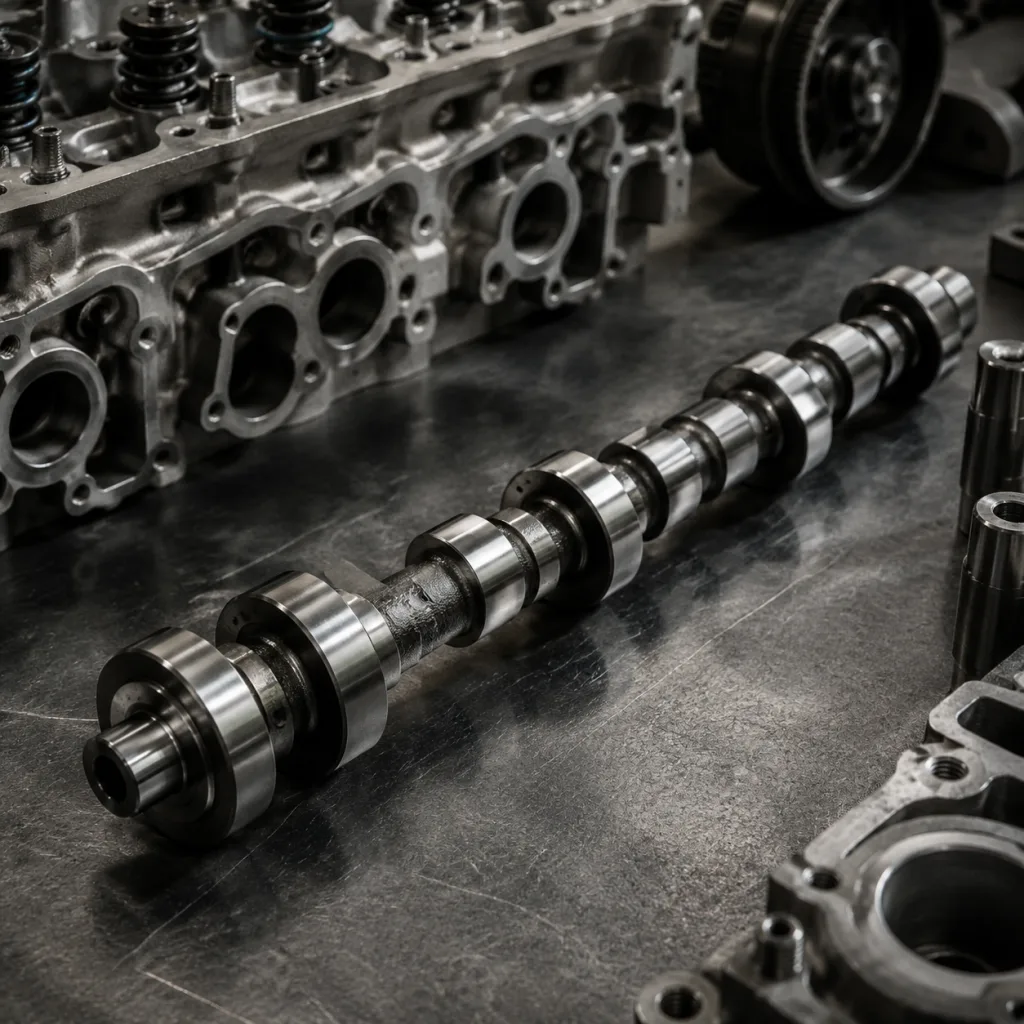
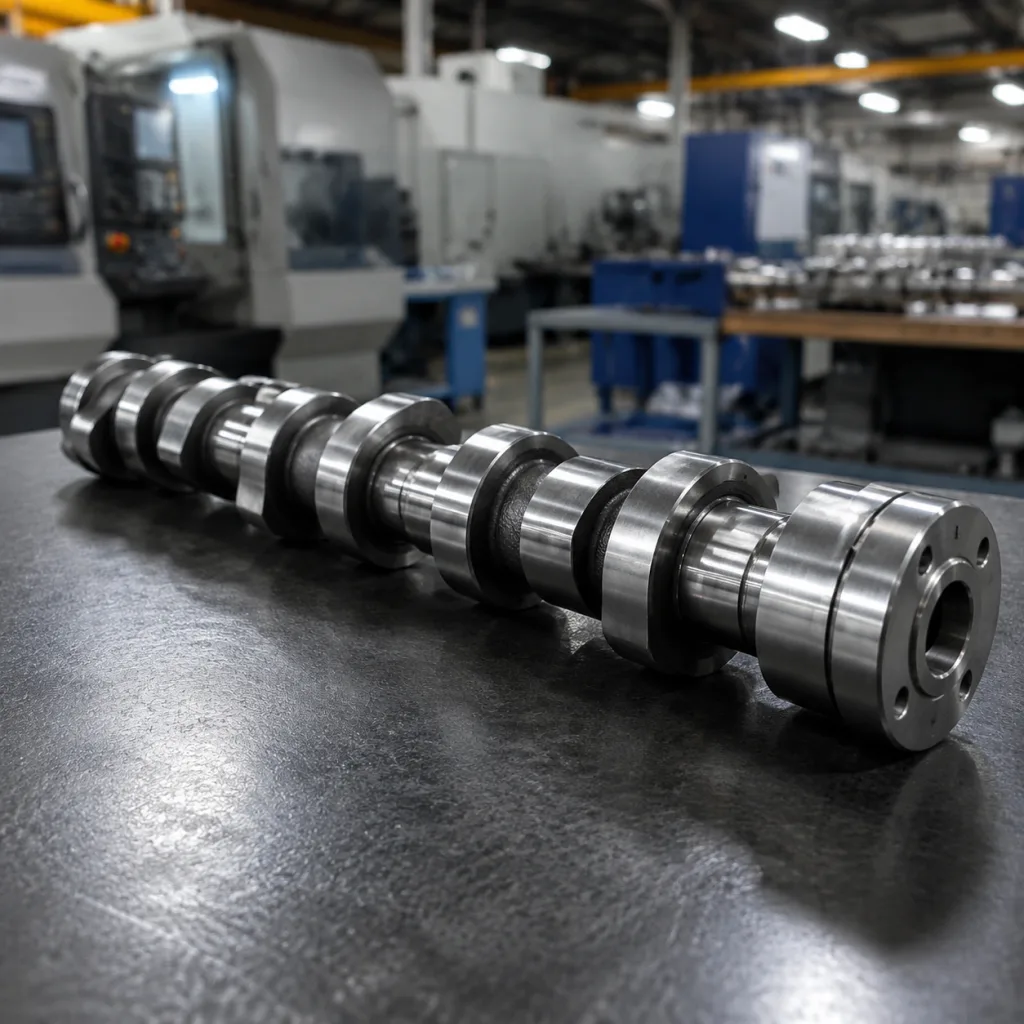
Camshaft for Infiniti QX60 OE Equivalent: Sourcing Guide
Choosing a camshaft for Infiniti QX60 OE equivalent supply is less about branding and more about controlling fit, timing accuracy, and repeatable quality across lots. A part can match the vehicle on paper and still fail on lobe profile, journal fit, trigger timing, or surface finish. Driventus is an independent aftermarket manufacturer, and brand names are referenced for fitment only. We supply engine components for B2B buyers who need stable interchangeability for distribution, repair networks, or service-kit packaging. Start with the OE cross-reference, engine code, and valve timing layout. Then verify dimensional inspection, hardness, runout, and packaging traceability before you approve a source.
How to judge OE-equivalent fit, not just the nameplate
For camshafts, OE-equivalent means the replacement reproduces the functional geometry and operating behavior of the original component without implying manufacturer endorsement. The buyer’s job is to confirm that the part behaves like the original under load, heat, and oil-film conditions.
Check these core elements:
- Journal diameter, overall length, and thrust interface dimensions
- Lobe lift, base circle, and lobe phasing
- Sensor trigger wheel geometry, if applicable
- Heat-treatment depth and hardness range
- Runout, straightness, and surface finish
The part may still fail if one of those variables drifts. Timing variation, abnormal wear, and end-play issues often come from small deviations that are not visible in a catalog photo. That is why OE cross-references should be treated as a starting point, not a release decision. Driventus is an independent aftermarket manufacturer, and brand names are referenced for fitment only.
Where camshaft substitutions usually go wrong
Most sourcing problems show up in the same few places. The issue is rarely the outer shape; it is the detail stack around it.
Common failure modes include:
| Failure point | What it causes |
|---|---|
| Wrong journal tolerance | Noise, binding, or premature wear |
| Incorrect lobe profile | Timing error or valve-event drift |
| Poor runout control | Vibration and inconsistent valve motion |
| Weak surface finish | Break-in damage and oil-film breakdown |
| Missing trigger geometry | Sensor fault or misalignment |
| Incomplete traceability | Rejection at receiving or audit stage |
| Check item | Typical buyer expectation |
|---|---|
| Journal diameter | Within drawing tolerance and verified by CMM or micrometer sampling |
| Lobe lift | Matched to the reference profile within the agreed tolerance band |
| Runout | Controlled to prevent timing variation and abnormal wear |
| Surface finish | Suitable for boundary lubrication during break-in |
| Material traceability | Heat code or lot number retained on packing and records |
| Packaging | Corrosion protection and part-level identification |