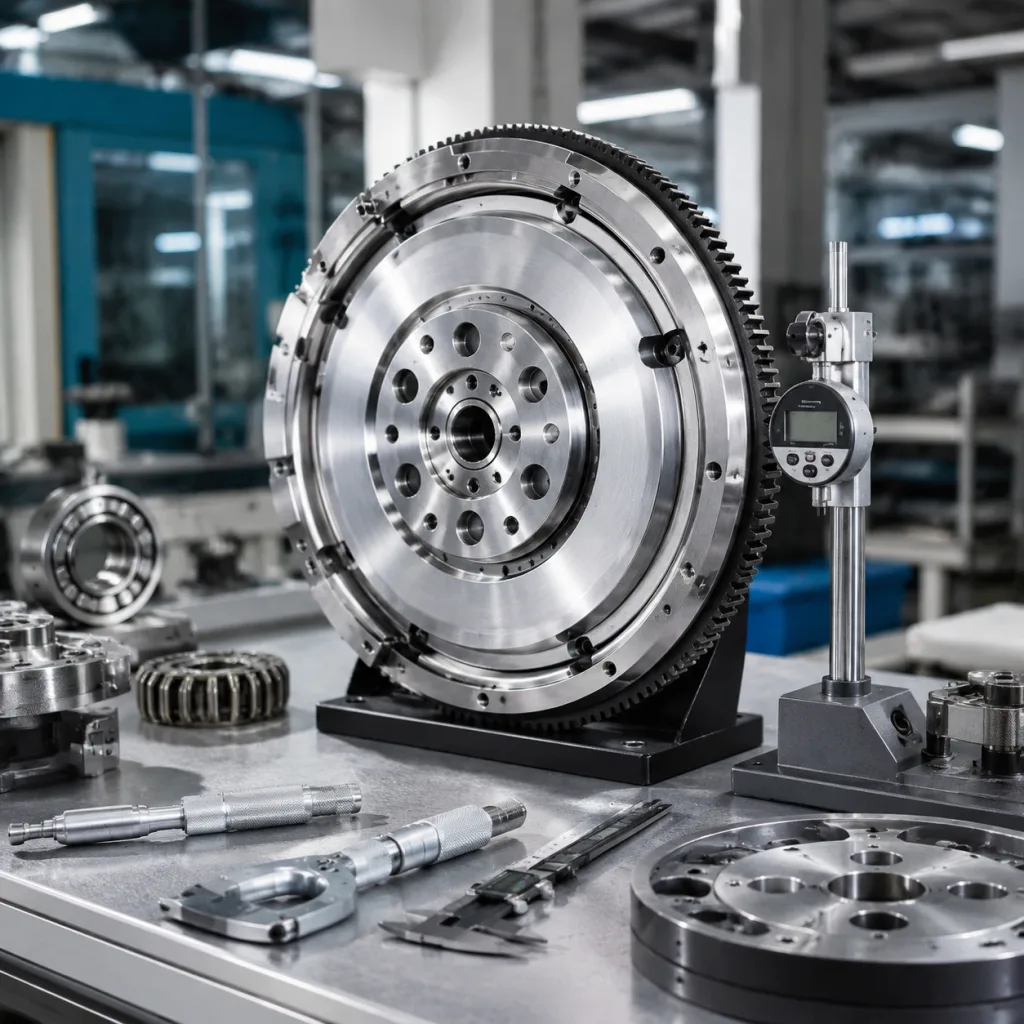
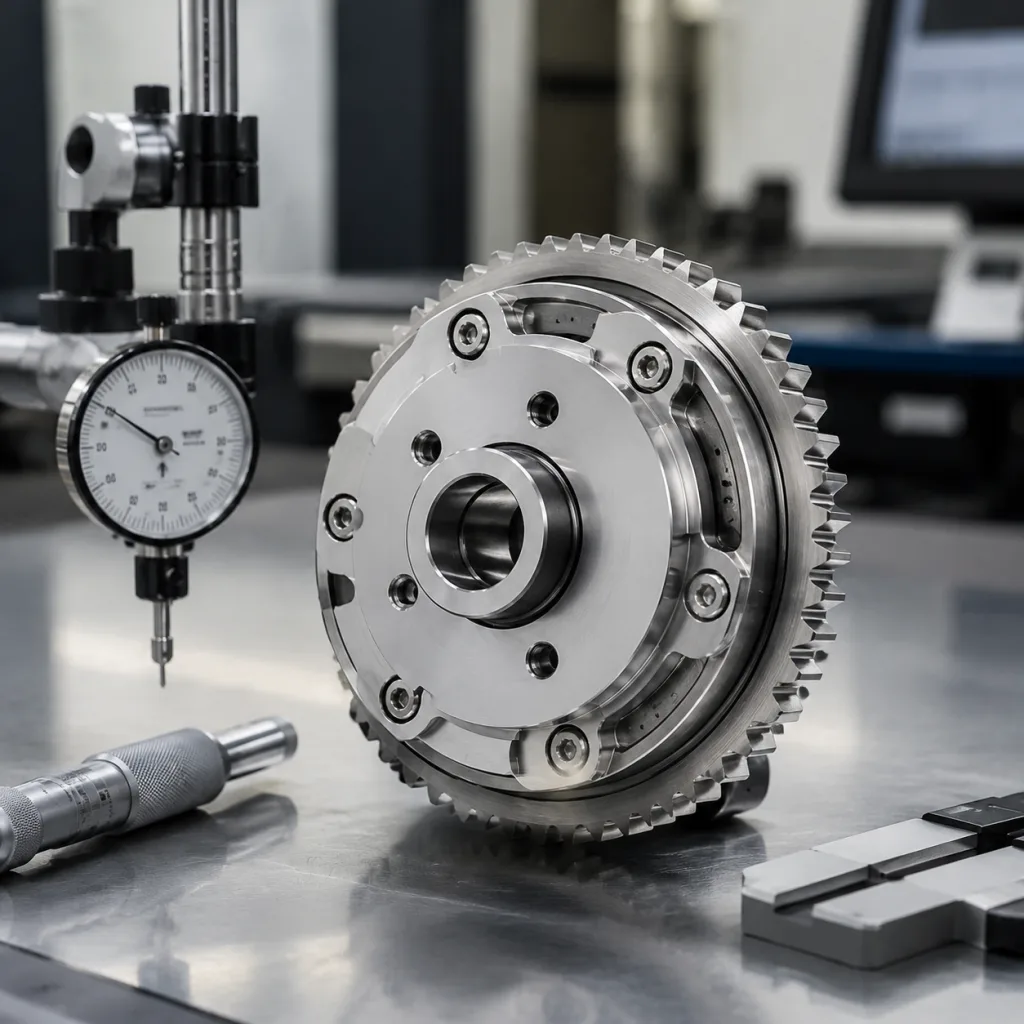
Camshaft Ford Wholesale Sourcing Guide
Camshaft Ford wholesale sourcing is less about finding the lowest unit price and more about proving the part will fit, run, pack, and ship consistently. Buyers usually compare factories on fitment coverage, metallurgy control, machining accuracy, batch traceability, private-label readiness, and audit evidence. Driventus manufactures engine and powertrain components in Taizhou, Zhejiang, including camshafts for aftermarket distributors, importers, repair-chain programs, and OEM/Tier-1 sourcing projects. This guide focuses on the decisions that actually move a Ford-fitment camshaft program forward: what to verify, what can fail, how to compare quotations, and what to include in an RFQ. It covers MOQ, lead time, inspection points, certification, and the difference between catalog supply and engineered custom programs. Driventus is an independent aftermarket manufacturer; brand names are referenced for fitment only.
Start with the fitment decision, not the part name
A Ford-fitment camshaft program can look simple on paper and still go wrong if the sourcing file is vague. The first decision is whether you are buying a catalog item or commissioning an engineered part.
Standard aftermarket sourcing usually starts with an application list, annual demand, packaging spec, and OE-style cross-reference format. Driventus can map available items against our catalog, including engine component families listed under engine components. When the reference is obsolete, customer-owned, or not represented in the catalog, the workflow shifts to custom manufacturing, where drawings, samples, or reverse-engineering data go through a separate technical review.
Do not source from vehicle model names alone. A usable request file should identify:
- engine code or engine family, where available
- intake or exhaust camshaft position
- timing trigger type, if applicable
- cam sensor feature and reluctor geometry
- journal count, journal diameter, and overall length
- lobe count and lobe arrangement
- material and heat-treatment expectation
- packaging format for warehouse and export handling
That level of detail cuts the most common failure mode in wholesale programs: mixed fitments that look identical in a catalog but behave differently in the engine bay.
What usually breaks a wholesale camshaft program
Most sourcing mistakes are not price problems. They are specification problems that only show up after sampling, installation, or freight transit.
The usual failure modes are straightforward:
- wrong intake/exhaust assignment
- lobe geometry that matches the drawing but not the engine behavior
- journal finish that is acceptable visually but weak in service
- heat treatment that varies by batch
- timing features that are off enough to create installation issues
- packaging that protects the part in the warehouse but fails in sea freight
- quotation gaps where testing, fixtures, or documentation are not included
A low-cost part that fails on lobe wear or timing error can create warranty cost far beyond the original savings. For that reason, camshaft ford wholesale buyers should treat sample approval as a control gate, not a formality. A part that looks right in photos can still be wrong in runout, hardness, profile, or trigger geometry.
The practical fix is to define the critical dimensions and ask the supplier to show how each one is measured, recorded, and released before shipment.
Compare quotations on total supply cost
Camshaft quotations should be normalized before comparison. A unit price only tells part of the story, and often the least useful part.
| Quote item | Why it matters | Procurement question | |
|---|---|---|---|
| Material grade | Drives wear resistance and machining behaviour | Is the grade stated on the quotation or drawing? | |
| Heat treatment | Controls hardness and durability | Is hardness range reported per batch? | |
| Machining tolerance | Affects oil clearance and timing accuracy | Which dimensions are checked in-process? | |
| Lobe profile control | Affects valve lift and engine performance | Is profile checked by fixture, CMM, or profile equipment? | |
| Rust prevention | Protects parts in ocean freight and storage | What protection period is assumed? | |
| Packaging | Prevents bending, impact, and mixed parts | Is packaging included in the quoted price? | |
| Documentation | Supports customs, audit, and warranty review | Which reports are supplied with shipment? |

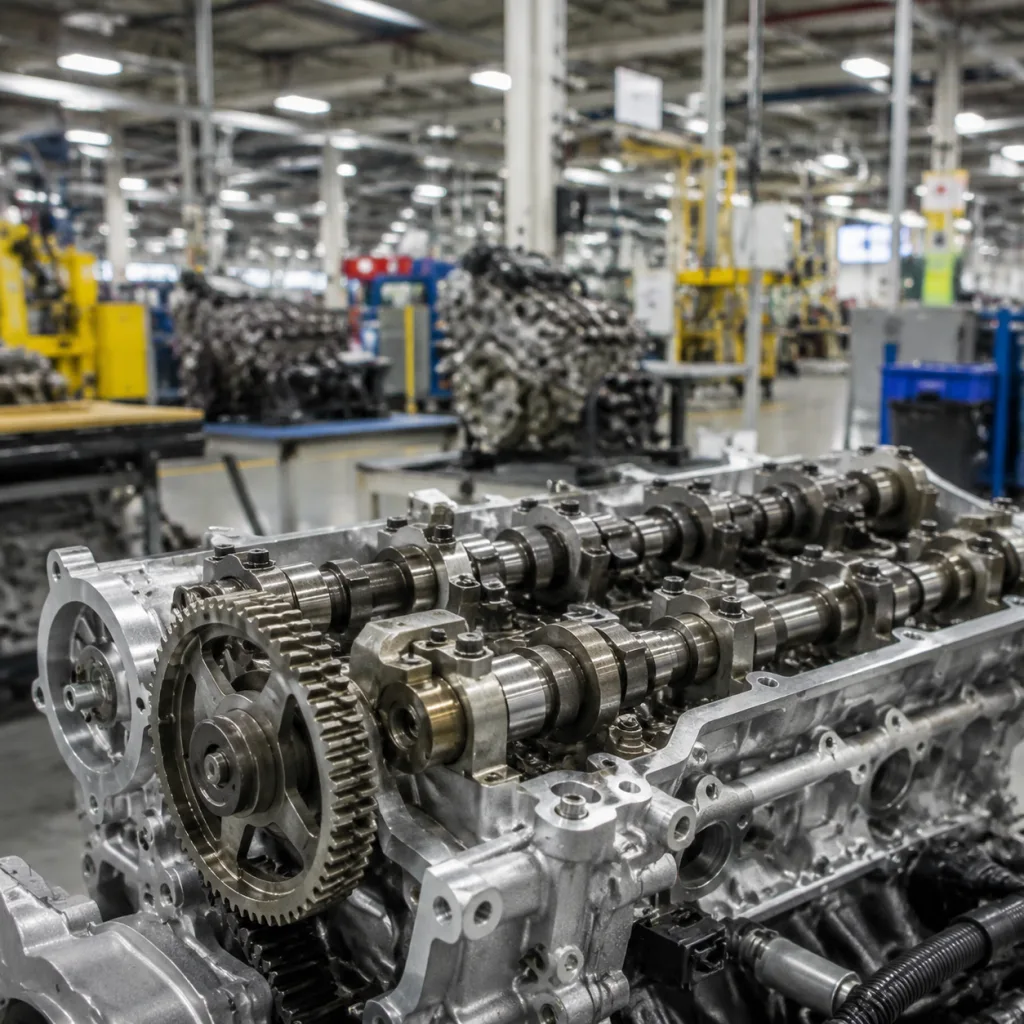
| Sourcing case | Typical procurement focus | Common documents to request | Planning note |
|---|---|---|---|
| Stock or repeat catalog item | Price, carton quantity, delivery date | Quotation, packing list template, inspection summary | Suitable for distributor replenishment |
| Low-volume aftermarket item | MOQ, batch traceability, mixed-container options | Drawing confirmation, sample report, material certificate | Confirm economic batch size before ordering |
| Private-label program | Packaging, barcode, carton strength, label data | Artwork approval, packaging specification, AQL plan | Allow time for print proof approval |
| New engineered item | Drawing control, tooling, validation samples | PPAP-style file if required, control plan, dimensional report | Separate sample approval from mass production |