Camshaft for Audi A3 Aftermarket Replacement: OE Match
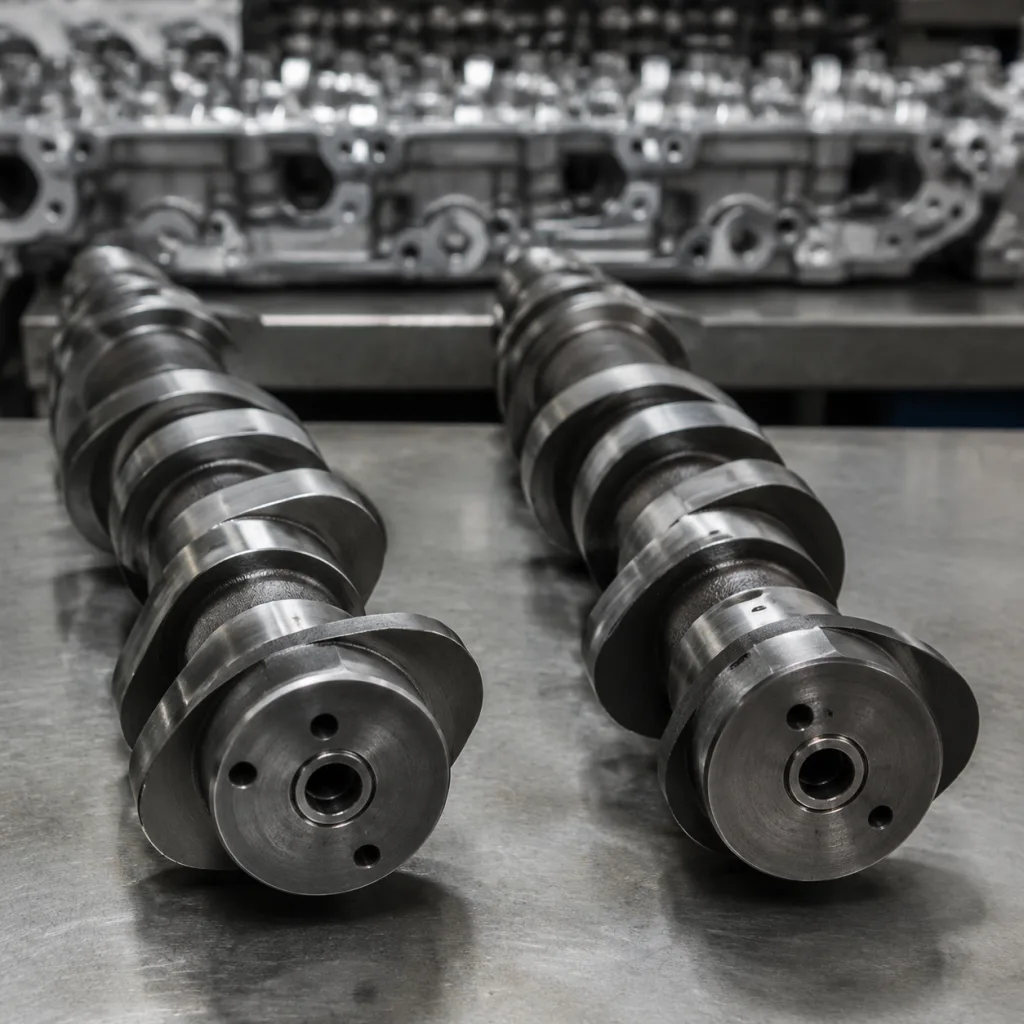
A camshaft for Audi A3 aftermarket replacement has to do more than fit the cylinder head. The real decision is whether it preserves valve timing, sensor signal, and wear life after installation. That means checking lobe profile, journal diameter, overall length, trigger position, and surface finish—not just comparing photos or part descriptions.
For procurement teams, the practical question is whether the part matches the original geometry and material specification closely enough to avoid comebacks. Driventus supplies engine components for B2B customers that need dimensional consistency, traceability, and repeatable batch quality. Driventus is an independent aftermarket manufacturer; brand names are referenced for fitment only.
If you are comparing source options, start with OE cross-reference, hardness, runout, and packaging control. If you need a camshaft replacement program for the Audi A3 platform, the supplier should be able to document inspection results and support validation before volume ordering.
Which spec decides fit: engine code, geometry, or both?
For this application, fitment starts with the engine code and OE number, then moves to the actual geometry. A camshaft that looks correct can still fail on base-circle size, lobe separation, or sensor trigger position, which is why visual comparison alone is not enough.
Minimum buyer checks:
OE cross-reference against the target engine code
Journal diameter and overall length within drawing tolerance
Lobe lift and duration within stated limits
Surface hardness and wear resistance after heat treatment
Packaged-to-order traceability with batch or lot marking
For procurement, the useful comparison is not price alone. It is the cost of installation time, return rate, and any rework caused by timing mismatch. Driventus positions camshaft supply for aftermarket replacement, not performance tuning, so the focus stays on OE-equivalent geometry and stable production control.
What separates an OE-match from a near-match
A replacement camshaft should be validated on three levels: geometry, metallurgy, and functional fit. Geometry covers the dimensions that define valve timing. Metallurgy covers the core material, case hardness, and wear layer. Functional fit covers sensor trigger alignment, bearing contact, and assembly clearance.
Check
Why it matters
Typical evidence
Journal diameter
Bearing fit and oil film stability
Micrometer inspection report
Lobe profile
Valve lift and timing
CMM or form-trace data
Runout
Noise, wear, and stability
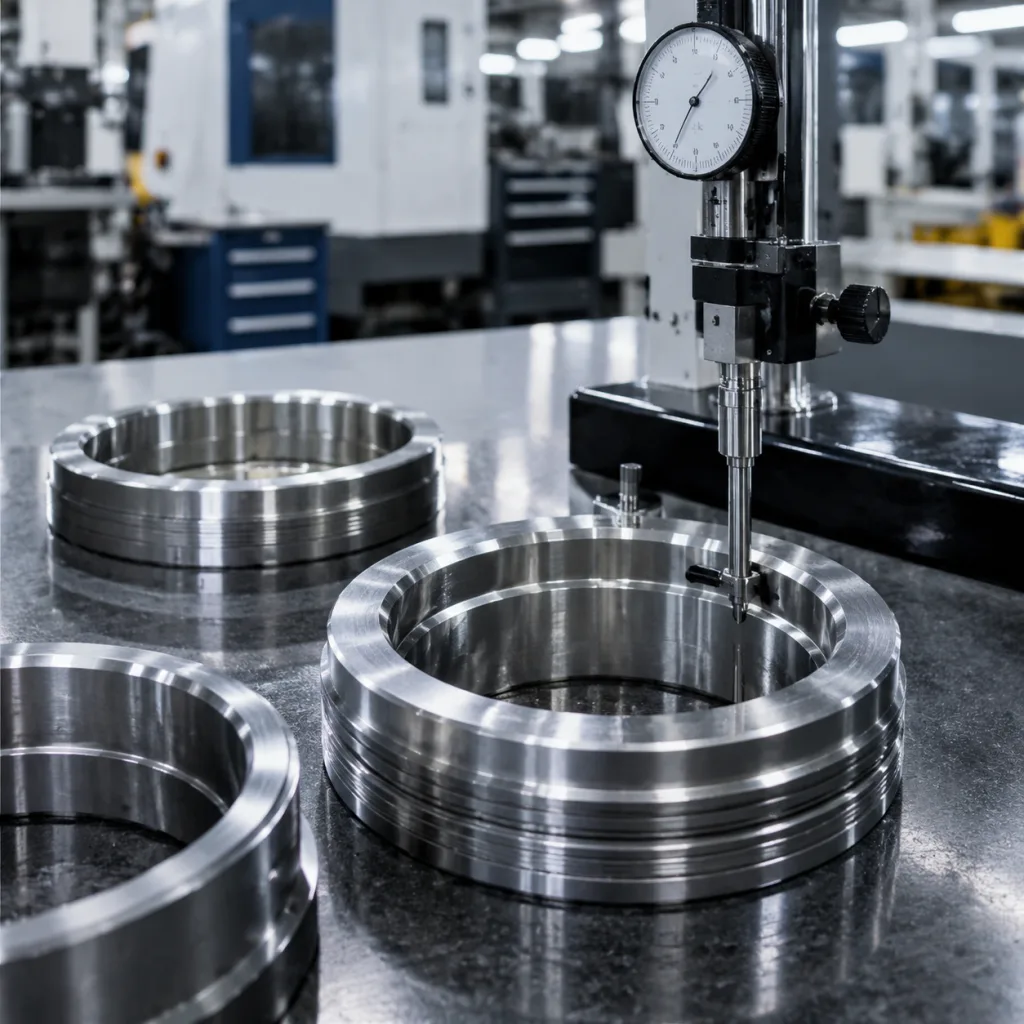
Dial indicator report
Surface hardness
Lobe wear life
Heat-treatment record
Trigger feature
Sensor signal accuracy
First-article inspection
</tr></thead><tbody> </tbody></table>Driventus works to IATF 16949:2016 and ISO 9001:2015 controls for process discipline, with inspection records that support incoming quality review. For EU buyers, material and chemical compliance can be aligned with REACH (EC) No 1907/2006 where applicable. If your program needs a specific engine variant, ask for dimensional data before first order release.
Why Audi A3 fitment fails when buyers rely on the nameplate
Audi A3 applications vary by engine family, model year, and fuel system, so the same vehicle nameplate can carry different camshafts across markets. A buyer should therefore source by engine code and OE number, not by model name alone.
When a customer provides an OE reference such as `OE 06A107065`, the sourcing team should confirm:
Cylinder head compatibility
Intake or exhaust position
Sensor wheel or tone ring layout
Valve train type, including hydraulic lifter compatibility
Packaging label accuracy and barcode traceability
This matters most for distributors and repair chains that move parts across multiple branches. Mixed inventory creates returns when a visually similar camshaft is installed against the wrong engine family. If the OE reference is incomplete, Driventus can support identification through drawings, samples, or technical photos.
How a B2B sourcing team should compare supply options
For wholesalers and import managers, the commercial risk is often in supply continuity rather than the part itself. A camshaft program should be managed with stable MOQs, clear lead times, and batch consistency. Driventus supplies from a vertically integrated base in Taizhou, Zhejiang, which helps keep forging, machining, heat treatment, and final inspection under one control system.
Typical procurement questions:
What is the minimum order quantity per reference?
Can the supplier provide first-article samples before bulk release?
What is the standard packing method for export cartons and pallets?
Can the supplier support private-label or neutral-label packaging?
Is a factory audit supported before nomination?
For broader engine coverage, buyers can review our catalog and the related engine components range. If the target reference is outside current coverage, custom manufacturing can be evaluated for drawing-based production.
What quality controls actually reduce returns
A camshaft return is usually expensive because the failure is discovered after disassembly and installation labour. The supplier should therefore control the full chain from raw stock to final packing, rather than treating inspection as a single end-point.
Driventus uses process controls aligned to IATF 16949:2016 and ISO 9001:2015, with attention to:
Incoming material verification
Machining consistency across batches
Heat-treatment records and hardness checks
Final dimensional inspection before packing
Export label and carton verification
For aftermarket customers in the EU and UK, documentation should also support REACH-related material declarations when required by the buyer. For temperature, wear, and fatigue validation, buyers may also request internal test methods that correlate with application duty cycle, even if the original vehicle standard is not publicly shared. The result is a replacement part that is easier to receive, stock, and resell with fewer claims.
Frequently asked questions
Match the engine code, OE number, intake/exhaust position, and sensor trigger layout. The model name alone is not enough because Audi A3 applications vary by platform and market.
Ask for dimensional inspection data, hardness results, material specification, packing details, and traceability records. For regulated markets, also request any applicable REACH declarations.
Yes. Driventus can support neutral-label or private-label supply, subject to reference confirmation, MOQ, and drawing or sample approval. Use the contact form for review.
If you need an OE-matched camshaft program or a drawing-based replacement review, send your reference and volume target through our contact page: /contact.html