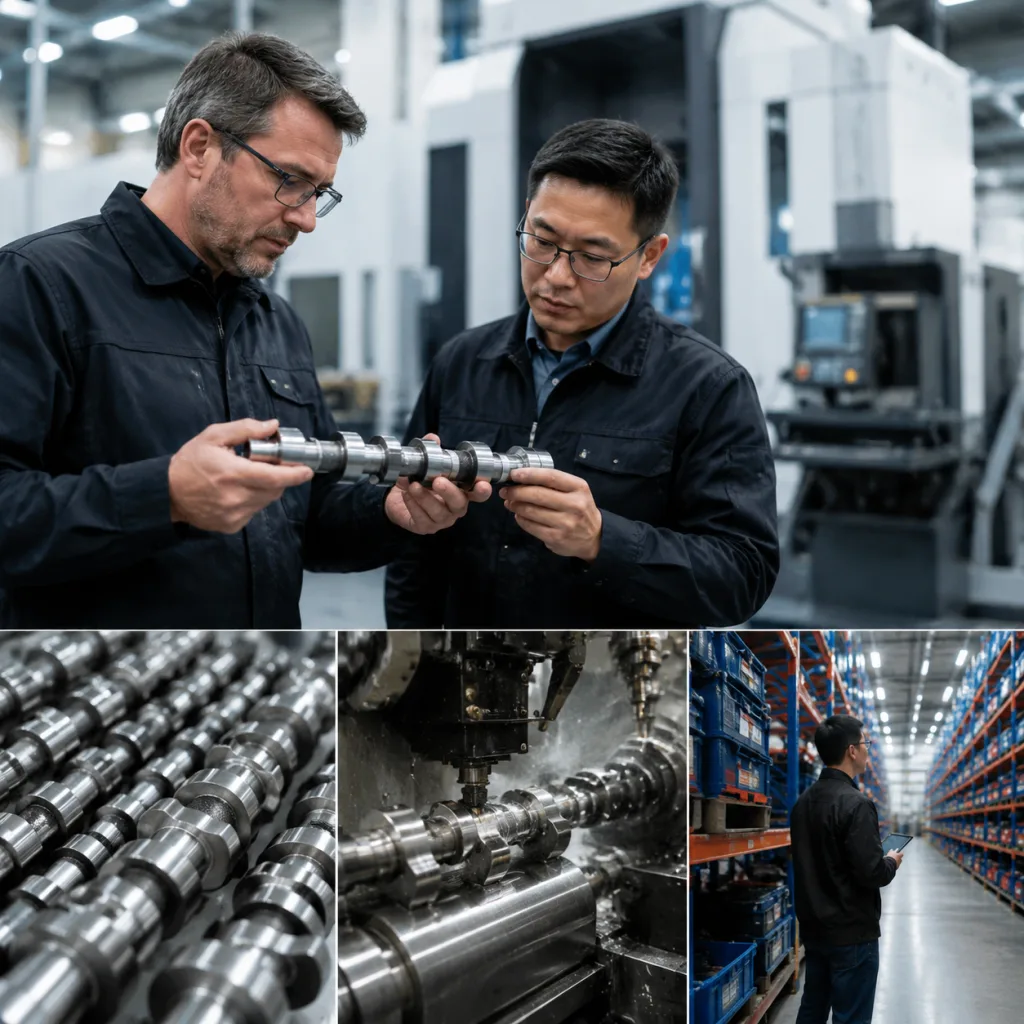
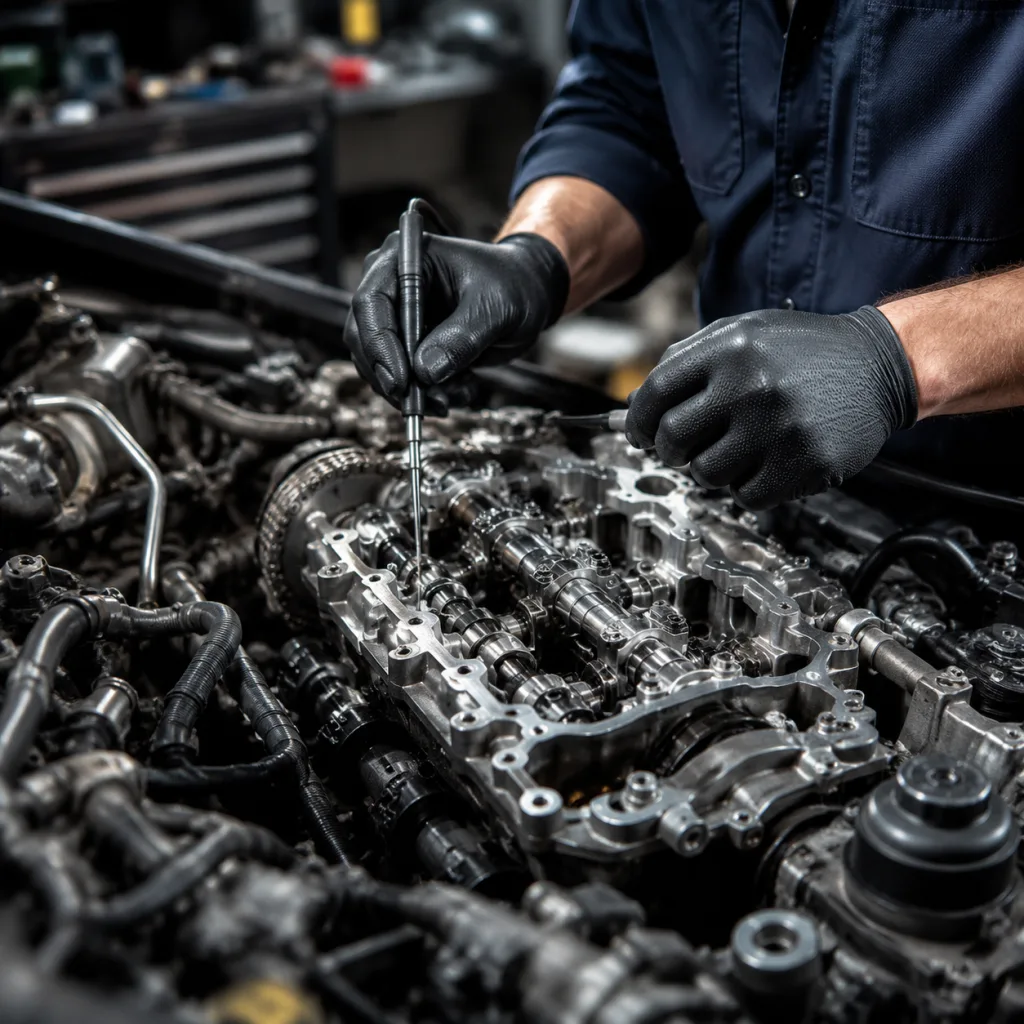
Camshaft Dodge OEM Supplier: Sourcing Guide
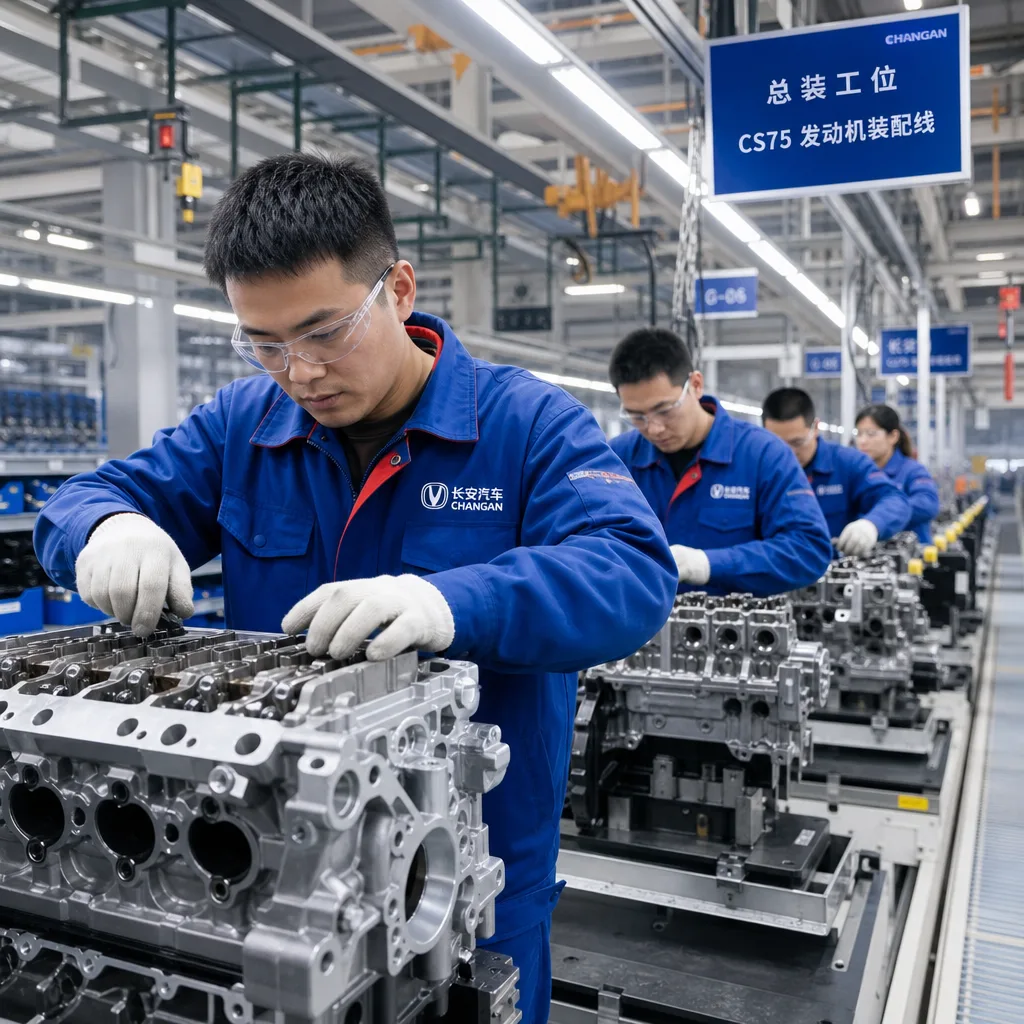
Sourcing a camshaft for a Dodge application is less about finding a part and more about proving it will behave like the OE part in production. That means checking the engine code, the profile, the heat-treatment route, and the supplier’s ability to repeat the same result lot after lot. For procurement teams, the real risk is not a missed price target; it is a camshaft that fits on paper but drifts on timing, balance, or durability in the field. Driventus supplies camshafts as part of an integrated engine-component programme from Taizhou, Zhejiang, with production controlled under IATF 16949:2016 and ISO 9001:2015. Driventus is an independent aftermarket manufacturer; brand names are referenced for fitment only. The guide below is organized around the decisions buyers actually make: what to verify first, where sourcing programs fail, how to compare suppliers, and what to request before release.
Start with fitment, not the vehicle badge
The fastest way to avoid a bad sourcing decision is to identify the engine variant first and treat the Dodge name as a starting point, not a specification. Camshaft differences can hide in the details: lobe lift, base circle, journal diameter, trigger wheel position, and the phasing needed for variable valve timing all affect how the engine runs.
Before comparing quotes, verify:
- OE reference or cross-reference, plus the exact engine code.
- Critical dimensions, including journal OD, overall length, lift, and runout.
- Material route, including alloy type, heat treatment, and hardness range.
- Sensor interfaces, tone wheels, and any VVT-related features.
- Traceability format for batch code, lot number, and inspection record.
If the factory cannot share a dimensional sheet and material declaration, the quote is not yet comparable. At that point, price is just a number.
Where camshaft programs usually fail
Most sourcing problems are not obvious at sample stage. The part may look correct, but the production system behind it is inconsistent. That is why buyers should look for failure modes, not just promises.
Common weak points include:
- A sample built with extra attention, then a production lot made with looser control.
- A nominally correct profile that still shifts timing enough to affect drivability.
- Heat treatment that meets hardness on one report but varies across later lots.
- Missing traceability, which makes claims and containment slow.
- Change control that is informal, so tooling or process changes happen without notice.
The practical question is simple: can the supplier reproduce the same camshaft after the first approval cycle? If not, the sourcing risk remains high even when the unit price looks attractive.
Spec sheet details that separate suppliers
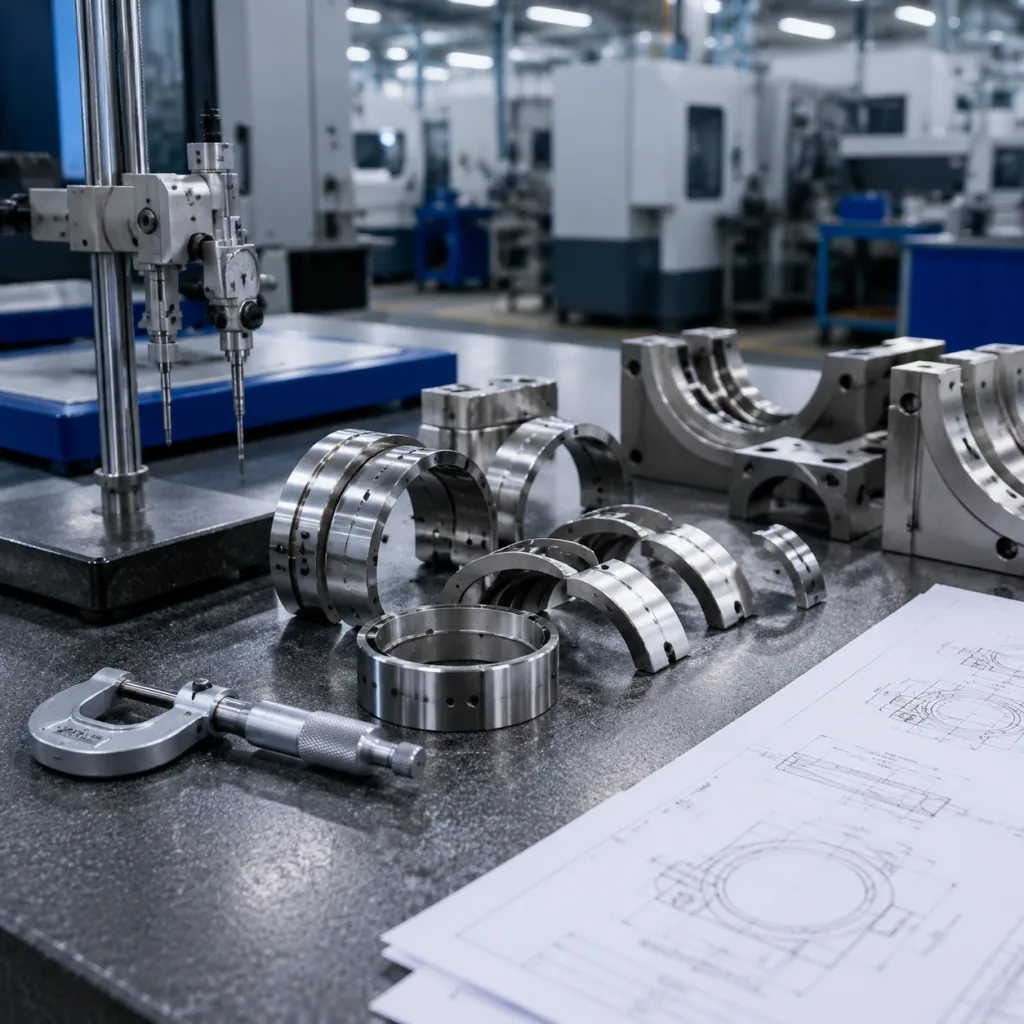
A camshaft is a precision rotating component, so the spec sheet matters more than visual finish. Buyers comparing a camshaft Dodge OEM supplier should ask for the same data from every factory, then review the differences line by line.
Key items to request:
| Spec area | What to confirm |
|---|---|
| Blank material | Alloy grade and mill certificate |
| Heat treatment | Process route and final hardness range |
| Geometry | Lift, base circle, journal diameter, lobe separation |
| Accuracy | Concentricity, total indicated runout, profile control |
| Surface condition | Journal and lobe finish targets |
| Functional features | Reluctor, tone wheel, and VVT compatibility |