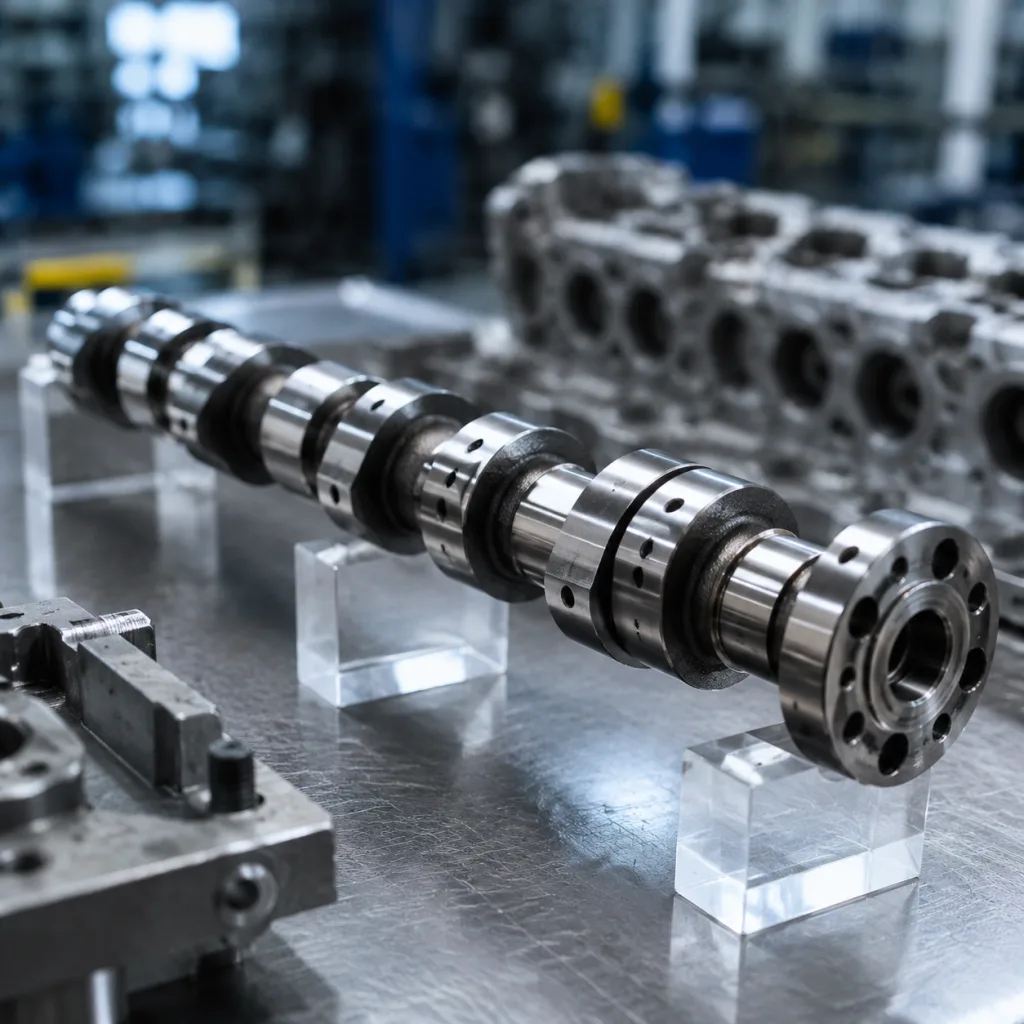
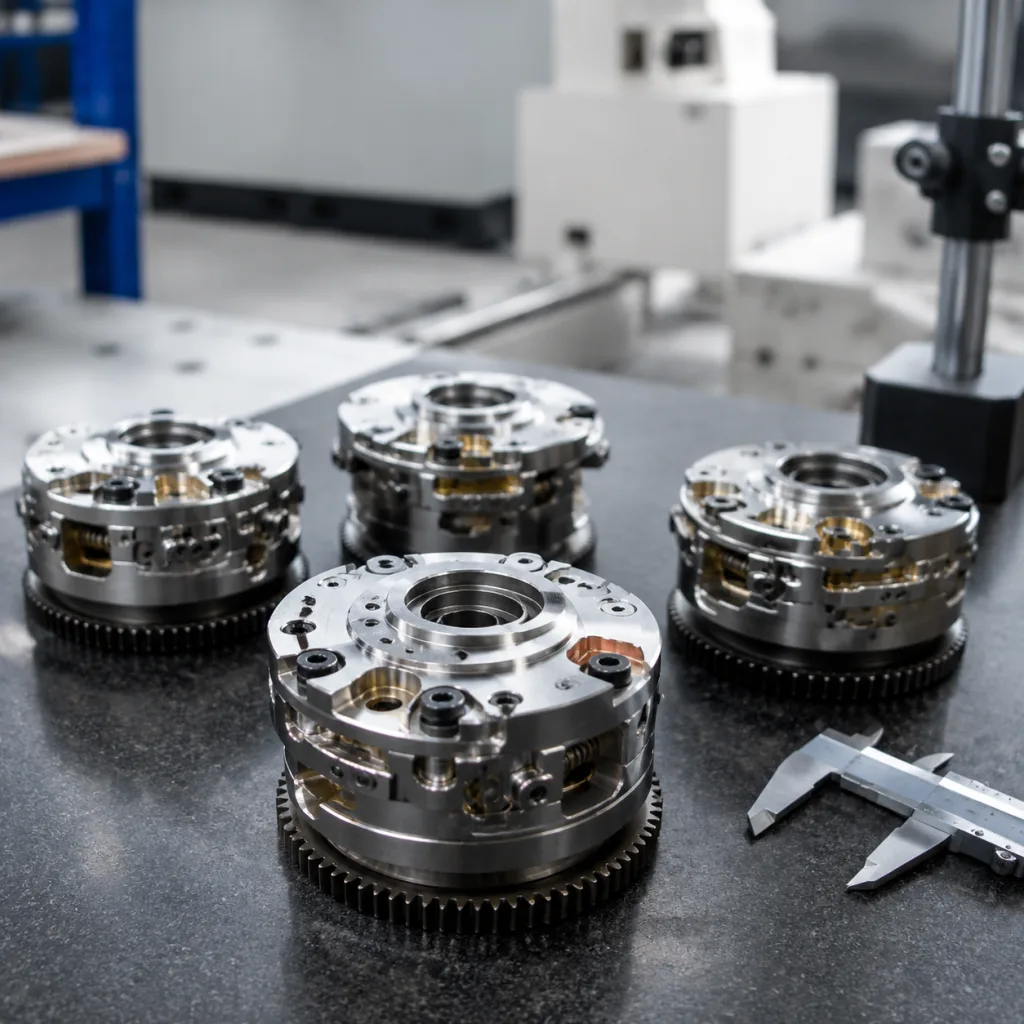
Sourcing a camshaft for BMW 7 Series replacement is not a catalogue copy-and-paste exercise. One wrong bank, trigger pattern, oil-feed drilling, or lobe phase can turn a profitable service line into repeat labour, quarantined stock, and warranty arguments. The part must match the engine family, valve-train layout, timing interface, metallurgy, surface finish, and inspection evidence—not just the removed camshaft’s general appearance.
For distributors and repair-chain procurement teams, the real cost is rarely the camshaft alone. A small unit-price saving can disappear after one repeated 4–8 hour repair, one mixed intake/exhaust batch, or one regional warehouse hold. This article sets out a practical sourcing framework for replacement camshafts used in BMW 7 Series applications: fitment gating, dimensional controls, material and heat-treatment checks, validation steps, supplier comparison, MOQ and lead-time logic, and import documentation. Driventus manufactures engine and powertrain components in Taizhou, Zhejiang, for B2B aftermarket and OE-service customers in more than 60 countries. Driventus is an independent aftermarket manufacturer; brand names are referenced for fitment identification only.
Decision Gate 1: Prove the Exact Engine and Camshaft Position
Start with the application, not the part number. BMW 7 Series vehicles span several generations, petrol and diesel engines, naturally aspirated and turbocharged layouts, hybrid variants, and different valve timing systems. A 730d, 740i, 750i, or hybrid application may look close in a catalogue while using a different drive interface, lobe phasing, bank layout, or trigger detail.
A sourcing file should clear these gates before a purchase order is released:
Vehicle generation, engine code, displacement, and production date range
Body code and regional application where calibration or hardware differs
Intake or exhaust position, including left/right bank identification for V engines
Lobe count, journal count, firing-order orientation, and cylinder-bank layout
Journal diameter, thrust-face location, thrust width, and oil-groove design
Cam phaser, sprocket, or gear mounting interface, including bolt pattern and dowel location
Sensor reluctor, trigger wheel, reference tooth form, and angular location
OE part-number cross-reference only when supported by verified buyer application data
The buyer file should include 6–10 clear sample photos, measured journal and lobe dimensions, the engine code from VIN or service data, and confirmed intake/exhaust position. For V8 and V12 applications, label the sample by bank before shipment and mark timing-end orientation on the part or drawing.
If several references are being consolidated into one stock line, use a fitment matrix. It should show each OE reference, engine code, production range, camshaft position, and supersession note. That matrix prevents common failures: intake/exhaust mix-ups, incorrect timing interfaces, and packaging labels that appear correct but do not match the engine. Driventus can support application review through our catalog and engine component range at /products/engine-components.html. For private-label programmes, drawings, samples, or validated cross-reference files should be checked before orders are released.
“OE equivalent” is useful only after it has been translated into measurable limits. A replacement camshaft has to reproduce valve timing and valve lift inside the engine’s operating window. Small errors in lobe profile, base circle, journal runout, oil-feed alignment, or trigger position can cause noise, poor idle quality, loss of power, follower wear, lubrication problems, or diagnostic faults related to variable valve timing.
For high-value sedan repairs, warranty exposure comes from both part failure and installation uncertainty. The table below turns vague approval language into sourcing controls.
Control point
Typical verification method
Practical sourcing target
Overall length and thrust width
CMM, height gauge, micrometer
Usually within ±0.05 mm against approved sample or drawing
Journal diameter and roundness
Micrometer, air gauge, roundness tester
Diameter commonly controlled within ±0.01–0.02 mm; roundness ≤0.005–0.008 mm
Lobe lift and base circle
Cam profile measuring machine
Lift commonly within ±0.03 mm; base circle within agreed drawing tolerance
Lobe phase angle
CMM or dedicated cam measuring fixture
Often controlled within ±0.5° crank equivalent, or tighter where VVT sensitivity requires
Runout
V-block and dial indicator or CMM
Typical total indicator reading ≤0.03–0.05 mm after final straightening
Oil hole position
Optical or CMM inspection
Location and chamfer checked against approved datum; no burrs or blocked feed holes
Surface roughness
Profilometer
Lobe Ra often ≤0.4 µm; journal Ra often ≤0.2–0.4 µm, depending on follower/bearing design
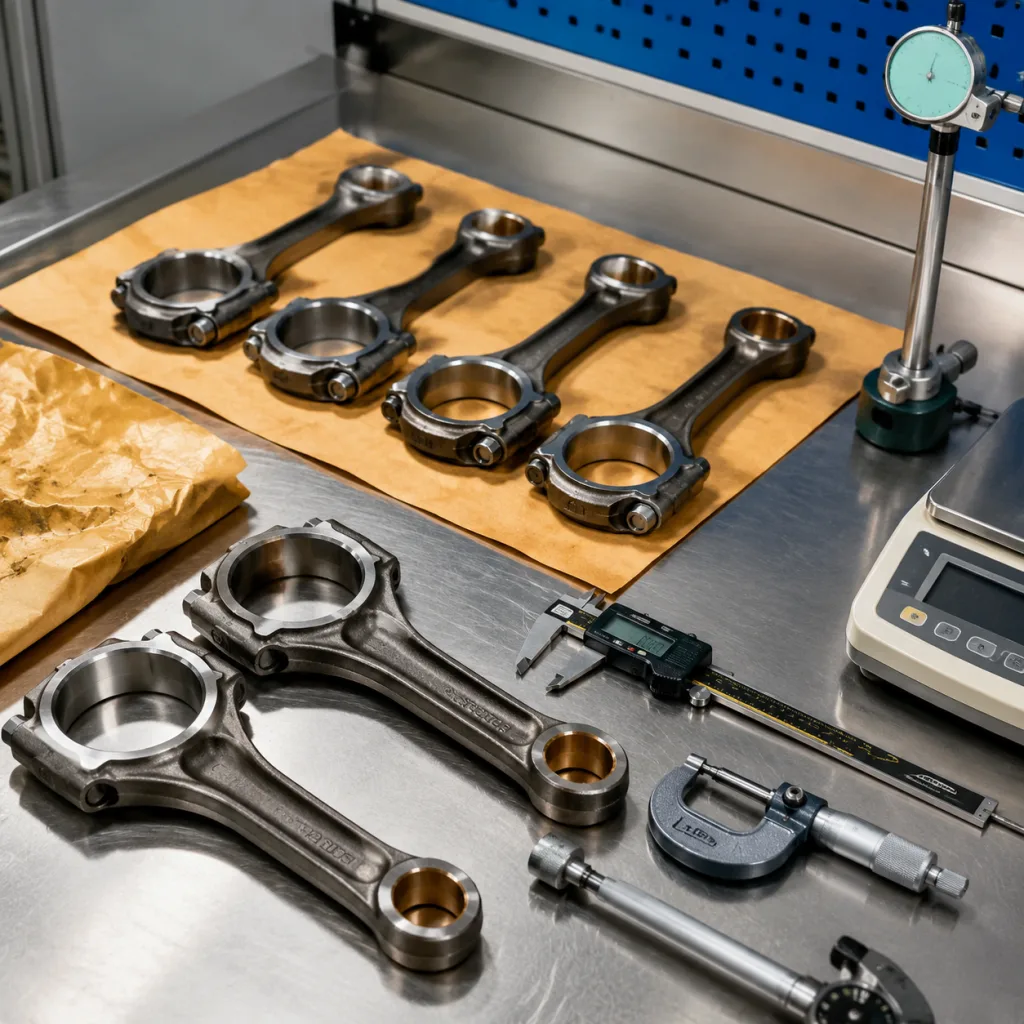
</tr></thead><tbody> </tbody></table>A sound approval route is simple: golden sample, first-article inspection, then batch-level dimensional reporting for new or revised part numbers. Driventus normally recommends 3–5 sample pieces for dimensional overlay, followed by a pilot lot of 20–50 pieces before volume release.
At incoming inspection, the buyer can use an AQL plan such as ISO 2859-1 general inspection level II. Critical characteristics—journal diameter, trigger position, label accuracy, and intake/exhaust identification—should be controlled separately. These records make claim review factual instead of emotional when a field issue appears.
Spec Deep-Dive: Metallurgy, Hardness, and Oil-Control Details
Camshafts live in repeated sliding or rolling contact, depending on the follower design. That means the production route must match the load path, lubrication condition, contact stress, and wear pattern of the original application. Chilled cast iron, ductile iron, forged steel, and assembled camshaft designs can all be valid—but not interchangeably. Weight and appearance are not enough.
A technical purchase file should define material grade, casting or forging route, hardness range, case depth or chilled-depth requirement, and surface finish limits for lobes and journals. It should also require straightness control after heat treatment because distortion shifts bearing load and can create noise or accelerated wear.
For many aftermarket programmes, lobe hardness is specified around 50–60 HRC for hardened steel surfaces, or by equivalent conversion for chilled cast structures. Journal hardness may be lower or matched to the bearing design. Do not copy values from another engine family; tie them to the confirmed material, follower type, and approved drawing.
Recommended specification items include:
Material grade, casting or forging route, and metallurgical structure requirement
Lobe hardness and journal hardness range, with test location and scale defined
Effective case depth, chilled layer, or induction-hardened zone where applicable, often verified by sectioning during approval
Lobe surface roughness and journal surface roughness limits after final polishing
Straightness and runout limits after heat treatment, rough machining, and final machining
Magnetic particle, eddy-current, or equivalent crack inspection for selected designs
Deburring requirement for oil holes, trigger features, keyways, and threaded interfaces
Rust prevention method, VCI protection, desiccant use, and export packaging standard
The control plan should show raw material receipt, blank machining, heat treatment, straightening, journal grinding, lobe grinding, oil-hole drilling, deburring, washing, rust prevention, final inspection, and packing. Heat-treatment batches should be traceable by furnace or induction lot, with hardness results retained by batch. For regulated markets, buyers should request material compliance declarations aligned with REACH (EC) No 1907/2006 where applicable. Driventus does not claim approval or endorsement by any vehicle manufacturer. The objective is dimensional and functional equivalence for independent aftermarket replacement.
Step-by-Step Validation Before Volume Release
A camshaft for BMW 7 Series replacement should not move straight from quotation to container shipment. The safer path is staged validation: reference comparison, dimensional approval, material confirmation, interface checking, then controlled pilot production. The higher the repair-chain warranty exposure, the more evidence the buyer should request before stock is released.
A practical validation sequence looks like this:
1. Confirm the sample, drawing, or validated cross-reference file. 2. Define datums, such as timing-end face as datum A, primary journal axis as datum B, and dowel or keyway reference as datum C. 3. Measure overall length, journals, lobes, thrust features, oil holes, and trigger geometry. 4. Overlay cam profiles for intake and exhaust variants to confirm lift, ramp shape, and phase relationship. 5. Map hardness across lobes and journals, then verify case depth or chilled layer where required. 6. Trial the camshaft with matching sprocket, phaser, bolt, seal, and sensor if interface risk is high. 7. Release a pilot lot only after dimensional, material, and packaging records are approved.
Minimum validation should include sample comparison, dimensional inspection, hardness testing, and installation-interface confirmation. Where variable valve timing is involved, the angular relationship between the drive interface, lobes, and sensor trigger features is critical. A small phase error can affect performance, fault-code behaviour, and repair confidence even when the part looks correct.
A buyer-facing validation plan may include:
100% visual inspection for rust, cracks, dents, burrs, and trigger damage before packing
First-article dimensional report covering every drawing characteristic or approved sample characteristic
Hardness testing on all lobes during approval, then controlled sampling by production batch
Cam profile overlay for intake and exhaust variants to confirm lift, ramp shape, and phase relationship
Assembly trial with matching sprocket, phaser, bolt, seal, and sensor where the interface risk is high
Oil-feed flow or blockage check where the camshaft has internal drilling or cross-drilled journals
Bench rotation and runout check before approval of assembled or hollow camshaft designs
Driventus supports production under IATF 16949:2016 and ISO 9001:2015 frameworks. These standards do not replace part validation, but they support process discipline for control plans, corrective action, traceability, calibration, and change management. Buyers may request PPAP-style documents where required, including process flow, control plan, FMEA summary, inspection report, material certificate, heat-treatment record, gauge list, and packaging specification. For emissions-related service parts, the finished repair outcome must support the vehicle’s original emissions function. Market rules can reference frameworks such as ECE R-83 for vehicle emissions type-approval context, but component suppliers should avoid unsupported claims that a single replacement camshaft independently certifies emissions compliance.
Supplier Comparison: Price, MOQ, and Risk in One View
Procurement teams often compare camshaft offers by unit price first. That is risky. A low quote becomes expensive if catalogue mapping is weak, intake and exhaust variants are confused, the metallurgy changes between lots, or the supplier cannot explain a claim with batch evidence. Compare suppliers on total landed risk: unit price, MOQ, inspection cost, claim rate, freight mode, packaging density, and inventory turns.
Before adding a camshaft line to stock, confirm the following:
Application data is tied to engine code, production range, camshaft position, and bank where applicable
Intake and exhaust variants are clearly separated in labelling, carton marks, and warehouse SKU setup
Reference samples or drawings have been approved before mass production, with revision level recorded
Batch traceability links each part to material, machining, heat-treatment, inspection, and packing records
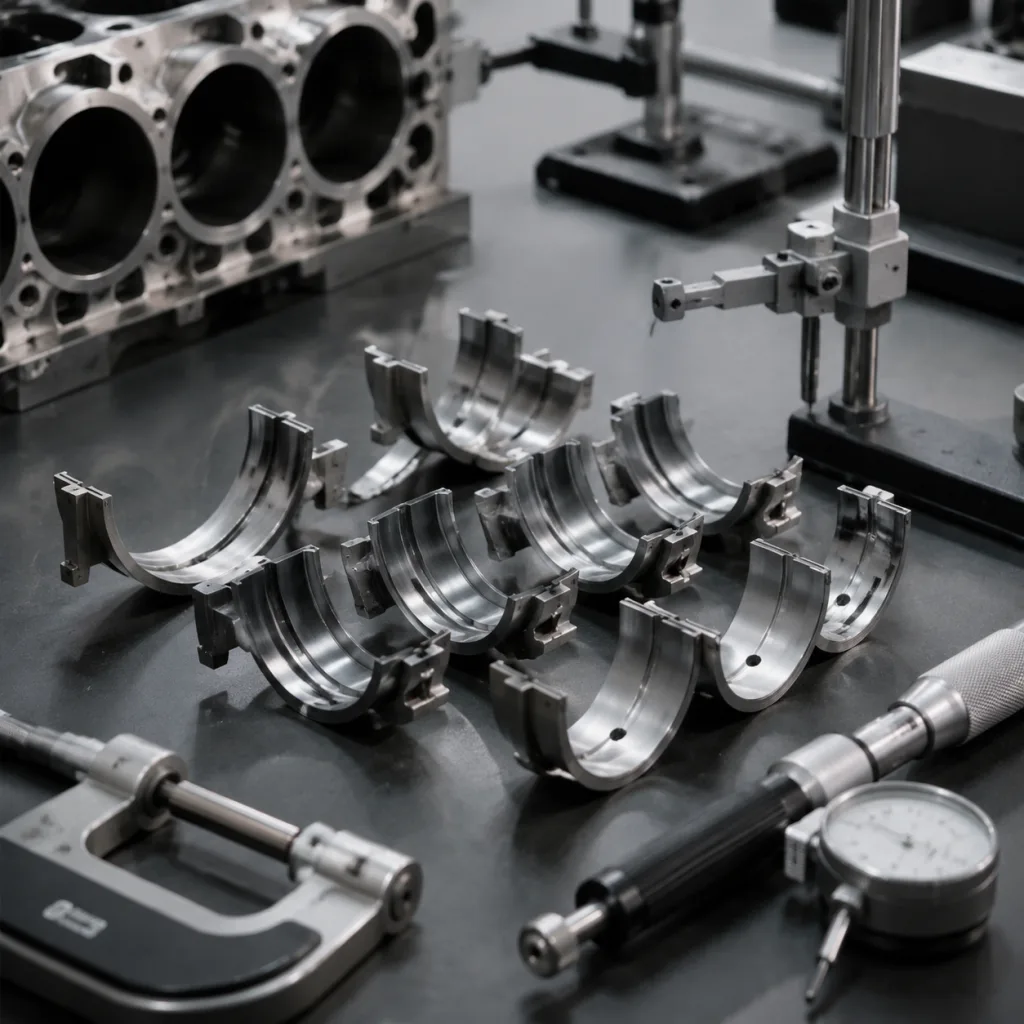
Inspection equipment is calibrated and listed in the control plan, including CMM, micrometers, hardness tester, and profile equipment
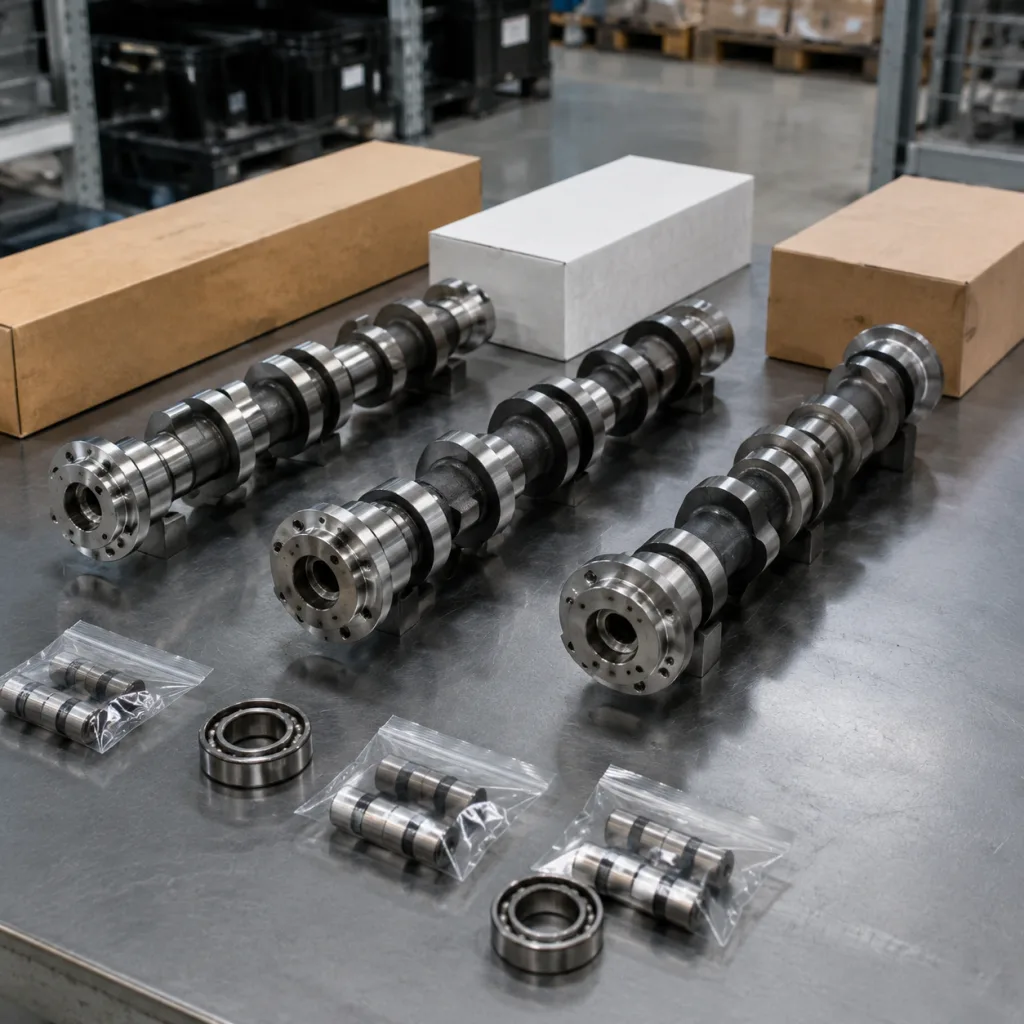
Packaging prevents impact damage, corrosion, thread damage, and trigger-wheel deformation during sea or air freight
Supplier can provide corrective-action reports for claims with photos, measurements, batch data, containment action, and root-cause analysis
Lead-time and MOQ support the buyer’s inventory rotation targets rather than forcing excessive slow-moving stock
MOQ and price should be treated as engineering variables, not just sales terms. For a new or uncommon reference, sample development may require 30–45 days after receipt of drawings or samples. Tooling or fixture confirmation can add 10–25 days. First mass production often requires 45–60 days after approval and deposit. Repeat orders are usually shorter when blanks, fixtures, and packaging are already validated.
Ask what drives the MOQ: raw material batch, heat-treatment lot, machining setup, packaging print quantity, or stock availability. Request price bands at clear volumes—100, 300, 500, and 1,000 pieces, for example—with Incoterms, inspection level, packaging type, and payment terms stated. Driventus provides replacement camshafts and other engine components for distributors, wholesalers, and multi-location repair groups. Buyers can review our quality system for certification and process-control information, or discuss custom manufacturing for sample-based development, drawing-based production, and private-label packaging.
Import-Ready Scenario: From Approved Sample to First Shipment
Consider a distributor preparing a first mixed shipment for EU, UK, US, Canadian, Australian, or Brazilian warehouses. The camshaft is approved technically, but the shipment can still fail commercially if the documents, labels, claim rules, or packaging controls are incomplete. The sourcing file should be finished before the first container or consolidated shipment leaves the factory.
A complete camshaft sourcing pack normally includes the purchase specification, approved cross-reference list, inspection report, material certificate, heat-treatment record, packing list, carton and pallet dimensions, country-of-origin details, and agreed claim-handling procedure. For branded aftermarket packaging, artwork control and label accuracy are part of quality control. A wrong label can create the same field risk as a machining defect.
Labels should normally show part number, position where relevant, quantity, batch or date code, country of origin where required, barcode if used by the buyer, and any handling instruction needed to protect machined surfaces.
Import and logistics planning should define practical numbers before order release:
Carton quantity and maximum carton weight, often kept below 15–20 kg for safe manual handling where possible
Rust-prevention period, such as 6 or 12 months, matched to sea freight and warehouse storage time
Pallet type, pallet height, fumigation or heat-treatment requirement, and mixed-SKU pallet rules
Incoterms, freight mode, consolidation schedule, and document cut-off dates
HS code review by the importer or broker before shipment, rather than after a customs query
Claim window, evidence requirement, replacement or credit method, and responsibility for destructive testing if needed
Driventus can support mixed engine-component shipments, including pistons, crankshafts, gaskets, water pumps, turbochargers, and camshafts, subject to MOQ and schedule confirmation. For new camshaft for BMW 7 Series replacement projects, the most useful starting data is a sample part, target application list, expected annual volume, destination market, target order quantity, preferred Incoterm, packaging requirement, and any inspection requirements used by the buyer’s receiving team. To start a technical and commercial review, buyers may request a quote.
Frequently asked questions
Provide engine code, vehicle year range, intake or exhaust position, sample photos, key dimensions, target annual volume, first order quantity, destination market, preferred Incoterm, and packaging requirements. If available, include drawings, validated cross-references, or an approved sample.
Yes. Driventus can support private-label packaging and custom manufacturing based on samples or drawings, subject to technical review, MOQ, inspection requirements, artwork approval, and agreed lead time.
No. Driventus is an independent aftermarket manufacturer; brand names are referenced for fitment identification only. Replacement parts are developed for dimensional and functional equivalence, not vehicle manufacturer endorsement.
For application review, sample comparison, MOQ confirmation, lead-time planning, or distributor pricing, share your camshaft requirements with Driventus. Start a technical sourcing discussion at /contact.html