camshaft · 2026-05-27

Camshaft Acura Replacement: OE-Equivalent Fitment Guide

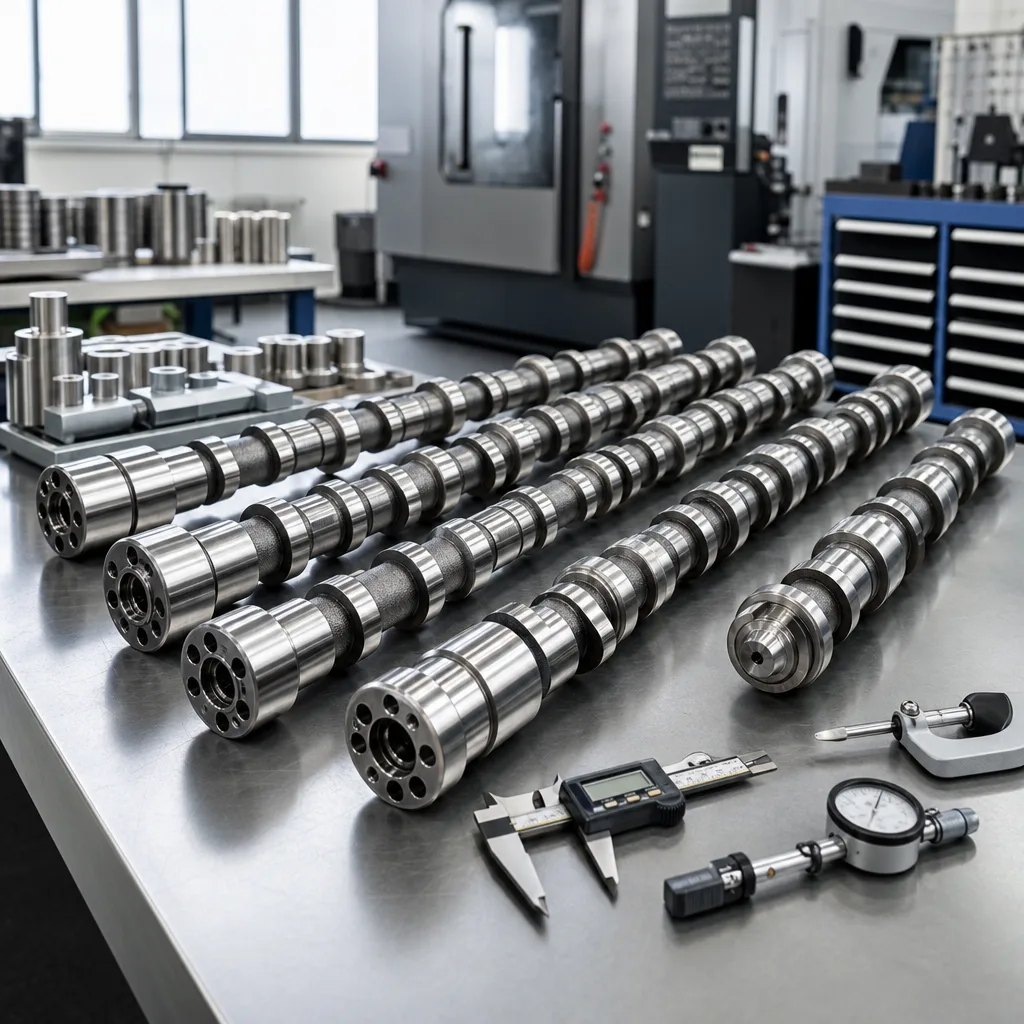
An Acura camshaft replacement should be treated as an OE-equivalence exercise, not a simple parts swap. The key variables are journal diameter, lobe centreline, lift profile, phaser interface, thrust control, and the surface treatment used on each lobe and journal. If any of those differ from the engine's original specification, valve timing, idle quality, oil pressure, and long-term wear can change. Driventus is an independent aftermarket manufacturer; brand names are referenced for fitment only. For buyers, the practical question is whether the part matches the OE drawing, passes dimensional inspection, and can be traced back through a controlled quality system. That is the basis for stocking, reselling, or installing a replacement camshaft with lower return risk and fewer fitment disputes.

What must match on an Acura camshaft

For Acura applications, replacement starts with the engine family and the valve-train architecture, not the vehicle badge. Intake and exhaust camshafts can differ in lobe phasing, sensor windows, thrust width, and sprocket or phaser attachment. A correct replacement must match the OE geometry and the functional interfaces that drive the timing system.

  • journal count and diameter
  • overall length and thrust face width
  • lobe lift, base circle, and separation
  • trigger wheel or encoder layout
  • VTEC or phaser interface, where fitted
  • oil feed and gallery features

A buyer should validate against the OE print or a signed master sample. If the part number is only identified by model year, the risk of incorrect fitment rises quickly. That is where a controlled aftermarket part is more useful than a generic listing.

Fitment checks before placing a PO

The safest procurement process is to compare the replacement part against the OE reference before purchase, not after the first complaint. There is no universal camshaft dimension set for every Acura engine, so the document set must be tied to the exact engine code and cam position.

</tr></thead><tbody> </tbody></table>Use the OE drawing, not catalogue assumptions. If the replacement is being bought for a repair chain or a distributor warehouse, one incorrect fitment can multiply into returns, labour cost, and lost confidence.

Material and inspection controls that matter

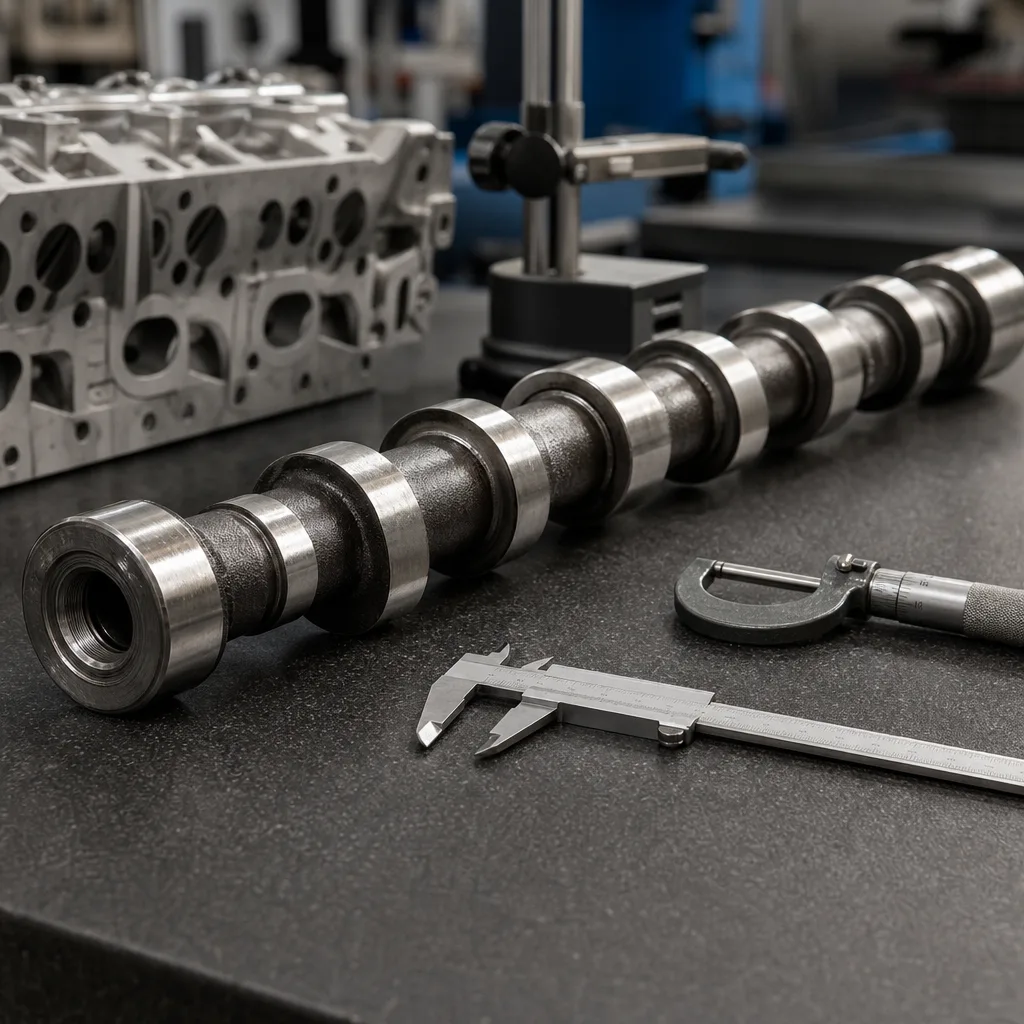
Camshafts are typically supplied in chilled cast iron, ductile iron, or forged steel depending on the engine family and duty cycle. The material choice matters because it drives hardness profile, wear resistance, and grinding response. Induction hardening or nitriding should be paired with hardness checks, microstructure review, and lobe profile inspection.

For procurement, ask for:

  • material certificates with heat or batch traceability
  • hardness and case-depth records
  • runout and concentricity data
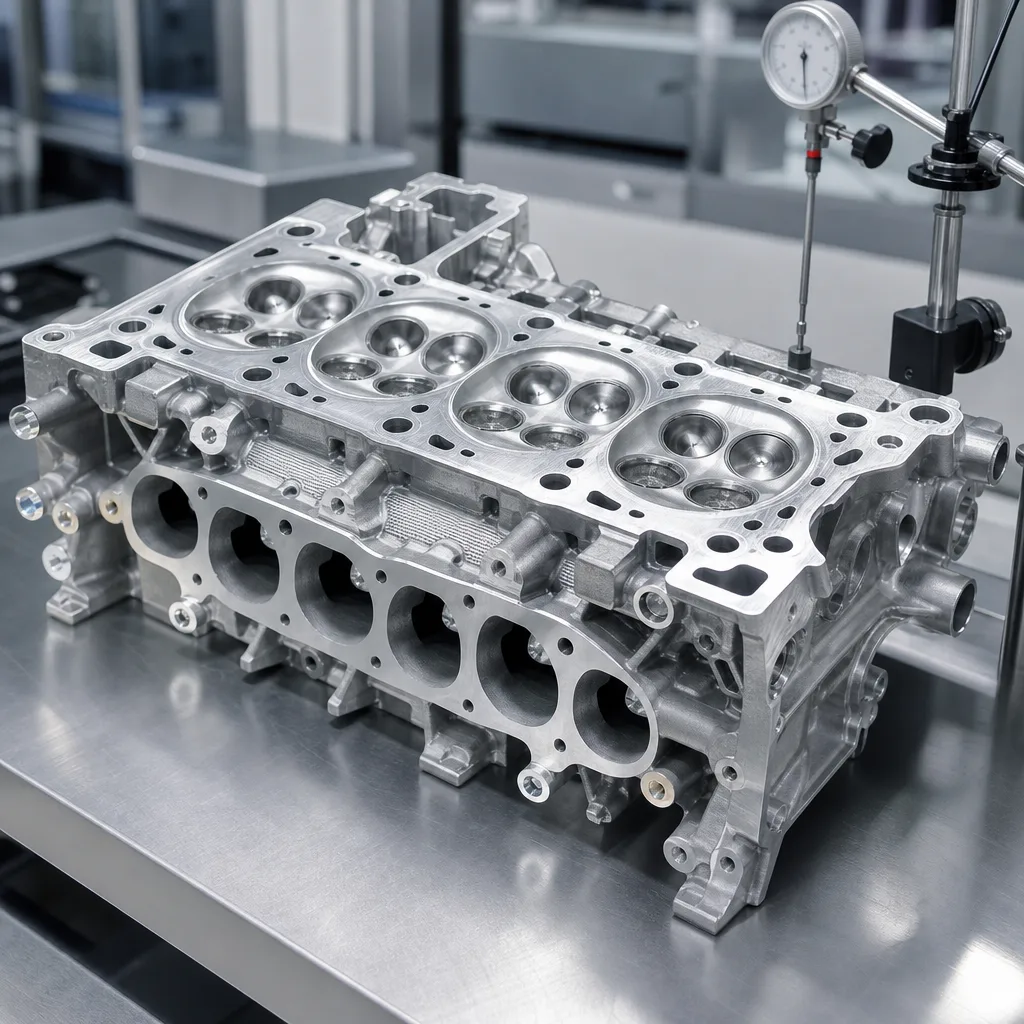
  • dimensional inspection on journals, lobes, and key features
  • packaging that prevents corrosion and edge damage

Driventus operates under IATF 16949:2016 and ISO 9001:2015 control plans, and restricted-substance management should align with REACH (EC) No 1907/2006. That combination reduces claims when units move through multiple warehouses before installation.

Validation for replacement programs

Replacement camshafts need more than a dimensional pass. Validation should compare the new part to an OE reference on valve timing, oiling behavior, and long-run wear. Useful checks include dyno or engine-room confirmation, hot idle noise review, and post-test lobe and journal inspection. If the engine uses variable valve timing, the phase response and commanded position should be reviewed against the original hardware.

What to record

  • test hours and oil grade
  • failure mode or wear map after test
  • measurement method and gauge ID
  • pre- and post-test images of the lobe and thrust face

These records matter for distributors and repair chains because they separate a fitment dispute from an installation issue. They also support root-cause work if a claim appears in one region but not another.

How buyers source and qualify supply

Buyers usually choose between stock replacement, catalog consolidation, or custom manufacturing. For recurring programs, consolidating a narrow range of camshaft variants can reduce SKU count without changing fitment. When the required lobe profile, phaser interface, or packaging spec is not already in our catalog, custom manufacturing can be used after print review and sample approval.

For related components, see engine components. Use our quality system to review certification scope, inspection discipline, and traceability controls before placing a PO. For pricing, lead time, and sample requests, request a quote. That is the practical route for aftermarket distributors, OEM suppliers, and multi-location repair groups that need repeatable supply rather than one-off substitutions.

Frequently asked questions

Match the engine code, cam position, journal layout, trigger features, and phaser or VTEC interface against the OE drawing or a verified master sample. Model year alone is not enough.

Ask for material certificates, hardness data, dimensional inspection results, and traceability records. For larger programs, request sample approval and a written validation summary.

Yes. When the volume, print data, and validation path are clear, custom manufacturing can cover revised profiles, interfaces, or packaging requirements without changing the fitment target.

If you need a direct replacement camshaft for an Acura application, send the engine code, OE reference, and annual demand. We will confirm fitment, documentation, and supply options through [request a quote](/contact.html).

Request a Quote
Check What to verify Buyer risk if wrong
Journal diameterMatch the OE drawing and bearing stack-upOil film loss, scuffing, or seizure
Lobe profileConfirm lift, duration, and base circleValve timing shift and power loss
Thrust faceConfirm axial width and end-play controlNoise, wear, or timing instability
Trigger featuresMatch the sensor window or reluctor designSignal errors and fault codes
Drive interfaceMatch keyway, gear, or phaser attachmentAssembly failure or timing offset