Wheel Bearing Repair Cost: B2B Sourcing Factors
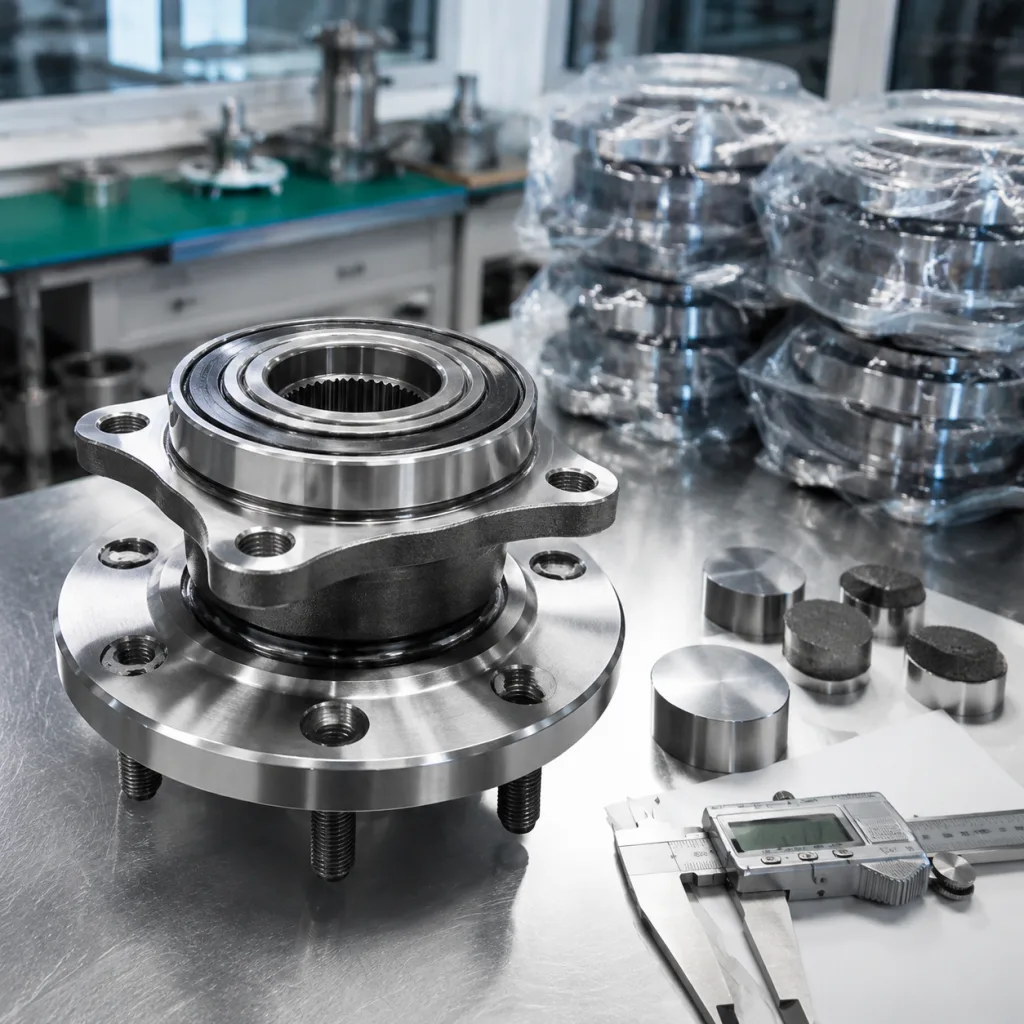
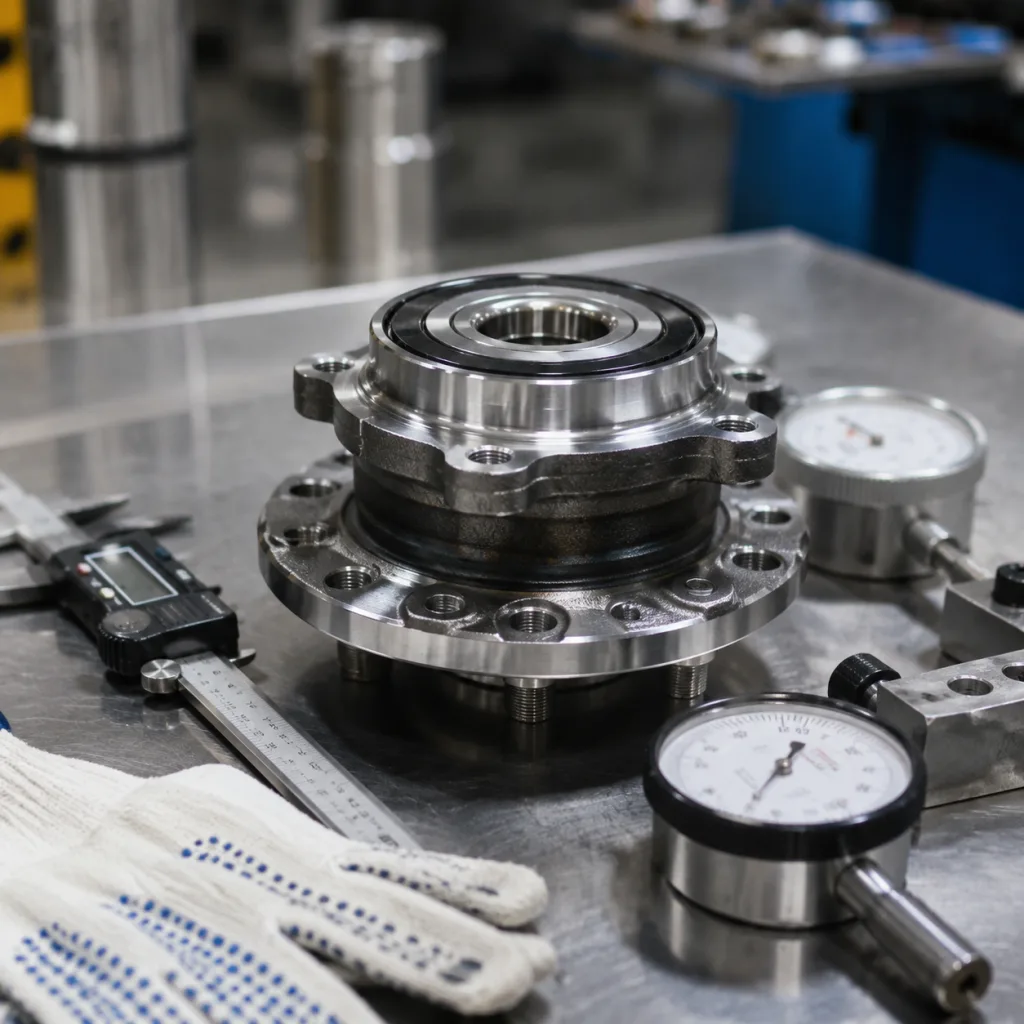
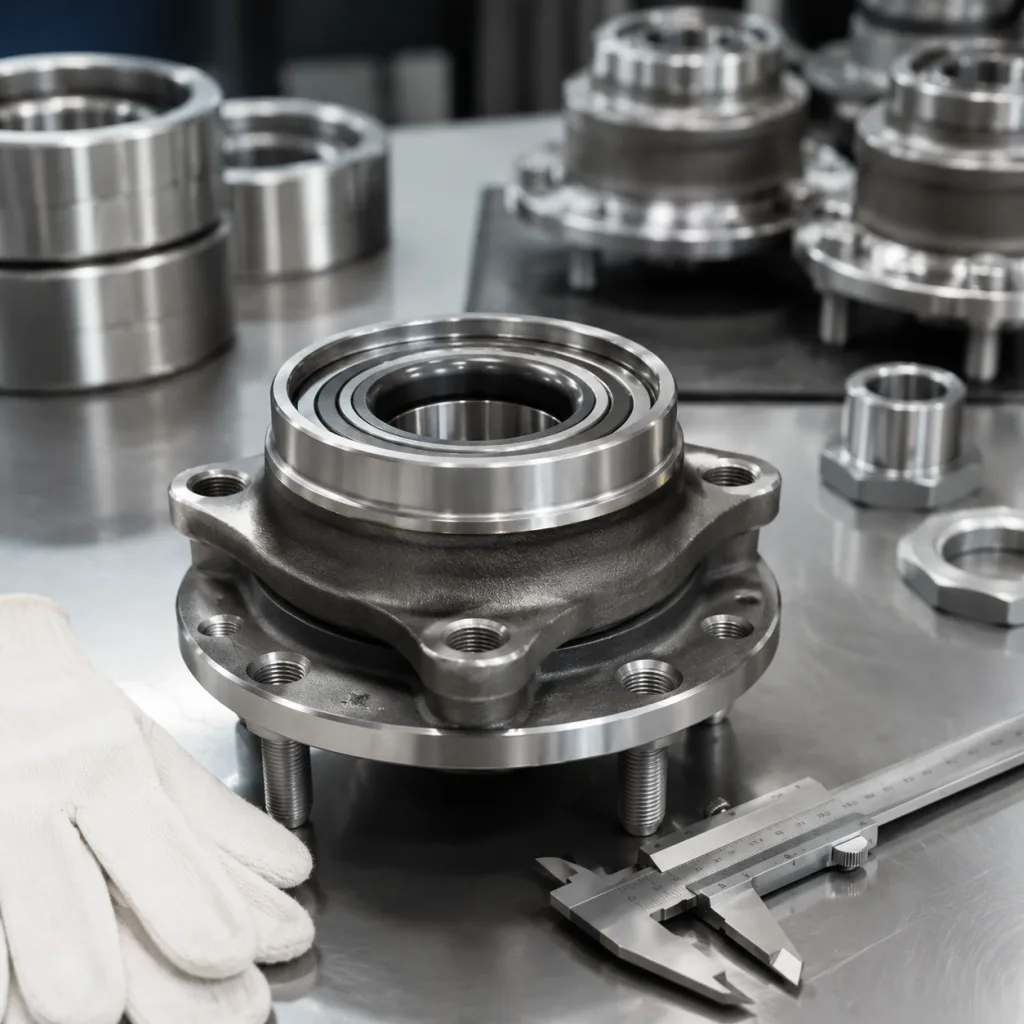
Wheel bearing repair cost is more than a workshop labour line. For distributors, repair chains and fleet maintenance buyers, the real figure includes part acquisition, freight, inventory, warranty exposure, comeback rates and vehicle downtime. A low unit price can become expensive when dimensional control is weak, sealing performance varies or batch traceability is incomplete. This article explains the main cost drivers for hub units and bearing kits used in passenger cars and light commercial vehicles. It is written for procurement teams rather than retail repair customers: what affects landed and installed cost, which specifications deserve close review, and how buyers can reduce repeat replacement risk. Driventus manufactures automotive components in Taizhou, Zhejiang, under IATF 16949:2016 and ISO 9001:2015 systems, supplying aftermarket distributors, OEM/Tier-1 programmes and multi-location repair networks in more than 60 countries. Driventus is an independent aftermarket manufacturer; brand names are referenced for fitment only.
What Drives the Total Repair Cost
For a repair-chain buyer, wheel bearing repair cost usually combines five areas: the bearing or hub assembly, labour time, ancillary parts, diagnostic work and warranty handling. The parts invoice is easy to see, but repeat repairs often create the larger loss through labour reimbursement, freight, credit notes and customer disruption.
Typical passenger vehicle replacement time can range from about 0.8 to 2.5 labour hours per wheel, depending on suspension layout, bearing design and vehicle condition. A press-in bearing requires removal of the steering knuckle and controlled support during pressing. A bolt-on hub unit is usually faster, although corrosion on the mounting face, seized fasteners or damaged threads can extend bay time. Vehicles with integrated ABS encoder rings also need careful sensor-clearance and signal checks after installation.
For B2B procurement, the commercial question is not simply which bearing is cheapest. It is which part reduces total installed risk across hundreds or thousands of repairs.
| Cost element | Main driver | Procurement impact | ||
|---|---|---|---|---|
| Bearing or hub unit | Steel grade, seals, encoder, machining | Direct purchase cost and warranty risk | ||
| Labour time | Press-in vs bolt-on design | Affects repair-chain productivity | ||
| Ancillary parts | Axle nut, circlip, bolts, dust cap | Missing hardware can delay jobs | ||
| Diagnostics | Noise confirmation, lift inspection, road test | Reduces misdiagnosis and claims | ||
| Comeback handling | Noise, ABS fault, premature play | Creates credit notes, freight and labour reimbursement |
| Product type | Common contents | Relative part cost | Labour effect | Buyer notes |
|---|---|---|---|---|
| Press-in bearing | Double-row bearing only | Low to medium | Higher | Requires correct press tools and knuckle support |
| Bearing kit | Bearing, circlip, nut, seal where applicable | Medium | Higher | Reduces missing-hardware delays |
| Bolt-on hub unit | Hub flange with bearing | Medium to high | Lower | Faster installation, higher unit value |
| Hub with ABS encoder | Hub or bearing with magnetic encoder | High | Medium | Requires encoder validation and packaging protection |
| Driven wheel hub assembly | Hub with splines and flange | High | Medium | Spline, thread and runout control are critical |
| Evaluation item | What to verify | Why it affects cost |
|---|---|---|
| Quality certification | IATF 16949:2016 and ISO 9001:2015 scope | Confirms automotive process discipline |
| Material control | Bearing steel records and heat treatment data | Reduces fatigue and raceway failure risk |
| Dimensional inspection | ID, OD, width, runout, flange and spline checks | Prevents fitment and vibration issues |
| Seal and grease control | Seal geometry, grease type and fill consistency | Reduces water ingress and noise complaints |
| ABS validation | Encoder integrity and signal verification | Prevents electronic fault comebacks |
| Traceability | Batch code linked to inspection records | Enables contained corrective action |
| Packaging | Encoder protection, corrosion prevention, carton strength | Reduces transit damage and returns |
| Claims process | 8D response, sample return and failure analysis | Limits recurring warranty expense |