turbo gasket kit · 2026-06-11

Turbo Gasket Kit Dimensions: Spec Sheet and Fitment Guide

Turbo gasket kit dimensions are a sourcing issue, not just a fitment detail. For procurement teams, the key checks are flange pattern, inner and outer diameters, thickness, bolt-hole centre distance, and whether the gasket stack matches the turbocharger frame and manifold interface. A kit that is close on paper can still fail at install if the sealing land is too narrow, the bore is restrictive, or the material grade does not match exhaust temperature and clamp load.

Driventus is an independent aftermarket manufacturer; brand names are referenced for fitment only. We supply turbo gasket kits for B2B customers that need dimensional control, repeatable packaging, and documented inspection. Our production follows IATF 16949:2016 and ISO 9001:2015 systems, with material and traceability controls aligned to export requirements. If you are building a sourcing specification, the sections below summarise the dimensions, tolerances, materials, and validation checks that matter before you place a purchase order.

What dimensions matter in a turbo gasket kit

For turbo gasket kit dimensions, buyers should confirm the full interface geometry, not only the gasket outer outline. The critical points are:

  • Port inner diameter (ID): must clear the turbine inlet or outlet path without creating a step that disturbs flow.
  • Outer diameter (OD): must cover the sealing face with sufficient edge margin.
  • Thickness: affects crush, clamp retention, and thermal stability.
  • Bolt-hole diameter and centre distance: must match the flange without forcing the gasket during assembly.
  • Sealing land width: the contact band around the port should be uniform and wide enough to maintain seal after heat cycling.

For turbocharger applications, dimensional mismatch often shows up as soot leakage, bolt loosening, or an uneven imprint after the first heat cycle. A proper specification should reference the mating part and the installed orientation, not just the gasket drawing.

Typical size ranges and material options

Turbo gasket kits are usually supplied as matched sets for the turbine inlet, outlet, oil lines, coolant lines, and mounting hardware where applicable. The exact dimensions vary by engine family and turbo frame, but procurement specifications often track the following ranges.

</tr></thead><tbody> </tbody></table>In most export programmes, buyers ask for dimensional drawings with tolerance callouts, sample approval, and lot traceability. That is the right starting point for a repeat-order programme.

Recommended tolerances and inspection points

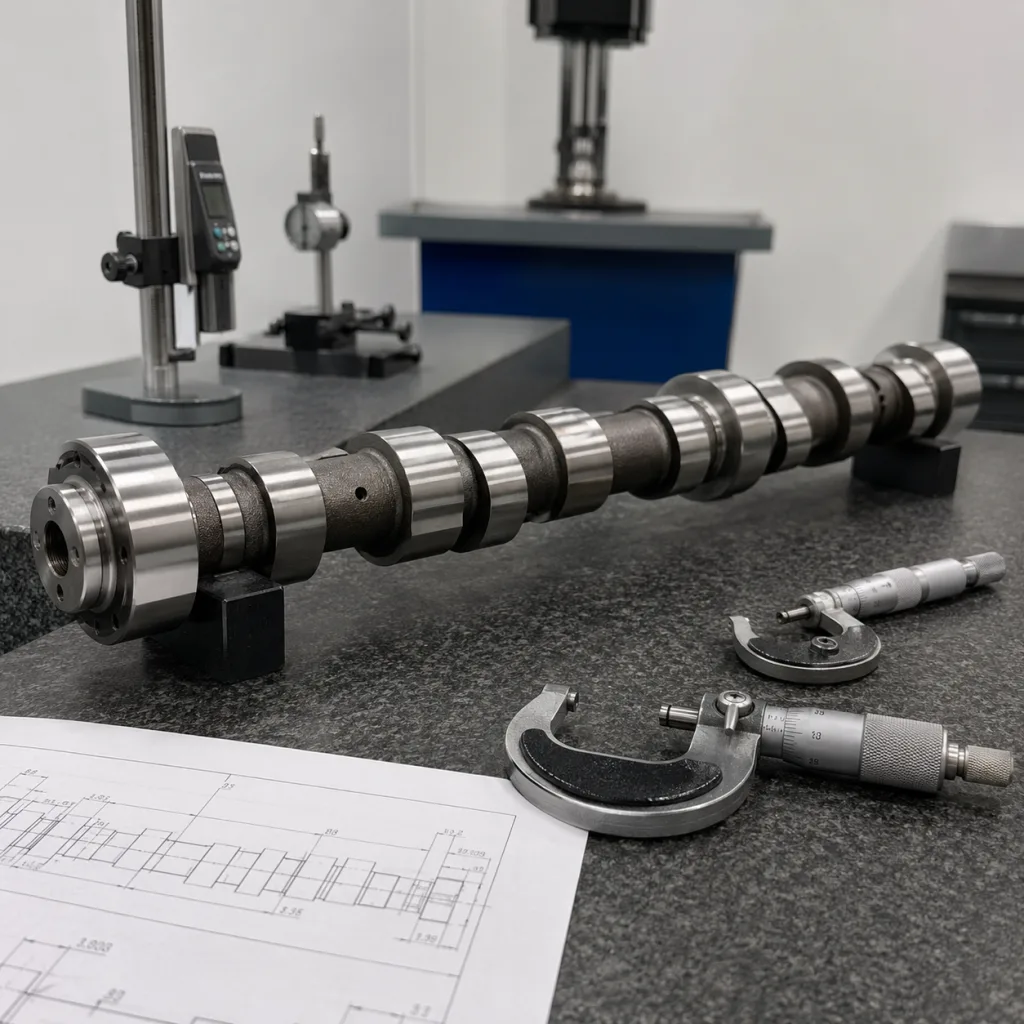
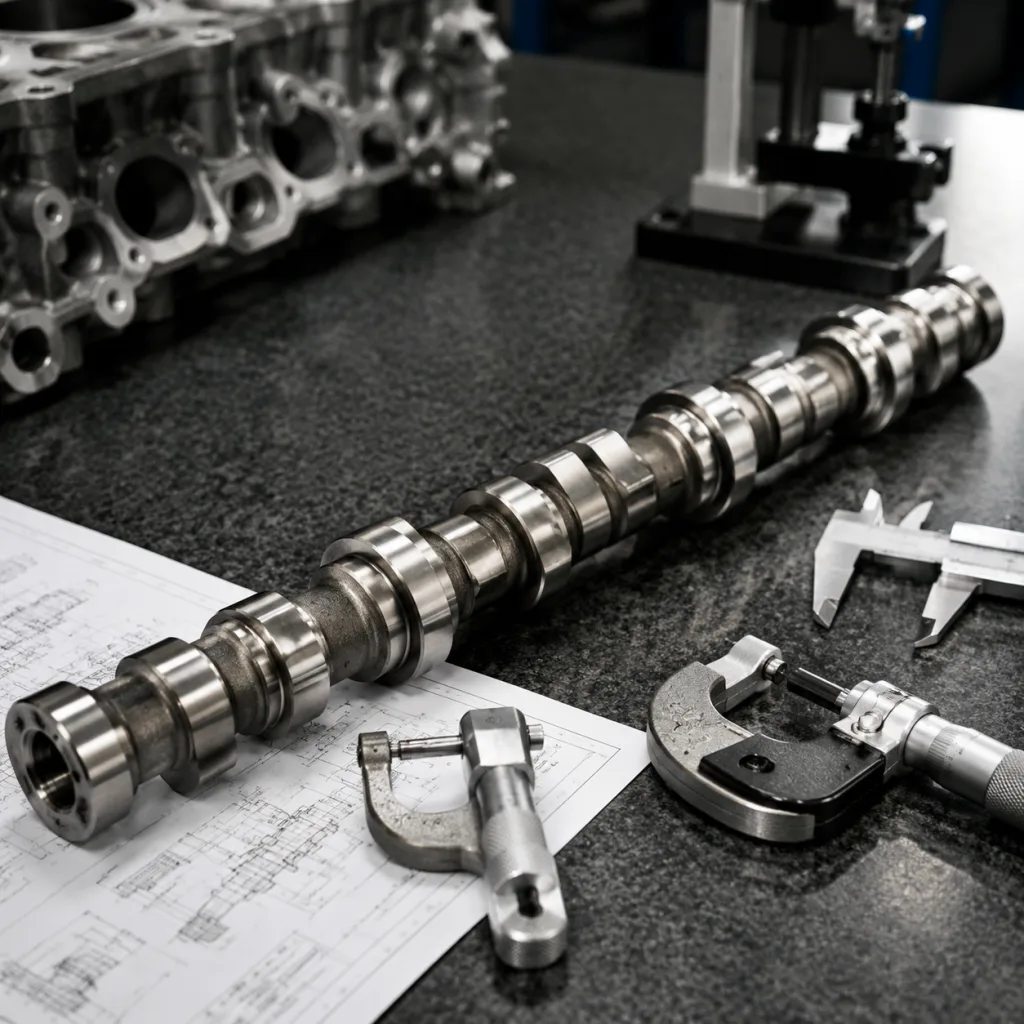
A useful sourcing specification should define measurable tolerances instead of vague fitment language. For gasket kits, the most important checks are flatness, thickness variation, hole position, and burr control after cutting or stamping.

Suggested inspection checklist

  • Thickness consistency: confirm the stated thickness is held across the sealing area.
  • Hole positional accuracy: verify bolt holes are concentric to the flange pattern.
  • Edge quality: inspect for frayed fibre, delamination, or raised burrs on steel-core parts.
  • Compression behaviour: check whether the material maintains sealing load after thermal exposure.
  • Surface finish of sealing land: ensure the contact face is free from contamination, oil, and oxide residue.

For procurement files, dimensional control should sit alongside documented incoming inspection, in-process checks, and final sampling. Under IATF 16949:2016 and ISO 9001:2015, these controls support repeatability across production lots. Driventus can align inspection records to buyer requirements when a drawing and target application are provided.

How turbo gasket dimensions affect sealing performance

A gasket that is too small can intrude into the gas path and raise backpressure. A gasket that is too large can expose a weak sealing edge and increase the risk of blow-by. Thickness also matters: if the material is too thin for the flange condition, it may not compensate for minor surface irregularities; if it is too thick, it may relax after heat cycling and reduce clamp load.

The same issue applies to bolt-hole size. Oversized holes can allow the gasket to shift during tightening. Undersized holes can create stress around the fastener points and deform the seal face. For turbo applications, the best result is usually a controlled balance between bore clearance, sealing width, and compressive recovery under exhaust temperature.

Published standards relevant to export sourcing may include REACH (EC) No 1907/2006 for substance compliance, and where emissions-related assemblies are involved, the buyer may also reference ECE R-83 or other market-specific requirements. The standard list should be written into the purchase specification, not assumed.

How Driventus supports OE-matching and custom programmes

Procurement teams often need two supply paths: catalog replacement and controlled custom development. For catalog sourcing, you can compare part geometry in our catalog and validate the application against engine family data. For programme work that requires a revised flange pattern, bead profile, or kit content, custom manufacturing is available with drawing review and sample submission.

When an OE cross-reference is supplied, we work from the stated reference and the buyer’s drawing package. Example formats such as OE 06A107065 should be treated as fitment references only. We do not claim vehicle manufacturer approval or endorsement.

If your team also sources adjacent sealing and engine interface parts, the broader engine components range may help standardise supplier consolidation across programme groups.

What to request before placing a purchase order

Before releasing a PO, ask for a drawing pack that includes:

  • Dimensional drawing with ID, OD, thickness, and bolt-hole centres
  • Material declaration and thickness tolerance
  • Sample approval photos or measured first-article data
  • Lot traceability and packaging specification
  • Compliance statement for REACH (EC) No 1907/2006 where required
  • Quality documentation aligned to our quality system

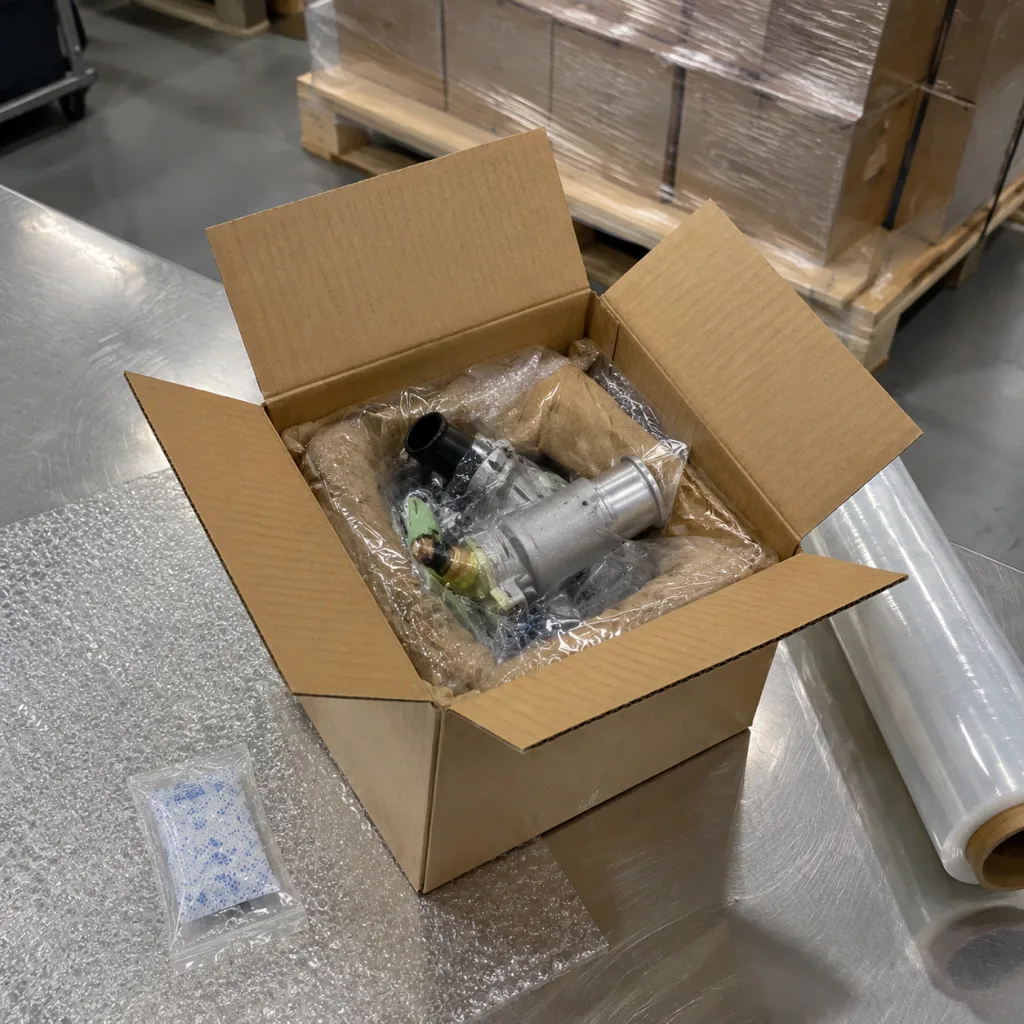
For repeat supply, also specify carton quantity, label format, and acceptable cosmetic limits. These details reduce receiving disputes and help warehouse teams distinguish turbo gasket kits that are dimensionally similar but not interchangeable.

Driventus is an independent aftermarket manufacturer; brand names are referenced for fitment only.

Frequently asked questions

Start with port ID, outer diameter, thickness, bolt-hole size, and hole centre distance. These determine whether the gasket seals correctly and fits the flange without distortion.

No. They also vary by engine family, manifold design, outlet geometry, and whether the kit includes oil or coolant seals. Always verify the full mating interface.

Yes. If you provide a drawing or sample, we can review dimensions, materials, and packaging requirements under our OEM/custom manufacturing process.

If you need a dimensional review, sample comparison, or a sourcing quote for a turbo gasket kit, please [request a quote](/contact.html).

Request a Quote
Item Typical dimensional check Common material options Procurement note
Turbine inlet gasketID matched to port, OD set by flange envelopeMulti-layer steel, graphite compositeVerify port offset and bolt-hole pitch
Turbine outlet gasketBore and bolt pattern must match housingGraphite, stainless core, MLSCheck heat shielding requirement
Oil feed / drain gasketSmall-bore interface, low-thickness sealFibre, paper, embossed steelConfirm media compatibility
Coolant gasketPort alignment and bead locationRubber-coated metal, compositePressure test where coolant is present