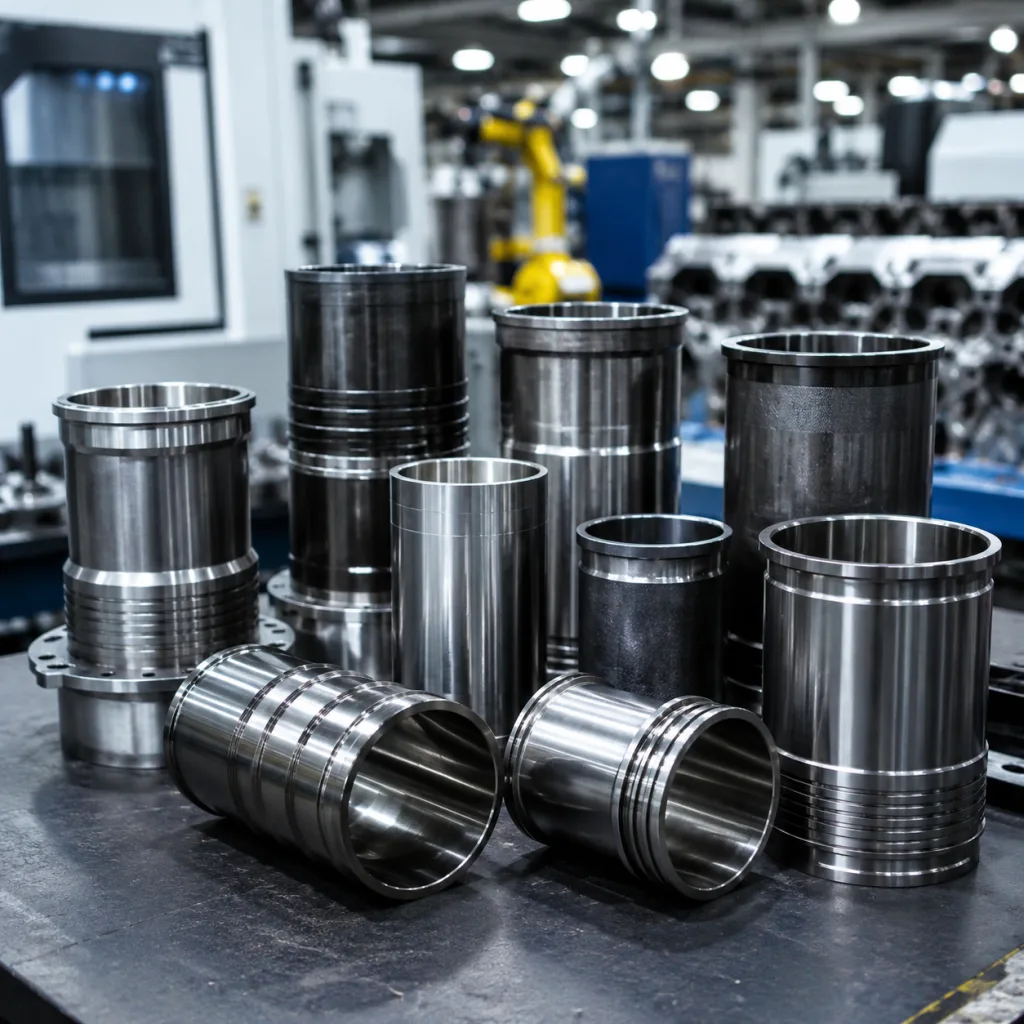
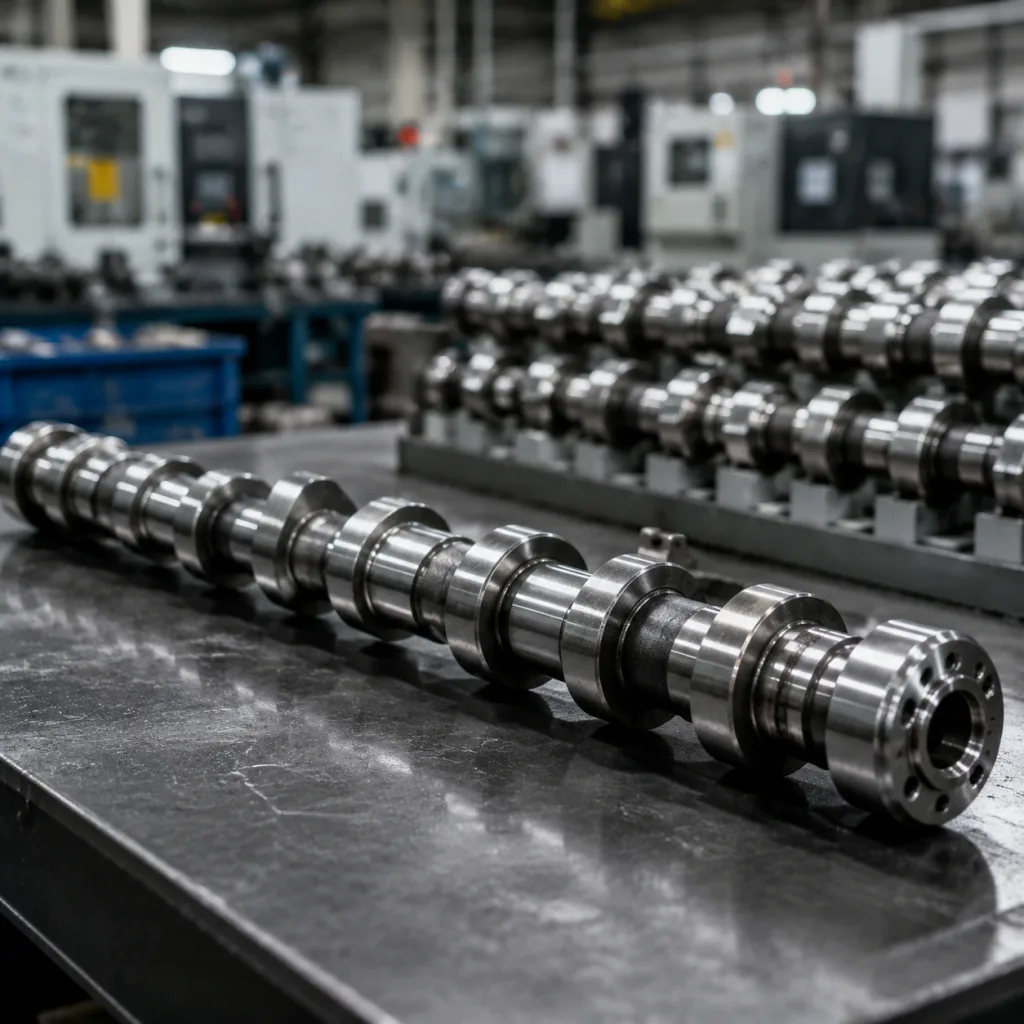
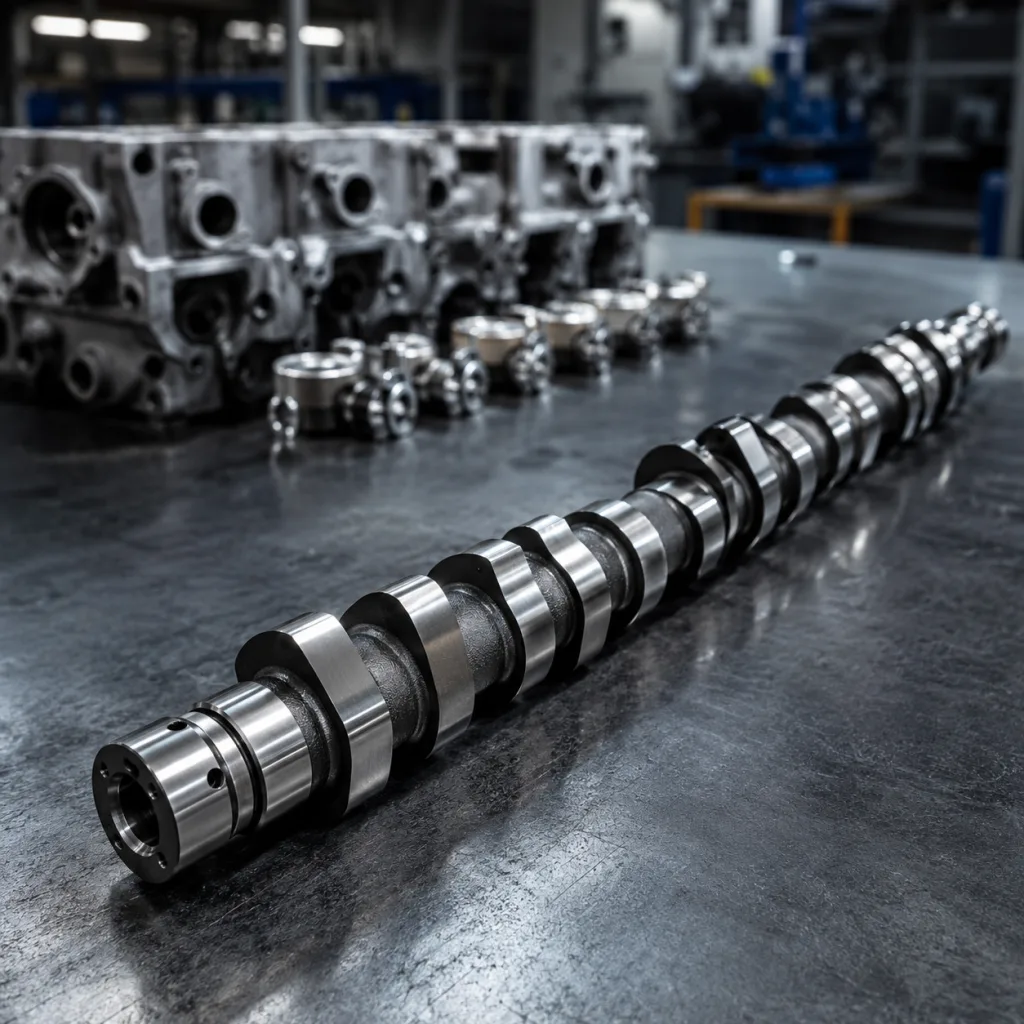
RoHS testing for high pressure fuel pump procurement is a risk-control step, not a paperwork exercise. For importers, Tier-1 buyers, and repair-chain category teams, restricted-substance evidence should be checked before a pump enters inventory, a private-label programme, or a production bill of materials. The exposure is not limited to the metal body. A high pressure fuel pump may include machined steel, aluminium, copper alloys, plated surfaces, elastomers, engineering plastics, soldered electronics on some variants, labels, inks, bags, and foams. Each material stream needs its own evidence path. This guide gives buyers a practical way to specify, review, and verify RoHS evidence when sourcing gasoline direct injection or diesel common-rail pump assemblies from an independent aftermarket manufacturer. It covers document requests, report review, screening limits, laboratory testing triggers, supplier change control, MOQ, price, and delivery planning. Driventus is an independent aftermarket manufacturer; brand names are referenced for fitment only.
Start With the Homogeneous-Material Rule
RoHS is assessed at homogeneous-material level, not by averaging the finished pump. That is the rule buyers must build into the RFQ. A 500 g pump can fail because of a tiny coating layer, seal, connector body, solder joint, label, or bag if that individual material exceeds the restricted-substance threshold.
For EU supply, buyers usually reference Directive 2011/65/EU on the restriction of hazardous substances in electrical and electronic equipment, as amended by Directive (EU) 2015/863. Unless an exemption applies, the maximum concentration values are 0.1% by weight in each homogeneous material for lead, mercury, hexavalent chromium, PBB, PBDE, DEHP, BBP, DBP, and DIBP, and 0.01% by weight for cadmium. Depending on product configuration and destination market, the same pump may also need REACH (EC) No 1907/2006 review for substances of very high concern. Do not merge the two. A RoHS declaration does not replace a REACH declaration, and a REACH statement does not prove RoHS conformity.
The practical decision is simple: list every material layer that can be separated mechanically, chemically, or physically, then assign a risk level and evidence type. Typical watch points include:
Lead in brass or bronze bushings, solder, free-cutting steels, copper alloys, and some coating systems
Cadmium in legacy plating systems, stabilisers, pigments, yellow plastics, and old-stock electrical parts
Mercury in electrical components, where applicable, especially switches or older sensor subassemblies
Hexavalent chromium in corrosion-protection treatments, zinc passivation, conversion coatings, and fastener finishes
PBB and PBDE flame retardants in connector housings, sensor plastics, cable ties, sleeves, and labels
DEHP, BBP, DBP, and DIBP plasticisers in cable jackets, printed labels, elastomer seals, sleeves, bags, and foams
A pump without integrated electronics may carry less RoHS exposure than a sensor-equipped or actuator-equipped unit. It is not automatically low risk. Coatings, seals, labels, and packaging can still create nonconformity. Ask for a material matrix by line item: base material, coating or finish, approximate share, supplier, revision, risk rating, report date, and evidence type. Mark each entry as declaration-only, XRF-screened, or wet-chemistry confirmed.
A Buyer Workflow That Prevents Late Surprises
The mistake is waiting until pre-shipment inspection to ask for RoHS evidence. By then the factory may have completed machining, assembly, packaging, and carton labelling. If a report is missing or a coating needs retesting, the order stops.
Use the workflow below before sample approval and repeat it when materials change.
Step
Buyer action
Evidence to request
Acceptance focus
1
Define applicable markets
EU, UK, US state, Canada, Australia, Brazil import notes
Legal scope, customer list, exemption position
2
Map the bill of materials
Material declaration by component and homogeneous layer
Repeatability across repeat orders and annual buys
</tr></thead><tbody> </tbody></table>The buyer specification should require a compliance file covering all homogeneous materials in the pump assembly and specified packaging. For first articles, request three things before mass-production release: a signed RoHS declaration, a component-level material matrix, and targeted reports for high-risk items. For repeat orders, require written notification at least 30 days before any change to plating supplier, resin grade, elastomer compound, solder process, terminal finish, lubricant, adhesive, packaging material, or electronic sub-supplier. That discipline mirrors IATF 16949:2016 and ISO 9001:2015 process control, although those standards are quality-management frameworks rather than chemical-compliance laws.
Commercial terms should move with the compliance plan. A typical independent aftermarket programme may start at 100–300 pieces for stocked references, 500–1,000 pieces for private-label packaging, and 1,000–3,000 pieces for new tooling, uncommon connectors, or customer-specific validation. If existing material reports are valid, quotation and document review may take 2–5 working days and production lead time may remain at 25–45 days after deposit and artwork approval. If new wet-chemistry testing is required, add about 5–10 working days per sample set. If tooling, new elastomer compounding, or electronic sub-supplier approval is required, plan 45–90 days before stable production release.
Align the requirement before RFQ release. Early review lets the factory confirm whether existing reports match the drawing, whether new samples are needed, and whether laboratory lead time affects delivery. Buyers comparing references can review our catalog and attach compliance requirements before quotation.
Report Review: What Good Evidence Looks Like
A RoHS report is useful only when it connects the tested sample to the actual part, material, supplier, and production route. A certificate that says “RoHS passed” is weak if it does not identify the tested material, test method, detection limits, or acceptance criteria. Buyers should see descriptions such as “black FKM seal,” “zinc-nickel plated steel bracket,” “PA66-GF30 connector housing,” “SnAgCu solder joint,” or “printed PE bag.” “Fuel pump component” is not enough.
Check these fields before accepting a report:
Laboratory name, address, accreditation reference, report number, and issue date
Tested sample description, including material type, colour, coating, surface finish, and sample weight where stated
Client name and manufacturer or supplier identity, especially for sub-supplier reports
Sample photos, markings, dimensions, or references that match the submitted component
Test method used, such as IEC 62321 XRF screening, ICP-OES, ICP-MS, UV-Vis for Cr(VI), GC-MS, or HPLC
Detection limits and measured values for each restricted substance, not only a pass/fail statement
Pass/fail criteria against Directive 2011/65/EU and Directive (EU) 2015/863, including 0.1% and 0.01% thresholds
Report pages, signature, seal, QR code, or digital verification route from the laboratory
Screening versus confirmatory analysis
XRF screening is fast and useful for metals, coatings, and incoming checks. It can flag elevated lead, cadmium, mercury, total chromium, and bromine. Many importers set internal alerts at 700–800 ppm for 0.1% substances and 50–75 ppm for cadmium, leaving margin below the RoHS limits of 1,000 ppm and 100 ppm. That margin matters because screening uncertainty, surface geometry, and coating thickness can affect readings.
XRF has limits. It cannot reliably distinguish hexavalent chromium from total chromium, and it is not the right method for quantifying phthalates in polymers. Use wet chemical analysis for disputed results, customer-critical materials, unclear plating systems, elastomers, plastics, labels, cable jackets, and any material where phthalates are the main risk.
Report age also matters. A practical purchasing rule is to accept reports issued within the last 12–24 months for stable materials, require immediate retest after any material or sub-supplier change, and reject reports that cannot be matched to the current drawing, finish, colour, resin grade, or production supplier.
Failure Modes Unique to Pump Assemblies
Restricted-substance compliance must not weaken pump performance. A rushed material substitution can solve a RoHS issue and create a field failure: seal swelling, reduced corrosion resistance, connector instability, fatigue loss, wear, leakage, or poor fuel compatibility. Review RoHS evidence beside the dimensional drawing, process flow, control plan, and functional test standard.
Common pump-specific failure modes include:
Plunger and barrel mismatch: A coating change may alter hardness, surface finish, wear behaviour, or lead and cadmium exposure in associated treatments.
Housing corrosion risk: Aluminium or steel housings need material declarations, passivation chemistry, plating controls, porosity checks, and corrosion-protection records.
Spring fatigue after finish changes: Alternative coatings must still meet fatigue, salt-spray, and corrosion requirements, especially where hexavalent chromium has been removed.
Seal compound drift: Elastomers must be checked for polymer grade, fuel compatibility, swelling, hardness, compression set, and restricted phthalate content.
Electrical subassembly gaps: Solenoids and control valves add solder, winding insulation, connector plastics, terminal plating, potting materials, magnet wire, and cable jackets.
Residue from process chemicals: Lubricants, rust inhibitors, assembly aids, and protective oils should not conflict with customer restricted-substance lists.
Packaging nonconformity: Labels, inks, bags, desiccants, VCI materials, and protective foams can be in scope when customer specifications include packaging compliance.
Functional validation stays separate from RoHS evidence, but the records should sit in the same release file. For pump programmes, buyers normally review pressure output, flow stability, leakage, endurance, noise, drive torque, cleanliness, and dimensional inspection. A practical release file may define pressure and flow checks at agreed speed and inlet conditions, 100% leak testing on production units, particle cleanliness limits by customer standard, connector resistance or insulation checks for actuator versions, and endurance testing on representative samples.
Where no customer drawing exists, agree measurable limits before tooling. Critical diameters, mounting-face flatness, connector orientation, seal groove dimensions, and outlet thread gauges should not be left to interpretation. Emissions-related applications may also require awareness of regulations such as ECE R-83, depending on vehicle and market context. RoHS compliance is not proof of engine performance, emissions performance, or vehicle manufacturer approval. Driventus aligns restricted-substance review with its quality system so material declarations, inspection plans, production records, and supplier change controls are managed together.
Audit Questions That Reveal Real Control
A supplier audit should show whether RoHS control is part of purchasing and production, not a PDF folder assembled for customer visits. Follow one current part number from RFQ to purchase order, incoming material, machining or assembly, final inspection, packaging, and shipment. If the trail breaks, the compliance risk is real.
Ask these questions during qualification or annual review:
Is there a controlled list of restricted-substance requirements for each export market and customer programme?
Are material declarations linked to drawing numbers, revisions, supplier codes, part descriptions, and effective dates?
Are incoming batches identified by lot number, supplier batch, inspection record, warehouse location, and release status?
Are plating, elastomer, resin, solder, lubricant, packaging, and electronic sub-suppliers approved and monitored?
Is there a written change-notification rule before material, process, finish, tooling, test method, or sub-supplier substitution?
Are XRF screening records retained with date, operator, calibration status, sample identity, result, and pass/fail decision?
Are third-party laboratory reports reviewed for sample identity, test method, detection limits, issue date, and legal reference?
Are nonconforming or suspect materials quarantined with corrective-action records, root-cause analysis, and disposition approval?
Are shipment documents matched to production lots, compliance declarations, carton labels, and customer part numbers?
Are obsolete reports, superseded drawings, expired declarations, and old supplier statements removed from active use?
Score the findings by risk. Critical findings include missing RoHS declarations, untraceable high-risk materials, unapproved sub-supplier changes, and failed or ambiguous test reports. Major findings include expired reports on high-risk materials, incomplete homogeneous-material coverage, or XRF records without calibration evidence. Minor findings may include inconsistent file names, missing report translations, or declaration templates that do not show the current legal reference.
Set deadlines that match the risk: 10 working days for containment, 30 days for document correction, and 60–90 days for retesting or supplier requalification where laboratory work is needed. OEM, Tier-1, and private-label programmes may also require PPAP-style documentation, IMDS-format material data, or customer-specific restricted-substance lists that go beyond RoHS. State these expectations before tooling, sampling, and quotation. Driventus can support custom manufacturing where compliance documentation is planned alongside sampling, validation, and production release.
Import File: Build It Before the Shipment
The import file should be short enough to use and complete enough to defend. Delays often happen because the commercial invoice, part list, laboratory report, drawing, and packaging label use different names or revisions. Standardise part descriptions, drawing numbers, customer references, and revision levels before goods leave the factory.
A buyer file for rohs testing for high pressure fuel pump orders should include:
Part drawing or specification revision, including critical dimensions, finish callouts, and tolerances
Bill of materials or material declaration summary covering homogeneous materials and high-risk subcomponents
RoHS declaration referencing Directive 2011/65/EU and Directive (EU) 2015/863
REACH (EC) No 1907/2006 declaration where required, with SVHC list date where applicable
Third-party test reports for high-risk homogeneous materials, matched to part, material, colour, coating, or supplier
Lot traceability record for shipped pumps, including production date, batch number, inspection status, and carton range
Certificate of conformity, if required by the purchase order
Functional inspection report for dimensions, pressure, leakage, cleanliness, appearance, connector checks, and packaging
Packaging material declaration where specified, including labels, inks, bags, foams, and desiccants
Change-control record for any material, coating, process, tooling, test method, or sub-supplier update
Decide who pays for new testing before issuing the purchase order. If existing reports are accepted, compliance review may be part of the normal quotation process. If buyer-specific laboratory reports are required, the cost may be quoted as a separate line item, amortised into the unit price, or waived after confirmed annual volume. For small trial orders, lab cost can materially affect unit economics. For annual contracts, it is usually minor compared with rejected shipments, recall action, or customer audit failure.
Define where test samples come from: stock, pilot production, or mass production. Then require the report sample ID to match that route. If the pump is supplied as an aftermarket replacement, OE part-number cross-references may appear in buyer files only for fitment identification, for example OE 06A… or OE 11251…. They should not be presented as vehicle manufacturer approval. Driventus is an independent aftermarket manufacturer; brand names are referenced for fitment only.
Before ordering, send the target market, annual volume, expected MOQ, target price range, delivery window, compliance checklist, drawing requirements, packaging requirements, and any customer-specific restricted-substance list. The factory can then confirm test coverage, sampling needs, lead time, report validity, and whether new laboratory testing is required. Buyers can request a quote with these details attached.
Frequently asked questions
Usually not. A finished pump contains multiple homogeneous materials, so buyers should request material-level declarations and targeted reports for high-risk items such as coatings, elastomers, plastics, solder, terminals, and electrical connectors. The useful package links each report to the drawing revision, material supplier, colour or finish, and production lot.
Repeat testing is normally triggered by material changes, supplier changes, process changes, expired reports, customer requirements, audit findings, or new legal limits. For stable production, buyers often combine annual or 12–24 month report review, periodic XRF screening, and documented change control.
No. RoHS evidence addresses restricted substances only. Pressure output, leakage, endurance, dimensional fit, cleanliness, electrical response, and fuel compatibility must be validated through separate functional and quality tests with agreed tolerances and sampling plans.
For pump sourcing projects, share your target market, drawings, annual volume, expected MOQ, target price range, delivery window, packaging needs, and compliance checklist. Driventus can review the documentation path and respond with practical next steps at /contact.html