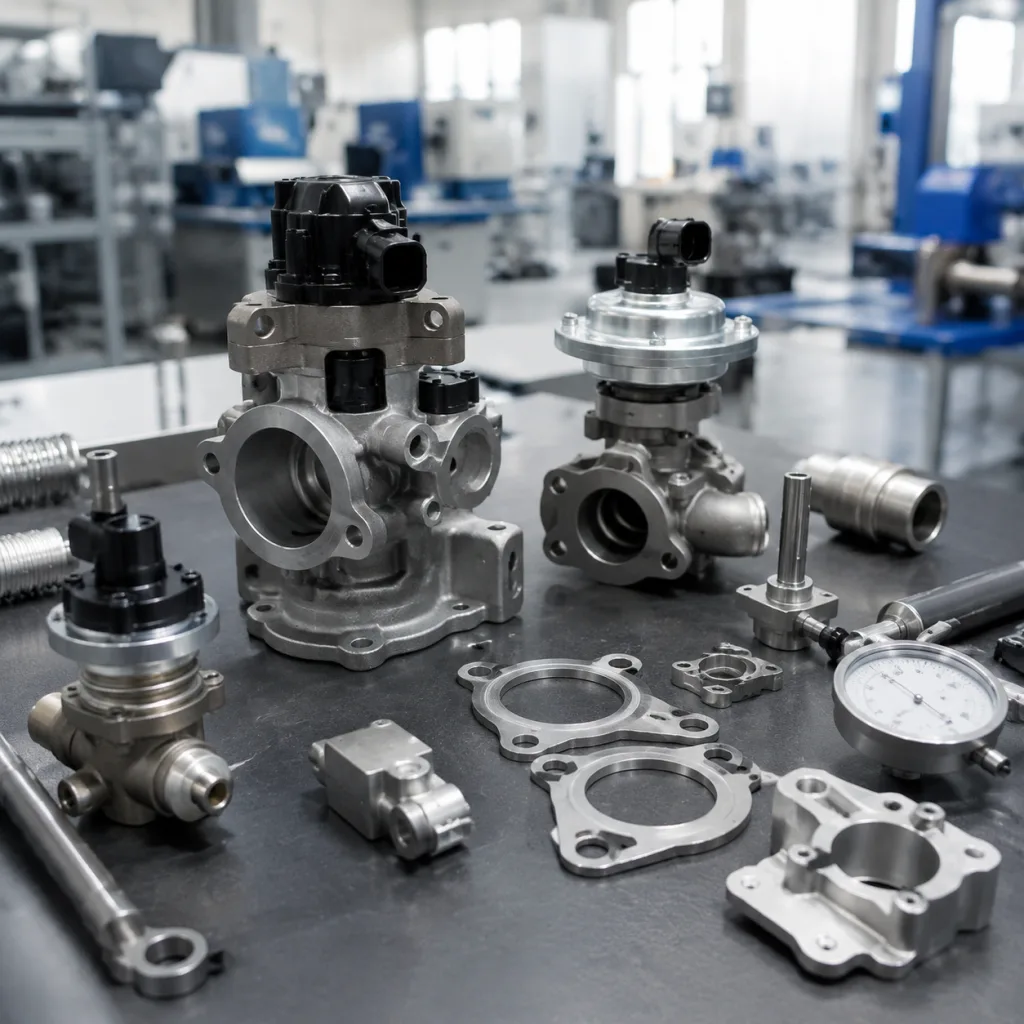
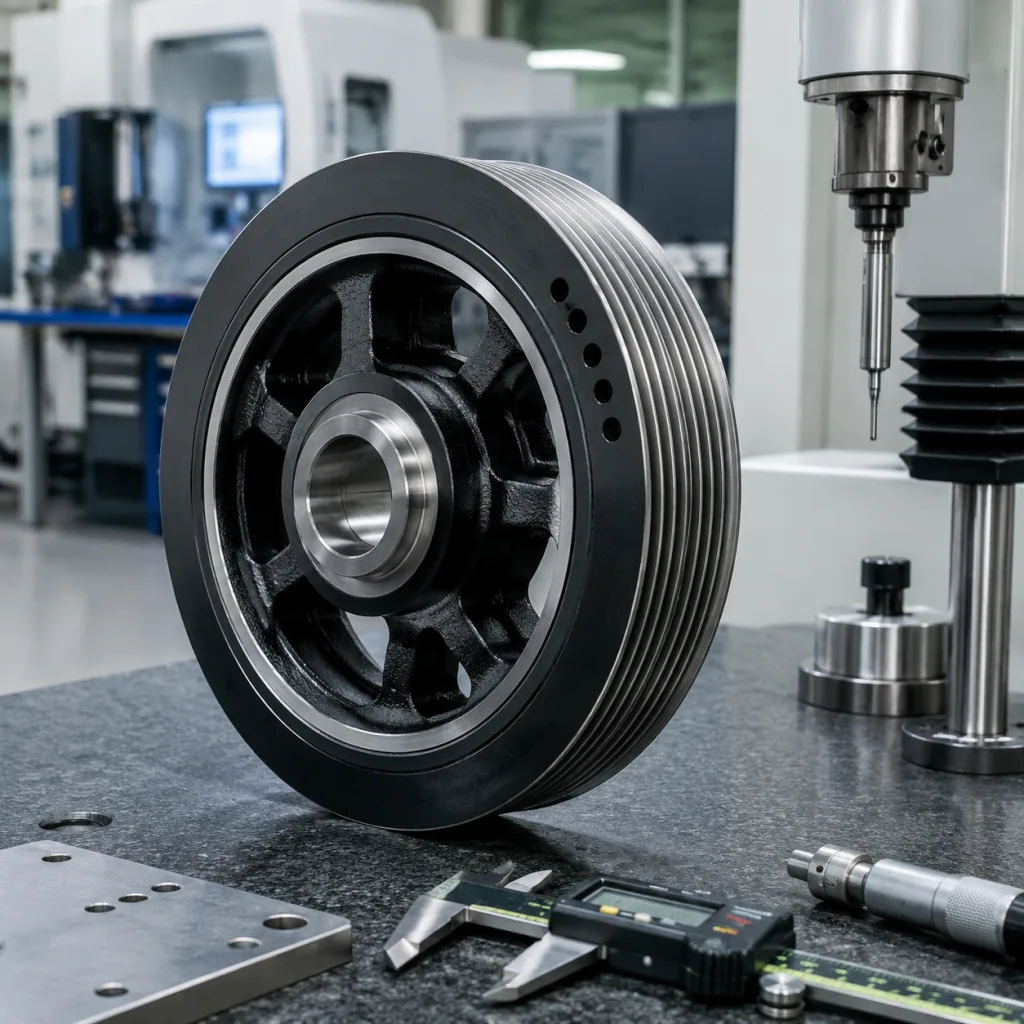
For procurement teams, REACH compliance for thrust washer sourcing is not a product-page claim. It is a controlled evidence trail that starts with the base alloy, coating, lubricant, cleaning chemistry, and packaging, then follows the washer through lot traceability, revision control, and supplier change notices. Buyers should require a part-specific declaration, current Candidate List status, and proof that the approved drawing revision, material route, and finish have not changed without notice. Driventus is an independent aftermarket manufacturer; brand names are referenced for fitment only. This distinction matters because a washer used in an engine, transmission, pump, or compressor stack can be affected by a small change in steel grade, bronze alloy, anti-corrosion treatment, forming oil, or VCI packaging. The guidance below explains what to verify, which records to request, and how to keep an approved thrust washer ready for EU, UK, and export programmes under IATF 16949:2016, ISO 9001:2015, and REACH (EC) No 1907/2006.
What REACH covers for this part
REACH applies to substances in articles. For a thrust washer, the practical question is whether any restricted substance or substance of very high concern is present above the relevant threshold in the washer, its surface treatment, any residual lubricant, or packaging that may contact the part.
A strong procurement file should connect three items: the exact part number and revision, the substance status for that revision, and a dated supplier declaration checked against the current Candidate List. If your programme supplies the EU or UK, apply the same discipline to repeat shipments as you do to first-article approval, because compliance status can change when either the regulation or the manufacturing route changes.
The important point is that compliance is part-specific. A washer made from one steel grade with phosphate and oil is not automatically equivalent to a washer using zinc plating, black oxide, a different rust preventive, or a new forming lubricant. When the source, finish, process route, or packaging changes, the REACH file should be reviewed before the part is released.
Materials and substances to check
Most documentation gaps appear when buyers review only the base metal. A thrust washer may look simple, but its compliance profile includes every material that remains on the article or can reasonably contaminate it during storage and shipment.
Item
What to verify
Why it matters
Base material
Steel, bronze, bimetal, or composite grade against the approved drawing
A material substitution can change wear performance, load capacity, and substance status
Surface treatment
Phosphate, zinc, black oxide, nitriding, passivation, or other finish chemistry
Coatings and conversion layers can introduce restricted metals, additives, or process residues
Lubricant or protective oil
SDS, composition status, application point, and whether residue remains on the shipped washer
Oils and rust preventives may contain restricted additives or substances requiring disclosure
Packaging
Bags, labels, inks, desiccants, separators, and VCI papers
Packaging can transfer chemicals, create contamination risk, or leave a documentation gap
Process aids
Cleaners, release agents, forming compounds, and handling products
These are often excluded from broad supplier statements even when residues may remain
</tr></thead><tbody> </tbody></table>If the washer includes a polymer backing, adhesive, bonded layer, or composite wear face, extend the review to phthalates, SVHC screening, flame retardants where relevant, and restricted additives in the non-metallic layer. For many steady supply programmes, risk-based screening supported by supplier declarations is sufficient. For higher-risk applications, new suppliers, or unfamiliar coatings, add targeted third-party analytical testing on the treated surface or finished article.
Supplier documents to request
A useful compliance file is concise, current, and tied to the exact part supplied. Generic declarations for a product family are weak evidence if they do not name the part number, drawing revision, finish, and issuing date.
Minimum file pack
REACH declaration linked to the part number, drawing revision, and finish
Statement against the current Candidate List and applicable restricted substance requirements
Material declaration for the base alloy, bonded layers, and all applied treatments
SDS or controlled substance information for oils, coatings, cleaners, VCI materials, and packaging compounds
Lot traceability record connecting the shipped quantity to the declared route
Change notification commitment covering material, process, coating, packaging, subcontractor, and site moves
Use the same file structure for regular purchases, whether you buy from our catalog or source a custom washer through custom manufacturing. Consistent records help procurement, quality, engineering, and customs teams work from the same evidence when a supplier requests reapproval or a customer asks for substance data.
If you already operate an approved vendor process, mirror the file in your quality system. The same documents can then support incoming inspection, supplier audits, PPAP-style reviews where applicable, and export checks without rebuilding the file for each enquiry.
Inspection, traceability, and change control
REACH documentation does not replace physical inspection; it complements it. At receipt, confirm the part number, revision, finish, packaging condition, and lot identity before the washers enter stock or are kitted into assemblies.
A practical inspection routine for thrust washers includes:
Visual check for finish uniformity, corrosion, staining, oil bleed, mixed lots, and foreign material
Dimensional verification against drawing values for thickness, outside diameter, inside diameter, flatness, and surface features
Label and lot match to the supplier declaration, packing list, and purchase order revision
Retained sample storage for the current approved revision and finish route
Escalation rule for any change to material source, heat treatment, coating, lubricant, packaging, subcontractor, or plant
For metallic washers, XRF screening can help identify lead, cadmium, chromium, bromine, or unexpected alloying elements on accessible surfaces. It is a screening tool, not proof of full REACH compliance, because it may not identify all organic substances, thin residues, or layered materials. The strongest control point is change management: if the supplier changes steel source, bronze grade, heat treatment, coating bath, rust preventive, cleaning process, or packaging oil, refresh the compliance file before the next shipment is approved.
How Driventus supports sourcing
Driventus supplies thrust washers within a wider engine and powertrain component range, with documentation structured for industrial buyers, distributors, and repair networks. The objective is practical: stable fitment, controlled revisions, clear lot history, and a paper trail that can stand up to procurement, quality, and customer review.
We work to IATF 16949:2016 and ISO 9001:2015 processes, and we can align part documentation with your internal approval format. If you need a standard item, start with our catalog. If your programme requires a non-standard thickness, material stack, groove pattern, coating, surface finish, or pack format, use custom manufacturing so the technical and compliance controls are defined before production.
Driventus is an independent aftermarket manufacturer; brand names are referenced for fitment only. For teams comparing engine family fitment options, the relevant category is engine components. When you are ready to price the part file, use request a quote and include the drawing, target volume, destination market, and any required declaration format so commercial review and compliance evidence stay attached to the same enquiry.
Frequently asked questions
No. REACH covers substances in articles, restricted substance controls, and supplier communication for SVHCs. RoHS is a separate regime for electrical and electronic equipment. A thrust washer normally needs a REACH-focused file unless it is supplied as part of an electrical or electronic assembly with separate RoHS obligations.
Usually not. For stable supply, a current declaration, controlled revision, and lot traceability are often enough. Add testing when the material, coating, plant, subcontractor, lubricant, or packaging changes, or when customer, regulatory, or application risk requires independent verification.
The most common gap is a generic declaration that does not identify the exact part revision and finish. Missing evidence for coatings, oils, cleaning residues, or packaging compounds is also common. Both issues can be reduced by linking the declaration to the shipped lot, approved drawing, and current process route.
If you need a documented thrust washer supply file for EU, UK, or export programmes, send the drawing, target volume, destination market, and required revision controls. Use [request a quote](/contact.html) to start the technical and compliance review.