EGR Cooler Toyota Supplier: Sourcing and Quality Checks
When you are evaluating an egr cooler toyota supplier, price should come after technical fit, process control, and evidence of repeatable performance. The cooler must match the engine variant, coolant and exhaust interfaces, emissions configuration, mounting points, and durability expectations for the target market. A near-match can create installation problems, higher backpressure, insufficient heat transfer, coolant leakage, or premature cracking under thermal cycling.
Driventus supplies aftermarket engine and powertrain components for B2B buyers that need stable specifications, documented inspection, and predictable replenishment. Driventus is an independent aftermarket manufacturer; Toyota and related brand names are used only to identify fitment. For procurement teams, the most useful early filters are OE cross-reference accuracy, leak and pressure test data, material confirmation, drawing revision control, lead time, packaging capability, and lot traceability. A qualified supplier should be able to answer those points clearly and provide documents for audit, customer onboarding, or private-label approval.
The sections below explain what to verify before issuing an RFQ, how to compare supplier capability, and which technical details help shorten sample approval and first-order release.
What buyers should verify first
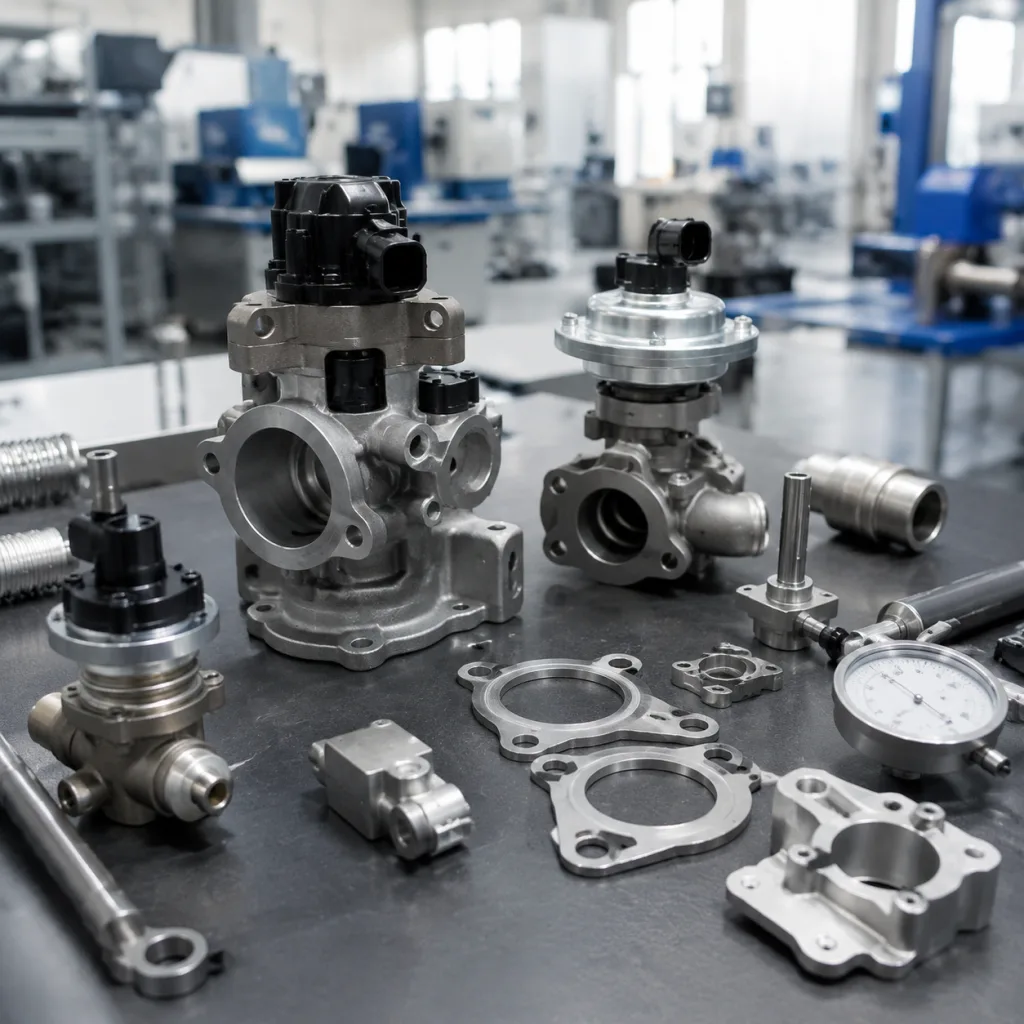
For aftermarket supply, the key question is not whether the cooler looks similar in photos. The question is whether it performs reliably under exhaust heat, coolant pressure, soot contamination, vibration, and repeated expansion and contraction. Small changes in tube geometry, plate thickness, weld penetration, brazing quality, or internal fin design can affect restriction, heat rejection, pressure retention, and crack resistance.
Start with the exact application data. Confirm engine code, production range, emissions level, transmission-related fitment differences where relevant, inlet and outlet orientation, flange shape, sensor or valve interfaces, mounting bracket position, and gasket compatibility. OE and aftermarket reference numbers are useful, but they should not replace dimensional confirmation when more than one variant exists.
Also ask how the supplier controls fitment updates. A reliable egr cooler toyota supplier should keep revision records, separate similar references, and identify which drawings or samples were used for development. This matters when your catalogue covers multiple Toyota diesel platforms or regional emissions packages, because one visual family may contain several non-interchangeable versions.
Manufacturing controls that matter
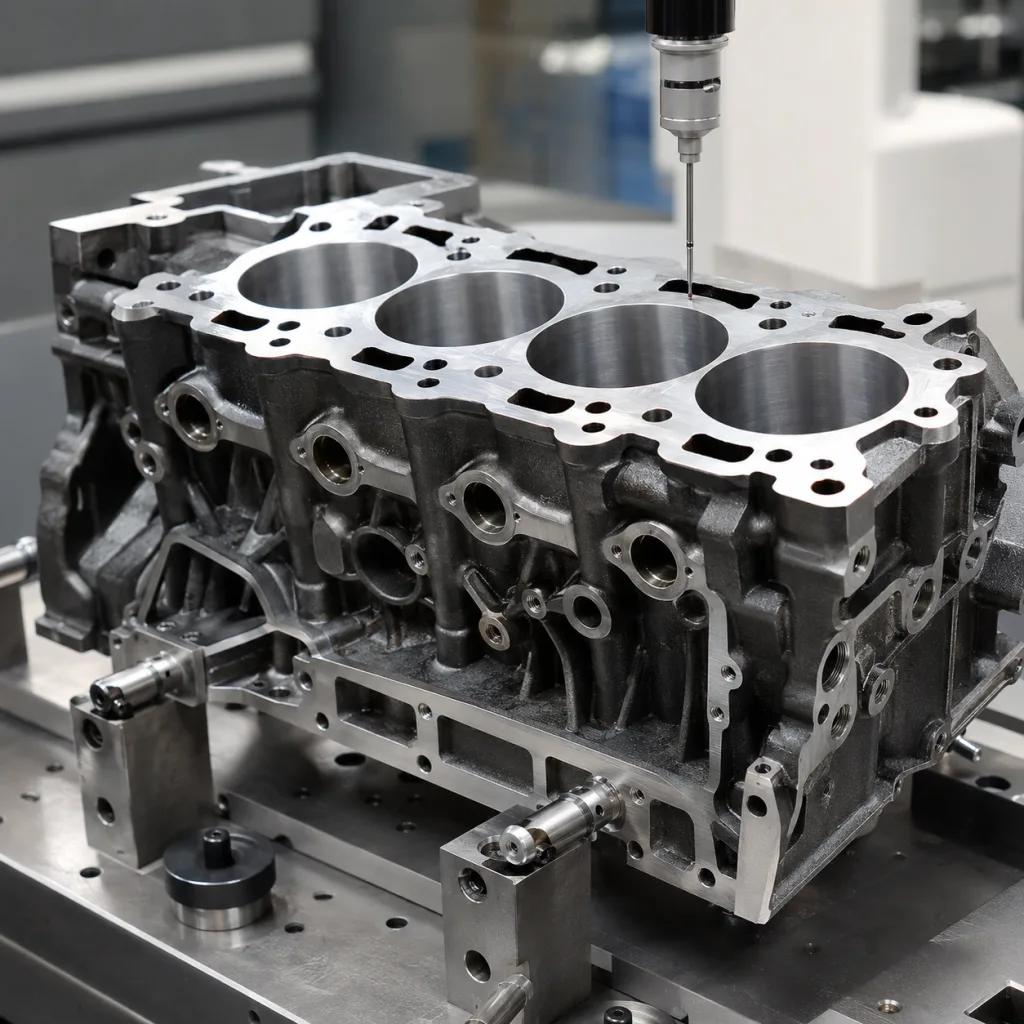
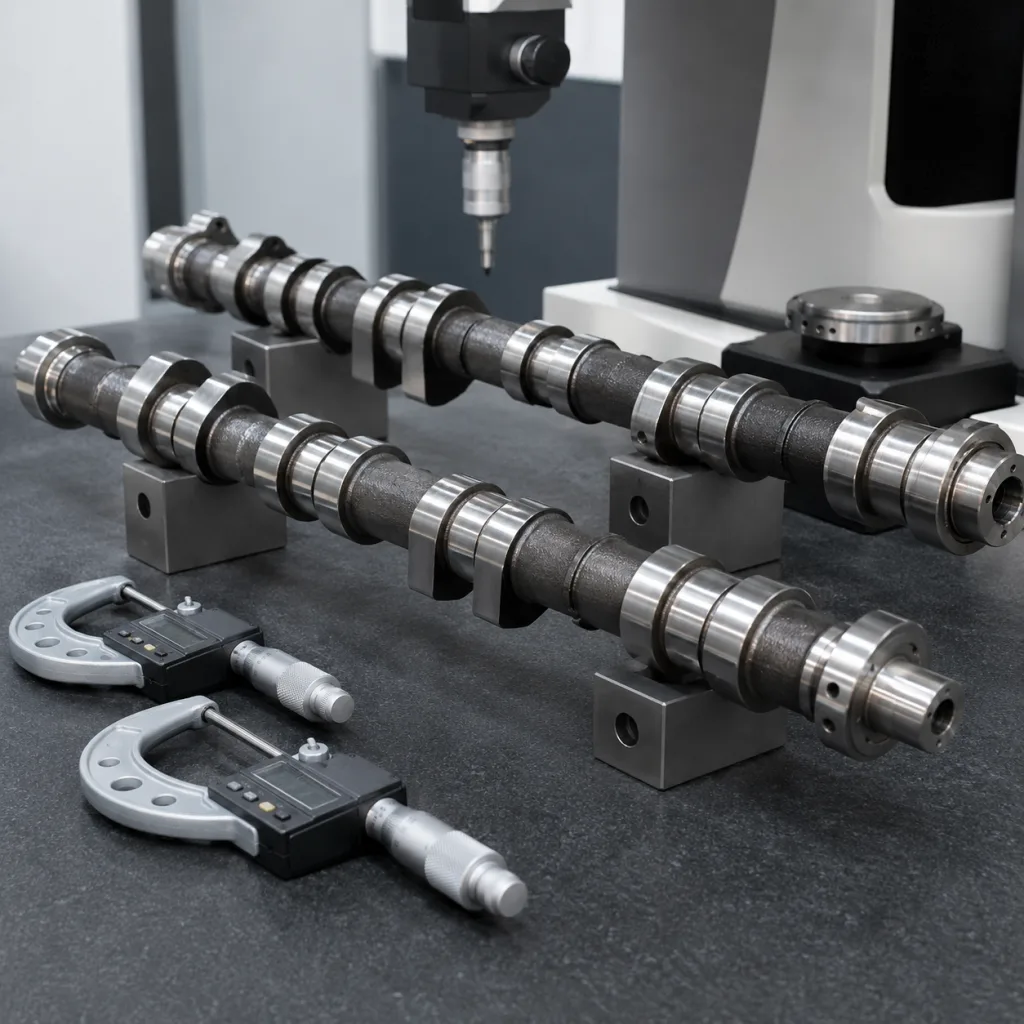
A factory review should focus on the process steps that directly influence field reliability. For EGR coolers, those include incoming material checks, tube forming, core assembly, brazing or welding parameters, flange machining, dimensional inspection, pressure retention, leak testing, cleaning, drying, corrosion protection, and final packing verification. Calibration records should be available for gauges, test benches, torque tools, and inspection fixtures used in production.
Ask whether each lot is checked against defined acceptance criteria rather than informal operator judgement. Pressure and leak testing should specify the medium, pressure level, hold time, temperature condition if applicable, and rejection limit. Dimensional inspection should cover critical interfaces such as flange flatness, bolt-hole position, pipe angle, hose connection diameter, and bracket location.
Quality-system certification can support supplier screening, but it should not be treated as a substitute for part-level evidence. IATF 16949:2016 alignment, ISO 9001 processes, PPAP-style records, control plans, inspection reports, and traceability labels all help buyers understand how repeatability is managed. For distribution programmes, consistent packing is also important because bent pipes, damaged flanges, or contaminated ports can create avoidable returns even when the cooler itself was manufactured correctly.
Specification points that affect service life
A supplier-ready specification sheet should define the drawing revision, OE or interchange reference, material grade, wall thickness where relevant, critical dimensions, surface finish or coating requirements, test method, measured results, and acceptance criteria for each lot. This structure makes quotes easier to compare and reduces the risk that a lower price hides weaker testing, thinner material, or incomplete packaging.
Service life is strongly influenced by thermal fatigue resistance, corrosion resistance, weld or braze consistency, and the cooler’s ability to manage soot and condensate without excessive restriction. Stainless steel grades, joint design, internal tube construction, and post-process cleaning all affect durability. If the target market includes high-mileage vehicles, poor fuel quality, frequent short trips, or demanding duty cycles, ask whether the supplier has validation data beyond a simple visual inspection.
For regulated markets, documentation may also need to include material declarations, REACH (EC) No 1907/2006 support, RoHS statements where requested by the customer, and packaging compliance data. These documents do not prove fitment by themselves, but they help importers, distributors, and private-label customers complete onboarding without repeated follow-up.
Lead times, MOQ, and supply model
A practical sourcing plan separates sample approval, pilot order, and production release. This gives your team time to verify installation points, packaging strength, labelling accuracy, service response, and document quality before committing to a larger forecast. It also helps the supplier reserve capacity and raw materials based on real demand rather than a one-time enquiry.
Lead time depends on whether the part is in regular production, whether tooling or fixture changes are needed, and whether packaging is standard or customer-specific. For stocked references, the main variables are inspection release, carton configuration, and export preparation. For new or low-volume references, add time for sample build, validation, packaging artwork, and any customer approval process.
Discuss MOQ, annual volume, call-off schedule, safety stock, and mixed-container options early. A strong egr cooler toyota supplier should be able to explain which items are stable movers, which require forecast support, and how traceability is maintained across split shipments. For wholesalers and repair networks, replenishment reliability can be as important as the first unit price because backorders quickly affect catalogue availability and customer trust.
RFQ data that shortens approval time
Toyota applications often require tight control across engine families, model years, and regional emissions configurations. If your team manages several engine platforms, keep the RFQ structured with one reference per line item so drawings, samples, prices, and test records do not become mixed. Clear line-item control also makes it easier to compare quotes from multiple factories.
For each item, send the engine code, OE reference, required quantity, target market, expected annual volume, packaging preference, label or barcode requirements, delivery terms, and any customer-specific documentation needs. If available, include photos of the original unit, dimensions of critical interfaces, gasket references, and notes on known installation issues. The more precise the input, the faster the supplier can confirm interchangeability or flag a variant risk.
Before approval, request a sample report that includes dimensions, pressure or leak test results, material confirmation, packing photos, and traceability information. For private-label programmes, add carton artwork, pallet configuration, barcode format, and warranty handling expectations. This keeps the quotation tied to a defined supply scope rather than a generic part description.
Frequently asked questions
Yes. Supply is available for B2B channels, including distributors, wholesalers, repair networks, and private-label programmes. Fitment is controlled by engine code and OE cross-reference, not by generic model naming.
At minimum, ask for the quality certificate set, test record, material declaration where required, and traceability details. For Europe, REACH (EC) No 1907/2006 support is commonly requested.
Yes. Packaging, labelling, and drawing-based changes can be handled through the OEM workflow. Share your target carton spec, barcode format, and forecast volume before quotation.
If you are comparing suppliers for a Toyota application, send the engine code, OE reference, and annual volume so we can return a documented quotation. [request a quote](/contact.html)
Request a Quote