diagnostics · 2026-06-07

How to Diagnose DPF Clogging in Diesel Fleets

Diesel particulate filter problems are often treated as a single failed part, but a blocked filter is usually the visible result of a wider combustion, sensor, oil control or duty-cycle issue. For importers, repair chains and fleet procurement teams, the cost risk is not just the filter price. It includes repeat warranty claims, vehicle downtime, unnecessary sensor replacement, failed emissions checks and unclear return evidence. A structured diagnostic route helps separate ash-loaded filters from temporary soot accumulation, biased differential pressure readings, exhaust leaks and regeneration failures. This article explains how to diagnose dpf clogging using scan data, physical inspection and replacement decision points. It also outlines what buyers should verify when sourcing DPF-related diagnostic components and replacement parts. Driventus is an independent aftermarket manufacturer; brand names are referenced for fitment only.

Start With the Operating Symptoms

A blocked DPF should not be diagnosed from a dashboard warning alone. The first step is to record operating symptoms, vehicle history, duty cycle and recent repair activity. Procurement teams reviewing warranty returns should ask repair locations to capture this information before parts are removed, because the symptom pattern often shows whether the filter is the root problem or the part receiving the damage.

Common signs include:

  • Reduced engine torque under load, especially above 2,000 rpm
  • Frequent, interrupted or failed active regeneration events
  • Increased fuel consumption after repeated regeneration attempts
  • Engine oil level rise caused by post-injection fuel dilution
  • Exhaust temperature readings that do not reach regeneration thresholds
  • Diagnostic trouble codes linked to differential pressure, exhaust gas temperature or soot load calculation
  • Limp-home strategy after calculated soot mass exceeds the control limit
  • Noticeable exhaust smell, turbo lag or poor response after short-trip operation

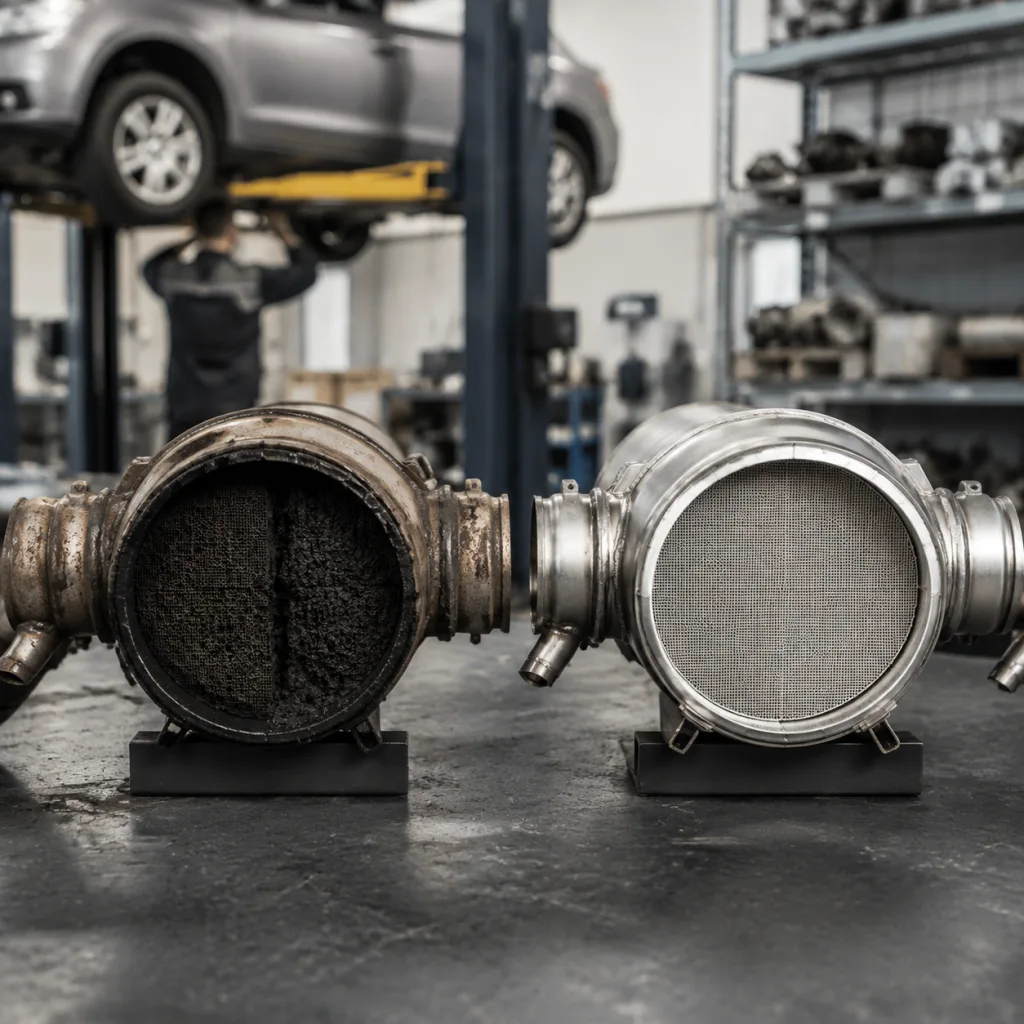
The key distinction is soot versus ash. Soot is carbon-rich particulate matter and can often be oxidised during a successful regeneration cycle when exhaust temperature, oxygen availability and fuel control are correct. Ash is inorganic residue from oil additives, fuel contaminants and normal engine wear; it does not burn off during regeneration. A filter may be heavily ash-loaded even if it has little fresh soot accumulation. This is why service mileage, oil specification compliance, previous regeneration records and the vehicle’s route profile all matter when deciding whether cleaning, repair or replacement is justified.

Use Scan Data Before Removing Parts

The diagnostic scan should be performed with a tool that can read manufacturer-specific live data, not only generic emissions codes. SAE J1979 defines standard OBD service modes, but DPF diagnosis normally requires additional live values such as calculated soot mass, ash loading, regeneration status, differential pressure and exhaust gas temperature. These values are calibration-dependent, so the scan result must be compared with the service information for the exact engine and emissions level.

Useful live data points are listed below. Exact thresholds vary by engine calibration, load condition and test temperature.

</tr></thead><tbody> </tbody></table>If the scan data shows impossible values, such as negative pressure, fixed temperature, no pressure change under load or soot mass that does not respond after a completed regeneration, inspect the sensor circuit before condemning the DPF. A replacement filter will not solve a failed pressure sensor, blocked pressure hose, wiring fault or cracked exhaust pipe upstream of the sensor take-off. For warranty control, the scan report should be saved with the claim so the decision is based on recorded evidence rather than the warning lamp alone.

Measure Backpressure and Inspect the Sensor System

Physical backpressure testing provides evidence when scan data is inconclusive or when a distributor needs objective proof before approving a replacement. Testing should be done with the correct adapter at the pressure take-off or oxygen sensor port, following the vehicle service procedure. The engine should be tested at idle and elevated rpm, and results should be logged with engine temperature, rpm, test point and any active fault codes.

Before removing the filter, inspect the differential pressure system:

  • Check silicone or metal pressure pipes for splits, melting, kinks and soot blockage
  • Confirm that hoses are connected to the correct high- and low-pressure ports
  • Inspect electrical connectors for corrosion, water ingress, damaged seals and loose terminals
  • Compare sensor voltage or digital output at key-on, idle and raised rpm
  • Look for exhaust leaks before the DPF that can distort pressure readings
  • Confirm that pressure lines are not swapped after recent repair work

This is the practical core of how to diagnose dpf clogging: pressure must be interpreted with sensor plausibility, not treated as a single number. A high-pressure reading with a visibly blocked hose may be a false signal. A low reading with poor vehicle performance may indicate a cracked substrate, bypass leakage or a sensor that is not responding. A reading that rises sharply with rpm is more meaningful than an idle-only value, especially on vehicles that spend much of their time in urban service.

For multi-location repair chains, Driventus recommends a standard diagnostic worksheet for every DPF-related claim. The worksheet should include fault codes, live data screenshots, pressure readings, mileage, oil grade, duty cycle, recent repair history and photographs of removed components. That evidence helps procurement teams distinguish a legitimate product issue from installation error, upstream engine damage or incomplete diagnosis.

Find the Root Cause Before Replacing the Filter

A DPF can clog because the filter is at its service-life limit, but many premature failures are caused by upstream faults. If the cause is not corrected, a new filter may return with the same symptoms within weeks. This is especially important in fleet service, where vehicles often share routes, fuel sources, oil practices and maintenance habits.

Typical root causes include:

  • Faulty injectors causing over-fuelling and excessive soot
  • Turbocharger oil leakage increasing ash and hydrocarbon load
  • EGR valve faults raising particulate output
  • Incorrect low-SAPS oil specification or extended oil intervals
  • Thermostat faults preventing the engine from reaching stable operating temperature
  • Short urban duty cycles that do not allow passive regeneration
  • Exhaust temperature sensor failure preventing active regeneration
  • DPF differential pressure sensor drift or hose blockage
  • Intake leaks, boost control faults or air-metering errors that affect combustion quality

ECE R-83 is one of the regulatory references connected with emissions control for light-duty vehicles in markets using UN/ECE frameworks. It does not provide a workshop diagnosis method, but it reinforces why the DPF, sensors and calibration must be treated as an emissions system rather than an isolated exhaust part. Depending on market and vehicle category, buyers may also need to consider local type-approval, inspection and replacement-part rules before specifying DPF-related components.

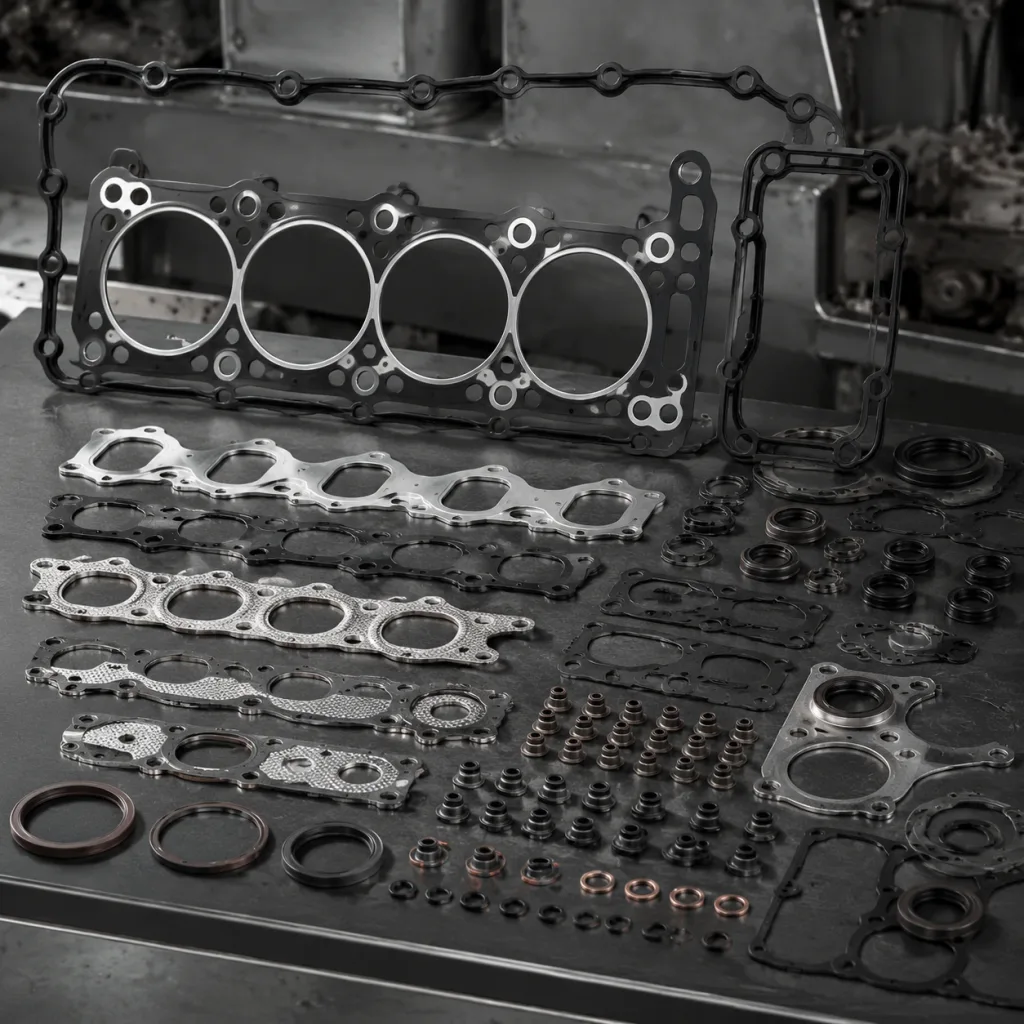
When sourcing replacement diagnostic sensors, gaskets, clamps, turbocharger parts or related engine components, buyers can review our catalog for application coverage and part-family options. For programmes requiring drawings, material changes, private labelling or packaging control, custom manufacturing can be used to align supply with importer or fleet requirements.

Replacement Criteria for Procurement Teams

Replacement is justified when test evidence shows the filter cannot recover through normal service procedures or controlled regeneration. The decision should be documented, especially where parts are supplied through a distributor warranty channel or where repair shops are reimbursed for emissions-system work.

A practical replacement checklist:

  • Differential pressure remains above the service limit after forced regeneration and correct sensor validation
  • Ash loading has reached the application’s service limit
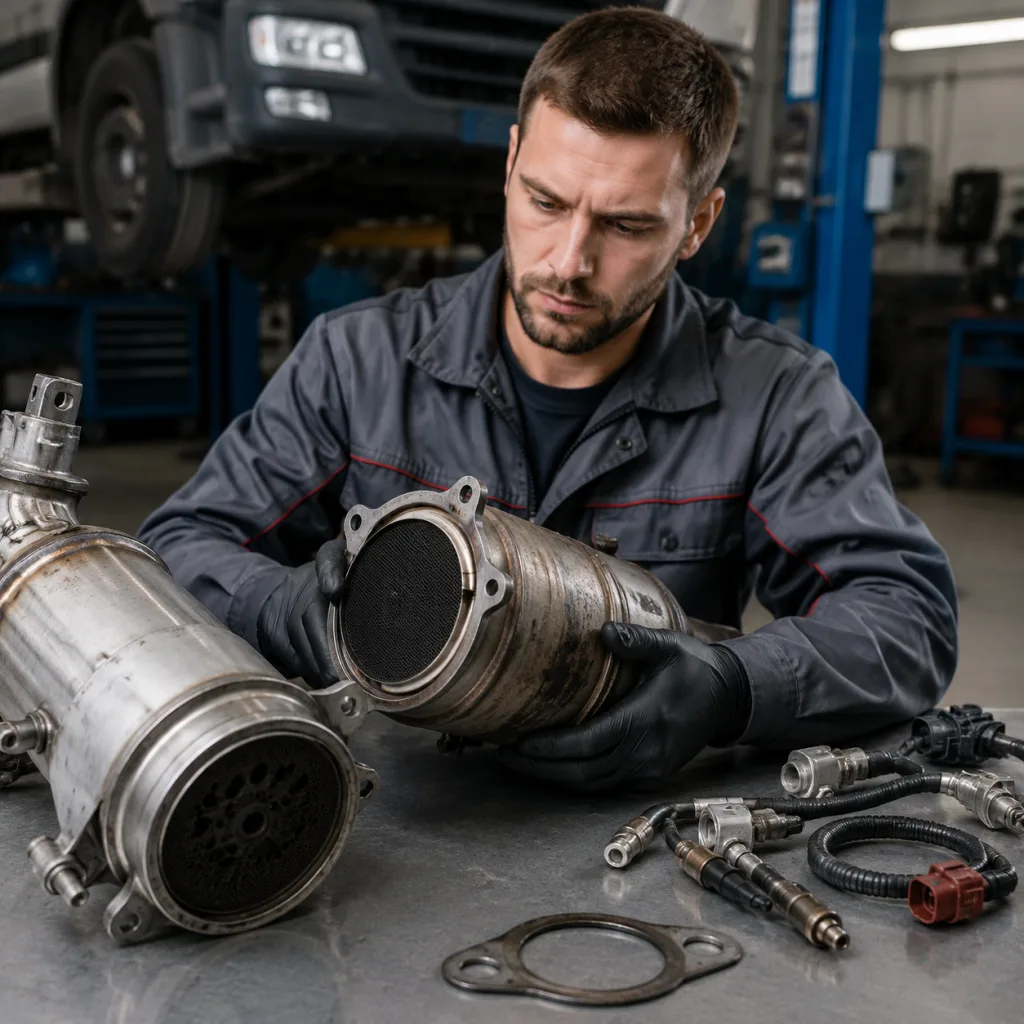
  • Substrate is cracked, melted, oil-soaked or internally collapsed
  • The filter has been cleaned previously and capacity loss has returned quickly
  • Upstream root causes have been corrected and verified
  • Associated gaskets, clamps and pressure lines are replaced where specified
  • ECU adaptations or learned values are reset according to service procedure
  • Post-repair scan data confirms normal pressure, temperature and regeneration behaviour

Parts quality is also a procurement issue. DPF-related components should be supplied under controlled incoming inspection, traceable production and documented process checks. Driventus operates under IATF 16949:2016 and ISO 9001:2015, with production control, supplier management and inspection records covered by our quality system. Materials and chemical compliance may also need to consider REACH (EC) No 1907/2006 for EU-market supply chains.

For aftermarket fitment, OE references should be used only as cross-reference identifiers where available, for example OE 06A... style references in catalog data. Driventus is an independent aftermarket manufacturer; brand names are referenced for fitment only. Buyers should confirm application data, emissions configuration, sensor port layout and installation hardware before approving bulk orders, because small fitment differences can create large return costs in a distributed repair network.

Build a Repeatable DPF Diagnostic Policy

For distributors and repair networks, the strongest cost control comes from consistent evidence. A policy should state which measurements are required before replacement, which parts must be inspected together and how claim photographs are stored. It should also define who can approve a filter replacement, when cleaning is allowed and what information must travel back to the supplier.

Recommended policy elements include:

  • Minimum scan report requirements before part removal
  • Backpressure test method and acceptable measurement points
  • Required inspection of pressure hoses, EGT sensors and exhaust leaks
  • Root-cause checks for injector, turbocharger, EGR and oil specification issues
  • Clear acceptance rules for cleaned versus replaced filters
  • Packaging and labelling requirements for returned parts
  • Batch traceability for replacement components supplied to each branch or customer
  • Post-repair confirmation data after regeneration or replacement

This structure helps buyers compare suppliers on more than unit price. A low-cost replacement part can become expensive if it increases repeat repairs, produces unclear claim evidence or lacks stable fitment documentation. For buyers building a diesel emissions service programme, the goal is a controlled process: diagnose the fault, verify the cause, replace only when needed and track every return with enough data to improve sourcing decisions.

Teams evaluating supply options for DPF-adjacent parts, sensors, gaskets, turbocharger components and engine repair items can request a quote with target applications, annual volume, packaging requirements and market destination. A clear diagnostic policy also gives suppliers better information, which makes application review, quality feedback and future stocking decisions more reliable.

Frequently asked questions

No. Regeneration can reduce soot when temperature, fuel control and sensor inputs are correct. It cannot remove ash, repair a melted or cracked substrate, or solve upstream causes such as injector faults, turbo oil leakage, low operating temperature or incorrect oil specification.

Record fault codes, live differential pressure, soot and ash estimates, exhaust temperature data, regeneration history, mileage, oil grade, duty cycle, backpressure test results and photographs of pressure hoses and connectors. This evidence supports warranty control and supplier evaluation.

No approval or endorsement by a vehicle manufacturer is claimed. Driventus supplies independent aftermarket components and related engine parts under controlled quality systems; brand names and OE-style references are used for fitment identification only.

For diagnostic-part sourcing, application review or volume supply discussions, send target models, annual demand and compliance requirements to Driventus through /contact.html

Request a Quote
Data point What to check Procurement relevance
Differential pressure at idleExcessive pressure may indicate restriction or a biased sensorHelps identify sensor return patterns before approving claims
Differential pressure at 2,500 rpm no loadRising pressure confirms flow restriction more clearly than idle onlySupports objective replacement decisions
Calculated soot massHigh value with recent failed regeneration indicates incomplete burn-offSeparates filter restriction from control-system faults
Ash loading estimateHigh value suggests end-of-life storage capacity lossImportant for fleet lifecycle planning
Exhaust gas temperature sensorsPlausible temperature rise before and during regenerationPrevents unnecessary DPF replacement when a sensor is faulty
Regeneration distance or countVery short intervals point to upstream combustion, oil or duty-cycle issuesReduces repeat failures after part replacement
Engine coolant temperatureLow operating temperature can prevent normal regeneration logicHighlights thermostat and operating-condition faults