Engine Valve Specifications: Dimensions, Materials, Tolerances
Engine valve specifications decide whether a valve fits, seals, and survives the intended duty cycle. For procurement teams, the useful data set is not just the part name; it is head diameter, stem diameter, overall length, margin thickness, face angle, stem straightness, hardness, runout, seat contact width, coating requirement, and the tolerance band on each critical dimension. Material choice matters too, especially for exhaust valves that live under sustained heat, corrosion, and combustion load. Driventus supplies valves for aftermarket, OEM, and Tier-1 programs under controlled production aligned with IATF 16949:2016 and ISO 9001:2015. Driventus is an independent aftermarket manufacturer; brand names are referenced for fitment only. This article focuses on what buyers should verify before sample, pilot, or volume orders, including the commercial checks that help sourcing teams compare suppliers and reduce risk.
Start With the Dimensions That Actually Control Fit
The first question is not whether a valve looks right in a catalog. It is whether the geometry matches the seat, guide, and installed height in the engine. Small deviations change airflow, sealing, spring load, thermal transfer, and valve-to-piston clearance.
| Parameter | Typical buyer check | Practical tolerance guidance | Why it matters |
|---|---|---|---|
| Head diameter | Match to seat and chamber | Typically within ±0.02 mm to ±0.05 mm on controlled programs | Controls airflow and sealing area |
| Stem diameter | Match guide bore | Commonly held to +0.000/-0.005 mm or a similar fit class depending on guide design | Affects oil control, lash, and wear |
| Overall length | Compare to installed height | Often ±0.05 mm to ±0.10 mm | Influences spring load and geometry |
| Face angle | Match seat machining | Commonly 45° for standard valves, 30° on some performance intake valves | Must match seat geometry |
| Margin thickness | Measure at head edge | Usually controlled by application; buyers should define a minimum margin, not just a nominal value | Affects heat capacity and durability |
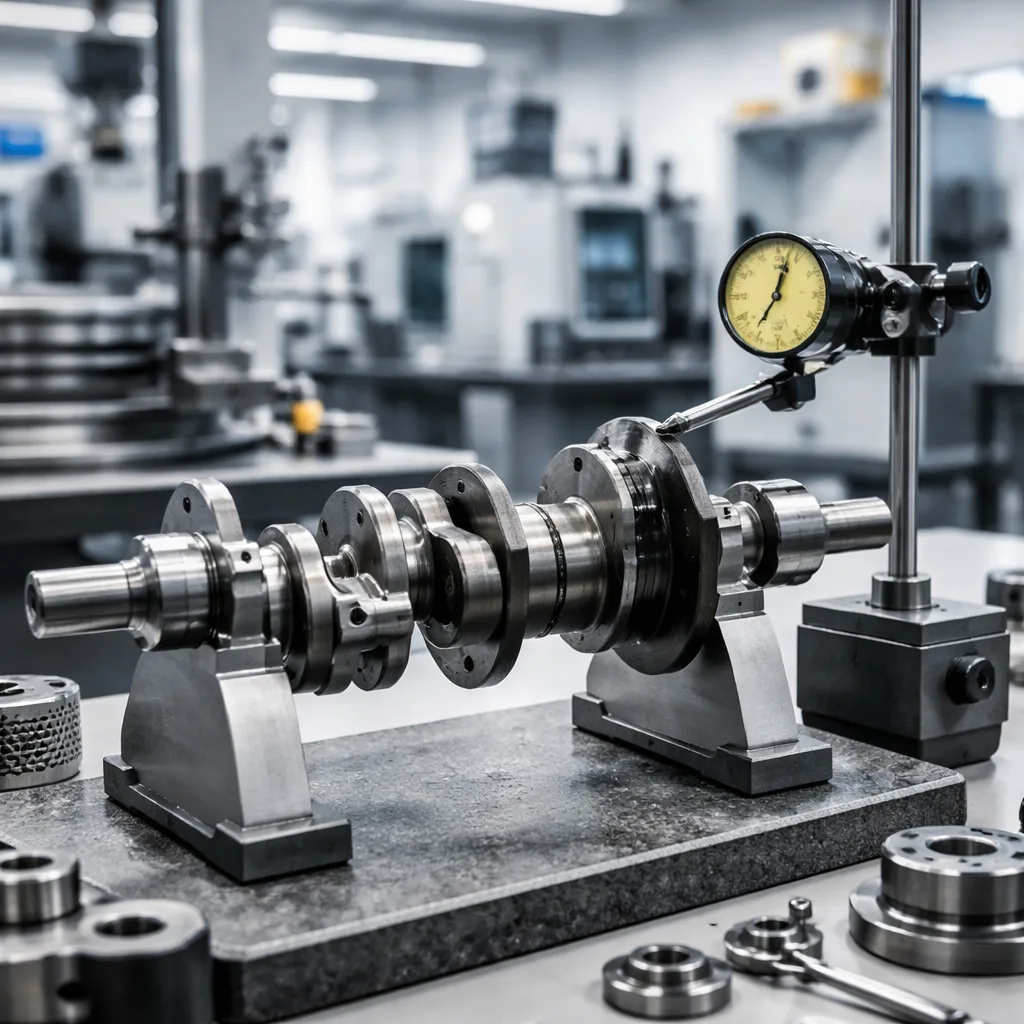
| Stem straightness | Check with runout fixture | Frequently ≤0.03 mm total indicator reading on light-duty passenger programs; tighter on performance parts | Prevents guide wear and sealing issues |
| Concentricity/runout | Measure stem to face | Often ≤0.03 mm to ≤0.05 mm TIR depending on application | Protects sealing consistency |
| Stem tip hardness | Verify after heat treatment | Buyer should request a specified hardness range and method, not just “hardened” | Reduces tip recession and wear |
| Seat contact width | Blue-check or contact pattern | Defined by seat design; many programs target a narrow, even contact band | Confirms heat transfer and sealing |
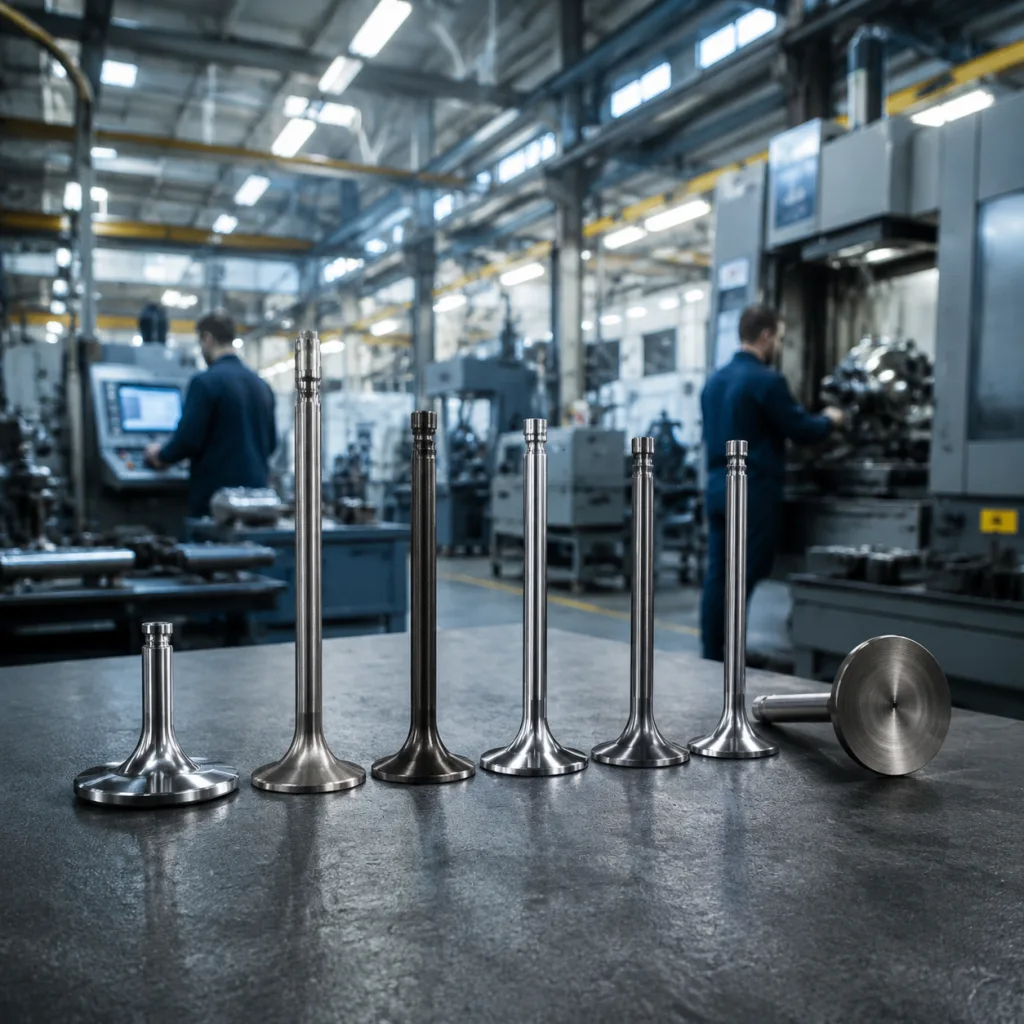
| Item | Intake valve | Exhaust valve |
|---|---|---|
| Temperature exposure | Lower | Higher |
| Material priority | Low mass, corrosion resistance | Heat resistance, oxidation resistance, creep resistance |
| Surface wear concern | Guide wear and deposit build-up | Seat recession, face burning, tip wear, and tuliping |
| Weight sensitivity | High | Moderate |
| Common failure mode | Stem wear, deposit build-up, sticking | Burnt face, tuliping, crack initiation, margin loss |
| Typical inspection focus | Stem size, finish, guide fit | Face integrity, hardness, head margin, heat-treatment consistency |