A low compression result seldom points to a single fault. Rings, valves, head gasket sealing, cylinder bore condition, and even the test method can all move the reading. When an engine compression test failure engine bearing concern appears alongside low oil pressure, knock, or metal in the oil, the bearing system becomes part of the diagnosis rather than a separate issue. A worn main or rod bearing usually does not reduce static compression directly; instead, it points to oil starvation, crankshaft damage, or a seizure event that can spread damage through the lower end and into the cylinders. Driventus is an independent aftermarket manufacturer; brand names are referenced for fitment only. For procurement teams and repair shops, the practical decision is whether the engine can return to service with measured clearances and verified parts, or whether the crankshaft, bearing shells, and related components need replacement as a matched set.
What A Low Compression Reading Can And Cannot Prove
Compression testing answers one narrow question: can the cylinder hold pressure under the chosen test method? It does not identify every mechanical fault. A damaged valve seat, worn piston rings, leaking head gasket, cracked piston, poor valve timing, or heavy bore wear can all lower the result. Bearing wear is different. Main and rod bearings usually affect oil pressure, crankshaft support, and noise long before they influence compression.
Use the compression reading as the starting point for a broader diagnosis:
Reading pattern
Most likely direction
Next check
One cylinder low
Valve, ring, or local gasket fault
Leak-down test, borescope, wet test
Two adjacent cylinders low
Head gasket or head flatness
Cooling system pressure, gasket trace
All cylinders low
Valve timing, throttle position, cranking speed, ring wear
Cam timing, battery condition, starter speed
Low compression with knock or low oil pressure
Mechanical damage beyond the top end
Sump inspection, bearing clearance, oil debris
</tr></thead><tbody> </tbody></table>If the engine also shows copper-colored glitter, a pressure warning lamp, or a deep knock, the bearing path should be checked before the cylinder head is removed again.
How Bearing Wear Changes The Failure Chain
Symptoms that point toward bearing damage
Bearing problems usually show up first as oil-pressure loss, rod knock, hot idle noise, and debris in the oil filter or sump. They often follow one of four causes:
Oil starvation from low oil level, blocked pickup, failed pump, or sludge
Overheating that thins the oil film and reduces protection
Contamination from coolant, fuel dilution, or dirt ingress
Overspeed, detonation, or heavy load that overloads the crankshaft and rod big ends
The bearing itself rarely creates the compression fault first. The usual sequence is oil film failure, journal wear, crankshaft damage, piston and ring distress, then compression loss. That is why an engine compression test failure engine bearing diagnosis should include oil system checks, not only top-end work.
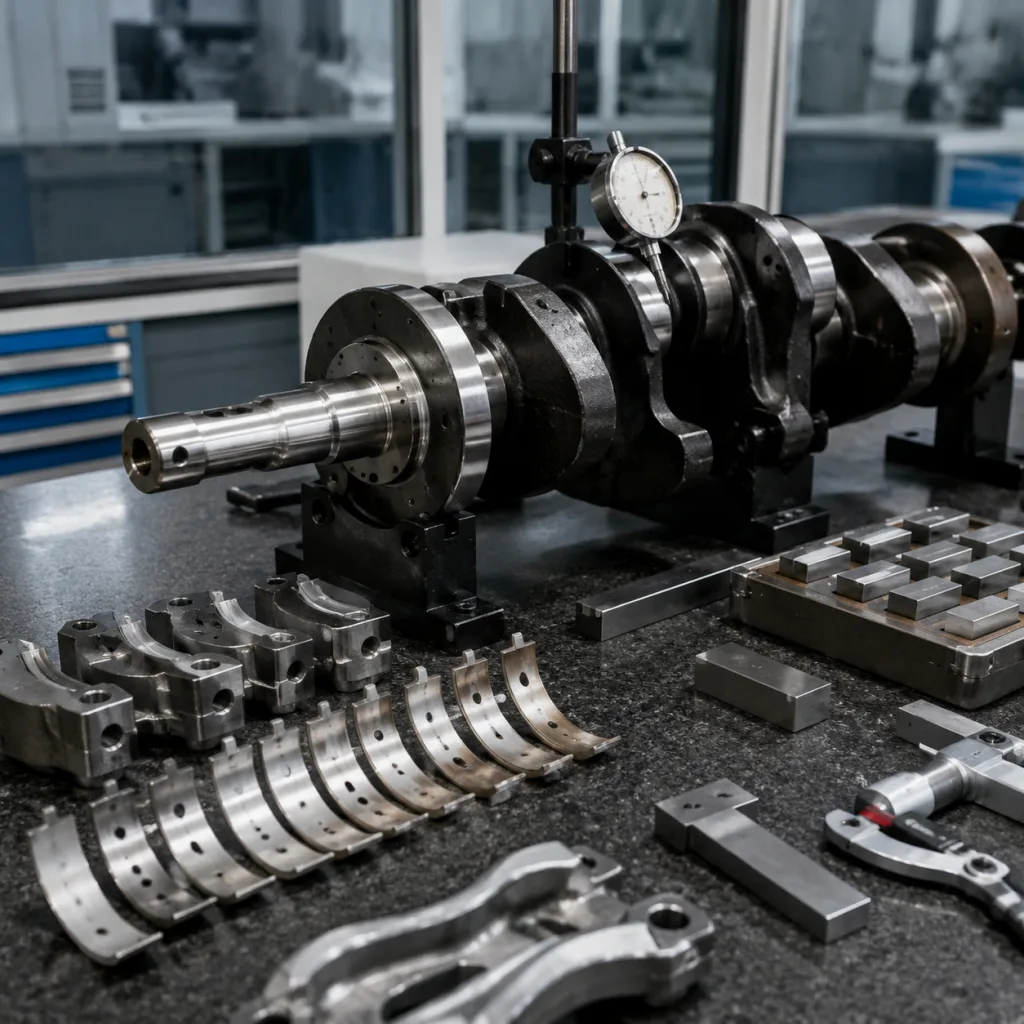
If the engine has already run with a knock, inspect the rod caps, main caps, journal colour, and shell backing. Any sign of wiping, overlay transfer, scoring, or heat discoloration means the parts should be measured rather than reused.
Inspection Sequence Before Ordering Parts
Do not order shells on guesswork. Record the failure state first, then measure the items that actually determine reuse.
1. Drain the oil and open the filter element. Look for non-magnetic copper or lead debris, not just steel flakes. 2. Check crankshaft end play and journal condition before dismantling the entire engine. 3. Measure main and rod journal diameters, ovality, and taper with calibrated instruments. 4. Verify housing bore size, bearing crush, and alignment after cap torque. 5. Compare cylinder leakage with the compression result so the top end is not blamed for a bottom-end fault. 6. If the crank is scored or out of round, confirm whether undersize shells and grinding are acceptable for the application.
For workshop teams, the important point is to record numbers, not impressions. For buyers and rebuilders, those records determine whether the repair needs standard-size shells, undersize shells, or a matched crankshaft set.
What To Replace Together
What to replace together
A bearing repair is only durable when matched parts are treated as a set. In practice, that means checking:
Main shells and rod shells as matched pairs by engine code and journal size
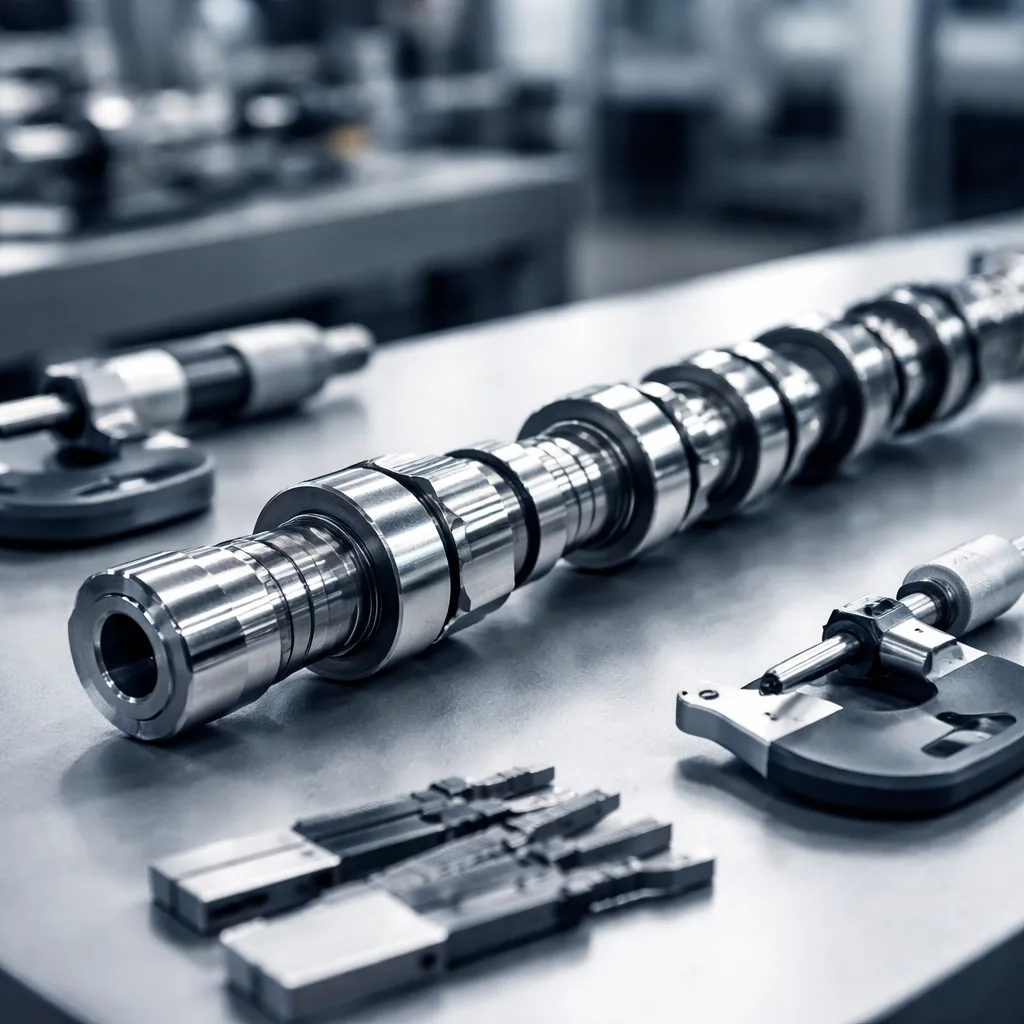
Crankshaft polish, grind size, and surface finish
Thrust bearings and end play where axial control matters
Oil pump, pickup, filter, and cooler after any starvation event
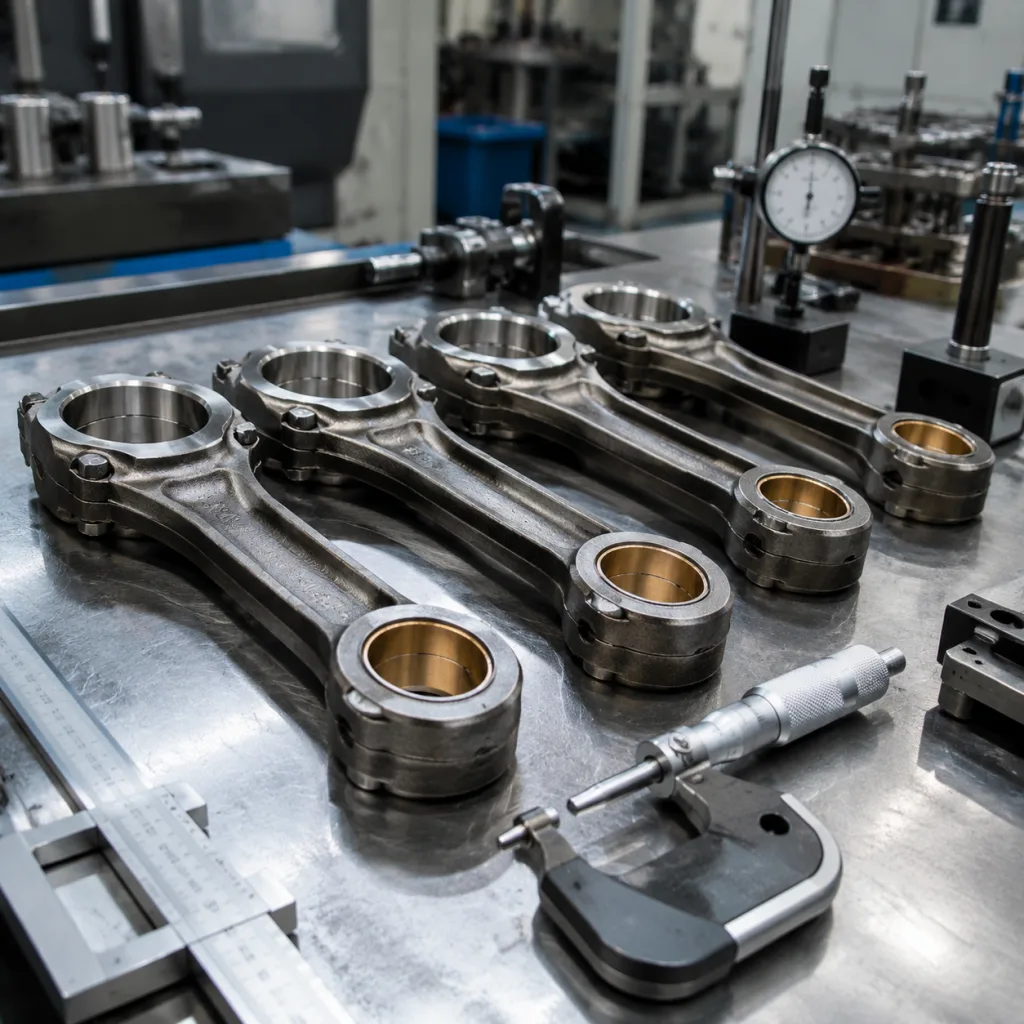
Connecting rods for twist, bend, and big-end bore distortion
Decision
Reuse
Replace
Journal surface
Minor polish within spec
Scoring, taper, out-of-round
Shell condition
No wipe or copper show-through
Overlay loss, embedded debris
Oil system
Clean pickup, normal pressure
Sludge, metal, pump wear
Cylinder condition
No bore damage
Scuffing, seizure marks, ring collapse
</tr></thead><tbody> </tbody></table>This is where OE-equivalent dimensional control matters. A shell that fits by part number but misses crush, wall thickness, or oil groove geometry will fail in service even if the catalogue reference appears correct.
Sourcing Requirements For Repair Shops And Distributors
For procurement teams, the buying decision should cover more than the shell itself. Ask for dimensional data, alloy or backing construction, packaging controls, and traceability by batch or lot. Confirm compliance with IATF 16949:2016, ISO 9001:2015, and REACH (EC) No 1907/2006 where material declarations are required.
If you are comparing a catalogue line with a rebuild bill of materials, start with our catalog, then review the quality system and custom manufacturing options for special sizes, coating requests, or private label packaging. For engine families beyond bearings, engine components can help align shells, gasket sets, and related parts in one shipment.
When the failure report is complete, use request a quote with the engine code, journal size, target annual volume, and destination market so the offer is technically usable.
Frequently asked questions
Not usually by themselves. Bearings mainly affect oil pressure and crankshaft support. Low compression usually comes from rings, valves, a head gasket, or bore wear. If a bearing fails badly enough to damage the crank, rod, piston, or cylinder wall, compression can fall as a secondary result.
No. Repeat the test, run a leak-down test, and inspect the oil system first. A single cylinder can indicate a valve or ring fault, while low oil pressure and metal debris shift the decision toward bottom-end teardown.
Engine code, journal dimensions, bearing size, oil-pressure findings, photos of damaged parts, annual volume, and destination market. That allows the supplier to confirm fitment, packaging, and any custom manufacturing requirement.
If you need a matched bearing set, crankshaft support parts, or application review, send your drawings and volume targets through [request a quote](/contact.html).