Engine Block Wholesale: Sourcing and Quality Checks
Engine block wholesale buying is a procurement exercise, not a catalogue browse. Buyers need verified castings, controlled machining, stable lead times, and a supplier that can support documentation for import, warranty, and downstream assembly. For engine blocks, dimensional control matters as much as price. Bore geometry, deck flatness, main bearing alignment, and coolant passage integrity affect assembly yield and field durability. Driventus is an independent aftermarket manufacturer; brand names are referenced for fitment only. We supply B2B customers in the EU, UK, US, Canada, Australia, and Brazil with engine and powertrain components manufactured under IATF 16949:2016 and ISO 9001:2015 systems. If you are shortlisting suppliers, the right questions are about traceability, process capability, and sample approval. This article explains what to verify before you place a volume order, and how to compare factories on technical and commercial terms.
Before You Shortlist Suppliers
Buying engine block wholesale is easiest to get wrong at the start. The first decision is not price; it is whether the block fits your failure-risk profile. A repair chain needs repeatable fit and fast replenishment. An importer may care more about packaging, customs paperwork, and lot traceability. An OEM or Tier-1 buyer will usually push hardest on process capability, dimensional data, and approval discipline.
Before you send an RFQ, confirm these points:
Base material: cast iron or aluminium alloy, with grade and heat-treatment status declared where relevant
Critical dimensions: cylinder bore, deck height, main bearing bore, cam bore, and oil gallery alignment
Sealing surfaces: deck flatness, bore finish, and gasket-contact quality
Traceability: heat number, batch code, and machining lot identification
Compliance: IATF 16949:2016, ISO 9001:2015, and REACH (EC) No 1907/2006 when material declarations are required
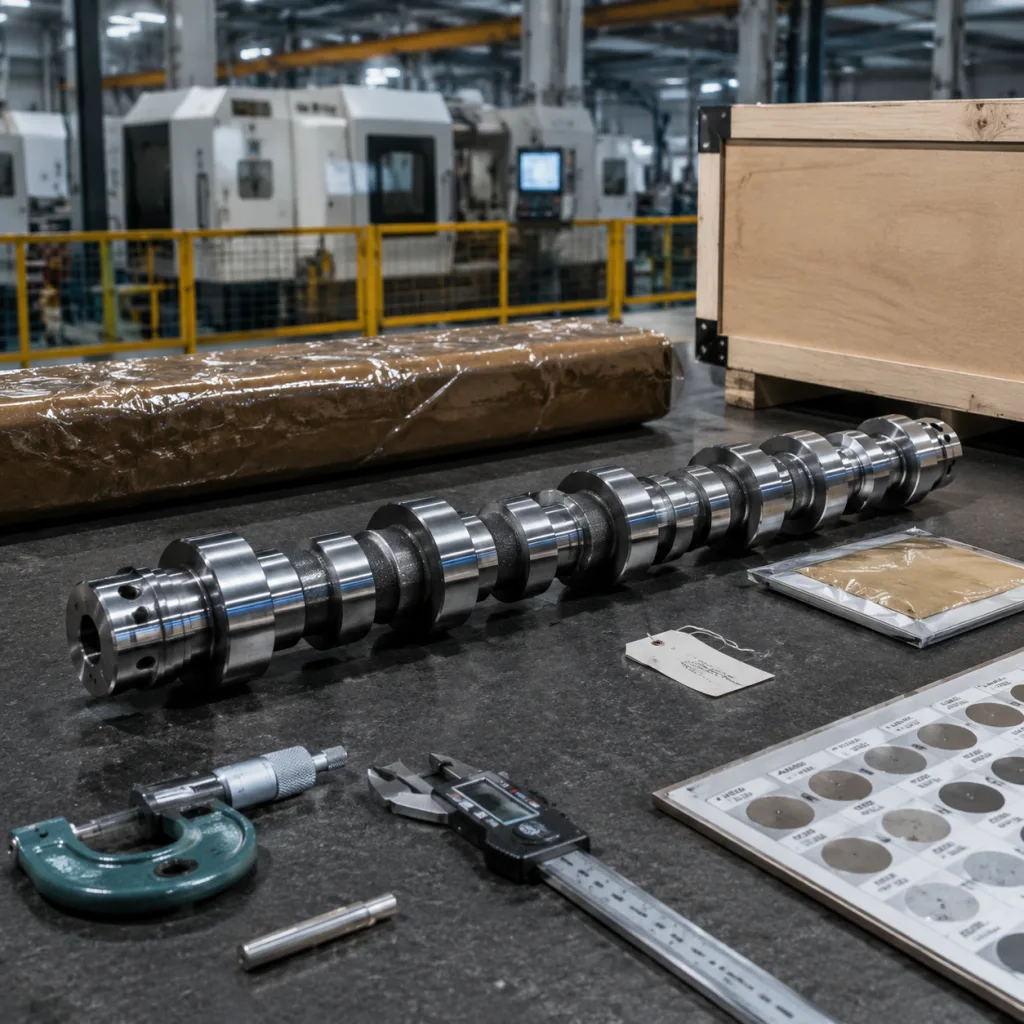
Packaging: rust prevention, bore protection, and pallet configuration
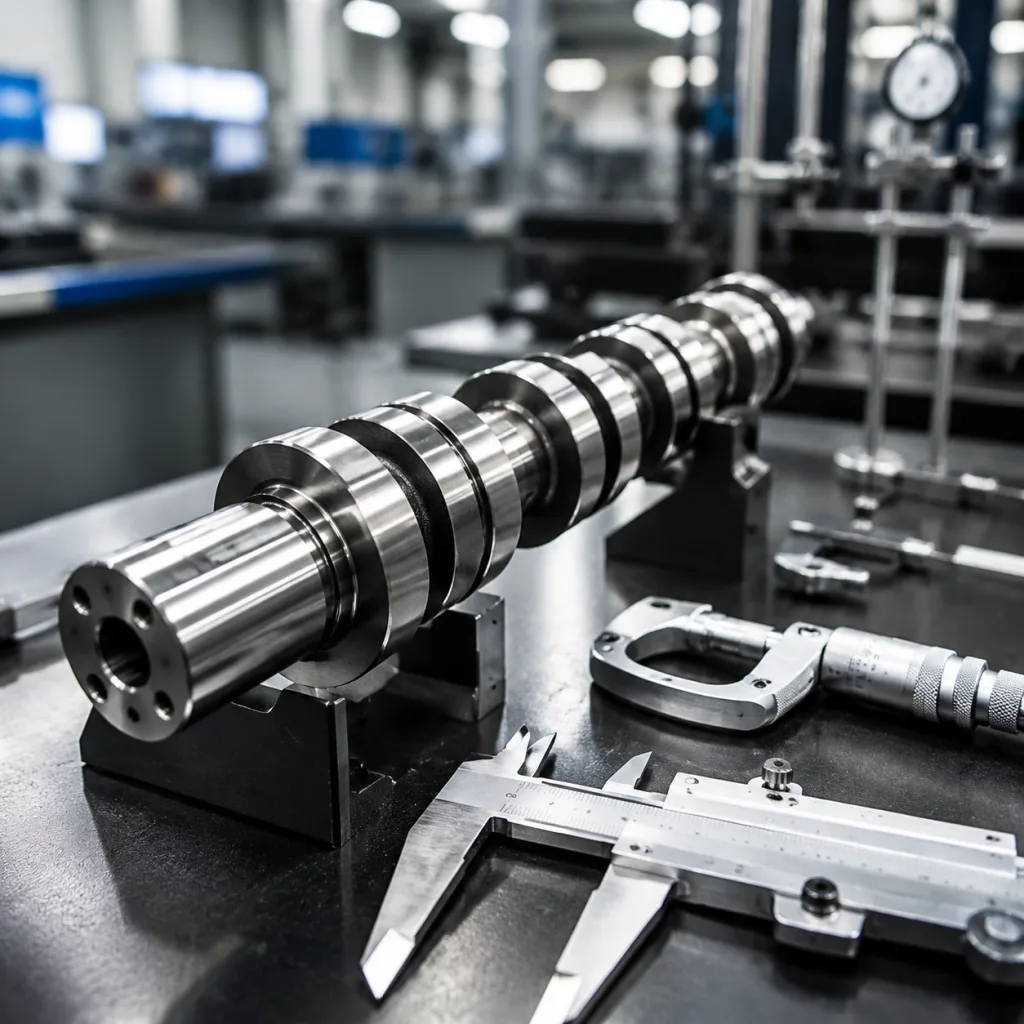
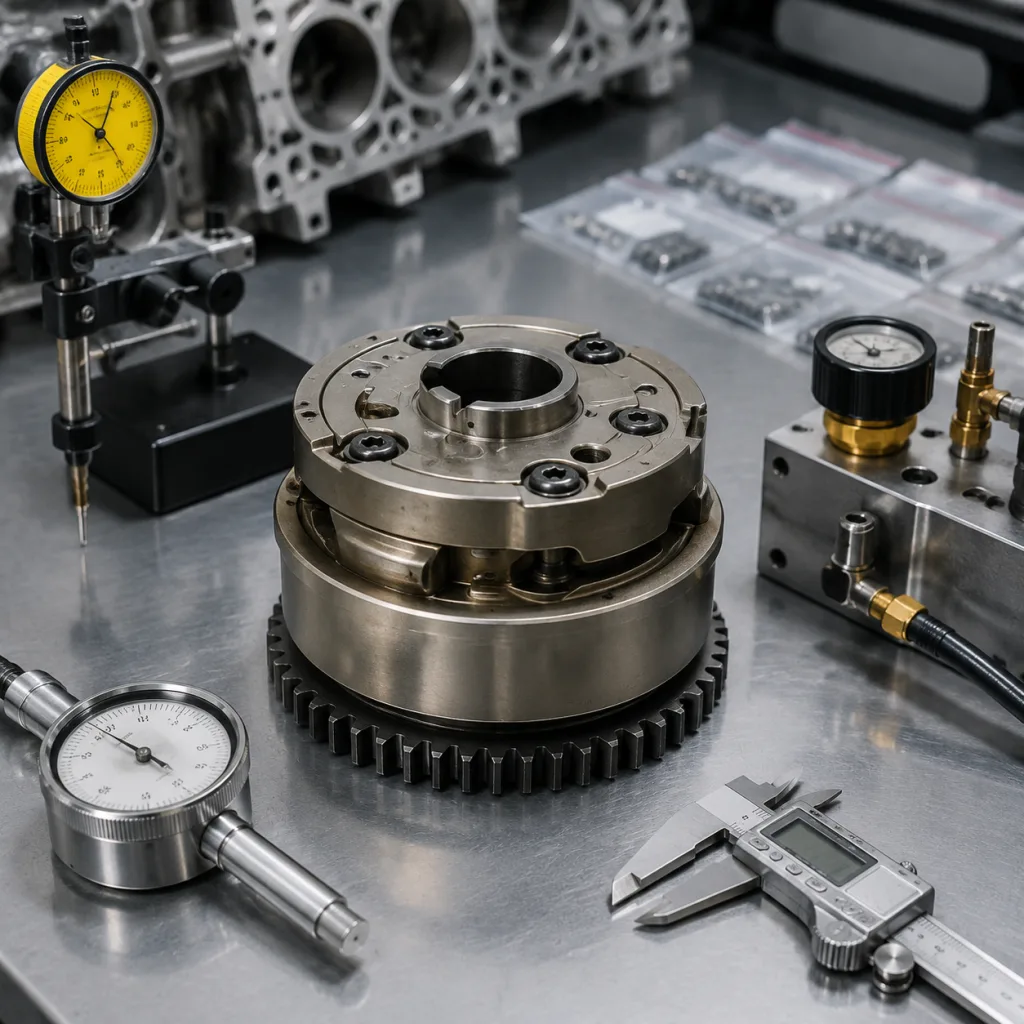
Inspection evidence: first article report, in-process checks, and final dimensional record by lot
Acceptance limits: agreed tolerances for bore size, straightness, and flatness before shipment
If the part must match an OE reference, ask for cross-reference validation against the target application. Do not accept brand-endorsement language. Driventus is an independent aftermarket manufacturer; brand names are referenced for fitment only.
Commercial Terms That Change the Real Cost
Wholesale buyers often compare MOQ and unit price before they compare anything else. That can be misleading. A low quote is not a good quote if the supplier cannot repeat the same machining window on the next lot, or if the claim process is vague enough to turn every issue into a dispute.
Item
What to confirm
Buyer note
MOQ
Per part number and per machining variant
Ask whether MOQ changes for first orders and repeat orders
Sample lead time
First article and dimensional report timing
Short sample cycles reduce program risk
Mass production lead time
Casting, machining, inspection, packing
Confirm capacity during peak season
Tolerance control
Bore, deck, and main line figures
Request inspection records, not only a certificate
Warranty terms
Claims process and evidence required
Define photo, measurement, and return conditions
Export docs
Invoice, packing list, COO, material declaration
Align with destination customs rules early
</tr></thead><tbody> </tbody></table>The most useful comparison is landed cost, not ex-factory price. Freight, customs handling, and rework risk can erase a small unit-price advantage. For engine block wholesale programs, ask for the Incoterm up front and split the quote into sample units, pilot lot, and production lot. Sample pricing is usually higher because setup and inspection time are concentrated in a small run. Pilot lots often include a premium for extra measurement and rework allowance. Production pricing only becomes meaningful once the fixture, machining cell, and inspection cycle are stable.
For buyers serving multiple regions, consistency matters more than one-off savings. A supplier that can ship the same spec into the EU, UK, US, Canada, Australia, and Brazil reduces receiving friction and limits downstream disputes.
Specs That Decide Fit, Sealing, and Durability
An engine block stops being a simple casting once machining begins. Small deviations here become expensive assembly failures later. If the bore is slightly off, rings never seat properly. If the deck is uneven, gasket life suffers. If the main line is out, the whole bottom end can become noisy or short-lived.
Key technical checks
Cylinder bore diameter and roundness within the approved machining window
Deck flatness across the full sealing surface
Main bearing bore alignment after machining
Thread depth and insert quality for head bolts, plugs, and accessory mounts
Water jacket cleanliness and core shift control
Oil gallery flushing and pressure test results
Honing finish, specified in Ra, for ring seating consistency
Wall thickness at the thinnest section to reduce distortion risk under heat
Write tolerances into the drawing pack or purchase order, not into a phone call. For many aftermarket programs, buyers specify bore diameter within nominal size plus/minus 0.01 to 0.03 mm, deck flatness within 0.03 to 0.08 mm, and main bore alignment within 0.02 to 0.05 mm depending on engine family. If the application is more demanding, tighten the window and specify the measurement method, gauge type, and sampling frequency.
If your program references OE 06A107065 or similar cross-reference data, ask for the full dimensional mapping and application list before approval. For engines with tighter thermal or sealing demands, request validation against relevant test methods such as SAE J2527 where applicable, and ensure any application-specific emissions context aligns with ECE R-83 when the customer requires it. Do not rely on surface finish alone; paint hides little and proves less.
Before you approve volume production, confirm the process route: casting, fettling, rough machining, stress relief if used, finish machining, wash, pressure test, and final inspection. Also ask whether coolant passages are 100% leak tested and whether main line boring is checked with a dedicated fixture or CMM sampling. Those details usually separate a low-risk supplier from a merely low-priced one.
How Driventus Fits the Sourcing Process
Driventus supports buyers that need repeat orders, engineering changes, and export-ready documentation without turning each request into a new project. We manufacture engine and powertrain components in Taizhou, Zhejiang, and work with aftermarket distributors, OEM / Tier-1 suppliers, and multi-location repair chains.
Our sourcing model includes:
Controlled production under IATF 16949:2016 and ISO 9001:2015
Batch-level traceability for receiving inspection and claims handling
Factory-aligned documentation and inspection records through our quality system
If your program needs a specific bore size, deck height, accessory mounting pattern, or export packing format, we can review the drawing set before you commit to tooling or volume allocation. That is often where buyers save the most time: before the quote is locked.
For RFQ preparation, include part number, annual forecast, target region, tolerance stack, packaging spec, and required inspection format. If the project is a new engine block wholesale program, state whether you need PPAP-style submission, AQL sampling, or full dimensional reports by serial or lot. Clear inputs shorten the approval cycle and reduce back-and-forth.
When the Cheapest Quote Becomes the Most Expensive
Price matters, but it should not outrank rework, returns, and workshop downtime. In this category, the hidden cost often appears after installation: coolant leaks, uneven compression, bearing distress, or gasket failure traced back to machining variation.
A practical comparison looks like this:
Lowest unit price: usable only when inspection depth and claim handling are strong
Mid-priced verified supply: often the best balance for distributors and repair networks
Fully customised supply: best when bore, deck, packaging, or documentation must match a specific program
Use a simple rule: if the savings are smaller than the cost of one return, one rework job, or one missed dispatch window, the cheaper quote is not cheaper. Also ask for a lead-time breakdown. Casting availability, machining slot, inspection duration, and export booking are separate steps. If the supplier cannot separate them, the promised delivery date is weak.
For seasonal programs and fleet support contracts, define a buffer stock policy before launch. A two- to four-week demand spike can strain a tight MOQ if the supplier is already committed to other high-volume jobs. The strongest wholesale order ties price, tolerance, and replenishment cadence together so the commercial deal supports the technical one.
Frequently asked questions
Include OE cross-reference, engine code, material preference, target annual volume, required tolerances, packaging needs, and destination market. Add whether you need sample approval, inspection reports, or custom machining. Also state the target MOQ, preferred Incoterm, and the acceptable lead time for sample, pilot, and production lots so suppliers can quote on the same basis.
Compare dimensional reports, lead time consistency, traceability, MOQ, claim process, and certification. A supplier with stable machining and clear records usually lowers total landed cost. It also helps to compare the percentage of lots shipped with full inspection data, how quickly the supplier answers deviation requests, and whether the quoted tolerance is realistic for the engine family.
Yes. We support custom manufacturing for machining, packaging, and documentation when the drawing and application are defined. Share your technical requirements through the contact form. If you already have a sample or drawing, include the target bore, deck height, main line requirement, and packaging format so we can assess manufacturability and lead time.
If you are sourcing at volume, send your target part details, annual forecast, and required documents. Use this form to [request a quote](/contact.html).