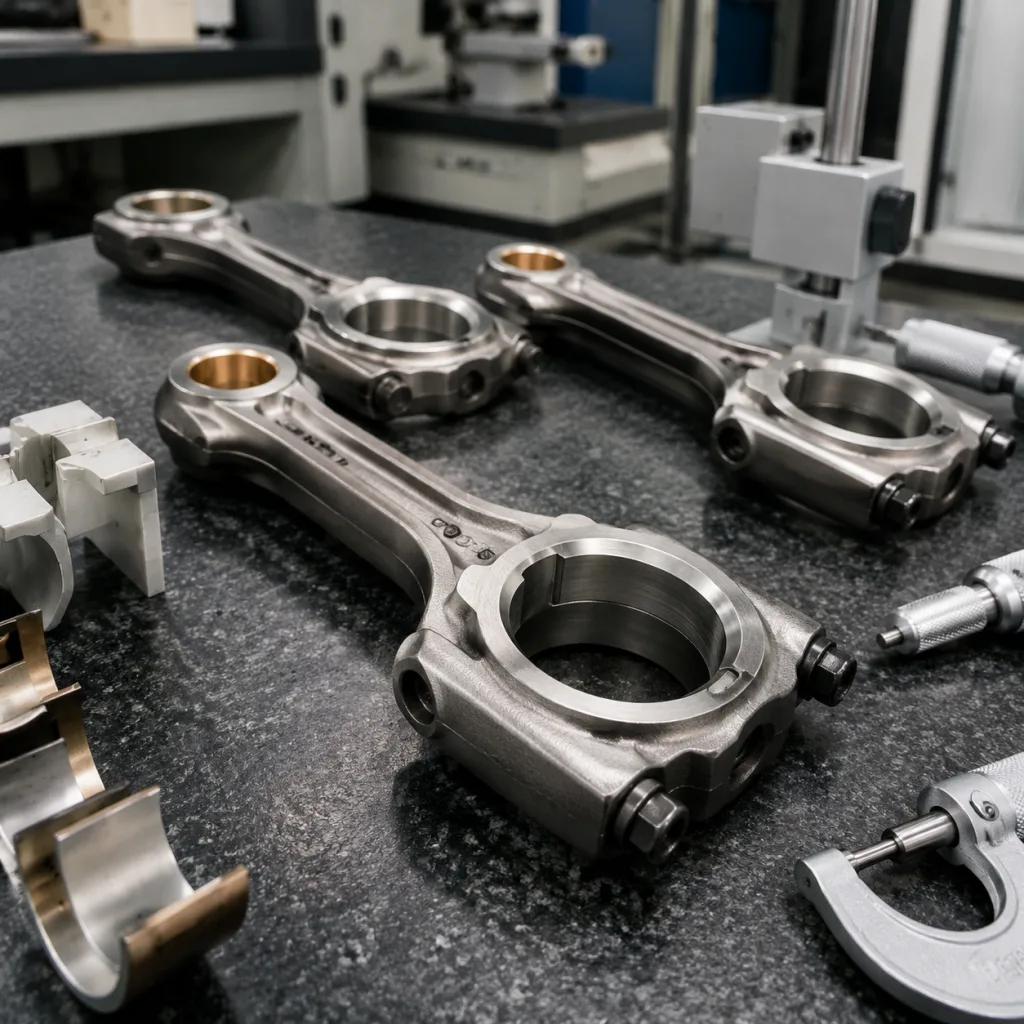
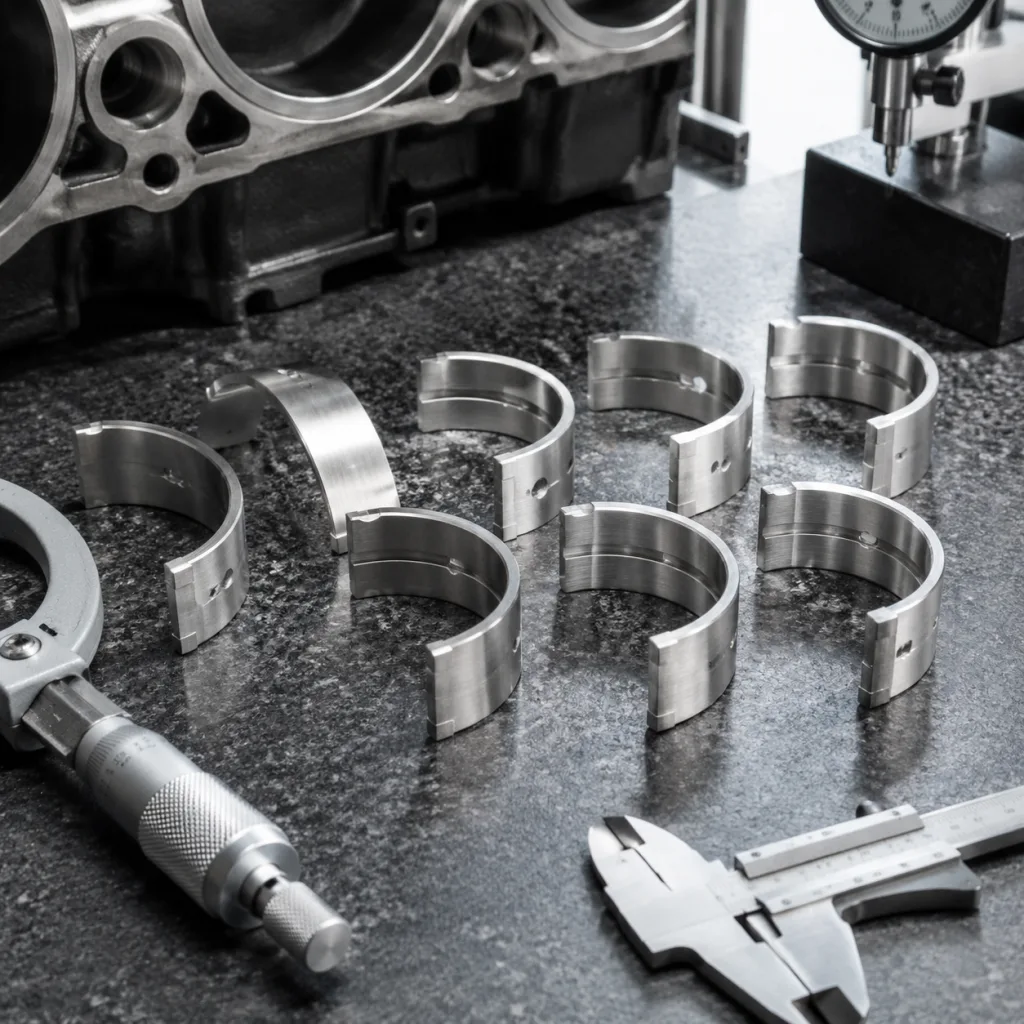
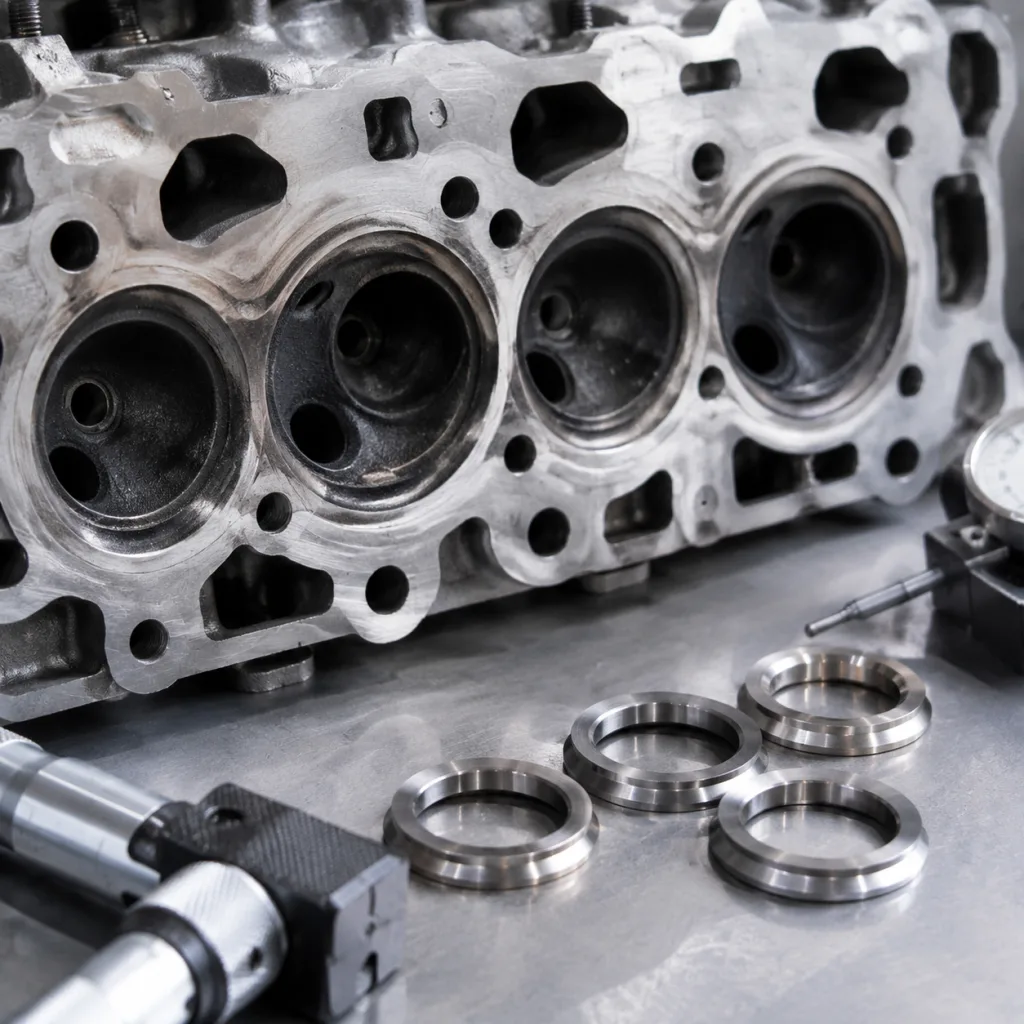
For importers and category buyers, sourcing Skoda-fit engine blocks is a technical risk decision as much as a price negotiation. The right programme has to control bore geometry, main bearing alignment, deck flatness, coolant jacket integrity, machining cleanliness and casting consistency across repeat shipments. A credible wholesale offer should therefore be judged on measurement evidence, process capability, traceability and export readiness, not unit price alone.
Driventus manufactures engine and powertrain components in Taizhou, Zhejiang for aftermarket distributors, wholesalers, OEM/Tier-1 suppliers and repair chains in more than 60 countries. Our scope includes cylinder blocks and related engine components for European passenger vehicle platforms, with production managed under IATF 16949:2016 and ISO 9001:2015. Driventus is an independent aftermarket manufacturer; brand names are referenced for fitment only.
Sourcing Criteria for Skoda-Fit Engine Blocks
A sourcing programme for Skoda-fit engine blocks should begin with the engine family, casting configuration and service requirement. Procurement teams need to confirm whether the order is for bare blocks, semi-finished blocks or fully machined blocks ready for assembly. Each format changes the receiving inspection workload, warehouse handling method, technical support requirement and warranty exposure.
For B2B buyers, the main commercial variables are repeatability, MOQ, lead time, documentation and claim handling. Driventus can support wholesale supply for aftermarket channels and project-based supply for larger repair networks. Buyers can review related engine components in our catalog and use the engine component range as a basis for range planning.
Typical sourcing checks include:
Application mapping by engine code, displacement and fuel type
Casting type, material grade and heat treatment confirmation
Bore, deck, main tunnel and oil gallery machining status
Compatibility with required sensors, plugs, threaded holes and auxiliary mounting points
Packaging density for container loading and damage prevention
Batch traceability from casting lot to finished inspection record
Export documents, HS code support and country-specific labelling requirements
The keyword decision is not simply whether “engine block skoda wholesale” supply is available. The practical question is whether the supplier can hold dimensional consistency over repeated shipments and provide inspection evidence that your receiving team, audit team and warranty team can actually use.
Manufacturing Scope, MOQ and Lead-Time Planning
Wholesale engine block purchasing works best when demand is planned by quarter rather than handled as emergency replenishment. Cast and machined blocks have longer production cycles than small wear parts because foundry scheduling, heat treatment, machining, cleaning, pressure testing and final inspection have to be sequenced. A late order can therefore create more risk than a higher purchase price.
Sourcing item
Typical procurement question
Practical control point
MOQ
Can the supplier support mixed applications?
Confirm per-part MOQ and mixed-container policy
Lead time
Is production scheduled or stock-based?
Separate sample, pilot and mass production dates
Samples
Are first articles fully measured?
Require dimensional report and photos before dispatch
Packaging
Will blocks survive sea freight?
Specify crate, rust prevention and impact protection
Reorders
Can batch consistency be maintained?
Use drawing revision and lot traceability controls
</tr></thead><tbody> </tbody></table>For established applications, buyers often request a sample order before committing to container quantity. A practical sequence is first article review, small pilot batch, controlled market release and then scheduled replenishment. For private-label or application-expansion projects, custom manufacturing can be used where drawings, samples, reverse engineering data or performance requirements need engineering review.
Lead time depends on casting availability, machining complexity, inspection scope and packaging requirements. Procurement teams should also reserve time for pre-shipment inspection, order consolidation and shipping documents. This is especially important for importers serving the EU, UK, US, Canada, Australia and Brazil, where customs clearance, product labelling and market documentation expectations differ.
Dimensional and Material Control Points
Engine blocks are structural and thermal components. They locate the crankshaft, cylinders, cylinder head, oil galleries and cooling passages in a stable geometry through repeated heat cycles, vibration and load changes. For wholesale sourcing, the controls that matter most are measurable and repeatable.
Core inspection points usually include:
Cylinder bore diameter, roundness and taper
Deck flatness and surface finish for gasket sealing
Main bearing bore alignment and tunnel diameter
Head bolt thread depth, perpendicularity and pull-out integrity
Oil gallery cleanliness, plug installation and passage continuity
Coolant jacket leak integrity under pressure testing
Machined face burr control and edge protection
Casting defect screening for porosity, shrinkage, inclusions and cracks
Critical datum control for assembly alignment
Material verification should be based on the specified casting grade, chemical composition and hardness range. For aluminium blocks, buyers should confirm alloy specification, heat treatment status and dimensional stability after machining. For cast iron blocks, graphite structure, hardness, machinability and crack detection are relevant to long-term durability.
A practical procurement specification should define acceptance tolerances, inspection frequency, gauge method and sampling plan. Driventus aligns production documentation with customer drawings and agreed control plans. Where an OE part-number cross-reference is supplied by the customer, it may appear in the format OE 06A… for fitment reference only, not as a vehicle manufacturer approval claim.
Quality System, Audits and Compliance Evidence
For wholesale buyers, supplier qualification should be evidence-based. A factory audit should cover incoming material control, casting traceability, machining process control, gauge calibration, equipment maintenance, non-conforming product handling and final inspection. It should also confirm whether the supplier can retain records long enough to support warranty review and root-cause analysis.
Driventus operates under IATF 16949:2016 and ISO 9001:2015. Buyers can review our quality system when assessing supplier capability, audit readiness and documentation flow. Relevant procurement files may include control plans, inspection reports, material reports, process flow diagrams, calibration records, packaging specifications and corrective-action records where applicable.
For markets that apply chemical substance restrictions, importers may also require supplier declarations aligned with REACH (EC) No 1907/2006. Engine blocks are not emissions-control devices by themselves, but complete vehicle compliance can be affected by engine integrity, sealing, oil control and durability. Regulations such as ECE R-83 are therefore relevant to the broader vehicle emissions context, even where the purchased component is a mechanical replacement part.
Driventus is an independent aftermarket manufacturer; brand names are referenced for fitment only. We do not claim approval, endorsement or authorisation by any vehicle manufacturer.
Packaging, Documentation and Wholesale Risk Control
The final landed cost of engine block imports can rise quickly if packaging, labelling or documentation is incomplete. Blocks are heavy, include machined sealing faces and can be damaged by vibration, impact or corrosion during long-distance transport. Wholesale orders should define packaging, marking and document requirements before purchase order release.
Recommended export controls include:
Individual anti-rust protection on machined surfaces
Protective caps or plugs for oil and coolant passages
Rigid wooden crate or reinforced carton with internal bracing
Pallet marking by part number, quantity, gross weight and batch code
Photo record before container loading
Commercial invoice, packing list and certificate documents as agreed
Wood packaging treatment confirmation where required by the destination market
For distributors, the carton and pallet format should also match warehouse picking operations. Repair-chain buyers may require barcodes, branch-level allocation, mixed-SKU pallets or delivery notes separated by destination. Import managers should confirm local rules for wood packaging treatment, origin marking, product labels and customs documentation before shipment.
Warranty control begins before the first order leaves the factory. Agree on inspection standards, claim documentation, return handling and technical analysis procedures in advance. A clear claim process helps separate installation issues, engine assembly contamination, overheating damage, lubrication failure and true manufacturing defects.
How to Start a Wholesale Enquiry
A structured enquiry reduces quotation errors and shortens engineering review. For engine block Skoda wholesale projects, send the application data and the commercial target together, not in separate conversations. This lets the supplier check fitment scope, tooling status, machining requirement, inspection workload and production capacity in one review.
Useful enquiry data includes:
Vehicle application region and model years
Engine code, displacement and fuel type
Required format: bare, semi-finished or fully machined block
Annual demand, first order quantity and target delivery schedule
Required inspection documents and packaging standard
Any existing sample, drawing or OE 06A… style fitment reference
Destination market and requested trade terms
Private-label, barcode or carton artwork requirements where applicable
Driventus can review wholesale range requirements, technical drawings or sample-based development requests. If the block is part of a wider engine programme, related pistons, crankshafts, gaskets, water pumps, timing components and turbocharger components can also be assessed for consolidated supply. That broader view helps buyers reduce supplier fragmentation while keeping technical validation tied to each individual part.
Frequently asked questions
MOQ depends on the specific casting, machining status, packaging requirement and whether tooling or stock already exists. For planned wholesale programmes, Driventus can review mixed applications and phased orders after receiving engine code, quantity target and destination market.
Yes. Available documentation can include dimensional inspection records, material verification, leak test evidence, control plan references and packaging photos, depending on the agreed purchase specification.
No. Driventus is an independent aftermarket manufacturer; brand names are referenced for fitment only. We do not claim approval, endorsement or authorisation by any vehicle manufacturer.
For current availability, MOQ and lead-time review, share your engine code list and target quantities. You can [request a quote](/contact.html) for an audit-ready wholesale proposal.