engine block · 2026-05-27

Engine Block Skoda OEM Supplier: Sourcing Guide

Procurement teams sourcing an engine block Skoda OEM supplier need more than a casting vendor. They need stable process control, repeatable machining, traceable material records, and documentation that supports audit and incoming inspection. Driventus supplies engine block programmes for aftermarket distributors, OEM and Tier-1 channels, and repair network buyers from its Taizhou, Zhejiang manufacturing base. We produce under IATF 16949:2016 and ISO 9001:2015 systems, with export experience across 60+ countries. Driventus is an independent aftermarket manufacturer; brand names are referenced for fitment only.

For Skoda-fit applications, buyers usually assess bore geometry, deck flatness, main bearing alignment, coolant jacket integrity, and the ability to cross-reference OE part numbers such as OE 06A107065 where the catalogue calls for it. The sourcing decision also depends on MOQ, lead time, packaging, and whether the supplier can provide dimensional reports and material certificates. This article explains what to verify before you place a purchase order and how Driventus supports batch production and private-label supply.

What procurement teams should verify first

When evaluating an engine block Skoda OEM supplier, start with fitment control and documentation, not price alone. A compliant supply proposal should define the engine family, OE cross-reference, casting material, machining scope, and inspection method.

Key checks:

  • OE cross-reference provided only for fitment validation, for example OE 06A107065 when relevant to the catalogue record
  • Material specification, typically grey cast iron or aluminium alloy depending on engine family
  • Machining datum control for cylinder bores, deck face, and main bearing saddles
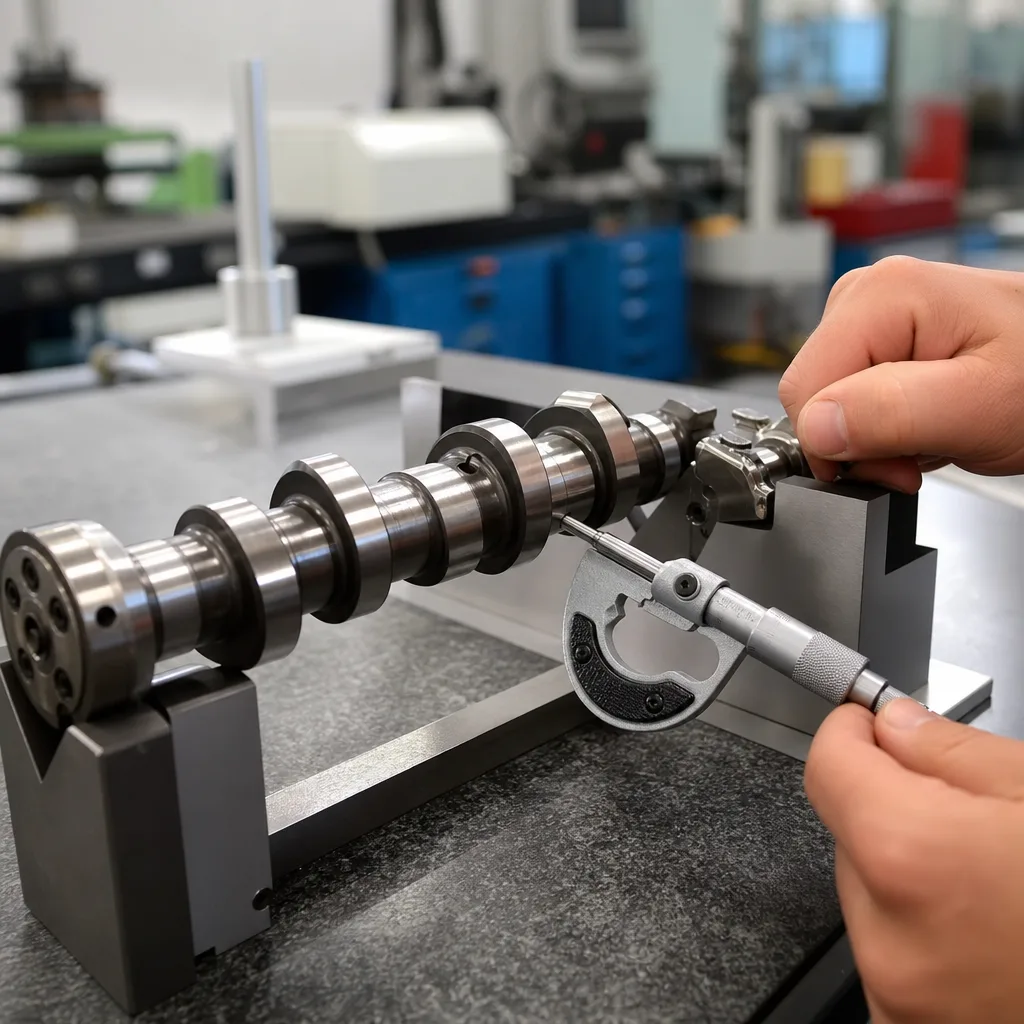
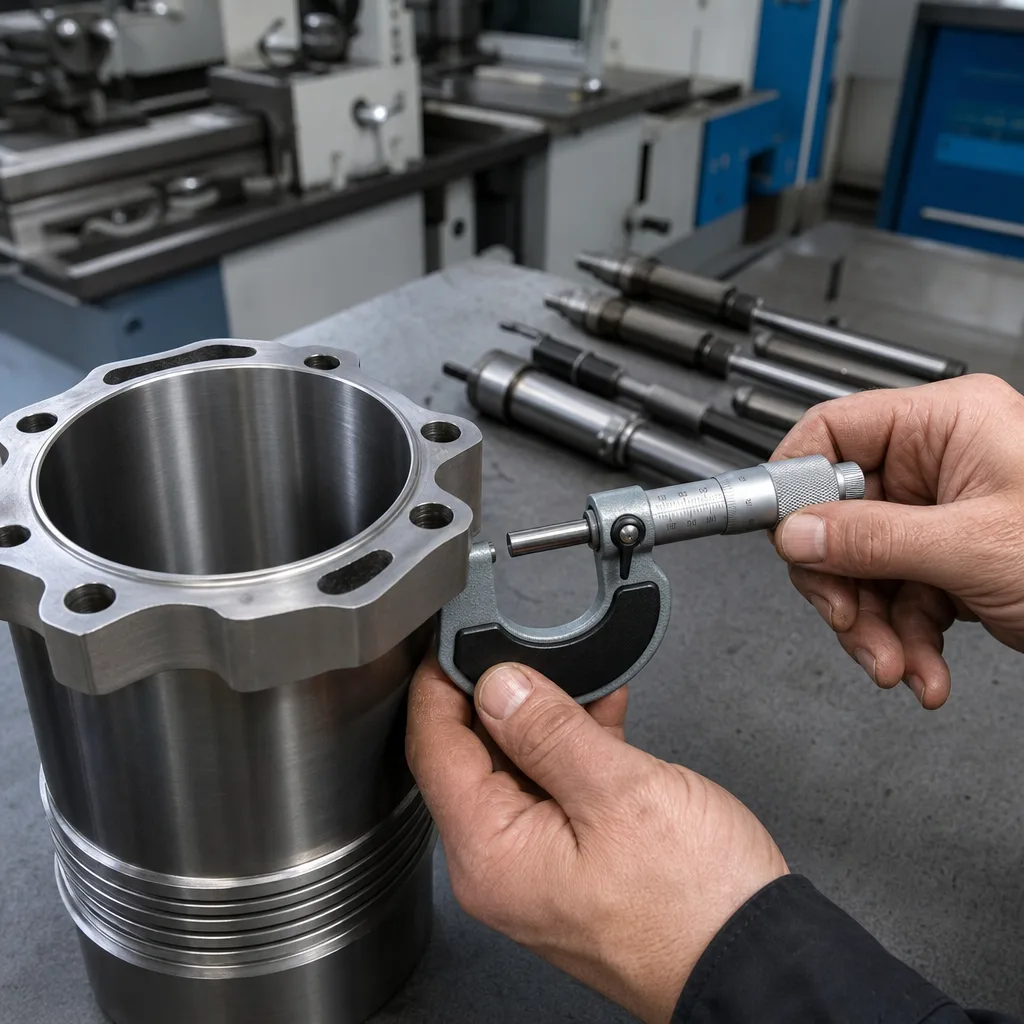
  • Inspection plan covering CMM data, bore gauge readings, and pressure testing where applicable
  • Packing specification for export, including rust prevention and palletisation

For buyers consolidating multiple SKUs, it helps to review our catalog alongside the part family pages to confirm application coverage before RFQ release.

Manufacturing controls that affect block performance

Engine blocks are not commodity castings once machining tolerances and cleanliness requirements are specified. The main failure points are usually dimensional drift, porosity, and distorted deck or main bearing geometry after roughing and finish machining.

Driventus production controls are built around:

  • Incoming chemical composition verification for castings and forgings used in the programme
  • CNC machining with controlled fixture repeatability
  • Deck flatness and bore centreline checks at defined intervals
  • Thread and gallery inspection before final wash
  • Batch traceability from raw material to shipment lot

For technical buyers, the practical question is whether the supplier can hold the required tolerances on every batch, not just on first article samples. Our quality system outlines the certification base and in-process control approach used for export programmes.

Commercial factors: MOQ, lead time, and audit readiness

Sourcing teams often compare factories on quoted unit price, but the landed cost is shaped by MOQ, lead time stability, and the cost of incoming rejection. A supplier that can support a lower defect rate and predictable delivery often reduces total programme cost.

</tr></thead><tbody> </tbody></table>For buyers who need variant development or packaging changes, custom manufacturing can be used to define private-label supply, alternate machining, or customer-specific kitting.

Technical specification points for engine blocks

A buyer specification should describe the measurable characteristics that affect installation and durability. If these are not written into the RFQ, suppliers may quote different production scopes under the same part name.

Use this checklist in the RFQ:

  • Material grade and heat-treatment condition, where applicable
  • Bore diameter, taper, and roundness limits
  • Deck surface finish and flatness target
  • Main bearing alignment and saddle bore tolerance
  • Coolant jacket leak test requirement
  • Thread class, plug seat type, and oil gallery cleanliness
  • Surface protection for storage and shipment

Published standards that may apply depending on application and customer requirement include IATF 16949:2016, ISO 9001:2015, REACH (EC) No 1907/2006, and customer-specific validation methods. For engine durability or emissions-related verification, buyers may also ask for testing aligned to SAE J2527 or similar published procedures when relevant to the supply scope. These do not replace vehicle-maker approval processes; they are part of the supplier qualification file.

How Driventus supports export supply

Driventus is set up for B2B export rather than retail fulfilment. That matters when the order includes mixed references, palletised cartons, or documentation requirements for customs and warehouse receiving.

We support:

  • Batch production with traceable lot control
  • Dimensional and visual inspection records
  • Export packing suitable for sea and air freight
  • Multi-market supply for distributors, workshops, and service networks
  • Application matching against catalogue records for Skoda-fit programmes and related engine families

If your purchasing team is rationalising supplier count, our engine-components range can be reviewed through our catalog as part of a broader consolidation exercise. Driventus is an independent aftermarket manufacturer; brand names are referenced for fitment only.

For programmes requiring non-standard markings, packaging inserts, or engineering changes, custom manufacturing can be used to define the commercial and technical scope before pilot production.

How to qualify a supplier before placing volume orders

Before moving from sample approval to mass purchase, use a controlled qualification process. This reduces the risk of dimensional mismatch and shipment delays.

Recommended steps: 1. Confirm the OE cross-reference and engine code application 2. Review drawings, sample photos, and inspection reports 3. Request material certificates and process flow details 4. Approve first article samples against your receiving criteria 5. Agree on packing, labelling, and carton master data 6. Lock the revision level and change-control procedure

If your team is comparing multiple sources, ask for the same data set from each factory. That makes supplier scoring more reliable and reduces ambiguity in commercial negotiation. When you are ready to move forward, use request a quote to send the application, annual volume, target market, and required documentation set.

Frequently asked questions

Yes. We supply engine blocks for aftermarket and B2B distribution programmes where the fitment match is defined by application data and OE cross-reference. Brand names are referenced for fitment only.

Typical documents include packing lists, commercial invoices, material certificates where required, and dimensional or inspection records tied to the lot number.

Yes. We support private-label and programme-specific supply through controlled drawings, packaging, and commercial terms, subject to technical review and MOQ alignment.

If you are building a qualified supply list for engine blocks, send your application details and target volumes through /contact.html and we will respond with the relevant technical and commercial information.

Request a Quote
Factor What to confirm Typical procurement impact
MOQPer part number and per casting familyAffects inventory exposure and container fill
Lead timePattern availability, machining capacity, packing cycleImpacts stock cover and urgent replenishment
Audit readinessIATF 16949:2016, ISO 9001:2015, process recordsSupports supplier approval and annual review
DocumentationMaterial certs, dimensional reports, lot traceabilityReduces receiving inspection risk
Export termsIncoterms, carton labelling, documentation setAffects customs clearance and delivery timing