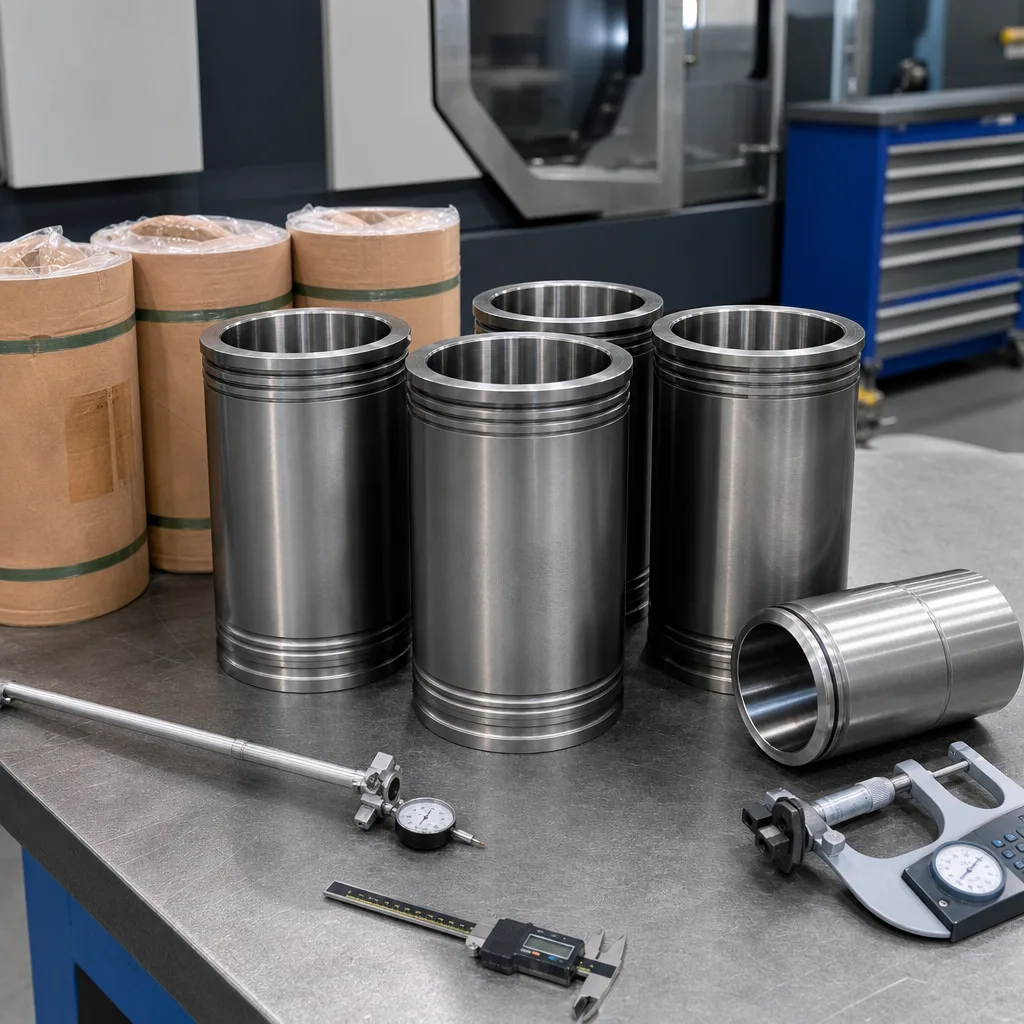
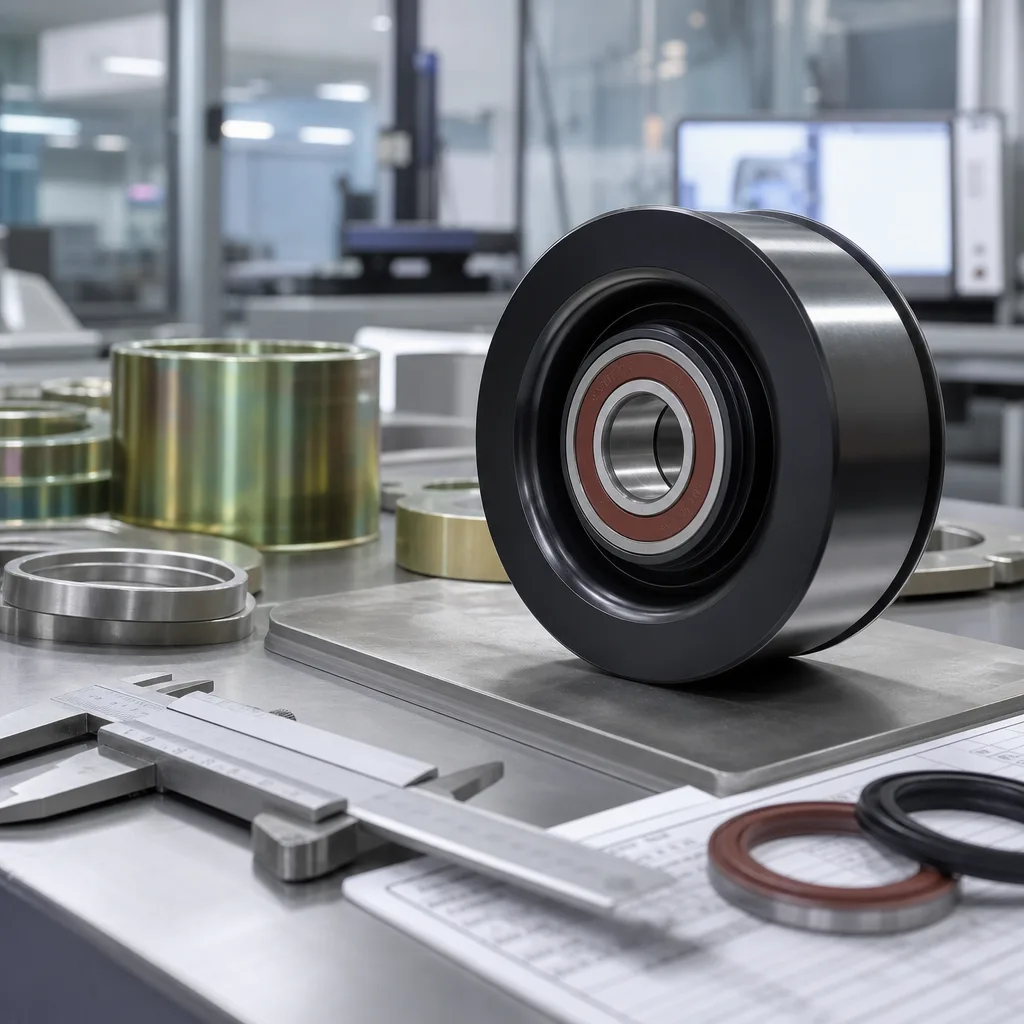
Toyota cylinder sleeve sourcing is a precision buying task, not a commodity order. Buyers need the correct sleeve type, the right base material, controlled wall thickness, and finish dimensions that match the block and piston set. Driventus is an independent aftermarket manufacturer; brand names are referenced for fitment only. We supply B2B programmes for distributors, wholesalers, OEM and Tier-1 buyers, and repair networks that need repeatable quality, traceable lots, and stable lead times. For procurement teams working from drawings, samples, or an OE reference, the practical questions are MOQ, machining method, inspection records, and whether the supplier can support custom packaging or cross-reference checks before production starts. This article sets out what to verify before you place a cylinder sleeve Toyota wholesale order, and where to find related engine parts in [our catalog](/products.html).
What to specify before quoting
A clean enquiry reduces back-and-forth and lowers the risk of a mismatch at first article.
Engine family or block code
Sleeve type: dry, wet, or repair sleeve
Finished bore, outer diameter, and installed height
Drawing tolerances for wall thickness, roundness, and surface finish
Quantity, packaging, and target ship date
Any OE reference number or sample part for cross-checking
If the part starts from a worn sample or a customer sketch, the quotation should state whether the sleeve will be made to drawing, matched to a sample, or reverse-engineered from both. That is also the right point to involve custom manufacturing if the block has been machined by more than one source plant.
Sleeve types and fitment control
Different sleeve types are not interchangeable. Procurement teams should separate them before asking for pricing.
Sleeve type
Typical use
Procurement focus
Dry sleeve
Pressed into a parent bore with no coolant contact
Restores a worn bore during rebuild or remanufacture
Final bore size, machining allowance, repeatability
</tr></thead><tbody> </tbody></table>For a Toyota programme, the key issue is fitment discipline. A sleeve that is dimensionally close but wrong on flange geometry, installation height, or wall profile will create rework for the engine builder. Buyers should ask for a dimensional report on the critical features before volume release.
Materials, machining, and inspection
Most cylinder sleeves are made from cast iron or alloy cast iron because the material must balance wear resistance, machinability, and thermal stability. The actual grade should be chosen against the engine duty cycle and the finish machining route.
Common control points include:
Wall thickness and outer diameter after rough machining
Straightness and roundness before and after honing
Flange height, step height, and seating face quality
Surface finish on the bore after final honing
Lot traceability through heat code and inspection record
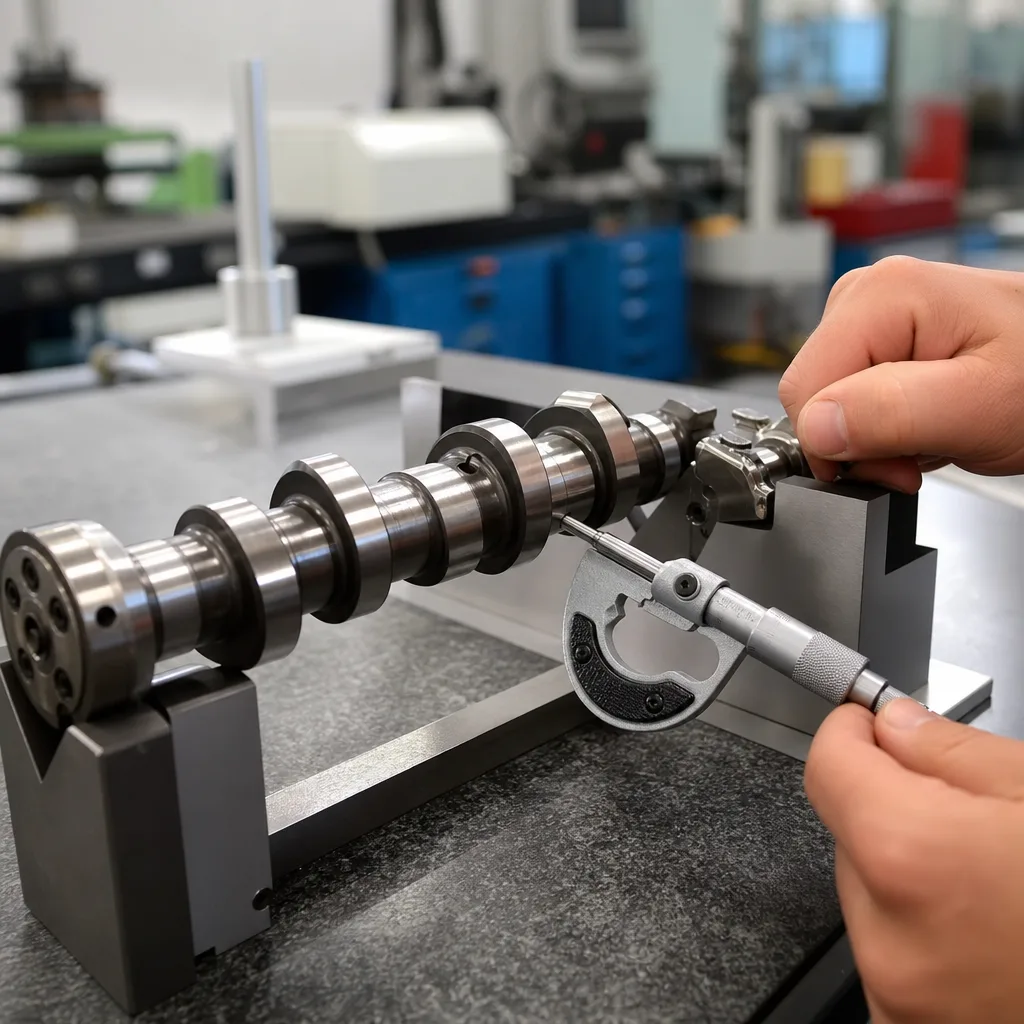
If your programme has a defined piston clearance target, state it in the enquiry. If it does not, the supplier should confirm the honing target against the block geometry and the piston set before production starts. For quality-critical programmes, ask for hardness checks, microstructure review, and a first-article dimensional report tied to the batch.
Wholesale supply terms that matter
Wholesale buyers need process control, not just a sample that fits.
MOQ varies by sleeve family, machining route, and packaging spec
Lead time depends on whether tooling already exists, whether honing is required, and whether the order is stocked or built to drawing
First orders should include sample approval, labelled cartons, and a photo record of pack configuration
Mixed-line consolidation can reduce freight cost when sleeves ship with other engine parts
If you are planning a wider sourcing programme, compare the sleeve with adjacent items in our catalog and engine components. That helps category buyers align cartons, pallet count, and import paperwork across the full engine rebuild basket.
Quality, audit, and compliance
For cross-border supply, the supplier file matters as much as the part itself. Buyers usually audit document control, traceability, corrective action, and sample retention before moving to regular volume.
Driventus operates under quality system controls aligned with IATF 16949:2016 and ISO 9001:2015. For material declaration and restricted-substance workflows, REACH (EC) No 1907/2006 is the relevant reference where applicable. If the project requires supplier questionnaires, control plans, or inspection records for incoming audits, those documents should be available before the first shipment.
What procurement teams should request:
Material and batch traceability
Dimensional inspection report
Packing specification and carton count
Sample retention and deviation handling process
Factory audit support for new programmes
We do not claim vehicle manufacturer approval. Buyers should validate fitment, installation method, and performance in their own application before releasing production.
Frequently asked questions
Send the engine family or block code, sleeve type, drawing or sample, critical dimensions, annual volume, packaging needs, and any OE reference. If the part is being reverse-engineered, include the worn sample and the target fitment application.
Yes. We can build to drawing, to sample, or to a combined drawing-plus-sample brief. For new programmes, we confirm the critical diameters, wall thickness, and installation height before production so the first article matches the engine builder’s target.
Typical files include material traceability, dimensional inspection data, packing specification, and quality-system evidence. Where applicable, we can support REACH-related material declaration requests and buyer audit packs tied to IATF 16949:2016 and ISO 9001:2015.
Send your drawing, OE reference, annual volume, and packaging requirements, and we will return a buildable quotation and lead-time estimate via [request a quote](/contact.html).