Engine Block Citroen Wholesale: Sourcing Guide
Purchasing an engine block Citroen wholesale requires more than matching a vehicle model name. Buyers need the correct casting family, engine code, bore center distance, deck height, coolant passage layout, oil gallery configuration, mounting points, and machining state before a supplier can be approved. For aftermarket distributors, repair chains, engine rebuilders, and importers, the main risks are dimensional mismatch, incomplete machining, inconsistent surface finish, and weak traceability between production batches. A block that appears correct in a catalogue can still fail receiving inspection if the bearing tunnel, liner seat, head bolt pattern, or sensor boss arrangement does not match the intended engine family.
Driventus supplies engine and powertrain components from Taizhou, Zhejiang, with exports to 60+ countries and a quality system aligned to IATF 16949:2016 and ISO 9001:2015. Driventus is an independent aftermarket manufacturer; brand names are referenced for fitment only. This guide explains what procurement teams should verify before placing a wholesale order, how to compare supply options, which documents to request during sourcing, and how to reduce claims in repeat purchasing. It also covers validation points for OE-style replacement programmes, including cross-reference handling for OE 06A107065-style listings when fitment data is available.
What wholesale buyers should confirm first
Before requesting a quotation for engine block Citroen wholesale supply, buyers should define the application in technical terms rather than relying on a vehicle model description alone. The supplier needs the engine code, displacement, fuel type, production year range, and any OE-style reference numbers used in the target market. Where available, provide photos of the original block, casting marks, sensor locations, coolant outlet positions, oil filter housing interface, engine mount bosses, and gearbox mounting face. These details help prevent errors when several engines share similar commercial names but use different castings or machining layouts.
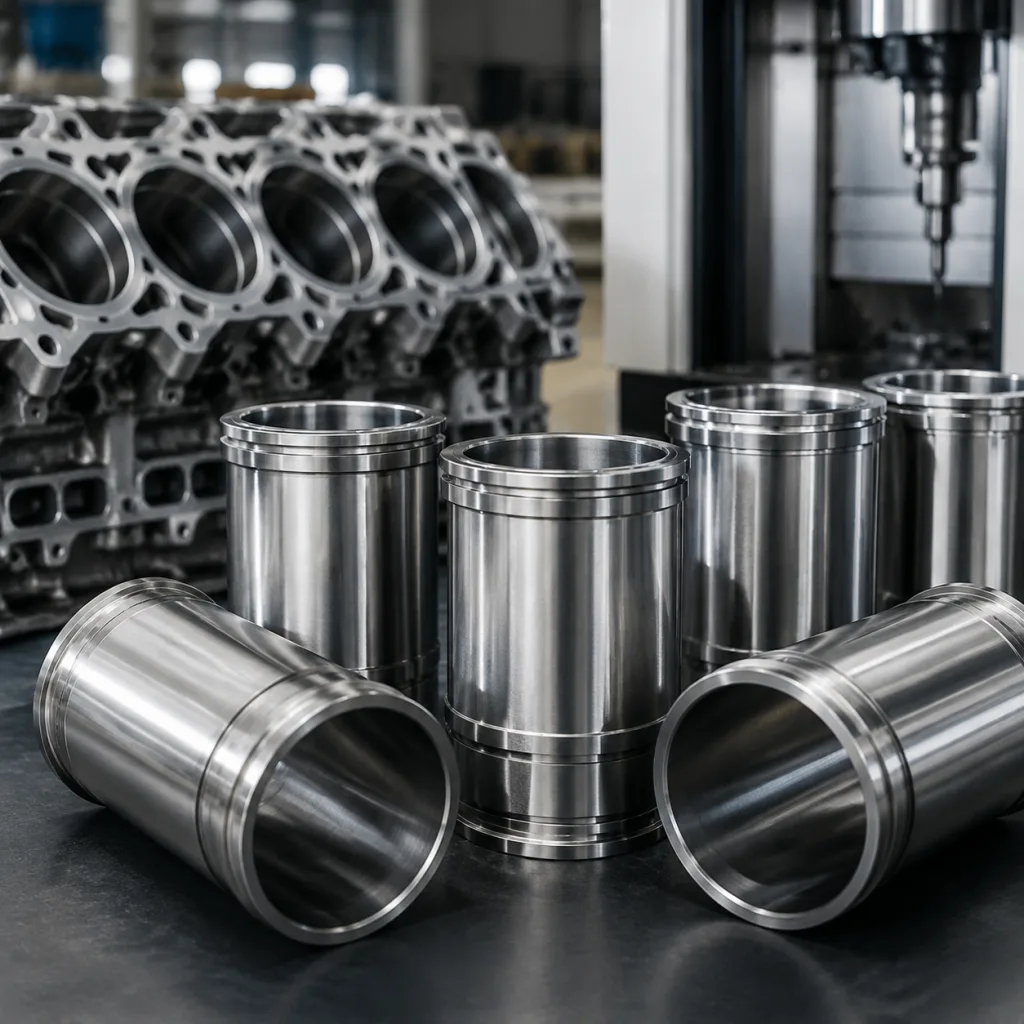
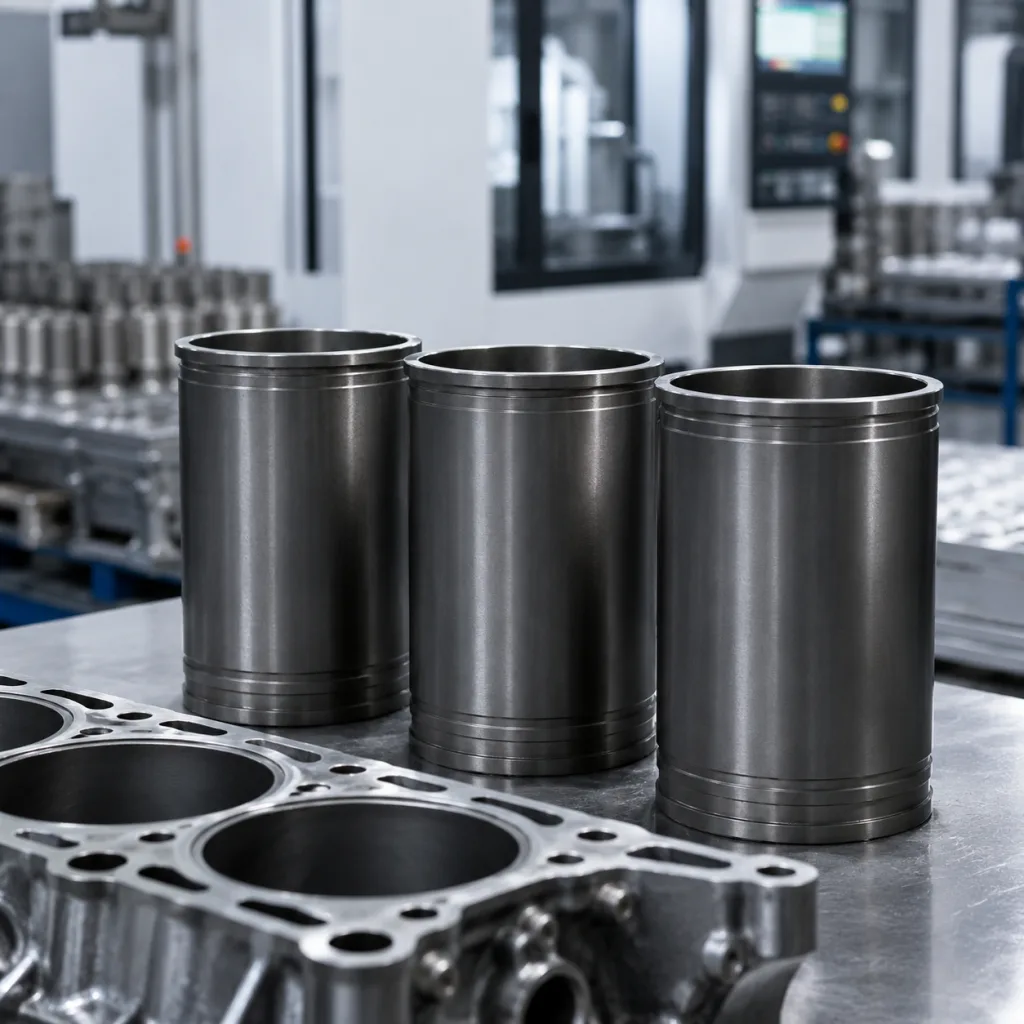
The required machining state should also be stated clearly. Some buyers need a rough casting for local machining, while others need a semi-finished block, a fully machined bare block, or an assembled short-block programme. For a finished replacement block, confirm cylinder bore diameter, bore finish, main bearing housing size, deck surface finish, thread preparation, plug installation, and whether liners, dowels, core plugs, or oil gallery plugs are included. If the block will be used in a rebuilding network, standardizing the delivered condition is essential so every branch follows the same assembly process.
Procurement teams should also confirm commercial and logistics basics early: minimum order quantity, pallet count, net and gross weight, carton or crate dimensions, export packaging, incoterms, and expected loading plan. For multi-location repair chains and regional distributors, consistent pack labeling, barcode format, batch coding, and part traceability reduce receiving errors and warranty claims. The first sourcing conversation should end with a shared specification sheet, not only a price, because price is meaningful only when the casting, machining level, inspection standard, packaging method, and shipment terms are all aligned.
Specification comparison for procurement review
A practical procurement review should compare each supplier against the same specification table. At minimum, include casting material, casting process, applicable engine code, bore size, bore spacing, deck height, main bearing tunnel dimensions, head bolt pattern, coolant passage layout, oil gallery layout, mounting points, plug and dowel content, machining state, surface finish targets, and inspection method. This prevents a low quotation from being compared with a more complete offer that includes machining, cleaning, pressure testing, protective oiling, export packaging, and documentation.
Fitment data should be handled with discipline. OE-style references, aftermarket catalogue numbers, and customer part numbers are useful starting points, but they should be supported by engine code confirmation and physical feature checks. When buyers submit an OE 06A107065-style listing or similar reference, Driventus treats it as fitment information only and reviews whether the available specification, drawing, or sample data supports the requested application. Brand names and OE references should not be treated as evidence of approval, endorsement, or identical production origin.
The comparison should also separate standard replacement supply from programme-specific development. Standard wholesale supply is suitable when the application, machining state, and inspection requirements already match an existing controlled product. If you need programme-specific machining, additional bosses, revised packaging, special inspection reports, private-label cartons, or a design tied to your own drawings, custom manufacturing is the appropriate route when the drawing package and annual volume justify it. In either case, the buyer should maintain a written approval file showing the selected specification, accepted sample status, packaging approval, and any deviations agreed before mass production.
Material, machining, and tolerance points that matter
Engine blocks operate under thermal cycling, combustion load, clamping force, coolant exposure, and oil pressure, so material and machining controls are central to wholesale reliability. Buyers should confirm whether the block is gray cast iron, aluminum alloy, or another specified material, then request the relevant chemical composition and mechanical property targets. For cast iron blocks, graphite structure, hardness range, and casting soundness affect machinability and durability. For aluminum blocks, alloy grade, heat treatment condition, porosity control, liner interface, and thread strength are especially important.
Machining quality is usually where sourcing risk becomes visible. Critical checkpoints include cylinder bore diameter, roundness, cylindricity, surface roughness, deck flatness, main bearing tunnel alignment, crankshaft centerline position, cam or balance shaft bore alignment where applicable, head bolt thread quality, and gasket surface finish. Typical buyer targets for these parts are in the hundredths of a millimeter range, so a bore roundness or deck flatness issue that looks minor can still affect ring seal, head gasket sealing, or bearing life. Coolant and oil passages should be clean, free of residual sand or chips, and protected against corrosion after washing. Threaded holes, dowel holes, sensor ports, and plug seats should be inspected because small deviations can stop installation even when the main casting appears correct.
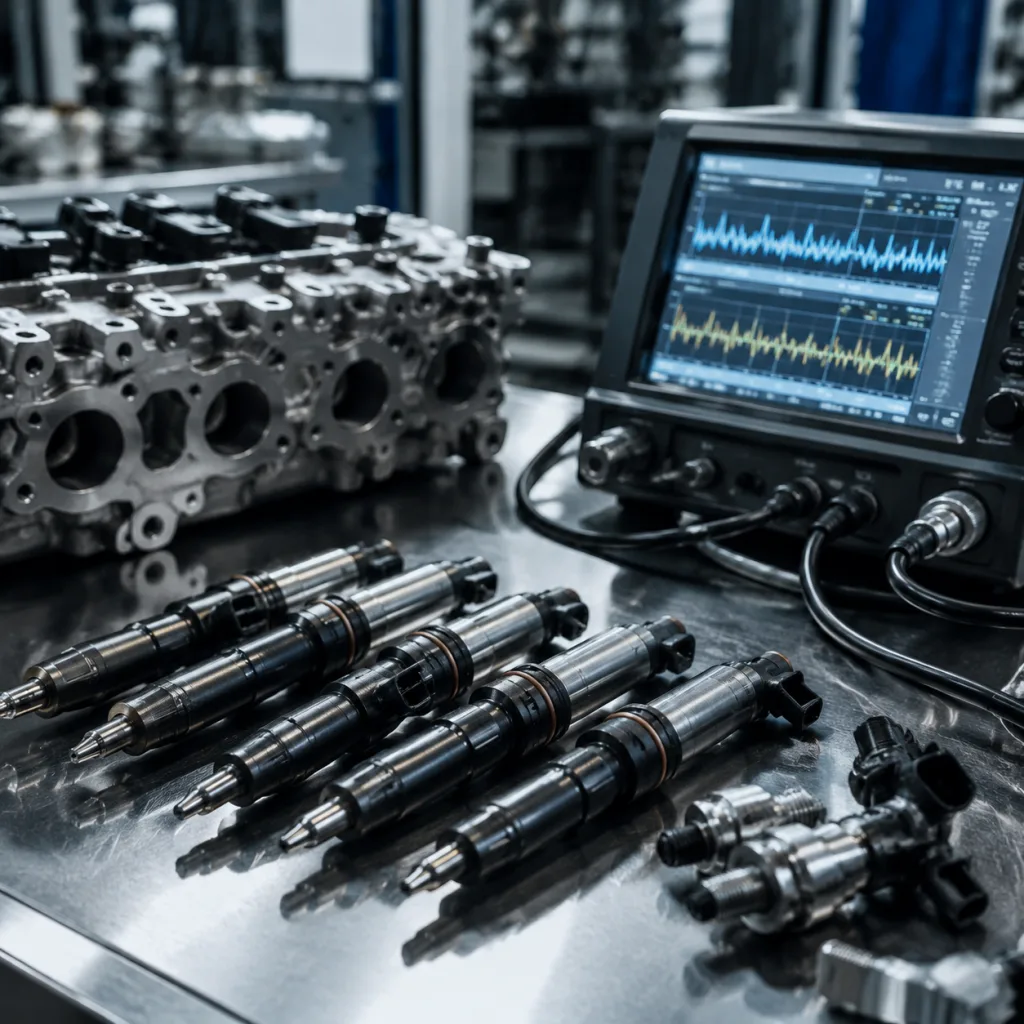
Tolerance expectations should be defined before production rather than negotiated after a claim. Ask whether inspection is performed with CMM, bore gauges, height gauges, thread gauges, pressure-test equipment, or dedicated fixtures, and confirm which characteristics are checked on every piece versus by sampling. For high-risk features, many buyers ask for a first-article report showing measured values rather than only a pass/fail result. Samples should be checked not only visually but also through trial assembly with the intended crankshaft, cylinder head, gasket, oil pump, mounts, and ancillary components when these parts are available.
Quality documents to request before order approval
Documentation is what turns a promising engine block Citroen wholesale offer into an auditable supply option. Before order approval, buyers should request a product specification sheet, drawing or controlled dimensional list where available, material certificate, process flow, control plan, inspection report format, pressure-test method if applicable, and packaging specification. For the first batch, a first-article inspection report should show the measured values for critical dimensions, not only a pass/fail statement. Batch traceability should connect the shipped parts to casting date, machining date, inspection record, and packing list.
Quality-system documents are also important for importer and distributor due diligence. Driventus works with a quality system aligned to IATF 16949:2016 and ISO 9001:2015, and buyers can request relevant certification information, inspection workflow details, and export documentation as part of supplier evaluation. Depending on the destination market, the approval file may also include commercial invoice, packing list, certificate of origin, HS code confirmation, shipping marks, and private-label artwork approval. For repeat programmes, agree how nonconforming parts are reported, contained, and corrected, including photo evidence, measurement records, and corrective action timing.
For regulated markets, confirm chemical compliance where relevant and ensure no restricted substances are used in coatings, lubricants, anti-rust treatments, labels, cartons, pallets, or packaging materials covered by REACH (EC) No 1907/2006. Buyers may also need RoHS-related declarations for certain accessory items, fumigation or wood-packaging compliance for export pallets, and market-specific labeling rules. A strong document package does not replace technical inspection, but it makes supplier approval faster and gives purchasing, quality, logistics, and sales teams the same reference point when the programme moves from sample order to recurring wholesale supply.
Lead time, MOQ, and factory audit expectations
Lead time depends on whether the engine block is available from an existing programme, requires machining setup, or needs new casting and tooling work. For standard wholesale supply, the timeline usually includes stock confirmation, quotation, sample or specification approval, production scheduling, machining, inspection, packing, and export booking. For custom or low-frequency applications, buyers should allow additional time for drawing review, fixture preparation, sample casting, dimensional correction, and first-article approval. Clear demand forecasts help the supplier reserve capacity and reduce the risk of partial shipment during peak export periods.
MOQ should be reviewed together with packaging and cash-flow requirements. A lower unit price may require full-pallet or container-level purchasing, while a mixed programme can sometimes improve container utilization by combining engine blocks with related engine parts. Buyers should confirm whether mixed SKUs are allowed, how cartons and pallets are labeled, whether parts can be packed by destination branch, and what spare quantity is recommended for after-sales support. Driventus can discuss mixed programme supply where the same factory supports blocks, gaskets, water pumps, and related engine parts under a controlled export workflow.
Factory audit expectations should be realistic and tied to the risk of the programme. For a new engine block supplier, buyers commonly review casting control, machining equipment, gauge calibration, cleaning process, pressure-test capability, final inspection, nonconformance handling, warehouse conditions, packaging area, and traceability records. Remote audits can be supported with process photos, video checks, certificates, and sample documents, while higher-volume programmes may justify an on-site visit or third-party inspection. The best time to align audit requirements is before the purchase order, so the supplier can prepare the right records and the buyer can avoid delays at shipment release.
Frequently asked questions
Yes, when the engine code and reference data are provided. We use OE-style cross-references for fitment only and do not claim OEM approval.
Send the engine code, OE reference if available, required machining state, annual volume, target market, and any packaging or test requirements.
Yes. Programme-specific supply is handled through drawing review, sample approval, and agreed QC checkpoints under custom manufacturing.
For pricing, documentation, and fitment review, please [request a quote](/contact.html) and share your reference number, quantity, and target delivery schedule.
Request a Quote