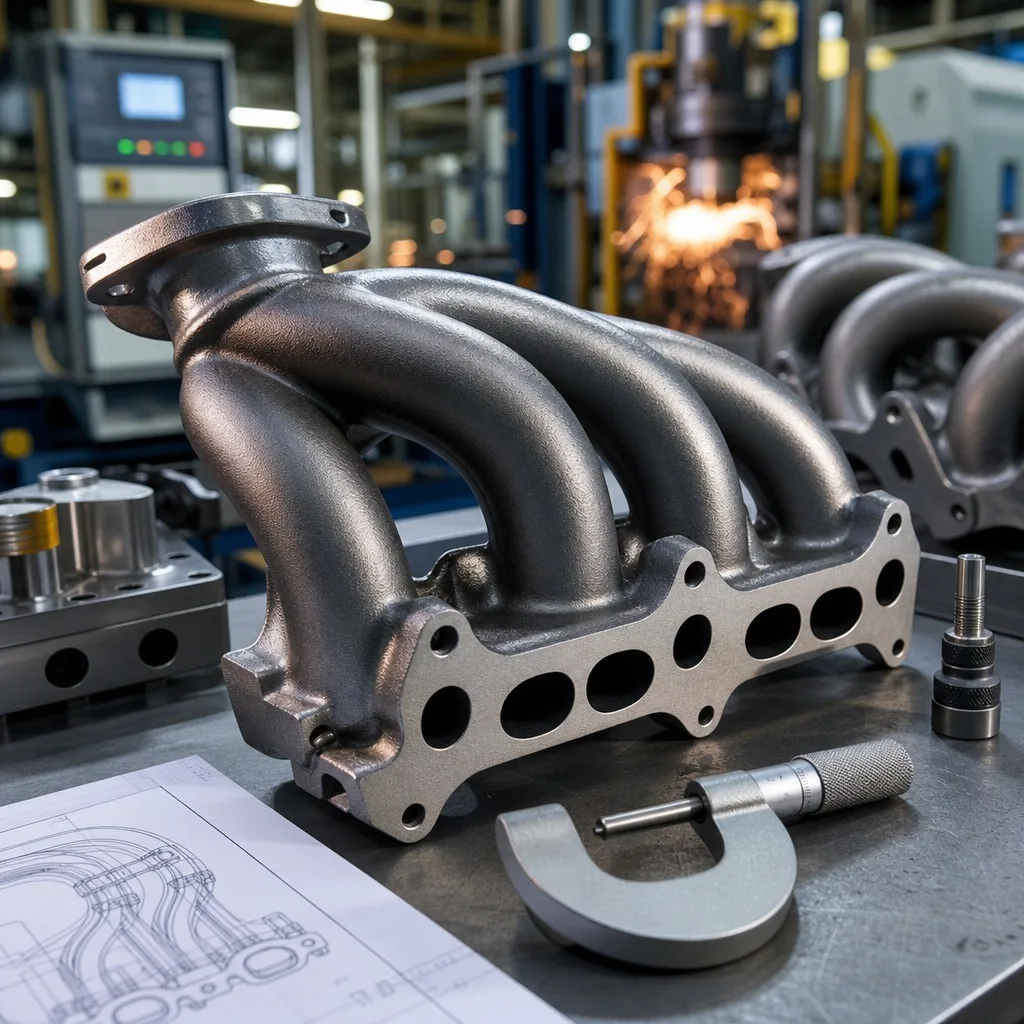
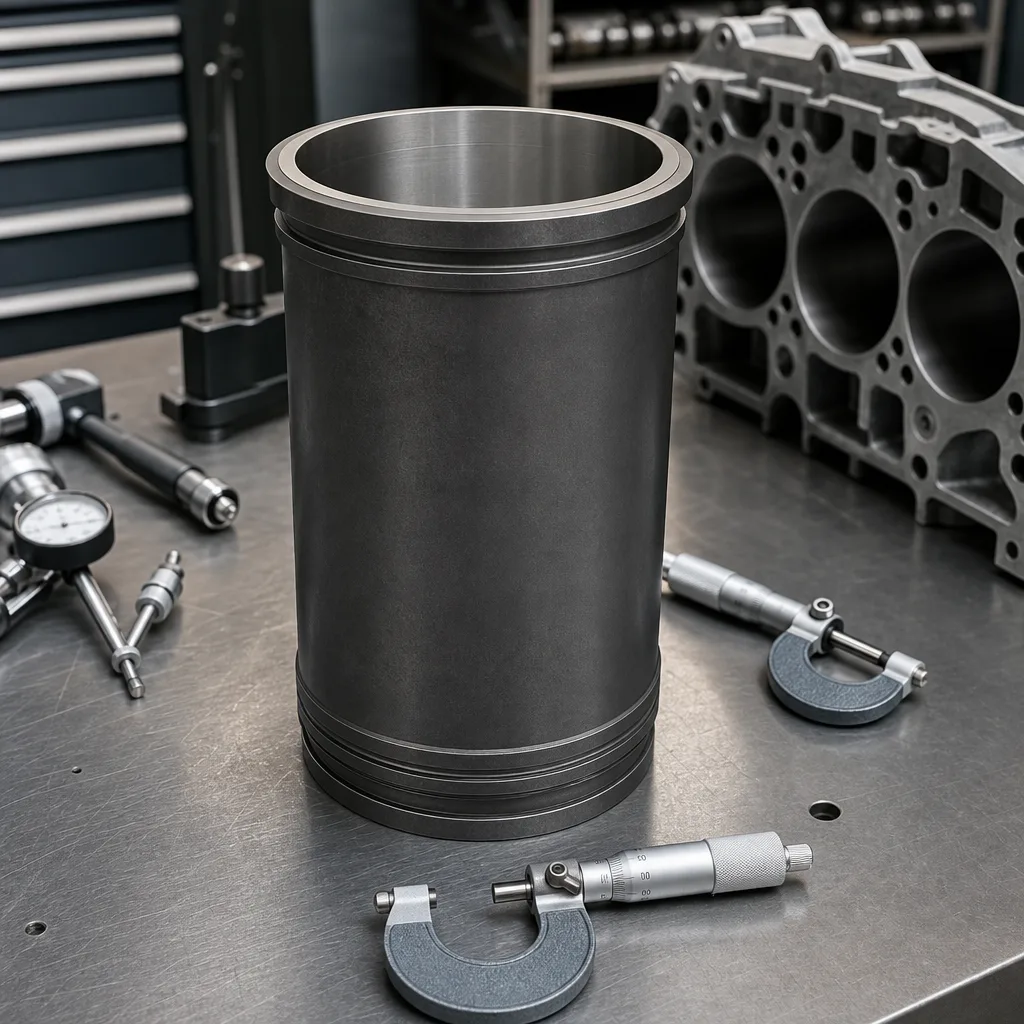
Engine Bearing Infiniti Supplier for B2B Sourcing
Choosing an engine bearing Infiniti supplier is rarely a simple search for the lowest catalogue price. Procurement teams need stable shell geometry, dependable bearing metallurgy, careful cross-reference handling, and repeatable fitment from one production lot to the next. In main and connecting-rod bearings, small changes in wall thickness, crush height, oil-hole position, or thrust-face geometry can influence oil clearance, seating pressure, noise, and service life. The risk is higher when the same bearing family is supplied to distributors, engine rebuilders, repair chains, or regional importers, each with its own labels, inspection records, and approval files.
Driventus supplies main bearings and connecting-rod bearings for passenger-car and light-commercial engine programmes, with support designed for B2B purchasing rather than one-off retail orders. We review engine code and application data, compare OE/OES and aftermarket cross references, check drawing or sample details, and confirm whether the requirement is a standard replacement part, an undersize service part, or a custom build. When a buyer needs added protection, we can also review overlay or polymer coating, packaging, carton marking, and traceability requirements before production release.
For most procurement teams, the first commercial decision comes down to four practical questions: is the fitment correct, is the lot traceable, is the lead time predictable, and does the documentation support supplier approval in the destination market? Our process is built around measurable control points, export-ready records, and production planning aligned to annual demand and call-off schedules. Driventus is an independent aftermarket manufacturer; brand names are referenced for fitment only.
Fitment control for Infiniti applications
A capable engine bearing Infiniti supplier treats fitment as an engineering control point, not a quick catalogue match. Infiniti applications can vary by engine code, crankshaft journal diameter, housing bore, shell width, oil-hole position, locating tang geometry, groove layout, and thrust bearing configuration, even when the vehicles look similar at model level. A reliable sourcing decision starts with exact application data, then works back to the validated bearing specification.
Before quotation or sample release, buyers should confirm:
- Engine code, model year range, displacement, and market application.
- Main or connecting-rod bearing position, including upper/lower shell differences where applicable.
- Standard, 0.25 mm undersize, 0.50 mm undersize, or other service size based on the crankshaft regrind specification.
- Groove design, oil-hole pattern, locating tang position, and thrust features required by the block, cap, and crankshaft.
- OE/OES number, aftermarket cross reference, approved drawing, or physical sample where the application is not already validated.
- Any buyer-specific packaging code, barcode format, country-of-origin wording, or label language needed for the destination market.
Typical fitment control points include:
- Finished wall thickness checked against drawing values or validated fitment records, usually controlled in micron-level ranges for production release.
- Bearing crush height and back-contact verified so the shell seats correctly in the housing bore and maintains retention under thermal cycling.
- Oil clearance reviewed at assembly using journal diameter, housing bore, and shell thickness data rather than assumed from nominal catalogue dimensions alone.
- Tang location, shell width, oil-hole diameter, groove length, and thrust-face geometry compared with the mating components.
- Standard and undersize parts segregated by size class, lot, and label code so warehouse teams do not mix similar-looking SKUs.
For buyers managing multiple countries or private-label channels, the same part family is often sold under different commercial descriptions. We keep fitment records tied to application data, cross references, sample approvals, and lot information, so approvals rest on traceable technical evidence rather than informal catalogue matches. Brand names are referenced for fitment only.
Bearing constructions and buyer trade-offs
Different duty cycles call for different shell constructions. The lowest nominal purchase price is not always the lowest programme cost once warranty exposure, oil quality variation, and service severity are included. The right specification depends on journal load, oil cleanliness, start-stop frequency, oil temperature, service interval, and the buyer's target market position.
| Construction | Typical use | Buyer focus | Trade-off |
|---|---|---|---|
| Bi-metal steel-backed aluminium alloy | High-volume replacement programmes and price-sensitive distribution | Stable cost, broad coverage, good corrosion resistance, and everyday service performance | Lower fatigue margin than tri-metal constructions in high-load or poor-lubrication service |
| Tri-metal steel-backed copper-lead alloy with overlay | Higher load, hotter running, turbocharged, or warranty-sensitive programmes | Better fatigue resistance, embeddability, and seizure protection when oil film conditions vary | Higher material and process cost, with tighter overlay and bond inspection requirements |
| Coated shell | Start-stop use, mixed fleet operation, marginal lubrication events, or premium rebuild programmes | Added protection during boundary lubrication, cold starts, and short-duration oil starvation | Coating thickness, adhesion, and cure consistency must be validated carefully |
| Topic | Procurement consideration | What we can support |
|---|---|---|
| MOQ | Depends on whether the item is an active catalogue part, a grouped engine-family order, or a custom build with dedicated setup | MOQ is defined by SKU mix, tooling status, size class, material choice, coating requirement, and packaging format; catalogue items can often be combined by family |
| Lead time | Buyers need to distinguish between repeat production, new sample approval, and special material or coating requirements | Planned production for standard parts, with first-off approval, dimensional review, and packing approval milestones for custom programmes |
| Sampling | Early samples reduce the risk of releasing the wrong fitment, undersize class, or shell construction into the market | Dimensional samples, approval pieces, and retained reference samples before volume release when sign-off is needed |
| Packaging | Correct counts, labels, and carton structure reduce warehouse errors and relabelling cost | Neutral cartons, buyer artwork, barcode labels, bulk packs, master cartons, pallet marks, and retail-ready formats |
| Export documents | Import clearance and customer onboarding often require more than a commercial invoice | Commercial invoice, packing list, origin paperwork, and compliance declarations where required by the order or destination market |