EGR Valve Seat Wholesale: Sourcing Guide for B2B Buyers
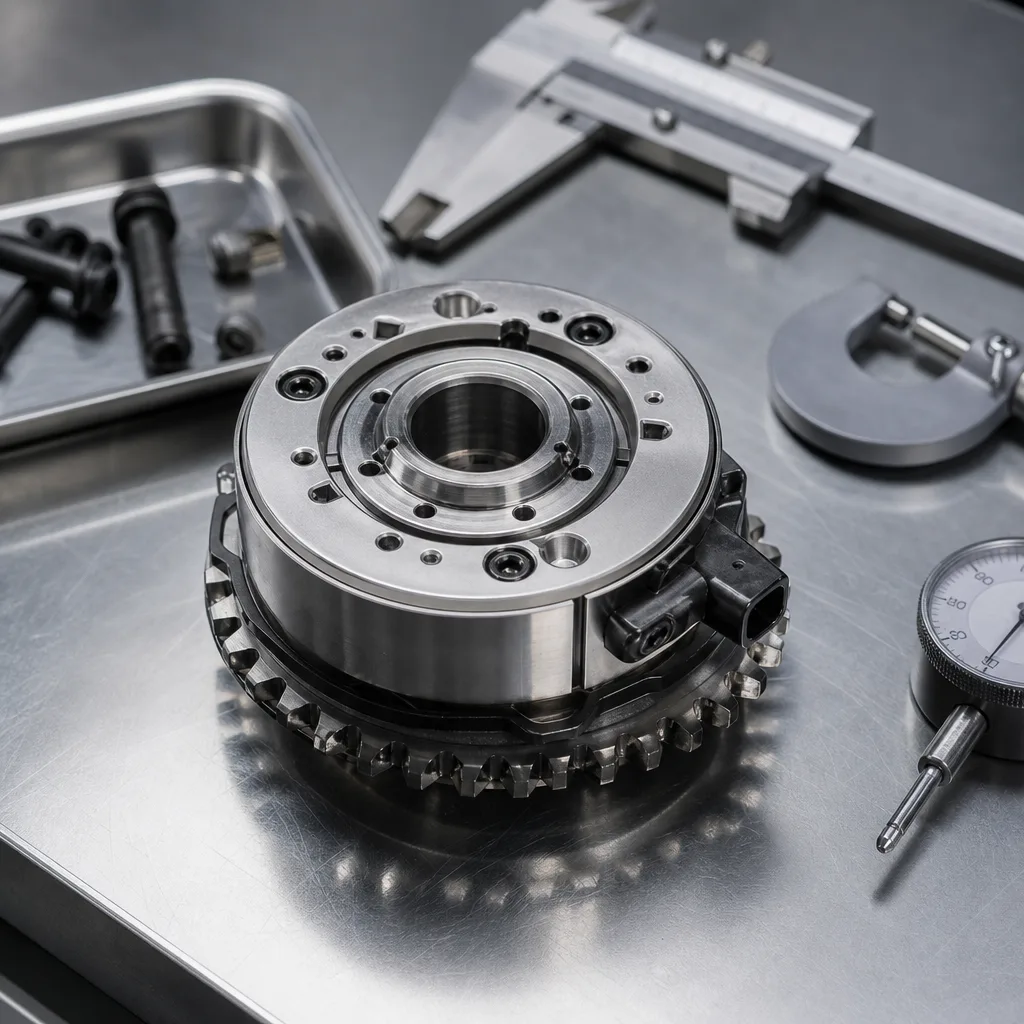
EGR valve seat wholesale sourcing is a parts procurement exercise, not a commodity purchase. The seat controls closing accuracy, leakage rate, carbon tolerance, and long-term valve stability. For distributors, wholesalers, and engine repair networks, the main risk is not price alone; it is dimensional drift, poor surface finish, and inconsistent material hardness across batches. Driventus manufactures engine and powertrain components in Taizhou, Zhejiang, with IATF 16949:2016 and ISO 9001:2015 systems in place. We support B2B buyers who need repeatable supply, inspection records, and export documentation. Driventus is an independent aftermarket manufacturer; brand names are referenced for fitment only. If you are qualifying a new source for EGR valve seats, the buying decision should start with fitment data, process control, and validation methods, then move to lead time and MOQ. This article sets out the points procurement teams should verify before placing a standing order or trial shipment.
What buyers should define before RFQ
For an EGR valve seat, the RFQ should define the part by function and by measurable geometry. A vague request such as “seat for diesel EGR valve” is not enough for repeat orders.
Include these items in the enquiry:
OE cross-reference when available, for example OE 06A107065
Outer diameter, inner diameter, thickness, and any locating step
Sealing angle or mating cone geometry
Material specification and hardness range
Surface finish requirement on the sealing face
Temperature and corrosion exposure expected in service
Annual volume, target MOQ, and call-off pattern
Packaging, labelling, and country-of-origin needs
For buyers handling multiple vehicle platforms, a dimensional drawing is better than a sample-only request. If the seat is part of a repair kit, confirm whether the full EGR valve assembly, insert, or valve seat alone is being sourced. That distinction affects tooling, inspection gauges, and inventory planning.
Material and process controls that affect sealing performance
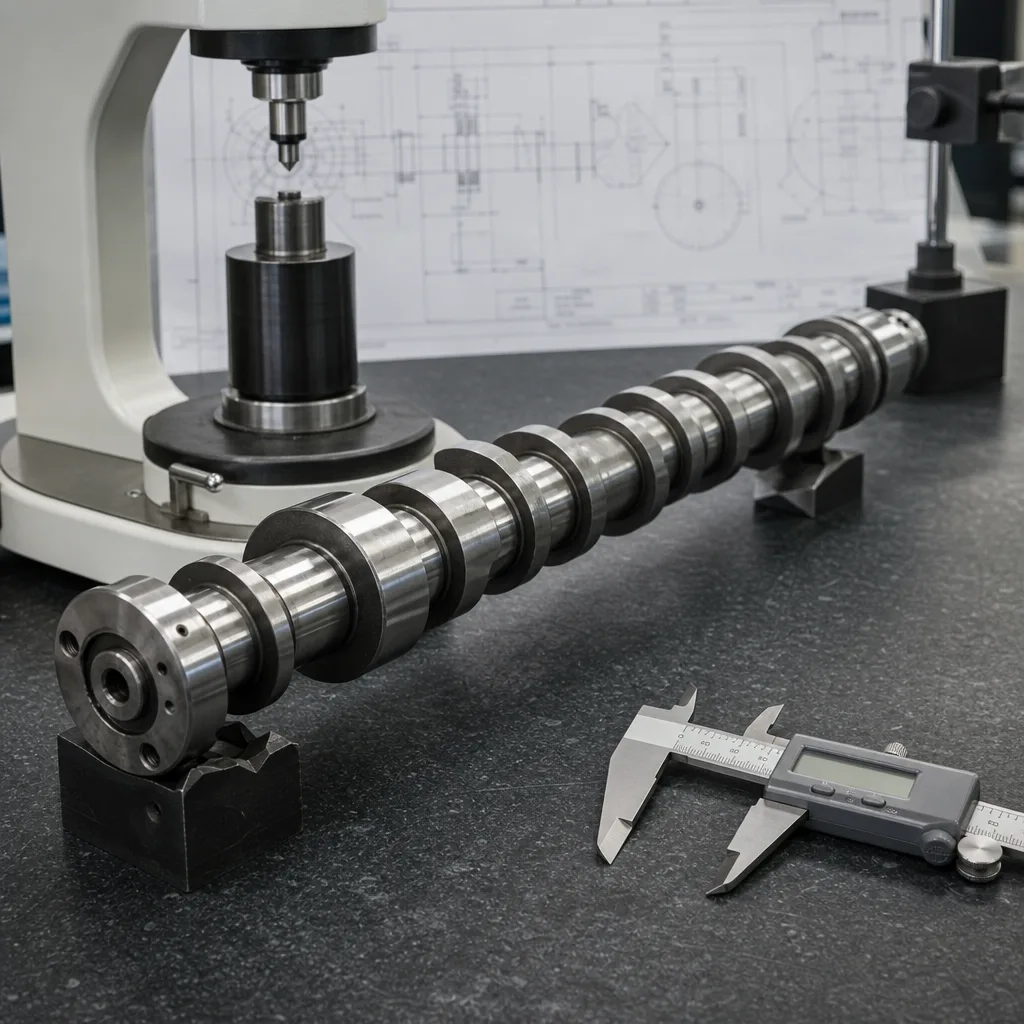
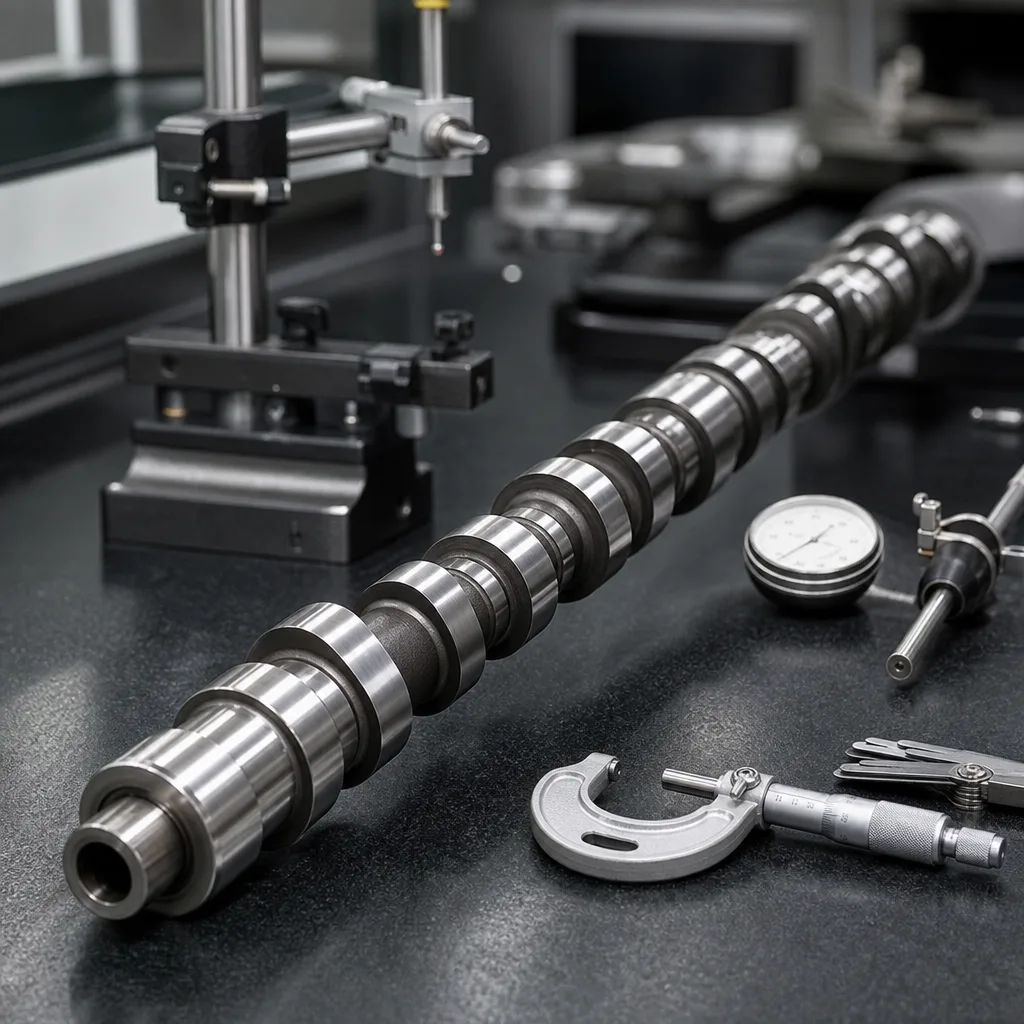
The seat has a direct effect on exhaust gas leakage and valve repeatability. Most procurement issues come from unstable metallurgy or inconsistent machining rather than from the design itself.
Typical buyer checks include:
Control item
Why it matters
Typical procurement question
Base material
Affects wear, oxidation resistance, and thermal stability
Is the seat made from stainless steel, sintered alloy, or a machined steel blank?
Hardness
Influences seat wear and contact stability
What hardness range is held after heat treatment?
Concentricity
Affects valve closure and leakage
What concentricity tolerance is measured on the sealing face?
Surface finish
Impacts sealing and carbon build-up
What Ra value is controlled on the contact surface?
Cleanliness
Reduces debris contamination in assembly
Is final cleaning and anti-rust packing included?
</tr></thead><tbody> </tbody></table>For export programs, ask for traceability by batch and inspection record retention. Buyers in the EU and UK often require compliance support for REACH (EC) No 1907/2006 on material declarations. For end-market validation, EGR systems are often benchmarked under emissions durability methods such as ECE R-83 and SAE J2527, depending on the test plan used by the customer. These standards do not replace vehicle-specific validation, but they help frame corrosion and durability expectations.
Wholesale supply terms: MOQ, lead time, and packaging
Wholesale pricing only makes sense when supply terms match the buyer’s inventory model. A low unit price can be offset by unstable replenishment or poor carton protection.
What to confirm before approval:
MOQ by part number and by order mix
Sample lead time and mass-production lead time
Tooling ownership if a custom seat is required
Carton count, inner pack quantity, and label format
Palletisation for export loads
Inspection certificate availability with each shipment
For distributors, the most practical model is often a staged launch: first sample approval, then a pilot order, then a blanket PO with scheduled releases. That approach reduces dead stock and helps confirm fitment before volume commitment. If the seat is sold alongside other engine parts, review our catalog and engine components pages to align part family scope before you open the RFQ.
Lead time should be stated in working days and tied to tooling status. If custom machining or new gauges are needed, buyers should expect a longer qualification period than for an existing catalogue item.
How to qualify a supplier without a plant visit
If a factory audit is not possible, procurement teams can still screen a source effectively. The aim is to reduce risk before samples are shipped.
A practical supplier check list:
1. Confirm certification status for IATF 16949:2016 and ISO 9001:2015. 2. Request recent dimensional inspection reports for the exact seat drawing. 3. Ask for process flow, heat-treatment control, and final inspection steps. 4. Review packaging photos to check protection of the sealing face. 5. Ask how nonconforming batches are segregated and traced. 6. Confirm whether the factory supports customer-specific drawings and gauges through custom manufacturing.
A reliable supplier should be able to explain how the seat is machined, inspected, and packed without relying on vague claims. If the answer is limited to “good quality” or “OEM standard,” the source is not ready for procurement qualification. Buyers should also ask for the quality manual summary and corrective action process through the quality system page before moving to commercial terms.
Comparison of sourcing options
Different buyer channels need different levels of control. The table below compares common sourcing routes for EGR valve seat programs.
Sourcing option
Cost profile
Control level
Best for
Main risk
Stock catalogue seat
Lower setup cost
Moderate
Fast-moving aftermarket demand
Limited fitment coverage
Custom machined seat
Higher initial cost
High
OEM, Tier-1, or special fitment
Longer qualification time
Kit-based supply
Medium
Moderate to high
Repair chains and distributors
Kit contents may vary by region
Mixed-batch wholesale
Lowest unit cost at volume
Lower unless controlled
Price-sensitive distribution
Dimension mismatch across lots
</tr></thead><tbody> </tbody></table>For most procurement teams, the preferred path is a standardised drawing with controlled batch production. That gives better repeatability than a loose interchange-only purchase. If the application covers several engine families, ask the supplier to separate all OE references by fitment and note any revisions or supersessions. A valid wholesale offer should define the exact version supplied, not only the family name.
Why documentation matters in export supply
Documentation is part of the part. For cross-border supply, the buyer needs documents that support customs clearance, internal quality review, and warranty traceability.
Minimum documentation set:
Commercial invoice and packing list
Country-of-origin statement
Material declaration where required
Inspection report or certificate of conformity
Batch or lot identification on cartons
Dimensional drawing revision reference
For EU and UK buyers, documented control of restricted substances and stable production records are often reviewed during supplier onboarding. US and Canadian buyers commonly focus on traceability and delivery consistency, while Brazilian importers often require careful alignment of commercial and customs data. These requirements do not change the part geometry, but they affect whether the supply chain works without delays.
If you are building a multi-line sourcing programme, Driventus can support catalogue supply and customer-specific versions under controlled processes. Start with a technical enquiry through request a quote so the engineering and purchasing teams can review the same drawing, revision, and volume target.
Frequently asked questions
OE cross-reference helps, but it should not be the only control. Confirm dimensions, sealing angle, material, and revision level before ordering. OE 06A107065-style references should be matched with a drawing or sample.
MOQ depends on whether the seat is catalogue-based or custom machined. Standard items usually have a lower MOQ; custom seats require tooling and setup coverage. Ask for MOQ by part number and by mixed order.
Ask for inspection records, batch traceability, packing details, and certification status. For compliance, request confirmation of IATF 16949:2016, ISO 9001:2015, and any material declaration needed for your market.
If you are building a supplier shortlist or need a controlled quotation for your programme, send the drawing, OE reference, and target volume. Our team can review fitment and lead time through /contact.html