EGR Cooler Land Rover Supplier: Sourcing Guide
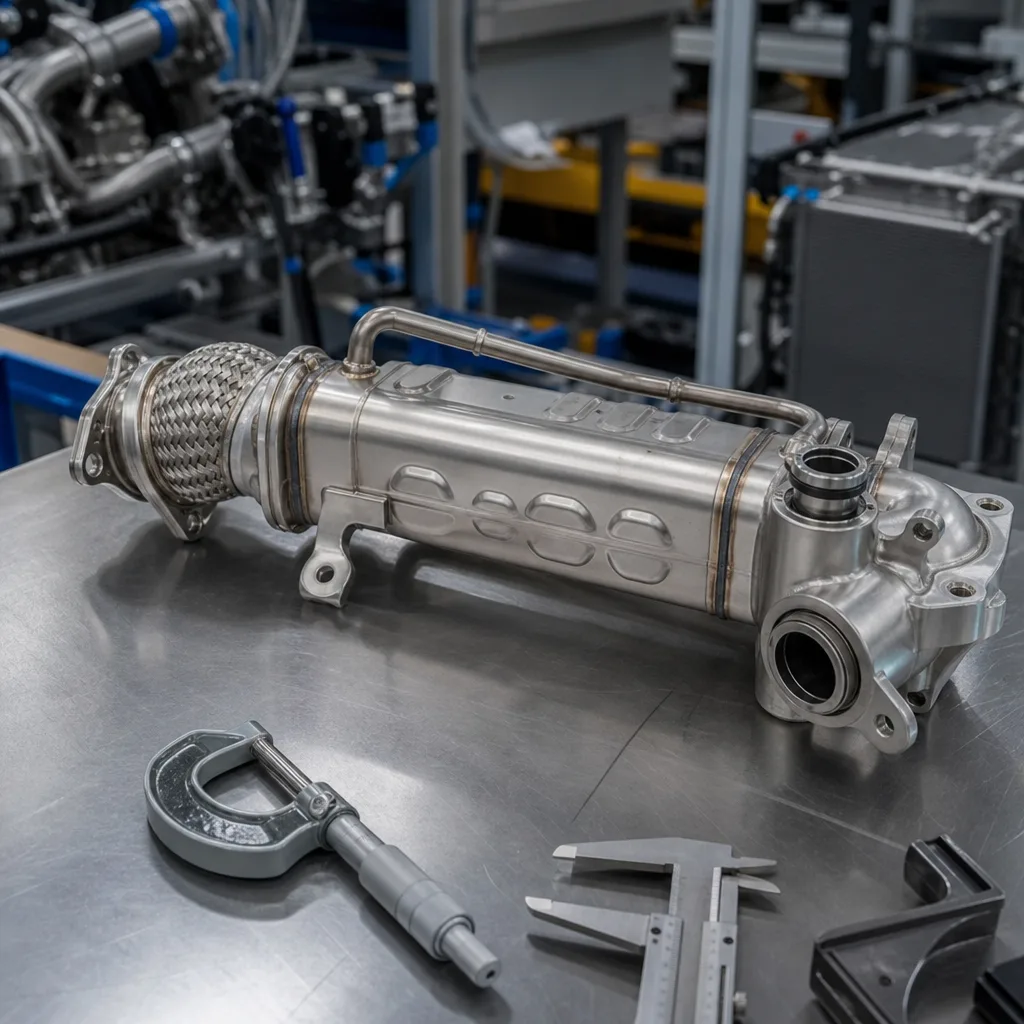
Buying an EGR cooler for Land Rover applications is a sourcing task, not a catalogue exercise. Procurement teams need dimensional match, stable heat-exchanger performance, traceable materials, and lead times that fit service-parts demand. For diesel platforms used in Discovery, Range Rover, Defender, and related fleet applications, the main risks are poor weld quality, internal leakage, restricted coolant flow, and inconsistent mounting interfaces. A supplier should be able to confirm OE-fitment data, share test evidence, and support packaging for export markets. Driventus is an independent aftermarket manufacturer; brand names are referenced for fitment only. We supply B2B buyers who need repeatable production, documentation, and clear commercial terms. If you are qualifying a new EGR cooler Land Rover supplier, the right questions are about validation, not just price.
What buyers should verify first
For Land Rover EGR cooler sourcing, start with the fitment record and the cooling circuit design. Do not approve a part on visual similarity alone.
- Engine family and vehicle application
- Mounting points, port orientation, and bracket geometry
- Core dimensions, fin or tube construction, and gasket interface
- Coolant and exhaust-side pressure resistance
- Material declaration for housings, tubes, brazing, and seals
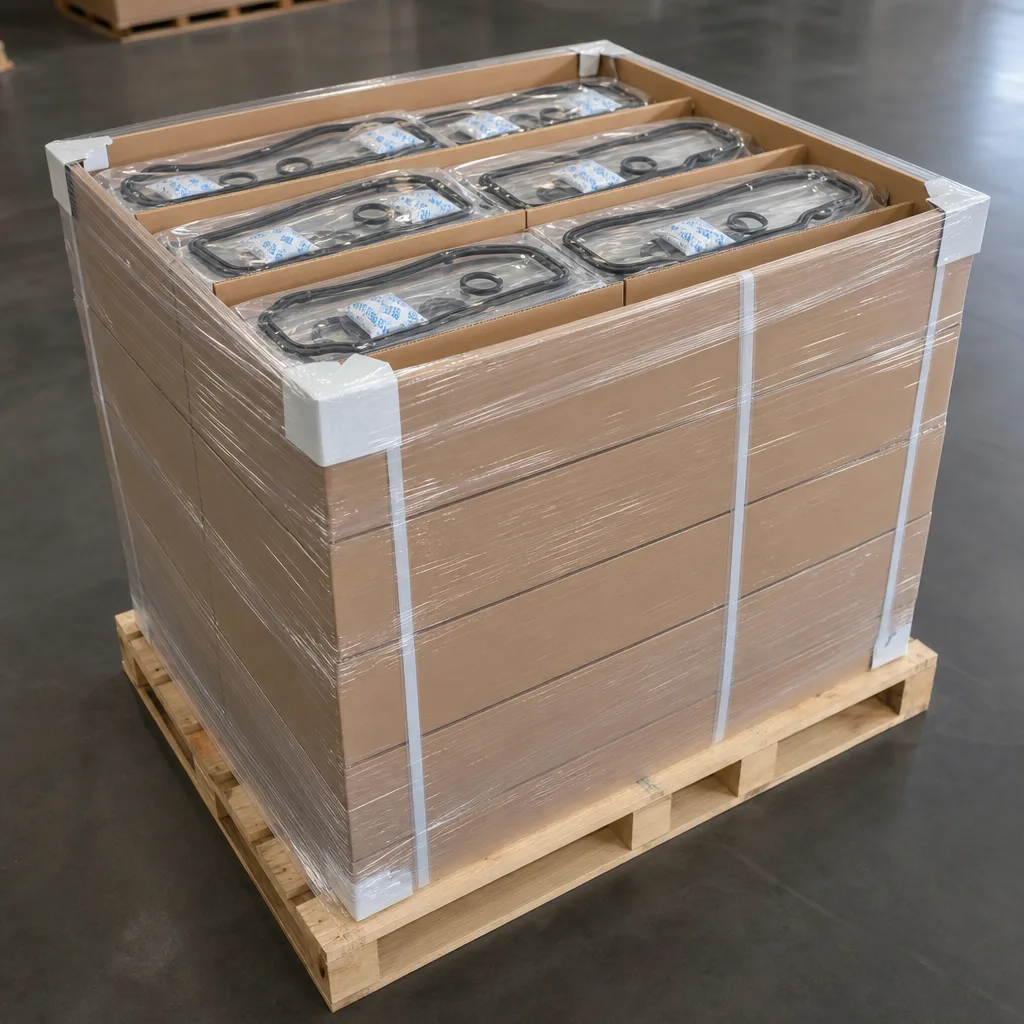
- Packaging standard for export and warehouse handling
A disciplined supplier should map each part to application data, then confirm revision control before mass production. If your team handles multiple channels, the same part may need different labels, cartons, and barcode logic for retail distribution and workshop supply. You can review our catalog and the broader engine component range before issuing an RFQ.
Typical EGR cooler specification points
A serious sourcing review should include a specification sheet, not only a photo and part number cross-reference. The table below shows the data points that matter most in qualification.
| Item | What to confirm | Why it matters |
|---|---|---|
| Core type | Tube-and-fin, plate, or mixed design | Affects heat transfer and pressure drop |
| Materials | Stainless steel, aluminium housing, brazed joints | Corrosion resistance and durability |
| Leak test | Coolant-side and exhaust-side pressure test | Detects weld and seal defects |
| Thermal cycling | Repeated hot-cold cycles | Reveals fatigue and joint movement |
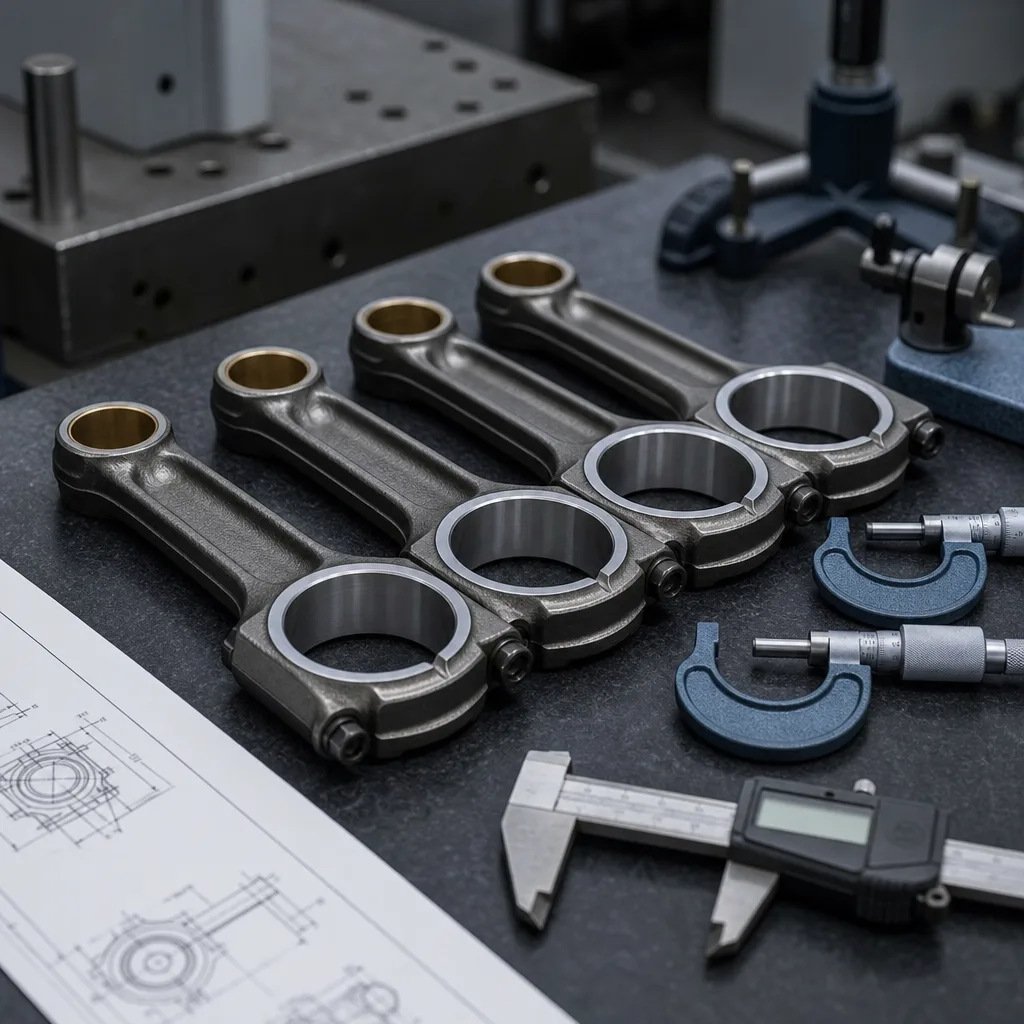
| Dimensional control | Port location, flange flatness, bracket alignment | Prevents installation issues |
| Documentation | PPAP-style data, inspection reports, batch traceability | Supports buyer approval and audit trails |