Procurement teams sourcing an EGR cooler GMC OEM supplier need more than a price list. The part must match mounting geometry, coolant and exhaust interfaces, thermal load, and emissions-related durability targets. For fleet, aftermarket, and Tier-1 programmes, the main risks are dimensional drift, weld leakage, corrosion, and inconsistent test coverage across batches. Driventus manufactures engine and powertrain components in Taizhou, Zhejiang, and supplies B2B customers in 60+ countries under IATF 16949:2016 and ISO 9001:2015 controlled processes. Driventus is an independent aftermarket manufacturer; brand names are referenced for fitment only. For buyers, the practical questions are MOQ, lead time, validation method, and whether the supplier can support OE 06A107065-style cross-references without claiming vehicle-maker approval. The sections below focus on sourcing criteria, quality controls, and what to verify before sending an RFQ.
What procurement teams should verify first
For an EGR cooler programme, the first filter is fitment data. Buyers should confirm engine code, coolant hose orientation, flange pattern, overall envelope, bracket points, and sensor or bypass-port locations. If the application uses OE cross-references, keep the part-number format controlled and document the exact vehicle platform separately.
Key items to confirm before quoting:
Coolant-side pressure limit and leak test requirement
Exhaust-side thermal cycling duty and soot exposure
Weld style, tube material, and header plate thickness
Mounting point tolerances and gasket face flatness
Corrosion protection requirement for humid or salted markets
Why GMC sourcing projects need strict dimensional control
GMC applications often run in mixed-duty cycles: stop-start urban use, towing, and extended highway load. That combination increases thermal shock and stresses brazed or welded joints. If the cooler geometry is off by even a few tenths of a millimetre at the flange face, installers may see gasket compression problems, misaligned brackets, or recurring leak claims.
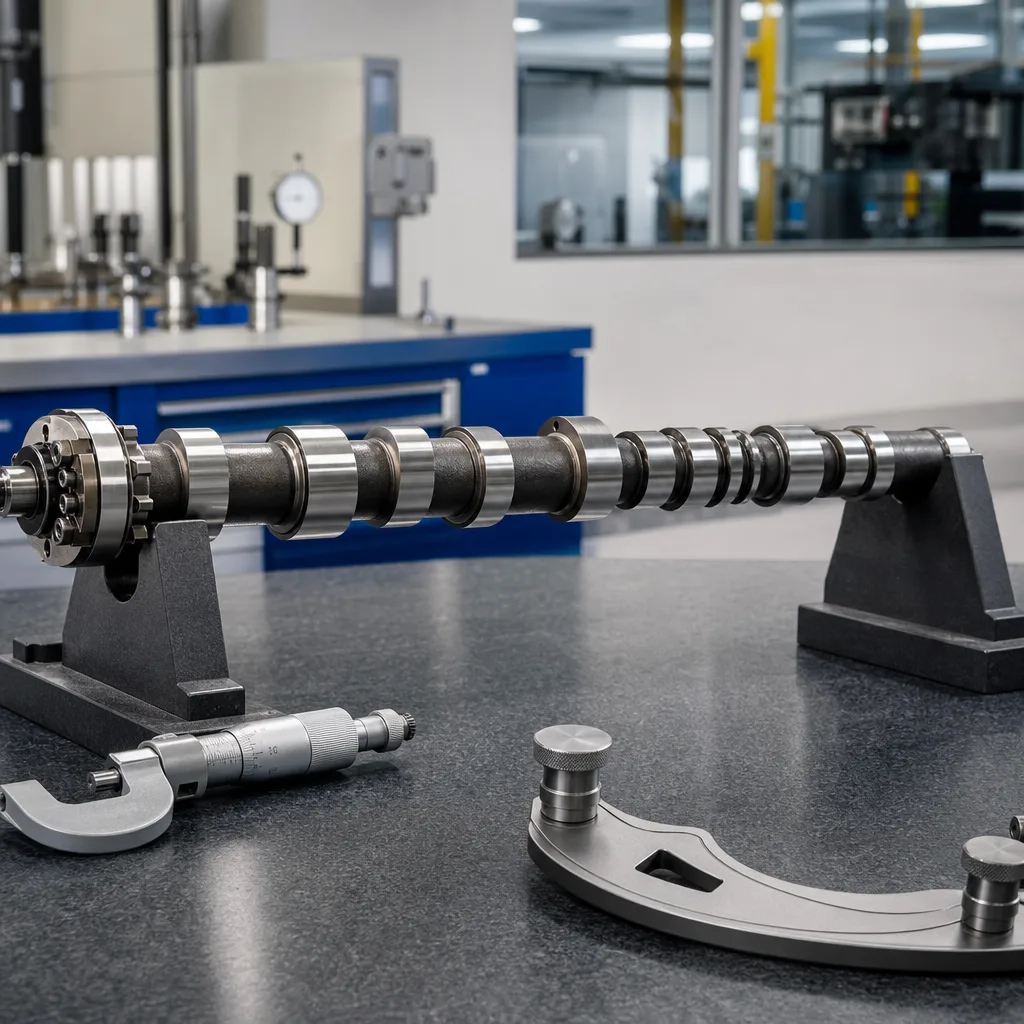
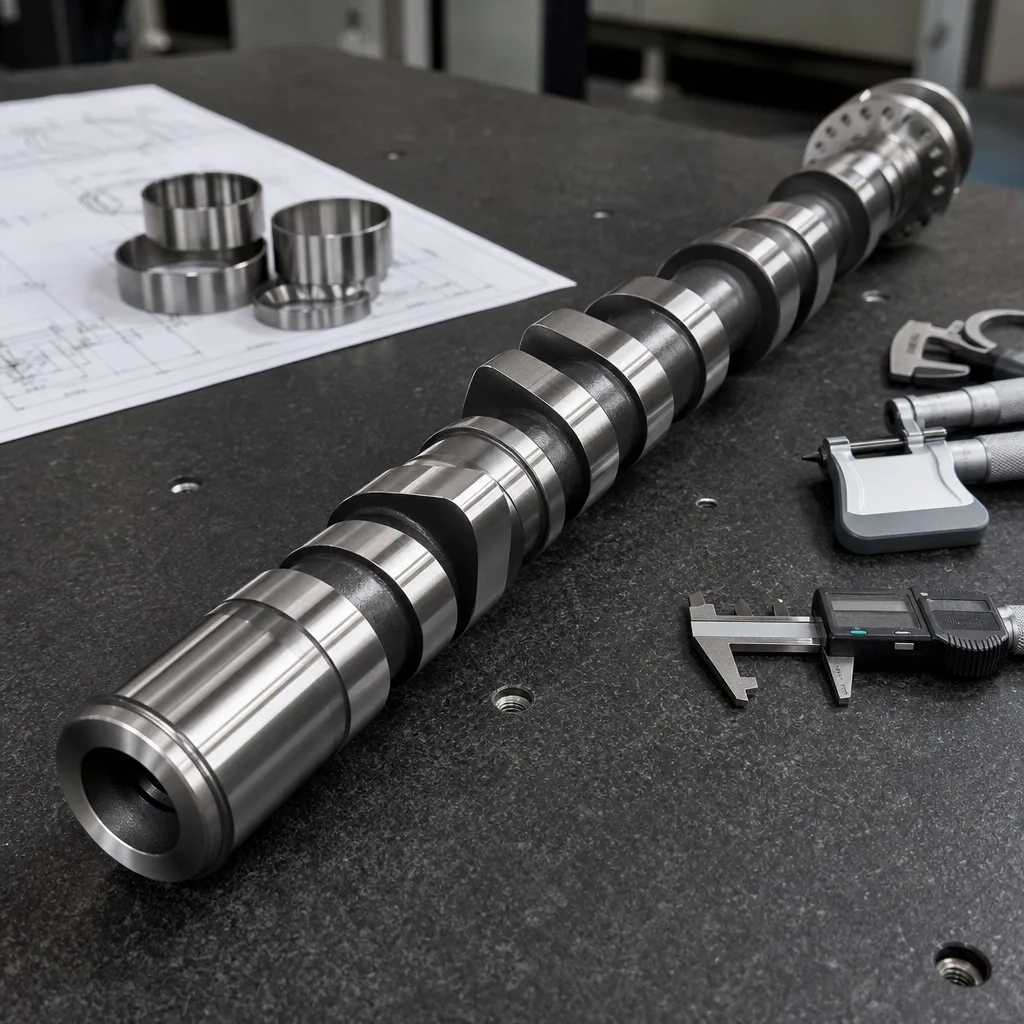
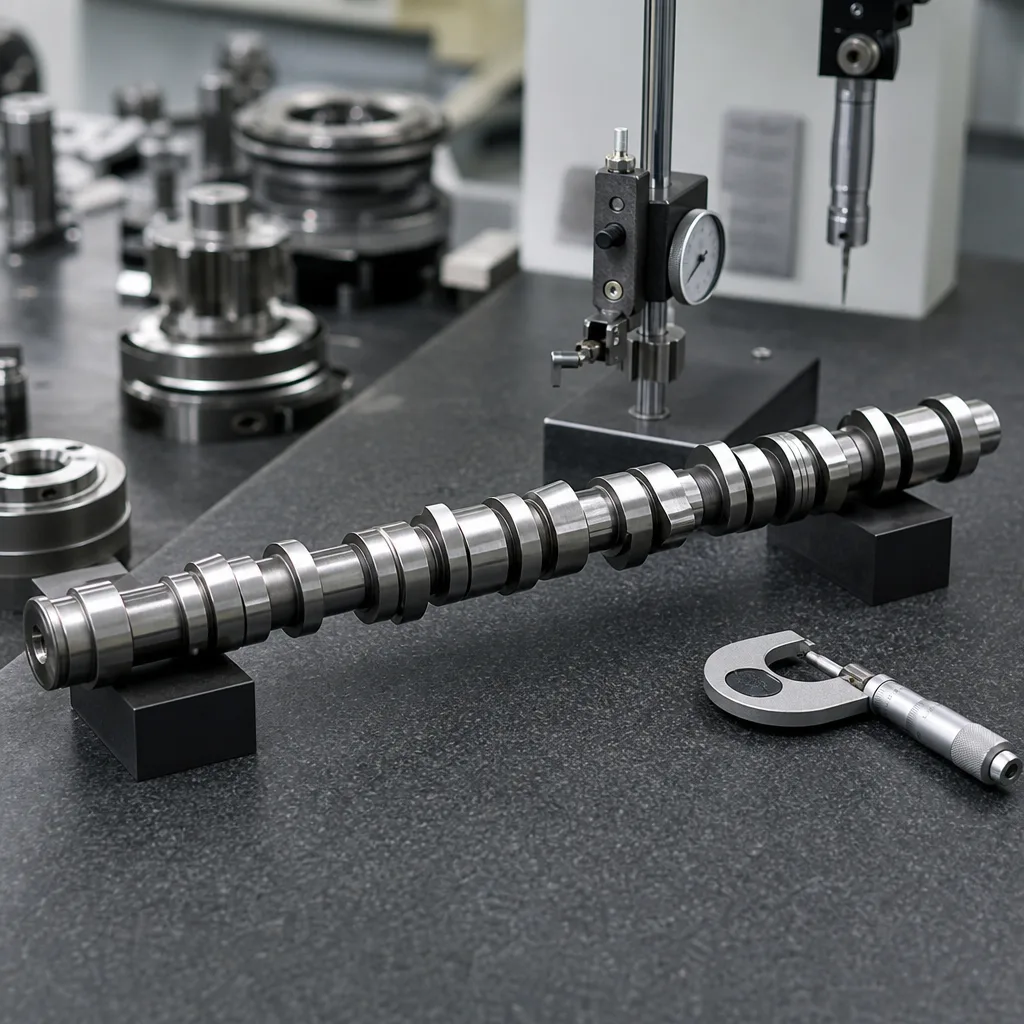
A supplier should be able to show controlled gauges for critical features and repeatable inspection records by lot. Typical procurement checks include:
Control item
Why it matters
Common verification method
Overall length and height
Packaging and clearance
CMM or fixture check
Flange flatness
Sealing integrity
Surface plate inspection
Port alignment
Hose and pipe fit
Go/no-go fixture
Weld integrity
Leak resistance
Helium or pressure decay test
Material traceability
Durability and recall control
Heat/batch records
</tr></thead><tbody> </tbody></table>If your sourcing team needs a supplier audit pack, review the quality system before sending drawings.
Materials, tests, and standards buyers should ask for
A credible EGR cooler supplier should document material grade, joining process, and validation tests. The exact test matrix depends on the vehicle duty cycle and customer specification, but the supplier should be able to support a repeatable qualification plan.
Common documentation requests:
Material certificate for stainless steel or aluminium alloy parts
Weld procedure and operator qualification records
Pressure-decay leak test record for each production lot
Corrosion or salt-spray summary where specified
Thermal cycling or endurance test summary for qualification builds
Standards and regulations often referenced in supplier packs include IATF 16949:2016, ISO 9001:2015, REACH (EC) No 1907/2006, and when relevant to emissions-related validation, ECE R-83 or SAE J2527 for corrosion-related testing. The buyer should request only the standards applicable to the programme, rather than a generic test bundle.
Lead times, MOQ, and export support
For aftermarket distributors and repair-chain buyers, the commercial profile matters as much as the part design. A supplier should be able to state MOQ by SKU, expected production lead time, carton configuration, and pallet loading data. For replacement programmes, buyers usually want stable replenishment rather than a one-off shipment.
Driventus supports export supply from Taizhou with documented batch traceability and packing control. In RFQ handling, the usual questions are:
Can the supplier hold safety stock for repeat orders?
Is the packing suitable for sea freight, air freight, or mixed consolidation?
Are labels tied to lot and production date?
Can the factory support sample approval before mass production?
Where the programme needs non-standard brackets, ports, or material changes, use custom manufacturing to align tooling, verification, and target volumes before launch.
How to compare suppliers without relying on marketing claims
A practical comparison should focus on measurable controls, not promotional language. Ask each supplier for the same data set so the bid can be judged on evidence.
Recommended comparison points:
1. Drawing conformity against the nominated OE cross-reference 2. Sample report with dimensions, leak test, and visual inspection findings 3. Batch traceability method from raw material to packed carton 4. Documented certification scope and audit status 5. Lead time for first article, pilot run, and repeat order 6. Response time for corrective action if a defect is found
Driventus is an independent aftermarket manufacturer; brand names are referenced for fitment only. If your team is building a multi-country sourcing shortlist, ask for factory audit access, process flow, and PPAP-style submission data where required by your customer.
Frequently asked questions
Yes, provided the application data, dimensions, and OE cross-reference are clear. Driventus supplies independent aftermarket parts and does not claim vehicle-manufacturer approval.
Ask for dimensional drawings, material traceability, leak test method, MOQ, lead time, packing details, and certification scope under IATF 16949:2016 and ISO 9001:2015.
Yes. For revised ports, brackets, or materials, use a controlled custom-manufacturing process so tooling, validation, and target volumes are agreed before production.
If you are shortlisting an EGR cooler GMC OEM supplier, send the application data and target volume for a controlled review. Request a quote at /contact.html