EGR cooler · 2026-06-06

EGR Cooler Dodge Wholesale Sourcing Guide

EGR cooler Dodge wholesale sourcing is ultimately a procurement-risk decision. The right supplier must deliver consistent fitment, pressure integrity, controlled brazing or welding quality, clean internal passages, and stable documentation across repeat orders. For distributors, importers, and repair-chain buyers, the cost of one leaking cooler is rarely limited to the part itself. It can lead to warranty labour, vehicle downtime, customer claims, and customs or compliance delays if the import file is incomplete.

Driventus manufactures engine and powertrain components in Taizhou, Zhejiang, and supplies B2B customers in more than 60 countries. Our EGR cooler programme is designed for aftermarket distributors, wholesalers, OEM service channels, Tier-1 purchasing teams, and multi-location workshops that need batch-controlled supply rather than spot-market buying. Driventus is an independent aftermarket manufacturer; Dodge and other brand names are referenced for fitment identification only.

Wholesale fitment scope and sourcing model

Dodge-fit EGR coolers are normally sourced by engine family, emissions specification, model year range, market region, and OE-style installation geometry. Small differences in flange position, coolant-port layout, bypass configuration, sensor bosses, or gasket interface can create fitment problems, even when two applications look similar in a catalogue. During the RFQ stage, buyers should provide an application list, sample part, drawing, photos, or cross-reference data so the supplier can confirm the correct configuration before pricing.

If an OE part-number convention is used in the enquiry, it should be supplied by the buyer, for example OE 06A… or OE 11251… formats where applicable. Cross-references help catalogue mapping and warehouse labelling, but they should not be treated as proof of vehicle manufacturer approval. Driventus does not claim approval, endorsement, or authorisation by any vehicle manufacturer.

For importers and wholesale distributors, the sourcing model usually falls into three order types:

  • Stock replenishment: repeatable SKUs, carton labelling, pallet configuration, forecast-based production slots, and consistent documentation for recurring shipments.
  • New programme introduction: sample validation, dimensional confirmation, installation review, packaging approval, and first batch inspection before larger-volume release.
  • Private-label supply: buyer-specified branding, neutral packaging, barcode requirements, carton marks, and country-specific import labels where legally permitted.

Buyers can review adjacent engine product families in our catalog, including related engine components at /products/engine-components.html. For application gaps or discontinued references, Driventus can assess custom manufacturing based on drawings, samples, or controlled reverse engineering.

Manufacturing controls for EGR cooler durability

An EGR cooler operates in a harsh environment: hot exhaust gas on one side, pressurised coolant on the other, plus thermal cycling, soot loading, vibration, and corrosion exposure. Common field failures include internal coolant leakage, cracked weld seams, restricted gas passages, flange distortion, loose fittings, and external corrosion. That is why wholesale sourcing should focus on process capability and inspection discipline, not only on unit price.

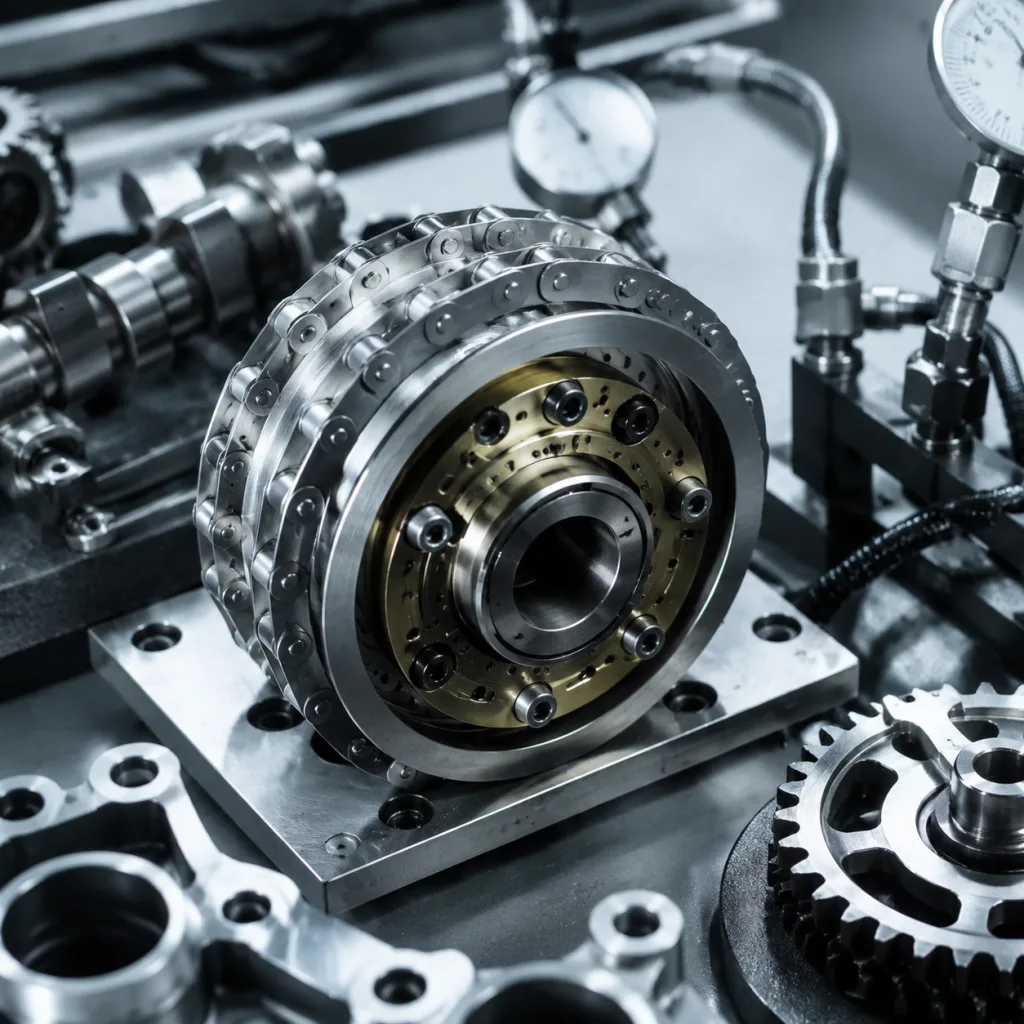
Driventus controls the production route through incoming material inspection, tube-core or plate-core forming, controlled joining, interface machining, cleaning, pressure testing, and final inspection. Depending on the cooler design, construction may include stainless steel gas paths, cast or formed end tanks, precision flanges, welded or brazed joints, integrated bypass features, and dedicated mounting brackets.

Key process checks include:

  • Incoming stainless steel, casting, gasket, and fitting verification against approved specifications.
  • Dimensional inspection of mounting faces, gasket surfaces, bolt-hole positions, coolant ports, and tube alignment.
  • Weld or brazed-joint visual inspection for discontinuity, underfill, burn-through, porosity, poor penetration, or uneven fillet formation.
  • Coolant-side leak testing before packing, with gas-side sealing checks where required by the application or buyer specification.
  • Cleaning controls to reduce metallic debris, residual flux, oil, loose particles, and contamination in coolant or gas passages.
  • Batch traceability from raw material lot and production date through to finished carton or pallet identification.

Our factory operates under IATF 16949:2016 and ISO 9001:2015 principles, with documented control plans, inspection records, nonconforming product handling, corrective action review, and export documentation support. Buyers can review our quality system before arranging a supplier audit.

Procurement specification to include in an RFQ

A clear RFQ reduces sample revisions, prevents catalogue mismatches, and avoids disputes after shipment. For EGR cooler Dodge wholesale programmes, the most useful starting point is a structured procurement sheet rather than a long commercial email. It should define the application, the required cooler construction, the packaging plan, and the documentation needed for the destination market.

</tr></thead><tbody> </tbody></table>Published regulatory and quality references may be relevant depending on the sales market. Examples include IATF 16949:2016 and ISO 9001:2015 for quality management expectations, REACH (EC) No 1907/2006 for substances placed on the EU market, and ECE R-83 for vehicle emissions type-approval context. Component suppliers should not present these references as vehicle manufacturer approval. They are used to structure compliance review, customer documentation, and import-file preparation.

MOQ, lead time, and audit considerations

Wholesale buyers typically evaluate EGR cooler suppliers on landed cost, minimum order quantity, repeatability, inspection transparency, and corrective action response. A low quote is not useful if the SKU cannot be repeated, if packaging changes without notice, or if inspection records are unavailable when a customer claim occurs. Driventus can support consolidated shipments across engine and powertrain categories, helping distributors reduce freight cost per SKU while simplifying supplier management.

Typical commercial planning points include:

  • MOQ: determined by SKU complexity, material availability, packaging type, forecast stability, and whether private-label cartons or special barcodes are required.
  • Sampling: pre-production samples or pilot lots can be arranged for dimensional review, installation checks, packaging approval, and buyer-side fitment confirmation.
  • Lead time: standard replenishment is planned around production capacity, material availability, inspection workload, and export booking. New development items require additional time for sample review, validation, and specification lock.
  • Incoterms: common structures include FOB Ningbo or Shanghai, CIF destination port, or other terms agreed in the purchase contract.
  • Audit access: remote document review, video walk-throughs, production-record checks, or on-site factory audits can be coordinated for qualified B2B customers.

For multi-location repair chains, the priority is often consistent carton identification, installation reliability, and warranty traceability across branches. For import wholesalers, the focus may be pallet optimisation, HS code review, landed-cost control, and repeatable SKU labelling. For Tier-1 or OEM service procurement teams, the requirement is normally PPAP-style discipline, controlled change notification, supplier corrective action, and long-term process stability, even where formal PPAP is not requested.

Validation and inspection records buyers should request

EGR cooler validation should match the application risk and the buyer’s customer profile. A distributor buying general aftermarket stock may need a standard inspection file and stable batch traceability. A fleet service supplier, repair network, or programme buyer may request extra testing after installation trials, especially where downtime costs are high.

Useful records include:

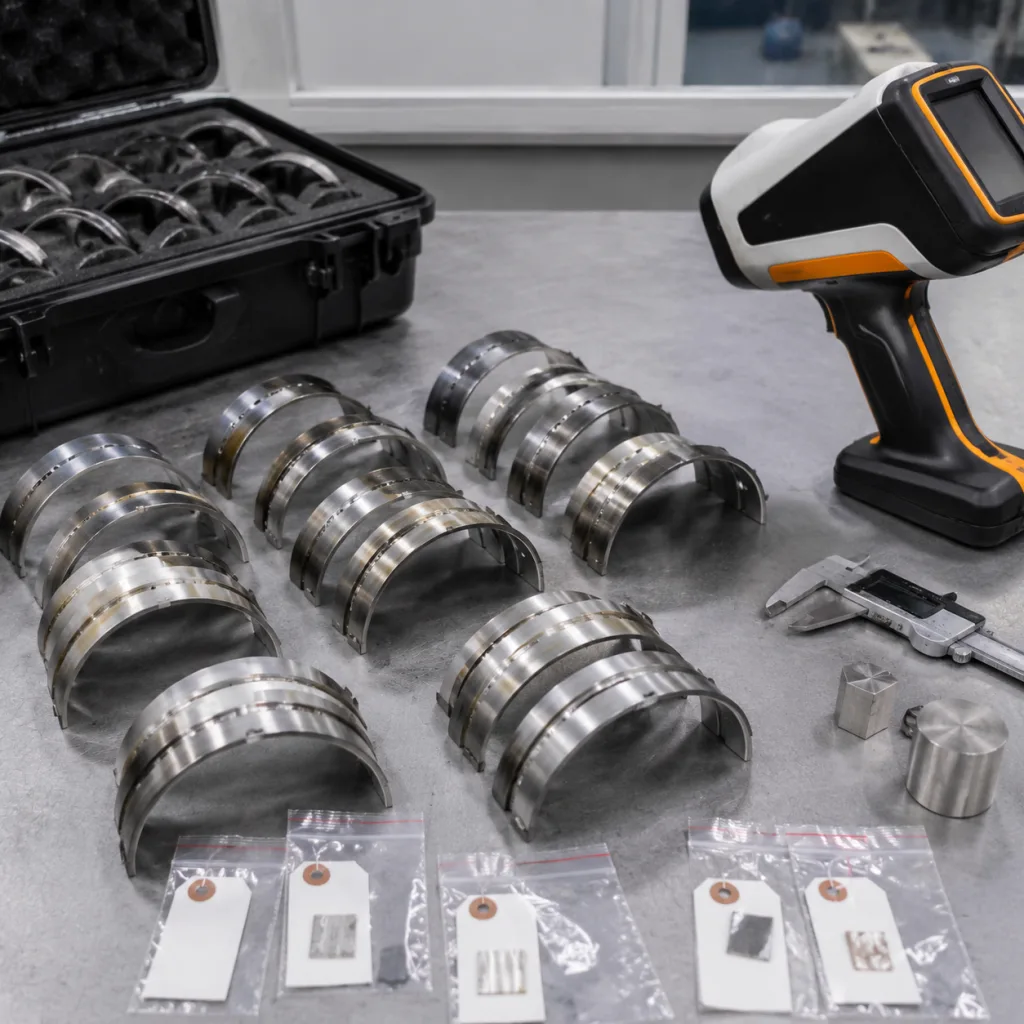
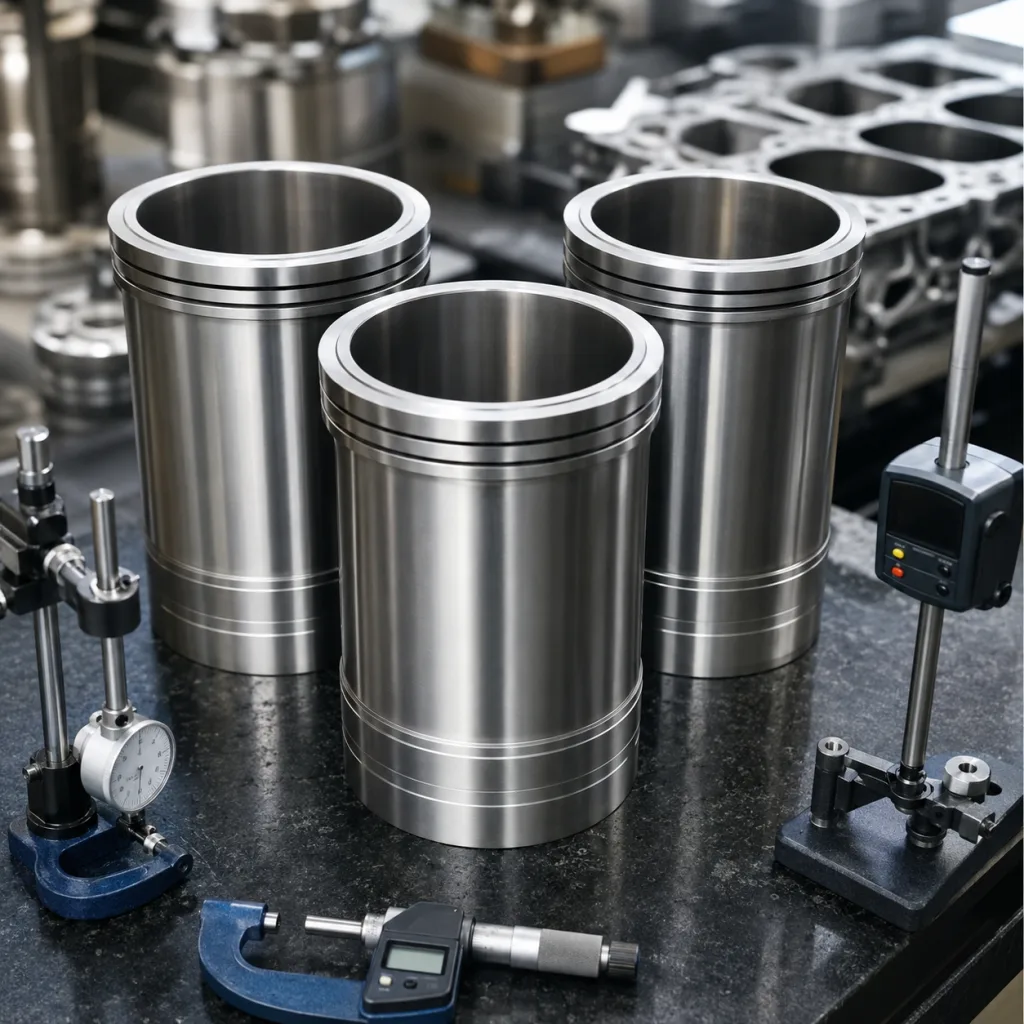
  • Dimensional report for critical interfaces such as flanges, mounting bosses, gasket faces, coolant ports, sensor bosses, and tube positions.
  • Leak test record for coolant side and, where applicable, gas side sealing, including pressure level, test medium, sample size, and result.
  • Material declaration for stainless steel, aluminium, cast iron, gasket materials, rubber seals, plastic fittings, or other subcomponents.
  • Surface finish and cleanliness checks for gasket areas, coolant passages, gas passages, and machined interfaces.
  • Packaging drop or transport suitability review for export cartons, inner protection, pallet stacking, and moisture exposure.
  • Batch number control, production date, inspector identification, and carton or pallet traceability.

Where brake or emissions-related standards are discussed in procurement files, they should be cited accurately. SAE J2527 is a brake dynamometer test procedure and should not be used to validate an EGR cooler. ECE R-83 relates to vehicle emissions approval context, not direct aftermarket component endorsement. For chemical and material compliance in the EU, REACH (EC) No 1907/2006 is more relevant to substance declarations and supply-chain documentation.

A practical acceptance plan is to inspect first-shipment samples at the buyer’s warehouse, record installation feedback from several locations, and then lock the approved specification for repeat orders. Any change to core material, joining process, supplier subcomponent, port design, gasket interface, or packaging should be communicated before the next production run. This change-control discipline is one of the simplest ways to reduce warranty risk in an EGR cooler Dodge wholesale programme.

How Driventus supports wholesale buyers

Driventus is vertically integrated across a wider engine and powertrain parts range, including pistons, crankshafts, gaskets, water pumps, turbochargers, and related components. This broader manufacturing base helps procurement teams consolidate supplier management instead of qualifying a separate vendor for each product line. It also allows buyers to combine EGR cooler orders with adjacent engine categories when planning container loading, pallet use, and documentation.

For Dodge-fit EGR cooler sourcing, we support B2B customers with application confirmation, sample matching, technical drawings where available, private-label packing, export documentation, and batch inspection data. We also support sourcing reviews for buyers in the EU, UK, US, Canada, Australia, and Brazil, where customs documentation, carton labelling, material declarations, and compliance expectations can vary by destination.

A suitable onboarding sequence is:

1. Send the application list, target annual volume, destination market, and any buyer-owned cross-reference data. 2. Confirm construction, gasket interface, packaging format, MOQ, lead time, and commercial terms. 3. Approve sample parts, dimensional reports, or first batch inspection results. 4. Place the initial order with agreed labelling, carton marks, pallet plan, and documentation. 5. Review field feedback, claim data if any, and warehouse receiving notes before locking the supply specification for repeat shipments.

Buyers seeking a stable EGR cooler wholesale source for Dodge applications can request a quote with target SKUs, quantities, destination market details, and any required inspection or compliance documents.

Frequently asked questions

Yes. Driventus can support neutral or private-label packaging for qualified B2B buyers, subject to agreed MOQ, artwork, carton specification, barcode requirements, and applicable import rules. Brand names are referenced for fitment only.

Typical documents include packing list, commercial invoice, certificate of conformity, inspection records, batch traceability data, and material or compliance declarations when required. Document scope should be confirmed during RFQ.

No. Driventus is an independent aftermarket manufacturer; brand names are referenced for fitment only. We do not claim approval, endorsement, or authorisation by any vehicle manufacturer.

For pricing, MOQ, sample review, or audit documentation, send your application list and target volumes. Contact Driventus to start a sourcing review at /contact.html

Request a Quote
RFQ item What to specify Why it matters
Application scopeDodge model, engine, model year, market region, emissions levelPrevents fitment overlap between similar engines and regional variants
Cross-referenceBuyer-supplied OE-style number, aftermarket number, sample photo, or drawingAligns catalogue mapping, quotation, warehouse labels, and customer references
ConstructionStainless grade, flange material, bypass feature, gasket interface, port layoutAffects corrosion resistance, thermal durability, and installation fit
TestingLeak test pressure, test medium, sampling level, reporting formatControls warranty exposure and creates an auditable acceptance record
PackagingNeutral, private label, barcode, carton strength, pallet height, inner protectionSupports distributor receiving, resale, storage, and export transport
DocumentationCertificate of conformity, packing list, inspection report, origin documentsSupports customs clearance, customer audit files, and regulated-market review
ForecastAnnual volume, first order quantity, delivery window, repeat-order scheduleDetermines tooling needs, MOQ, production slot, and inventory planning