Dual Mass Flywheel Buick OEM Supplier: Sourcing Notes
Sourcing a dual mass flywheel Buick OEM supplier is less about finding a listing and more about proving fit, repeatability, and supply control. The right part must match the crankshaft interface, starter ring geometry, damping rate, and clutch stack height across repeated builds. For Buick programmes, that means cross-checking OE references, verifying dimensions, reviewing torsional data, and agreeing on a replenishment plan before the first order moves. Driventus manufactures engine and powertrain components in Taizhou, Zhejiang, and supplies B2B customers in more than 60 countries. Driventus is an independent aftermarket manufacturer; brand names are referenced for fitment only. Production runs under IATF 16949:2016 and ISO 9001:2015 systems, with material and process controls suited to procurement teams that need documented traceability. If you are comparing suppliers for OE replacement, contract manufacturing, or private label programmes, the real test is whether the supplier can lock a repeatable spec and support it with evidence.
Start with the failure modes
Most sourcing mistakes show up in the same few places: the flywheel fits the bellhousing but misses the starter mesh; the clutch face is right in diameter but wrong in step height; the part balances on paper but vibrates once installed. Buyers should check these points before issuing a trial order:
OE cross-reference and engine code match, where available
Outer diameter, mounting bolt circle, pilot register, and crank flange thickness
Starter ring gear tooth count, tooth form, and ring gear offset
Spring pack preload, rotational free play, and damping curve at the requested torque window
Clutch face runout, friction surface finish, and step height relative to the mating clutch set
Packaging standard, corrosion protection, part marking, and label traceability
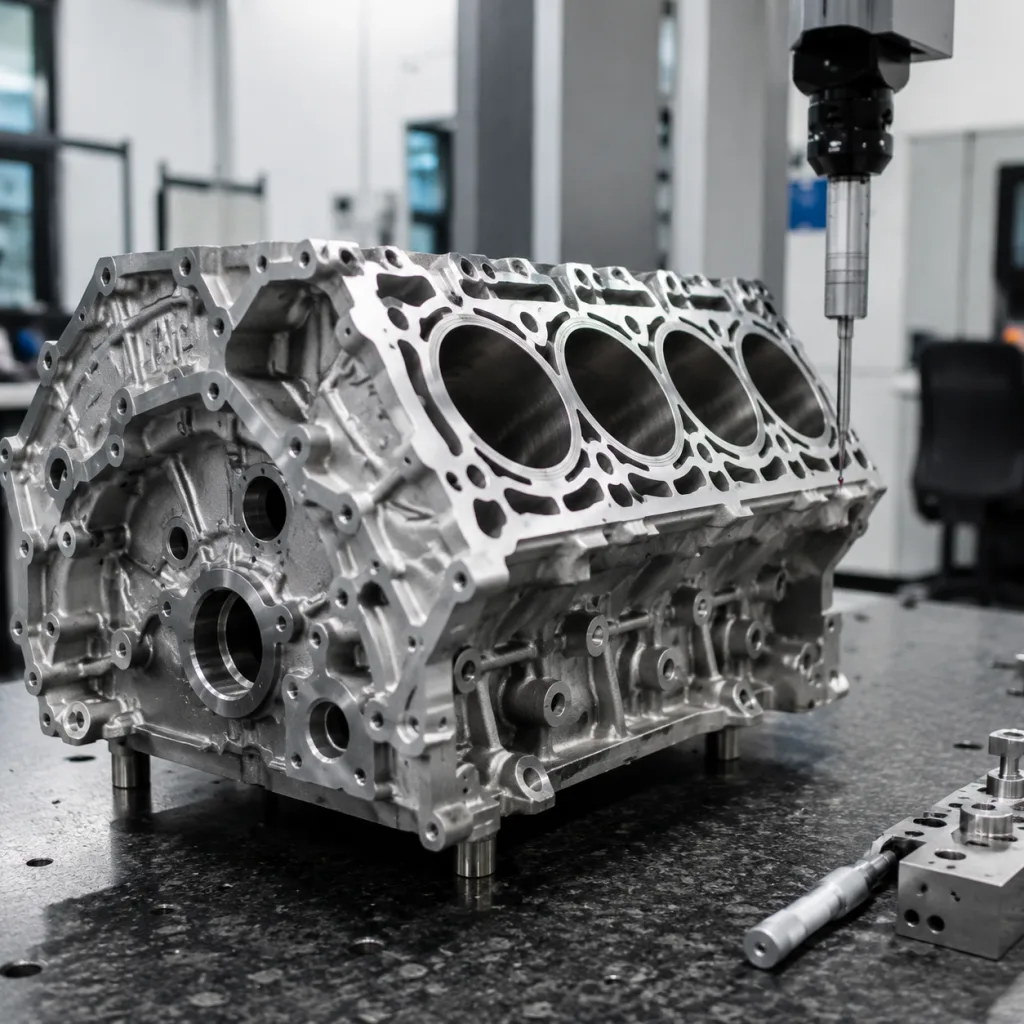
A dual mass flywheel Buick OEM supplier should be able to show dimensional records from incoming inspection and final inspection. For EU-bound shipments, ask for REACH (EC) No 1907/2006 material declarations where relevant. A practical buyer brief also states acceptance limits up front, such as total indicated runout within 0.08 mm, axial face variation within 0.05 mm, and dynamic balance to the agreed grams-centimetre target, so the quote is built against measurable criteria instead of assumptions.
What a controllable supplier looks like
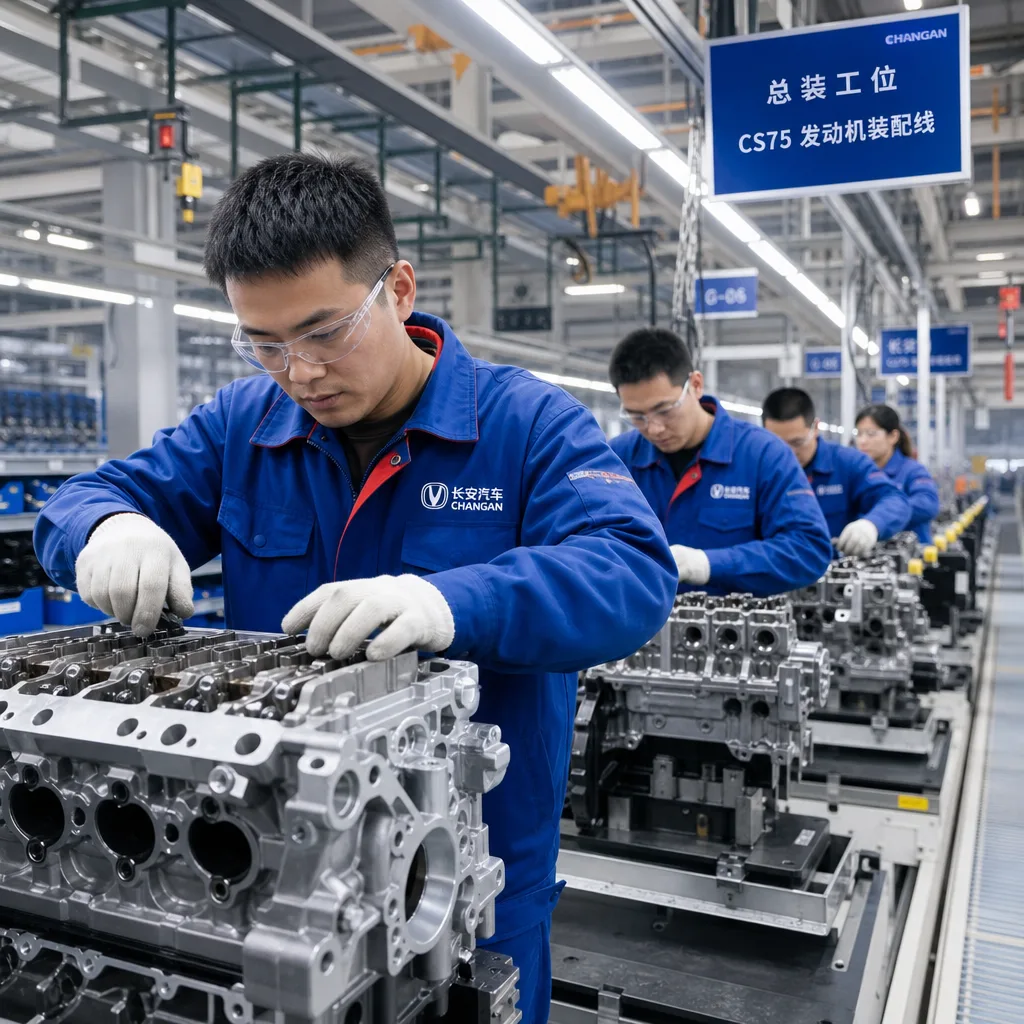
A reliable sourcing partner should control machining, heat treatment, balancing, assembly, and inspection in one process flow. That reduces variation between masses and helps keep damping performance within the same specification window across batches.
MOQ, forecast support, sample lead time, and production lead time
Documentation
Inspection report, packing list, material declaration, carton labels
</tr></thead><tbody> </tbody></table>For buyers comparing suppliers, the value is not only price. It is the repeatability of the assembly and the ability to support audits, claims handling, and replenishment planning. In practice, many programmes ask for pre-production samples in a lot size of 1 to 5 pieces, a production MOQ in the low hundreds by part number, and a batch release report with measured values rather than pass/fail statements only. If the application is sensitive, also ask whether the supplier can hold a controlled revision level for the drawing, ring gear, and spring pack specification across multiple reorder cycles.
Fitment is a data problem
Buick applications vary by engine family, transmission, and model year, so fitment should never rely on vehicle make alone. Use OE part-number cross-references, engine code, transmission code, and clutch diameter together when validating the part.
A practical sourcing file should include:
OE number cross-reference, where the enquiry already cites one
Vehicle platform, model year range, and build range
Transmission type, clutch specification, and starter engagement data
Flywheel mass, bolt pattern, ring gear dimensions, and pilot register size
Verification photos from the sample stage and a measured comparison to the master drawing
If you are building a catalogue entry or private-label line, our catalog can support broader powertrain sourcing, and our custom manufacturing page is available for customer-specific specifications. Driventus can also align packaging, labelling, and carton configuration for distributor programmes.
When a customer asks for Buick coverage, the correct workflow is to confirm the OE number, compare the sample to the master drawing, and then validate fitment on the target clutch set before mass release. Buyers should also ask for the exact application constraints, such as engine displacement, manual transmission code, and any year-specific ring gear changes, because those details often determine whether the same housing can be supplied with a different damper calibration or offset.
Testing and release: the spec that matters
Dual mass flywheel performance depends on both static geometry and dynamic behaviour. Buyers should ask suppliers how each lot is controlled and what is measured before shipment.
Typical release criteria may include:
Radial runout within 0.08 mm or the customer drawing limit, whichever is tighter
Axial face runout within 0.05 mm on the clutch contact surface
Concentricity between primary and secondary masses within 0.10 mm
Mass balance verification after assembly to the agreed dynamic limit
Spring travel and damping torque checks across the specified torque window
Friction surface flatness and finish inspection, typically Ra 1.6 to 3.2 μm where specified
Heat-treatment hardness verification on specified components, with records attached to the lot
Noise or vibration review on sample units, when requested
For validation projects, buyers commonly request bench testing under defined torque input and cycle count, for example a torsional test at the nominated idle and load conditions with a cycle target agreed before release. Where a customer specification references published standards, suppliers should name them clearly and avoid vague internal labels. If your programme needs a documented quality system overview, see our quality system page. A buyer-ready release pack should also state the measured sample size, the gauge used, the calibration date, and the disposition of any nonconforming units so the production decision is auditable.
Commercial terms that change the outcome
Most procurement teams evaluate three commercial variables at the same time: landed cost, availability, and continuity. A dual mass flywheel programme should be priced with the following items visible:
MOQ by part number or by programme family
Sample lead time and mass-production lead time
Export packing standard and pallet configuration
Warranty terms tied to verified installation conditions
Forecast-based supply planning for repeat orders
Price breaks by annual volume, reorder volume, and mixed-SKU consolidation
For distributors and repair-chain buyers, consistent replenishment is often more important than a one-time low price. For OEM and Tier-1 programmes, the purchase decision usually depends on audit results, PPAP-style evidence, and the supplier’s responsiveness to drawing revisions. In practical sourcing terms, a sample order may be quoted on a higher per-piece basis because it includes setup and test work, while repeat production usually improves when the buyer commits to a forecast, a target annual volume, and a locked revision. Buyers should also clarify whether the quote is ex-works, FOB, or delivered, because freight, insurance, and carton density can move the landed cost materially. If you are at the quoting stage, request a quote and attach the OE reference, annual volume, target market, required lead time, and any packaging or label rules so the offer can be matched to the actual programme rather than a generic part enquiry.
Frequently asked questions
Yes. Share the OE number, engine code, transmission data, and any target dimensions. We verify the dimensional match, then confirm sample and batch feasibility before quotation and production release.
Production operates under IATF 16949:2016 and ISO 9001:2015. For applicable shipments, we can provide material declarations aligned with REACH (EC) No 1907/2006, plus inspection records and lot traceability.
Send the OE cross-reference, target quantity, required lead time, destination market, packaging or labelling needs, and any acceptance tolerances. That lets us confirm MOQ, sampling cost, and supply timing quickly.
If you are sourcing for distribution, OEM supply, or a private-label programme, send your OE reference, target annual volume, and required lead time through /contact.html.