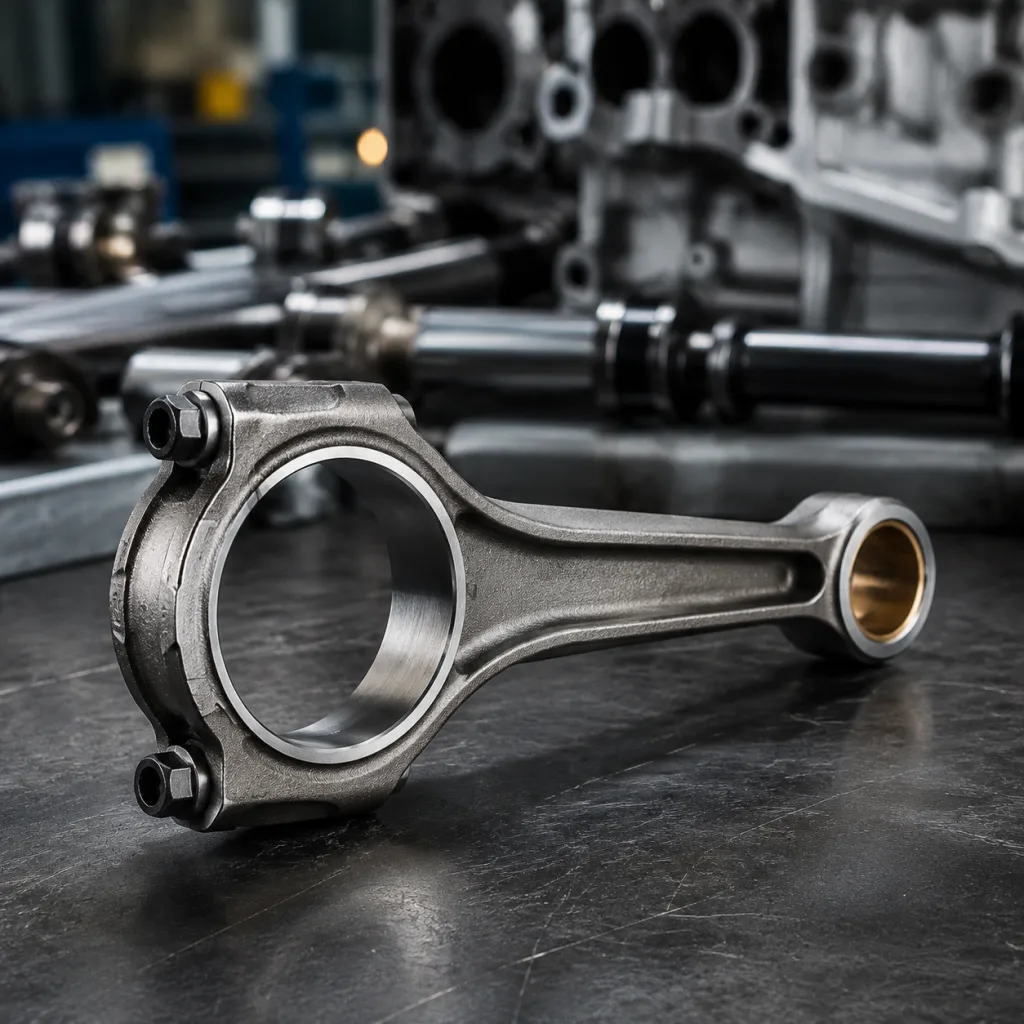
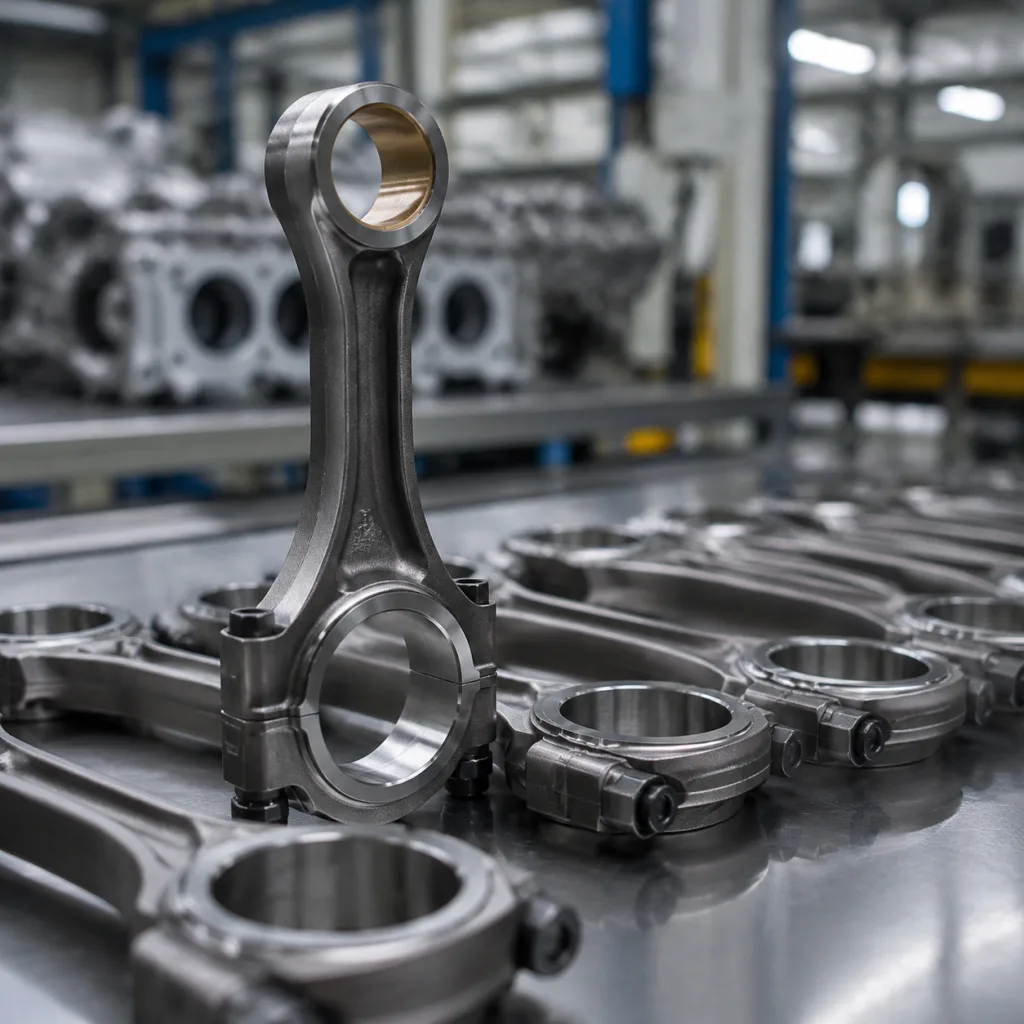
Cylinder sleeve Porsche wholesale sourcing usually comes down to three questions: will it fit, will it stay consistent, and can the supplier deliver at scale without creating downstream problems? Buyers need parts that match bore size, deck height, wall thickness, and surface finish for rebuild work, while also protecting receiving inspection, warranty handling, and stock turns. Driventus is an independent aftermarket manufacturer; brand names are referenced for fitment only. We manufacture engine and powertrain components in Taizhou, Zhejiang, and export to more than 60 countries under IATF 16949:2016 and ISO 9001:2015 systems. This article is built as a sourcing decision guide: what to verify, how to compare supply models, where wholesale programs fail, and which documents reduce quality disputes. For catalogue browsing, see [our catalog](/products.html), [our quality system](/quality.html), and [custom manufacturing](/oem-services.html).
Start with the non-negotiables
A cylinder sleeve is not a generic tube, and Porsche applications leave very little room for guesswork. Before you compare suppliers, lock down the dimensions and material requirements that define whether the part is even viable.
Bore diameter: confirm nominal size, finish allowance, and re-bore margin.
Outer diameter: verify interference fit with the parent block.
Wall thickness: check minimum values at the thinnest section.
Length and flange height: confirm deck alignment and seating depth.
Surface finish: specify Ra where honing or plateau finishing is required.
Material state: ask for cast iron grade or alloy specification, plus heat treatment if used.
If the supplier cannot map the part to your drawing or sample with a dimensional report, the order is already high risk. In wholesale programs, batch identification on both the carton and the inspection record is essential for traceability and complaint handling.
Choose the sourcing model that matches demand
Procurement teams usually choose between three supply models. The right one depends on volume stability, validation budget, and how often the fitment range shifts.
Sourcing model
Best for
Main advantage
Main risk
Stock catalogue supply
Fast-moving aftermarket demand
Short lead time
Limited fitment depth
OEM-style custom run
Specific engine variants
Controlled dimensions
Higher tooling or setup cost
Mixed programme
Multi-SKU distributors
Balanced inventory
More complex forecasting
</tr></thead><tbody> </tbody></table>For Porsche-related rebuild programs, the mixed model is often the most practical. Standard sleeves cover stable demand, while custom manufacturing handles lower-volume variants and special packaging requirements. If your team needs private label, batch coding, or export cartons, review custom manufacturing before issuing RFQs.
Where wholesale programs fail
Most sourcing problems do not start with pricing. They start with unclear fitment, weak incoming verification, or a supplier that treats machining as interchangeable across engine families.
Common failure modes to watch:
The sleeve arrives dimensionally close but outside the interference window.
The wall thickness is acceptable on paper but inconsistent across the batch.
The finished surface is too rough for the intended honing process.
The deck height is off, creating sealing or protrusion issues.
The batch cannot be traced back to a production run after a complaint.
Packaging is weak enough to cause edge damage in transit.
These failures are expensive because they surface late. The part may pass visual inspection, then fail during pressing, machining, or final assembly. That is why wholesale buyers need inspection data before release, not after the pallet reaches the warehouse.
Use documents to separate good suppliers from risky ones
A wholesale order should ship with documentation that supports inspection at arrival and after machining.
Certificate of conformity tied to the batch number.
Dimensional inspection report with key-to-print values.
Material certificate showing chemistry or grade.
Process control summary for machining and honing.
Packing list with SKU, quantity, and carton count.
REACH (EC) No 1907/2006 statement where applicable for regulated markets.
Driventus operates under IATF 16949:2016 and ISO 9001:2015, which helps buyers align supplier control with internal audit requirements. For organizations that need supplier onboarding evidence, our quality system outlines the documents usually available for review.
Validate fit before you buy volume
Fitment should be proven before any large release. A quick sample check is not enough if the sleeve will be pressed, honed, and assembled into an expensive engine build.
Practical validation sequence
1. Measure the sleeve against the block drawing or reference sample. 2. Check interference fit at the installed diameter. 3. Confirm protrusion or flush height at the deck. 4. Inspect concentricity after pressing. 5. Verify final bore finish after honing.
Where the application is sensitive, request a small pilot lot and keep one retained sample from the approved batch. For replacement programs, validation should also confirm compatibility with the intended piston set and gasket stack. If your team needs engine-family support, review our catalog and the broader engine components range.
What to ask in an RFQ
Wholesale purchasing is usually decided by service level, not unit price alone. A low quoted price becomes expensive if the supplier cannot hold lead time, split shipments correctly, or replace non-conforming parts without delay.
Define these items in the RFQ:
MOQ per part number and per machining variant.
Standard lead time for stocked items.
Lead time for custom sleeves and first articles.
Packing method for sea freight and mixed pallets.
Sample approval time before mass production.
Replacement policy for dimensional non-conformance.
For import managers, ask whether the supplier supports buffer stock or rolling releases. That matters when you serve multiple repair branches or regional distributors. Stable supply is usually worth more than a one-time discount when vehicle downtime is the cost driver.
When custom manufacturing is the better answer
Custom manufacturing is the right path when the target sleeve differs from the standard catalogue in flange profile, heat-treatment requirement, material grade, or machining allowance. It is also the better option when the buyer needs controlled branding, revised packaging, or a specific export document set.
Driventus supports enquiry-based production for buyers who need:
drawing-based machining,
sample-to-sample consistency,
multi-market packaging,
batch traceability,
and export-ready documentation.
Driventus is an independent aftermarket manufacturer; brand names are referenced for fitment only. If you need a formal RFQ, technical review, or supplier assessment, use request a quote.
Frequently asked questions
Send the OE reference if available, part drawing or sample photos, required dimensions, annual volume, target lead time, and packaging needs. The clearer the fitment data, the faster the quotation.
Yes. Custom cartons, labels, batch coding, and mixed-SKU export packing can be supported under an OEM-style program, subject to quantity and specification review.
Yes. Typical files include dimensional reports, material evidence, packing lists, and batch traceability records. Additional documents can be arranged to match buyer audit requirements.
If you are comparing suppliers for cylinder sleeve Porsche wholesale programs, send your drawing, volume target, and destination market through [request a quote](/contact.html).